
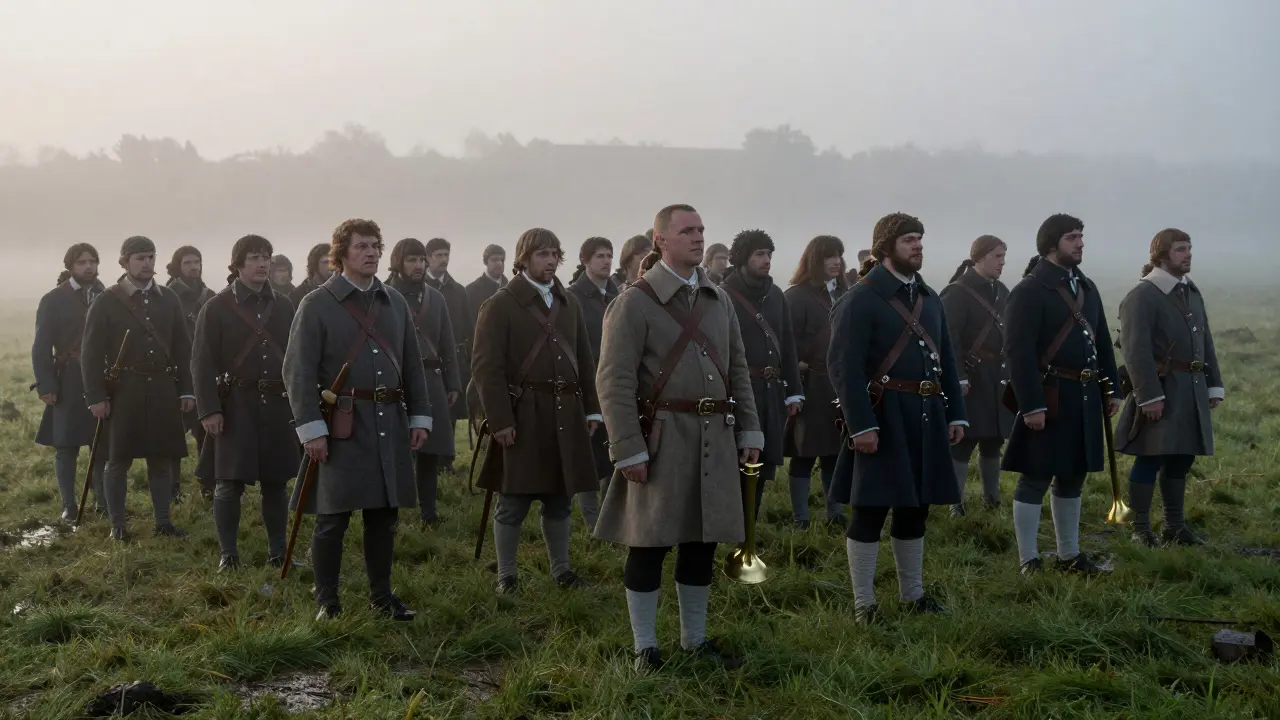
If you think history books read too quietly, step outside. The air smells like sulfur, and the ground shakes under rolling artillery fire. This isn't a movie set. It is Battle Reenactments in live historical performance, happening right here on our hills.
Walking through the mist at dawn, you see hundreds of people in wool coats and leather harnesses waiting for the bugle call. For locals, these aren't just parties. They are living classrooms where the Jacobite rising or the Wars of Independence become visceral experiences rather than dates on a timeline. Planning your trip around these gatherings changes how you see Scotland forever.
Understanding the Historical Experience
Many visitors confuse these gatherings with festivals. While there is music and food, the core focus remains on accuracy. Participants spend months crafting uniforms that match archival records from the National Archives of Scotland. When you attend, you are standing next to researchers who know the weight of a musket ball.
| Historical Period | Typical Location | Key Regiment Focus |
|---|---|---|
| Jacobite Risings (1715-1746) | Culloden, Falkirk Muir | Black Watch, Cameronians |
| Napoleonic Wars (1793-1815) | Glasgow Green, Edinburgh Castle Grounds | Royal Scots Greys |
| First World War (1914-1918) | Trench sites, Local Towns | Hanoverian Volunteers, Scottish Division |
This attention to detail matters because the story changes depending on the era. A Civil War scenario feels completely different from a Napoleonic drill. You need to know which timeline you are stepping into so you can ask the right questions. If you show up expecting the charge of the light brigade, you might miss the nuance of clan warfare entirely.
Top Locations for Spring and Summer 2026
Right now, in late March, the calendar is filling up fast. The Easter holiday usually kicks off the season with smaller drills near Dundee and Perth. By May, the major sites open up. Most groups schedule their biggest displays during bank holidays, specifically May Day and early June.
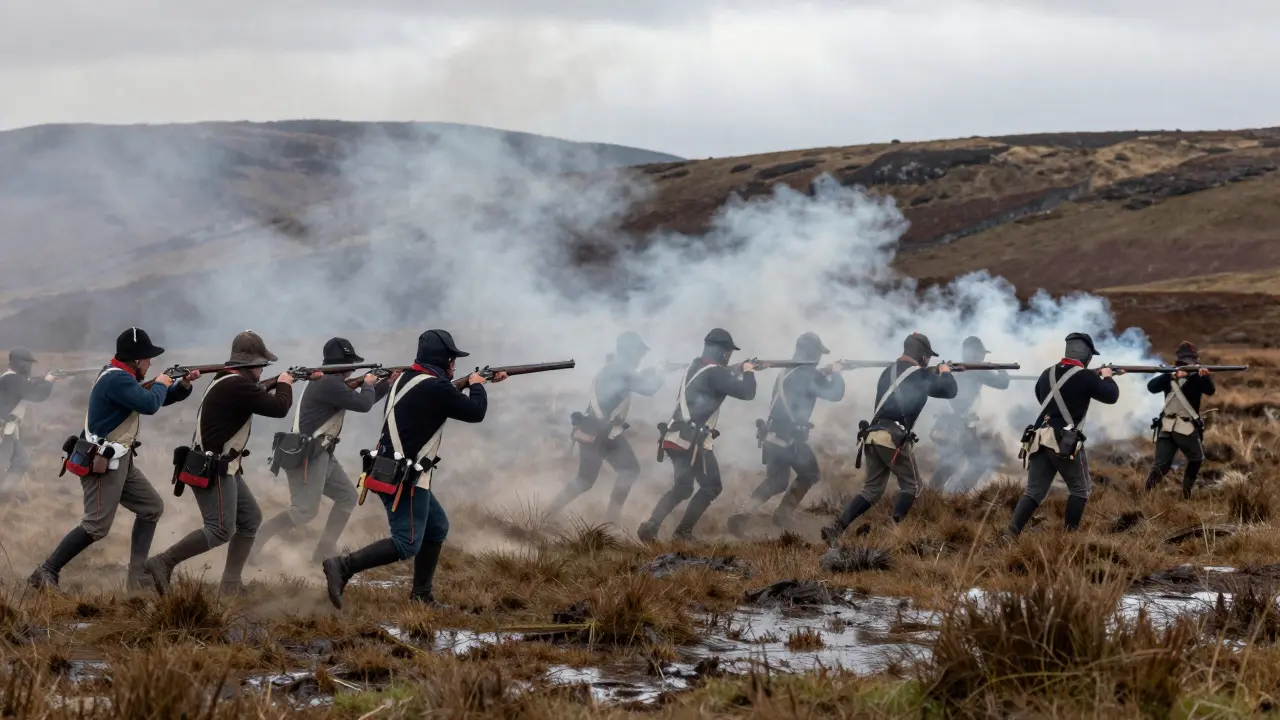
The Culloden Battlefield Site offers tours year-round, but during summer weekends, the grounds come alive with mock charges. The terrain itself tells part of the story-the wet bog versus the high ground. You cannot visit Culloden without feeling the dampness, even if it rains. Bring boots.
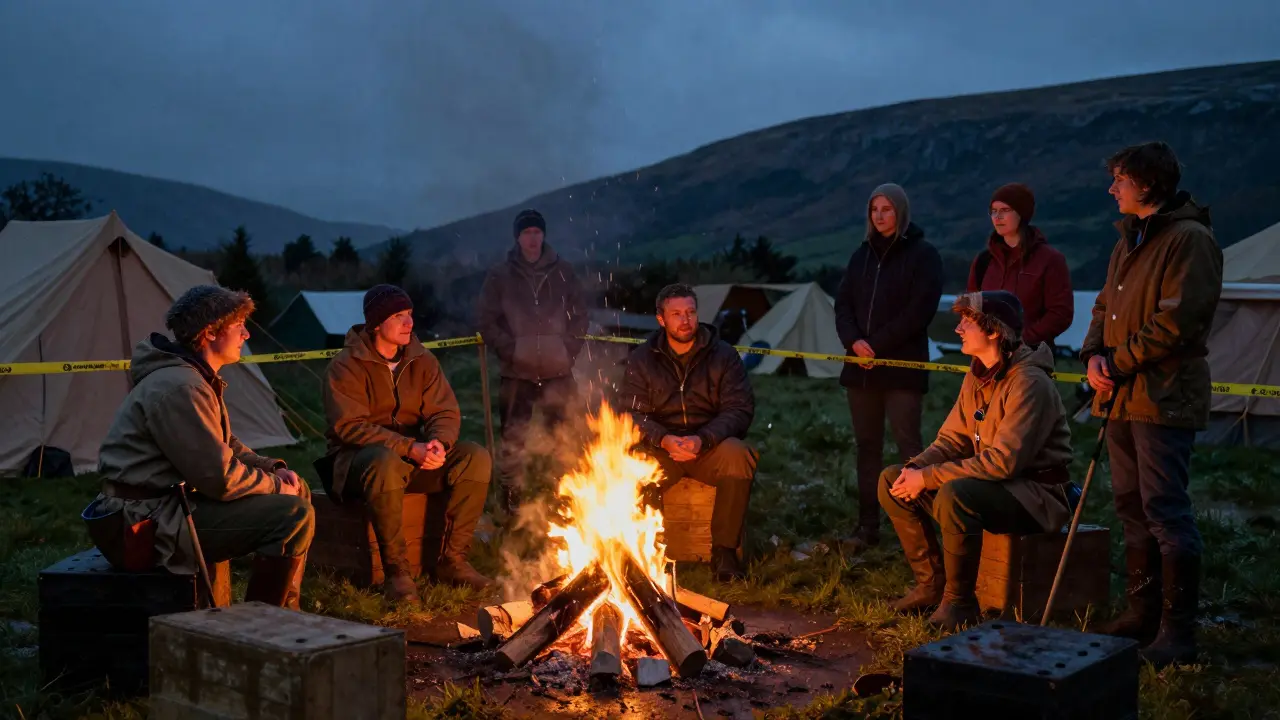
Stirling Castle hosts regular encampments. It is less about the fight and more about military life. You see soldiers setting up tents, cooking over open fires, and maintaining weapons. It is a quieter experience compared to the battlefield chaos. If you prefer talking to the participants over watching loud explosions, this is your spot.
Further north, the Clachan of Kilmaronock near Glasgow draws crowds for its logistical scale. They move dozens of wagons and horses across fields. Transport logistics are impressive to watch. However, parking can be tight if you drive. Public buses run special services on big event days.
Safety and Practical Rules for Visitors
Safety is serious business when live percussion fire is involved. Organizers mark safe zones clearly with tape and flags. Do not ignore them. Even though black powder projectiles lose energy quickly after traveling fifty meters, nobody wants an injury report.
- Keep a minimum distance of fifteen meters during live firing sequences.
- Never walk behind a soldier holding a loaded musket unless instructed.
- Keep children close; some fireworks or cannons startle easily spooked dogs.
- Wear sensible footwear; muddy grass hides holes and uneven ground.
Photography gets tricky here. Some professional photographers have exclusive rights during certain hours. Amateurs must check the program sheet. If someone says "no flash," respect it. It distracts the actors who are trying to maintain character immersion.
Dressing for the Conditions
Scottish weather does not care about your plans. You might get sun for two hours, then hail for thirty minutes. Layers are your best friend. Wear moisture-wicking base layers and bring a waterproof shell. A cotton jacket might feel fine in the morning but gets cold and heavy once rain hits it.
Bring something warm for evening camping. Many events run past midnight. Temperatures drop sharply once the sun sets behind the Campsie Fells. Even in July, a fleece makes a difference. You want to enjoy the campfires later without shivering.
Avoid modern bright colors like neon yellow jackets. If you blend into the landscape, you feel more immersed. Plus, you photograph better against the green hills and grey stone ruins. Think earthy tones-greens, browns, greys.
Costs and Booking Your Spot
Pricing varies wildly depending on whether it is a public ticketed event or a free encampment day. Smaller community efforts often cost nothing but rely on donations to the site. Major productions like the ones at Glencoe or Edinburgh charge entry fees similar to museums.
Generally, expect to pay between fifteen and forty pounds per person for main event days. Children usually get discounted rates. Booking online saves time at the gate. Ticketed slots fill up within weeks for popular spots like Falkirk.
Consider the value of guided talks included with entry. These sessions explain the tactical formations used by the clans. Without them, you just see a lot of yelling and marching. With guides, you understand why the lines broke or held.
Cultural Etiquette and Respect
These people volunteer their weekends for passion. Treat them with respect. Asking about their gear is good; asking how much money they make is rude. Most are normal jobs like teachers or engineers who fund their own kits.
Do not touch costumes or weapons without permission. That sword looks sharp but might be made of steel and balanced for impact. You could damage heirloom pieces passed down through generations. Ask before snapping photos of faces.
Support the vendors. There are stalls selling crafts that mimic the period techniques. Leatherwork, spinning, and charcoal production demonstrate skills rarely seen today. Buying directly supports the skill keepers who teach these arts.
Transportation Routes from Dundee and Beyond
Since I live up this way, I often take the M90 north. Traffic snarls happen around Braehead during big weekends. Arrive before ten in the morning to avoid the jam. Parking areas at major sites fill by mid-morning.
If you come from the south, trains work well. Many sites are within walking distance of local stations. The ScotRail service runs extra trains on event days sometimes. Check the national rail timetable ahead of time. Driving is convenient, but getting stuck in traffic reduces the enjoyment.
Local bus links exist for many smaller rural sites. Operators like First Bus run specific routes to events upon request. Ask at the bus depot for the weekend schedules. It costs less than fuel and reduces road congestion.
Planning Your Visit for 2026 Season
To make the most of your time, plan a weekend around specific anniversaries. 2026 marks another milestone in Scottish history celebrations. Look for themes related to specific years or victories. These themed events attract the highest quality troupes.
Check the official websites early. Dates shift due to weather forecasts or venue availability. Sign up for newsletters from organizations like the Historic Environment Scotland or regional tourist boards. They send updates when new dates are confirmed.
Don't rush. One full day allows you to see the morning formation, the lunchtime skirmishes, and the evening campfire songs. Trying to jump from site to site in one afternoon creates unnecessary stress. Pick one location and dig deep.
Can I join the battle as a participant?
Some events allow spectators to hold replica weapons in supervised areas, but active participation in live fire drills is restricted to trained members. Always ask organizers beforehand.
Are pets allowed at battle reenactments?
Service animals are permitted, but most other pets are banned due to safety risks involving pyrotechnics and crowds. Check the specific event policy before bringing a dog.
Is food provided during the event?
Food is rarely included in ticket prices. Vendors sell refreshments, but bringing a packed lunch ensures you have something familiar and budget-friendly during breaks.
What happens if the weather turns bad?
Events continue unless conditions are dangerously severe. Lightning storms trigger cancellations. Refunds are usually offered only if the entire event cancels, not for individual discomfort.
Are there facilities for disabled visitors?
Major venues provide accessible parking and pathways. Rural encampments may have limited accessibility on rough ground. Contact the venue organizer to arrange necessary accommodations.
Comments (11)
-
Jeroen Post March 29, 2026
why does everyone want to relive old wars nobody wins anyway. The government pushes this because they know violence sells but they hide the supply chains behind the wool coats. You think these people are volunteers but where does the powder come from exactly. They never mention the logistics suppliers in the press releases to the general public. It feels like a recruitment funnel for private military contractors disguised as history buffs. I bet the terrain maps are actually used for modern surveillance training on the hills. Nobody talks about the noise pollution affecting the local wildlife populations near Culloden either. We are walking into a theater designed to numb us to actual conflict zones safely. The safety warnings are written in a specific font that matches military clearance forms exactly. It is not about education anymore it is about conditioning the masses.

-
Honey Jonson March 31, 2026
omg this looks super fun though!!! i love when people take history seriously its cool to see the detail even if i wouldnt shoot myself lol

-
Sara Escanciano March 31, 2026
I find it deeply disturbing how we turn tragedy into entertainment for tourism purposes today. There are families whose ancestors died at these sites and they deserve respect not spectators with cameras. Glorifying battle tactics ignores the suffering caused by these conflicts in reality unfortunately. It makes me sick seeing kids play with muskets under the guise of education programs. We should be focusing on peace initiatives rather than drilling military formations publicly. This event promotes aggression and violence in children watching the shows live. People spend money on uniforms instead of donating to veteran charities actively. Stop normalizing war games as harmless fun for the weekend leisure.

-
Angelina Jefary April 2, 2026
There is a spelling error in your second paragraph about the archives which undermines credibility significantly. You also claimed black powder loses energy quickly but didn't cite the ballistic coefficient table anywhere. Why would an official guide leave such glaring factual gaps in a public safety document? I suspect the data was redacted to prevent people from calculating muzzle velocity accurately here. These omissions suggest a cover up regarding the actual lethality of replica weapons used.

-
Nathaniel Petrovick April 3, 2026
Great write up here and thanks for listing the transport routes since driving is tough during peak times. I went last year to Glasgow Green and the parking situation was pretty tight as described above. You definitely need the waterproof gear because the rain comes out of nowhere in April sometimes. My advice is to grab the bus tickets early because the special services fill fast soon. Also bring snacks because the vendor lines get long during the main charge sequences. Food vendors are mostly selling overpriced sandwiches anyway so packing lunch saves money. If anyone goes to Stirling Castle make sure you ask the guides about the weapon maintenance process.

-
TIARA SUKMA UTAMA April 4, 2026
are you a soldier in real life too?

-
Antwan Holder April 5, 2026
The soul of these reenactments touches something deep inside my spirit that I cannot explain with words alone. When I hear the bugle call echoing off the damp hills it brings tears to my eyes immediately. I feel the weight of their history pressing down on my shoulders with every step I take on the field. Their passion for truth is overwhelming and I wish I could stay in the campfire light forever. The silence after the explosion hangs heavy in the air like smoke lingers in a room. It reminds us that war was once real blood spilled on this very grass under our boots. Every uniform stitched represents a story of survival lost to the fog of time passing by slowly. I walk away different after every visit because the past speaks through their actions loudly. Do not dismiss this art form as mere play because the emotions felt are genuine and raw here. The landscape holds memories that photography cannot capture fully in any frame. It creates a bridge between generations that spans centuries in a single afternoon experience. I often cry when the drums begin beating in rhythm with the marching feet. My heart races knowing real steel was used during earlier versions of these traditions. People forget that peace is maintained through remembrance of what we fought for originally. I urge everyone to come and feel the vibration of the ground beneath their shoes personally.

-
Jason Townsend April 7, 2026
The timing of these events always coincides with national security drills happening nearby. Look at the dates again and you see patterns matching government budget cycles perfectly. They schedule big charges when new military tech is tested in the highlands remotely. It is convenient that the public gets distracted with cannon fire while radar sweeps occur overhead. Safety tapes mark zones that block access to sensitive equipment hidden in the hills. I watched a drone fly over during the Falkirk gathering last summer and staff waved it away.

-
Elmer Burgos April 8, 2026
Maybe you are reading too much into the scheduling overlap with other events Jason. Sometimes calendars just align by chance due to good weather conditions being rare. Everyone worries about different things but let us enjoy the history for what it truly is. Peace starts with understanding each other better through these shared gatherings online. Just be careful not to spread fear among the other visitors who just want a nice day.

-
Jasmine Oey April 9, 2026
Honestly most tourists lack the refinement to appreciate true craftsmanship in these gatherings anyway. The fabrics worn by amateurs are often synthetic polyester masquerading as wool blends cheaply. One requires proper heritage appreciation to understand the nobility of the regiments involved properly. Common folk buy neon jackets because they lack vision for true historical aesthetics completely. Please educate yourself before critiquing the quality of attire standards at these high level events dear.

-
Jennifer Kaiser April 11, 2026
Your moral stance on entertainment versus respect misses the nuance of living memory keeping alive. Education requires engaging with difficult topics directly rather than ignoring them for comfort sake. We learn more from confronting the reality of violence than hiding behind abstract concepts of peace entirely. Dismissing these efforts hinders the next generation from understanding the cost of freedom paid dearly. Respect means listening to the stories told by those who preserve the tools of the past actively.
