
If you think Scotland’s finest views stop at Edinburgh’s castle walls, you haven’t truly seen the Highlands. There is a raw, untamed stretch of land north of Inverness that feels less like a tourist trap and more like the edge of the world. Sutherland and Caithness are two historic counties that merge seamlessly into one massive landscape of dramatic coastlines, ancient stone, and sweeping skies. In 2026, with better transport links and a renewed interest in remote heritage, these regions are becoming must-visits for anyone wanting authentic adventure.
Most travelers rush past the A9 motorway exit points because they’re aiming for Glasgow or London, but missing this corner means skipping some of the country’s wildest scenery. Think deep turquoise water against black volcanic rock, white sandy beaches that rival tropical destinations, and castle ruins sitting atop green mounds that guard old clan feuds. This isn’t just a place you visit; it’s a region that demands your full attention.
The Rugged Coasts: Where Beaches Meet Cliffs
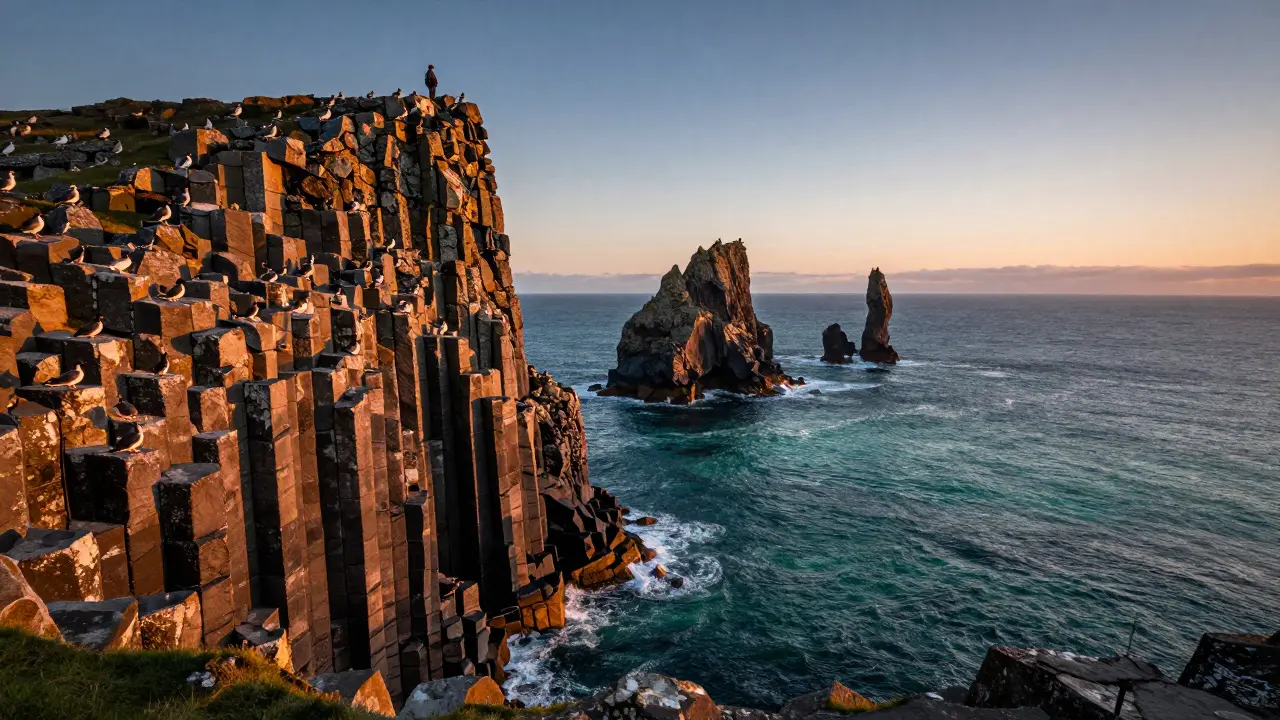
The coastline of northern Scotland is often defined by its danger and isolation, yet it holds hidden gems that surprise even seasoned locals. When you head toward the east, you enter Caithness known for its flat, windswept plains and dramatic cliff edges. One standout location is the Duncansby Stacks massive basalt columns rising sharply from the ocean near John o’Groats. These aren’t just rocks; they are remnants of ancient volcanoes that erupted millions of years ago. Walking along the path during sunset offers a view where the sun dips behind the Atlantic, casting long shadows over the seabird colonies nesting on the crags.
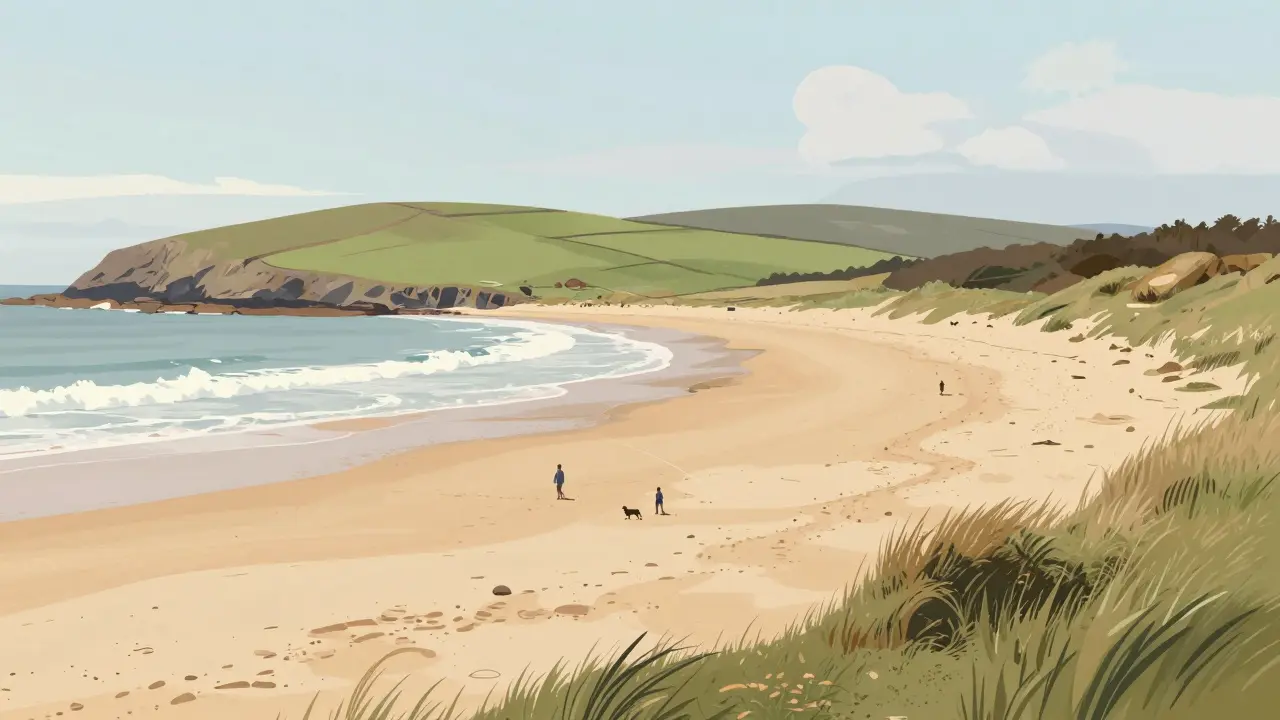
If you prefer soft sand over jagged cliffs, drive further south into Sutherland featuring rolling hills meeting the North Sea with gentle dunes. Here lies Lyth Beach a rare, expansive sandy beach located near the town of Golspie. Unlike the pebble-strewn shores common elsewhere, Lyth stretches for miles with golden grains and shallow waves perfect for walking dogs or flying kites. In early spring 2026, the crowds are thin, meaning you can claim a wide patch of sand without the hassle of car queues.
Along this coast, you also encounter small fishing villages that add character to the journey. The town of Wick the largest settlement in Caithness serving as a primary port and cultural hub sits right on the bay. It acts as a good base camp. You can park your car and explore the harbor, grabbing fresh crab pies or watching the trawlers return from a day out. While popularly known as the gateway to Orkney via ferry, the harbor itself buzzes with local maritime history.
Castles and Ancient Stone History
Moving inland, the landscape shifts from coastal drama to quiet historical grandeur. Sutherland and Caithness were historically battlegrounds for clans fighting influence over the north. Now, their legacies remain in stone form. One of the most significant sites is the Castle of Mey a royal residence and garden open to visitors near Embo. Queen Elizabeth II restored this estate, and today it stands as a sanctuary for wildlife and art lovers alike. The gardens bloom fully by late spring, offering a serene contrast to the windy moors outside the gate.
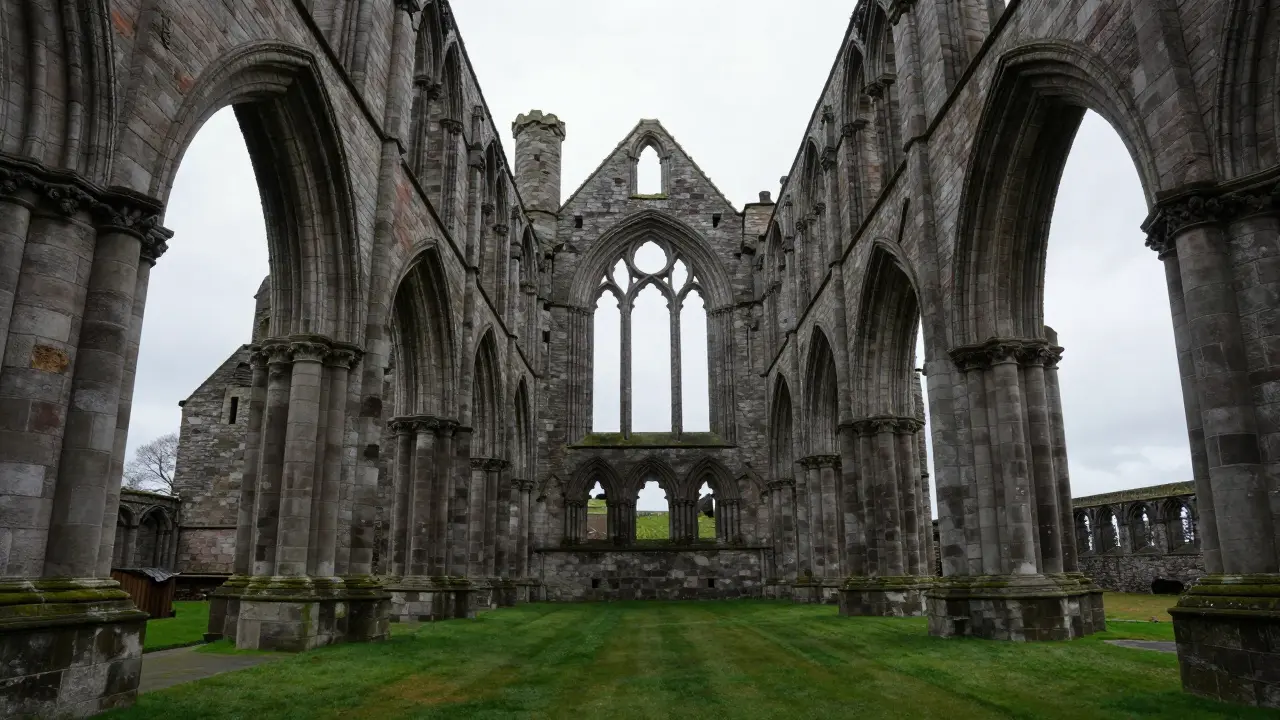
Further south, you find Dornoch Cathedral the largest Gothic cathedral ruin in Scotland located in the Black Isle area. Despite being a ruin, the scale of the remaining arches impresses upon you the sheer power of the church back in the Middle Ages. Standing inside, you realize how the acoustics were designed for choirs, echoing through the open space even when the roof is gone. It’s a hauntingly beautiful site, often visited by those seeking silence rather than just sightseeing.
Near Golspie, another gem waits: Golspie Castle a restored medieval stronghold originally built by the Munro family. While not as grand as Mey, it tells a story of private family life across centuries. Seeing the interiors preserved with original furniture gives a tangible link to who lived here before tourism was a concept. It reminds us that these places were homes first, fortresses second.
Wildlife Watching in the North
You cannot talk about the far north without mentioning the animals roaming freely. Highland Wildlife Park a zoo situated near Kingussie focusing on native species is a mandatory stop. Unlike city zoos, this facility prioritizes conservation and education about Scotland’s native fauna. If you visit around April, the deer are shedding their winter coats, and the bears are particularly active as temperatures rise.
Beyond captivity, the wild coast offers something even better. The White-tailed Eagle nestles on the cliffs around the Black Islands. With patience and a good pair of binoculars, you might spot them soaring above the stacks at Duncansby. These birds can span six feet across wingspan, and seeing one glide in silence over the water is unmatched. Rangers stationed nearby can help beginners identify tracks or nests safely without disturbing the habitat.
Practical Travel Tips for 2026 Visits
Planning a trip to this region requires specific preparation due to its remoteness. The main artery connecting everything is the A9 Highway the primary dual carriageway running north from Perth to Inverness. While the route itself is modernized, once you take the off-ramps into Sutherland, roads narrow significantly. Expect gravel sections, especially if you aim for the smaller beaches away from main towns.
| Location | Type | Best Time | Parking |
|---|---|---|---|
| Duncansby Stacks | Geological Viewpoint | Autumn/Spring | Limited |
| Lyth Beach | Golden Sand | All Year | Free Carpark |
| Castle of Mey | Historic Mansion | April - Oct | Visitor Lot |
| Wick Harbour | Town & Port | All Year | Street Parking |
| Highland Wildlife Park | Zoo & Conservation | May - Sept | Large Complex |
When driving, keep fuel tanks topped up. Gas stations are plentiful in towns like Tain or Thurso but sparse on the rural stretches. Mobile reception drops off in deep valleys, so downloading offline maps is essential before leaving Wi-Fi zones. For accommodation, B&Bs dominate over hotels. In spring, rooms book up quickly, so reservations made months ahead are wise.
Local Culinary Experiences
Food in the far north reflects the harsh environment - hearty and rich. You’ll find excellent seafood in Wick, where cod and crab are landed daily. Try a haggis dish served in a traditional restaurant like the Royal Hotel historic pub and lodging option in Thistle Glen area, although options vary by village. The local craft beer scene is growing fast, with breweries popping up in small market towns producing IPAs infused with bog myrtle or heather.
Don’t leave without trying "black pudding." While available nationwide, the quality here rivals nothing else because of the proximity to farms sourcing pork products locally. Pubs serve it hot with apple sauce, warming you up after hours of hiking. It’s a staple meal that supports local agriculture and keeps traditions alive.
Is it safe to walk alone on the cliffs?
Generally yes, but extreme care is needed. The cliff edges at locations like Duncansby can crumble unexpectedly, especially after rain. Always stay on marked paths and never venture too close to the precipice if fog rolls in or winds gust heavily.
What are the opening dates for Castle of Mey?
Gardens typically open late March, while house access runs from mid-April until late October each year. However, exact dates shift slightly annually due to maintenance schedules, so check official channels before traveling.
How do I get to Sutherland from the south?
Drive north via the A9 highway to Inverness, then continue on the A9 onto the A836. Alternatively, scenic trains run along the west coast to Fort William, though getting to the north-east requires switching vehicles.
Are pets allowed on the beaches?
Most beaches like Lyth welcome dogs, but seasonal restrictions apply during summer for certain sections to protect nesting wildlife. Always keep dogs under control near livestock fields.
What is the best month to visit?
Late April to June offers mild weather without the peak July crowds. Winter provides dramatic scenery but short daylight hours, limiting exploration time significantly.
Planning Your Route Efficiently
Finally, organize your trip logically to maximize enjoyment. Do not try to cram every stop into one weekend. Allow three days minimum. Spend Day 1 exploring the western coasts near Golspie. Day 2 focuses on eastern headlands near Wick and John o’Groats. Day 3 allows for the wildlife park and castle visits closer to the interior.
Carry warm layers regardless of season. Even in summer, wind speeds can chill the air instantly. If you follow this approach, you’ll experience the true soul of the Highlands - quiet, majestic, and timeless.
Comments (15)
-
Rakesh Dorwal April 1, 2026
You think this is genuine adventure but honestly it feels like another tourist trap disguised as exploration. The government loves pushing these remote regions when the cities get too crowded. They want the money from us without caring about the local infrastructure crumbling under the weight of buses.

-
Nikhil Gavhane April 2, 2026
I completely disagree with the negativity here because sometimes you just need to escape the grind. There is nothing wrong with appreciating a beautiful place and supporting sustainable tourism. We should encourage people to travel safely rather than fear-mongering about bus loads.

-
Rajat Patil April 3, 2026
The historical significance of Dornoch Cathedral requires proper respect during visits. Many tourists fail to understand the gravity of ancient religious sites. Silence is often preferred over loud conversations in such preserved areas.

-
deepak srinivasa April 5, 2026
Driving on the A9 highway sounds reasonable but the gravel sections described later seem risky for rental vehicles. I am curious about the tire wear during winter months specifically.

-
pk Pk April 6, 2026
Please listen to me regarding the car issue since I have rented vehicles before in rural Scotland. Ensure you purchase winter tires if visiting past October. The gravel will damage standard summer tread quickly so prepare accordingly.

-
NIKHIL TRIPATHI April 8, 2026
That point about silence near the cathedral is spot on for cultural appreciation. We should collaborate on guidelines for behavior in historic zones. It benefits everyone to maintain the atmosphere.

-
Shivani Vaidya April 8, 2026
The photography alone is worth the trip.

-
Rubina Jadhav April 9, 2026
Cliff edges at Duncansby Stacks can crumble unexpectedly after heavy rainfall events. Please stay on marked paths to avoid falling into the sea below. Safety is the primary concern for visitors.

-
sumraa hussain April 10, 2026
OMG yes the danger adds to the thrill!! The wind is SO strong!!! It makes you feel so small compared to nature!!!!

-
Raji viji April 12, 2026
You guys really don't know your ornithology when you mention White-tailed Eagles without noting the Golden Eagle distinction. These birds are easily confused by amateur watchers who lack proper binoculars.

-
Rajashree Iyer April 12, 2026
Nature speaks volumes beyond mere identification labels we impose upon species. The silent glide of wings represents freedom that humans lost centuries ago.

-
Parth Haz April 14, 2026
Your philosophical perspective adds depth to the typical sightseeing experience. Heritage preservation is indeed about respecting the spirit of the land.

-
Vishal Bharadwaj April 15, 2026
This guide is total bosh for actual travelers. The castle opening dates change evry year and they dont tell u properly on site. Waste of gas to drive there n find it locked.

-
anoushka singh April 15, 2026
Hey relax a bit because things always happen last minute with schedules. Nobody expects perfection in travel plans anywhere on earth.

-
Jitendra Singh April 17, 2026
Honestly this guide is gold for anyone wanting to explore beyond Edinburgh. Most people overlook the north because they focus on easy routes nearby. I remember reading similar posts before on various forums. But none were this comprehensive regarding practical details. The weather aspect matters a lot for survival out here. You cannot ignore the wind speed warnings in the description. People often underestimate the cold when the sun shines brightly. It bites right through your layers instantly. Packing thermal gear is mandatory for comfort. You also need to consider the daylight hours significantly. Summer nights stay bright here until very late in evening. Winter days vanish incredibly fast after noon. Photography sessions require planning around the window of light. Missing the golden hour ruins shots for professional results. Just go there while it lasts before development changes everything.
