
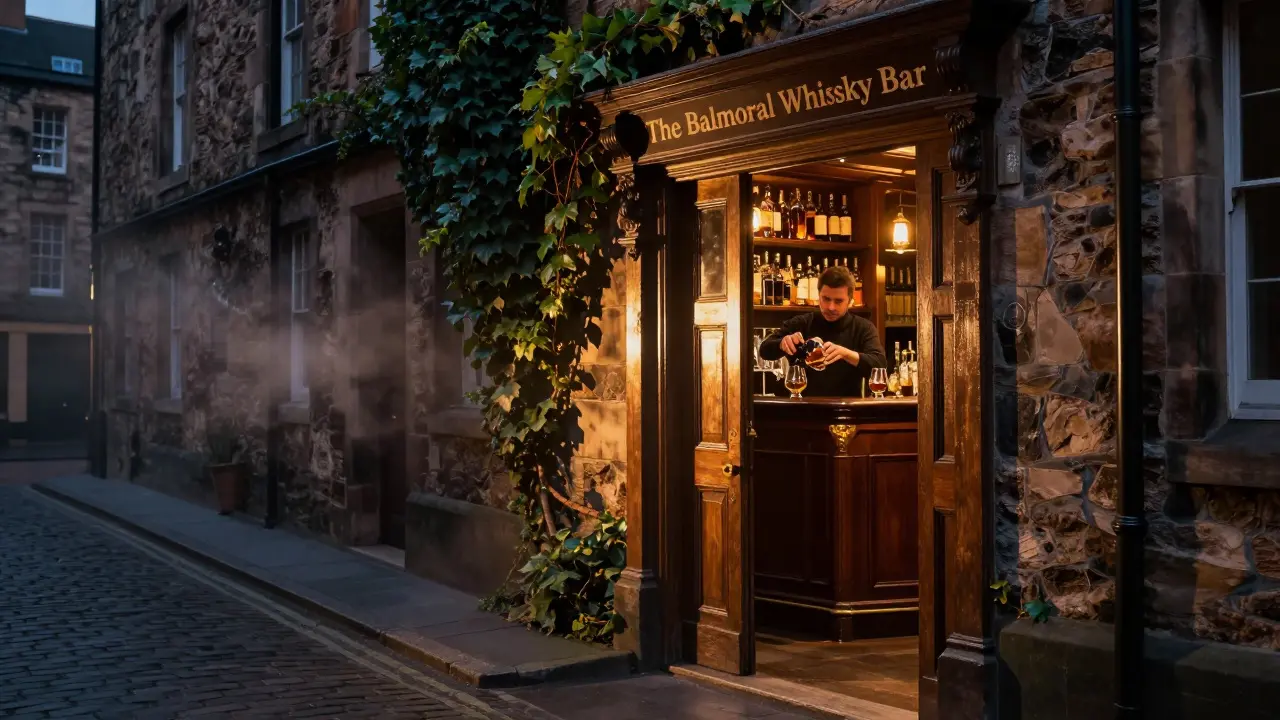
Edinburgh’s Old Town isn’t just about castles and cobblestones. Walk down its narrow wynds after sunset, and you’ll find something far more comforting than history books: whisky. Not just any whisky-single malts aged 18 years, cask-strength bottlings, and rare blends you won’t find in supermarkets. The city’s whisky tasting rooms are quiet sanctuaries where the air smells of oak, smoke, and peat, and the staff know more about your glass than you do about your own birthday.
Why Edinburgh Old Town Is the Heart of Scotch
Edinburgh isn’t the capital of whisky production-that’s Speyside. But it’s the capital of whisky experience. The Old Town’s medieval alleyways hide some of Scotland’s most intimate whisky spaces. Unlike tourist traps in Glasgow or the high-volume distillery tours up north, these rooms focus on conversation, not crowds. You’re not here to sip and rush. You’re here to learn, to pause, to taste something that took decades to make.
There are over 200 distilleries in Scotland, but fewer than 10 tasting rooms in Old Town offer true depth. These aren’t bars with a whisky shelf. They’re curated spaces where each dram tells a story-of the cask, the climate, the master blender’s choice. And they’re all within a 15-minute walk of the Royal Mile.
The Must-Visit Tasting Rooms
The Scotch Whisky Experience isn’t the flashiest, but it’s the most complete. Open since 1988, it’s one of the few places where you can taste 30+ whiskies in one session, guided by a certified whisky ambassador. Their Whisky Tasting Flight lets you pick three from a list that includes Glenfiddich 15, Laphroaig 10, and a rare 1990s Bowmore. The tasting is included in the entry fee, and the staff won’t rush you. They’ll ask what you liked, then pull out a bottle you didn’t know existed.
The Balmoral Hotel’s Whisky Bar sits just off the Royal Mile, behind a heavy wooden door. It’s quiet, dim, and feels like a private club. The bar has over 500 bottles, but they only serve 10 at a time-selected daily by the head curator. Try the Island Flight: Talisker 10, Arran 14, and Jura 10. The bartender will pour a splash of water, then explain how the sea salt in Talisker changes when it hits your tongue. No menus. Just questions.
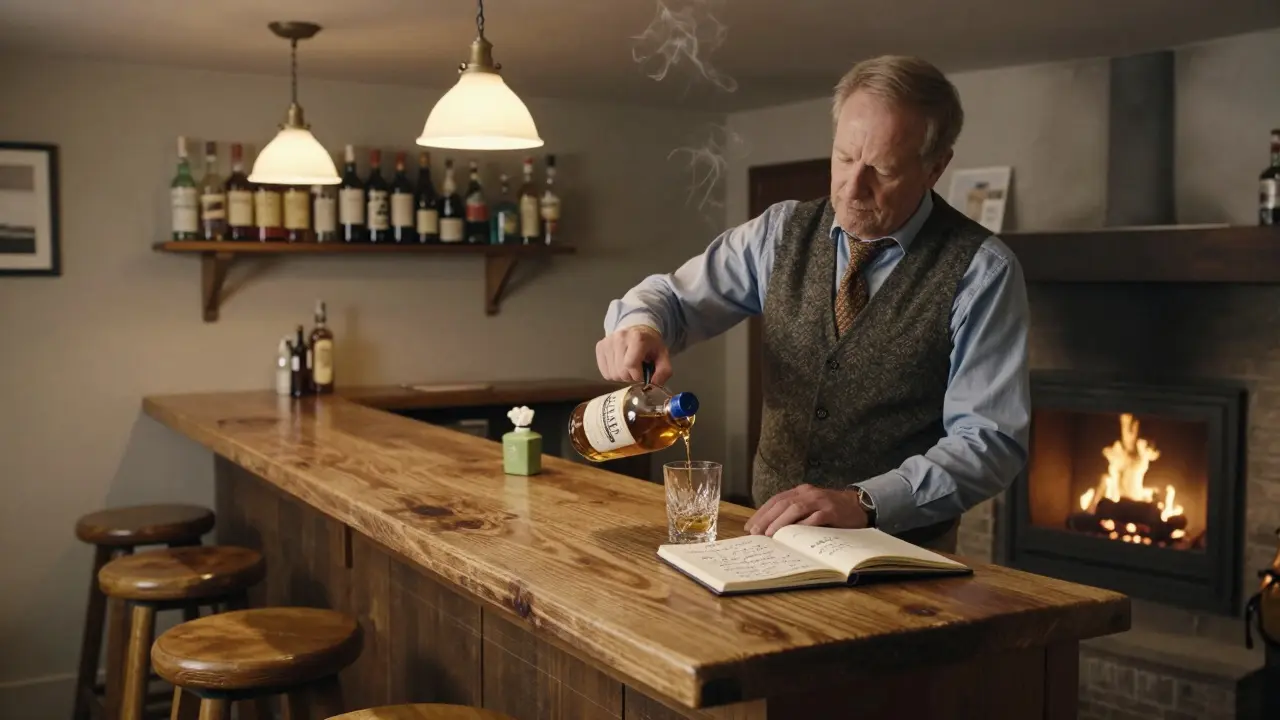
Whisky West is tucked into a basement near the Grassmarket. It’s small-only six stools-but it’s where locals go. The owner, a retired distillery manager, keeps a notebook of every guest’s favorite dram. If you mention you liked a smoky Ardbeg last time, he’ll pull out a 20-year-old Ledaig he’s been saving. The prices are fair, and the atmosphere is warm. No pretense. Just whisky and quiet.
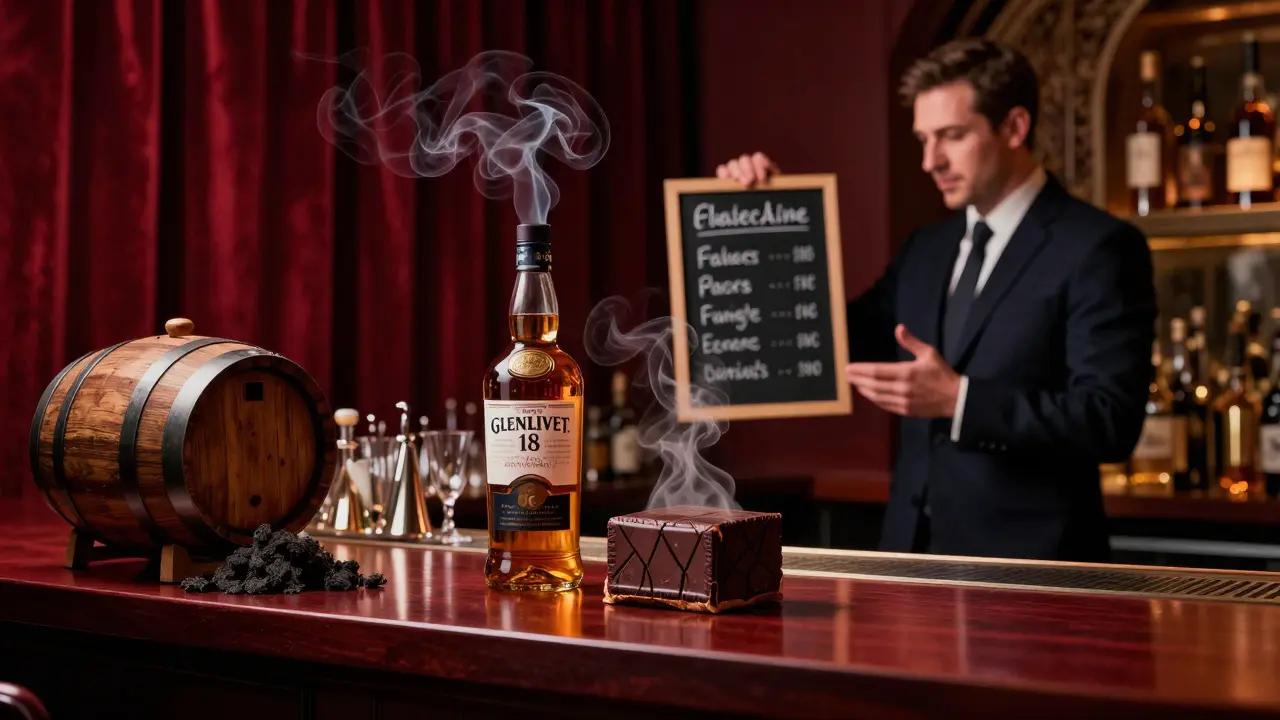
The Devil’s Advocate is the most surprising. It’s a cocktail bar that doubles as a whisky den. Their Whisky & Smoke pairing lets you choose a dram and a cigar (or a non-tobacco alternative). Try the Glenlivet 18 with a cedar-wrapped chocolate. The bar staff are trained in flavor pairing, not just pouring. They’ll tell you why the vanilla in the whisky works with dark chocolate, and how the smoke from the cigar lifts the fruit notes.
What Makes a Great Whisky Tasting Room?
Not every place with a bottle of Glenmorangie qualifies. A true tasting room has three things: expertise, selection, and space.
- Expertise: The person behind the bar should be able to tell you the cask type, the warehouse location, and how the weather in 2008 affected the maturation. They shouldn’t just recite tasting notes from a bottle label.
- Selection: Look for at least 50 bottles on offer, with at least 10 that aren’t sold in supermarkets. Rare bottlings, independent releases, and cask-strength variants are signs of depth.
- Space: You need room to breathe. A tasting room shouldn’t feel like a pub during a football match. Low lighting, quiet music, and no loud TVs are non-negotiable.
Most places in Old Town meet these standards. The ones that don’t? They’re the ones with neon signs and “Whisky Shots!” on the menu. Skip those.
When to Go and How to Plan
These rooms are busiest between 5 PM and 8 PM on weekends. If you want to avoid crowds, go on a weekday afternoon. Many offer private tastings starting at 2 PM. These cost around £45-£75 per person and include four to six drams, a notebook, and a personalized recommendation list.
Don’t try to hit all four places in one day. You’ll get overwhelmed. Pick one for a deep dive, then return later for another. The staff remember you. They’ll notice if you come back and say, “I liked the peat last time-what’s new?”
Bring cash. Many of these places don’t take cards for tastings. And wear comfortable shoes. The Old Town’s streets are steep, and you’ll be walking between rooms.
What to Expect to Pay
Prices vary by experience:
- Single dram: £8-£15 (standard bottlings)
- Flight of 3-4: £25-£40
- Private tasting (2 hours): £45-£80
- Rare bottle (50+ years): £150+ (by reservation only)
Some places include water, a tasting glass, and a small snack-like a dark chocolate square or a salted almond. That’s part of the experience. You’re not just drinking. You’re tasting with context.
What to Avoid
Don’t fall for gimmicks. If a place offers “Whisky & Pizza” or “Whisky Shots with a Chaser of Lemon,” walk away. These aren’t tasting rooms-they’re party spots.
Also avoid places that don’t let you ask questions. A good taster will say, “Tell me what you’re tasting,” not “This is smoky.” They want you to describe it. That’s how they learn what you like.
And don’t order the most expensive bottle on the list. The best dram isn’t the priciest-it’s the one that fits your palate. Start with something mid-range. Let the staff guide you.
How to Remember What You Tasted
Whisky flavors fade fast. Write down what you tasted: “smoky,” “citrus,” “oak,” “honey.” Note the ABV. If it’s over 50%, it’s cask strength. That means no water was added. It’s stronger, more intense.
Many tasting rooms give you a small notebook. Use it. Take a photo of the bottle label. Even better-ask for the distillery’s website. You can order the same bottle later.
Some people keep a whisky journal. That’s not necessary. But if you find yourself coming back to the same flavors-peat, vanilla, spice-you’re starting to understand whisky. That’s the goal.
What Comes After the Tasting
After you’ve tasted your way through Old Town, you might want to go deeper. Visit the Scotch Whisky Heritage Centre in the Cowgate. It’s a short walk down from the Royal Mile and has rotating exhibits on distilling techniques from the 1700s to today. Or take a day trip to Glenkinchie Distillery, just 15 miles outside the city. It’s one of the few Lowland distilleries open for tours.
But don’t rush. The best whisky moments happen when you sit still. Light a candle. Pour slowly. Let the aroma rise before you sip. That’s what these rooms are for-not to show off, but to slow you down.
Do I need to book a tasting in advance?
For private tastings or groups of four or more, yes-book at least 48 hours ahead. For individual tastings during the week, you can usually walk in. But on weekends, especially Friday and Saturday nights, expect a wait. Calling ahead saves time.
Can I buy whisky at these tasting rooms?
Yes, most of them sell bottles. Some have exclusive releases you can’t find anywhere else. The staff will often offer a discount if you buy the dram you just tasted. It’s common practice.
Are these places suitable for beginners?
Absolutely. The best tasting rooms don’t judge. They start with your preferences: “Do you like sweet or smoky?” From there, they guide you. Many offer a beginner’s flight with lighter, fruitier whiskies to ease you in.
Is whisky tasting expensive in Edinburgh?
It can be, but it doesn’t have to be. A single dram costs about the same as a coffee in a tourist spot. A flight of three is under £30. Compare that to a distillery tour in Speyside, which often costs £50 and includes only two drams. Edinburgh’s tasting rooms give you more flavor, more time, and more attention.
What’s the best time of year to visit?
Winter is ideal. The Old Town is quieter, the air is crisp, and whisky feels right. November to February is peak season for new releases. Many distilleries drop limited editions in December. If you’re visiting around Christmas, ask about holiday bottlings-they’re often special and only available in the city.
Final Tip: Taste Like a Local
Locals don’t swirl their whisky like wine. They don’t sniff it three times. They pour, they pause, they sip. Then they look at you and say, “What do you taste?” That’s the real test-not the price tag, not the age, not the label. It’s whether it makes you stop and think.
That’s what these rooms give you: a moment. Not a show. Not a photo op. Just whisky, and the quiet space to let it speak.
Comments (8)
-
Ian Maggs December 28, 2025
Whisky, you see, is not merely a drink-it is, in fact, a temporal artifact; a liquid chronicle of climate, cask, and human patience. Each sip, a whisper from the past-peat smoke from 1987, oak from a forest felled in ’92, the quiet sigh of a warehouse in Speyside where the humidity danced with the spirit. To taste it is to hold time itself, in a Glencairn glass. And yes, the Old Town? It’s the only place in Scotland where the stones remember more than the distillers do.

-
Nicholas Carpenter December 30, 2025
I’ve been to all four of these spots over the last three years, and this write-up nails it. The Balmoral’s Island Flight changed how I think about maritime influence in whisky. And Whisky West? I went back twice just to hear the owner’s stories. He’s got a 1978 Ledaig he’ll only pour if you’ve been there before. No joke. That’s the kind of care you can’t fake.

-
Chris Atkins December 30, 2025
Edinburgh’s whisky scene is underrated. Most people go to Speyside and miss the real magic. The vibe in those basement rooms? Pure. No loud music. No selfies. Just you, a glass, and a guy who knows his stuff. I went with my dad last winter. He hated whisky before. Now he buys bottles from Whisky West every Christmas. That’s the power of a good pour.

-
Jen Becker January 1, 2026
Overrated. All of it. You’re paying £15 for a dram that tastes like wet cardboard and regret. I’ve had better at a gas station in Glasgow.

-
Ryan Toporowski January 2, 2026
Y’all are killing it with this thread 😍 I’ve been meaning to visit Edinburgh for years and this just pushed me to book flights for November! Who’s down for a whisky crawl? I’ll bring the notebook and the snacks 🥃✨

-
Samuel Bennett January 4, 2026
Correction: The Devil’s Advocate doesn’t serve cigar alternatives. That’s a lie. They only offer tobacco. The article misrepresents their policy. Also, ‘cask-strength’ isn’t ‘no water added’-it’s ‘not diluted to bottling strength.’ You’re supposed to add water yourself. This is basic. Someone fact-checked this?

-
Rob D January 5, 2026
Listen here, you soft-bellied whisky sissies. Real men drink from the cask. You think a 1990s Bowmore is rare? I drank a 1942 Macallan in a bunker in Berlin with a guy who fought at Stalingrad. He didn’t need a notebook. He didn’t need a ‘flight.’ He just poured it straight into his whiskey flask and said, ‘This is what victory tastes like.’ You all are sipping tea with a side of pretension.

-
Franklin Hooper January 6, 2026
The notion that ‘locals don’t swirl’ is both inaccurate and aesthetically reductive. Proper nosing is foundational to appreciation. To dismiss it as performative reveals a fundamental misunderstanding of sensory evaluation. Also, the reference to ‘Glencairn glass’ is omitted in the text. A minor oversight, but one that betrays a lack of editorial rigor.
