
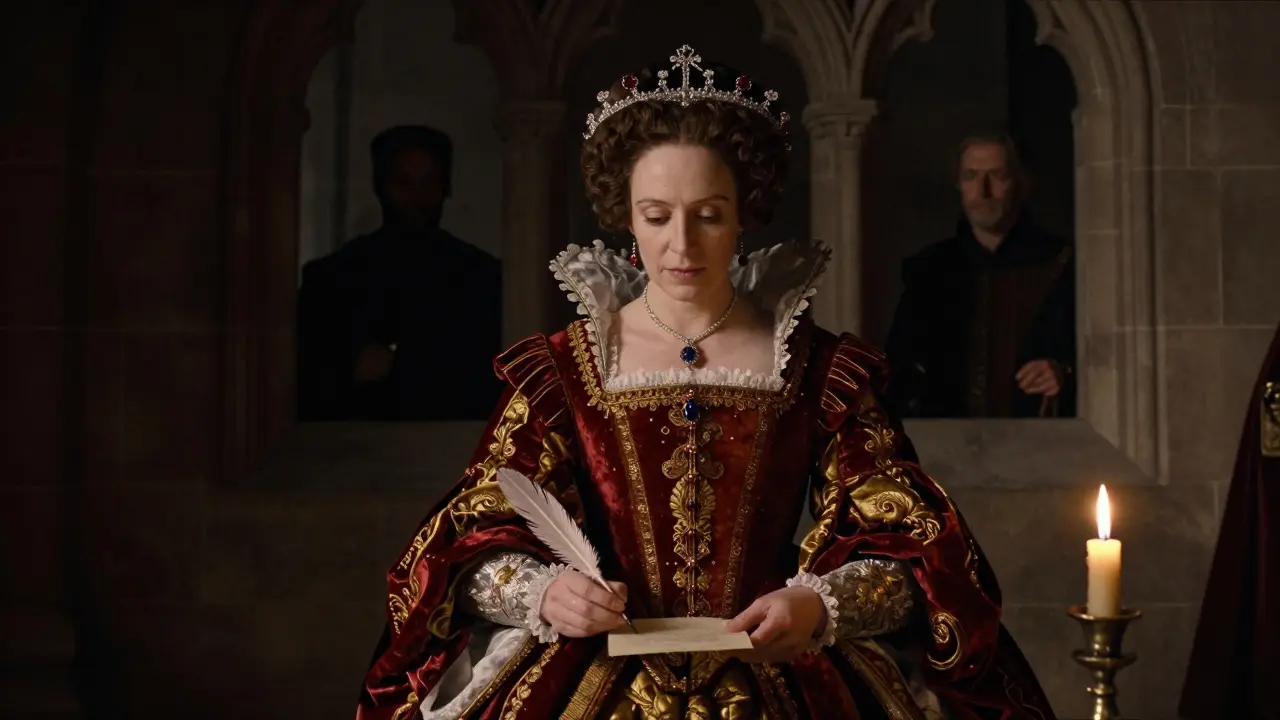
When you think of Scottish history, names like William Wallace, Robert the Bruce, or Mary, Queen of Scots often come to mind. But behind the battles and thrones, countless women shaped Scotland in quieter, just as powerful ways. They weren’t just royal figures or wives-they were scientists who broke barriers, reformers who changed laws, and leaders who defied centuries of silence. This isn’t a story of footnote mentions. It’s the real, unfiltered impact of women who refused to be erased.
Queens Who Ruled, Not Just Reigned
Mary, Queen of Scots is the most famous Scottish queen-but she wasn’t the only one who held real power. Margaret of England, wife of Malcolm III in the 11th century, didn’t just marry into royalty. She transformed Scotland’s court, bringing in Norman customs, founding churches, and pushing for church reform. Her influence helped align Scotland more closely with European religious and cultural trends.
Then there’s Mary, Queen of Scots. Her reign was short, her life tragic, but her legacy? Unshakable. She spoke six languages, ruled a kingdom under constant threat, and was a patron of the arts. Even in captivity, she wrote letters that moved kings and queens across Europe. Her execution in 1587 didn’t end her influence-it turned her into a symbol of resistance for Catholics and royalists for generations.
And let’s not forget Anne of Denmark, wife of James VI. She brought Danish culture to Scotland, hosted lavish courts, and supported theater. She commissioned masques, hired artists, and gave money to poets. Her court became a center of creativity. Without her, Shakespeare’s Macbeth might never have been staged in Scotland.
Scientists Who Changed the World
Scotland was a hotbed of scientific discovery in the 18th and 19th centuries-but most of the names you hear are men. The women? They were there, too. Jane Haldimand Marcet was one of the first to make science accessible. In 1805, she wrote Conversations on Chemistry, a book that explained complex ideas in plain language. It became a bestseller in Britain and America. Michael Faraday, the famed chemist, said her book sparked his interest in science. She didn’t have a lab, but she changed how science was taught.
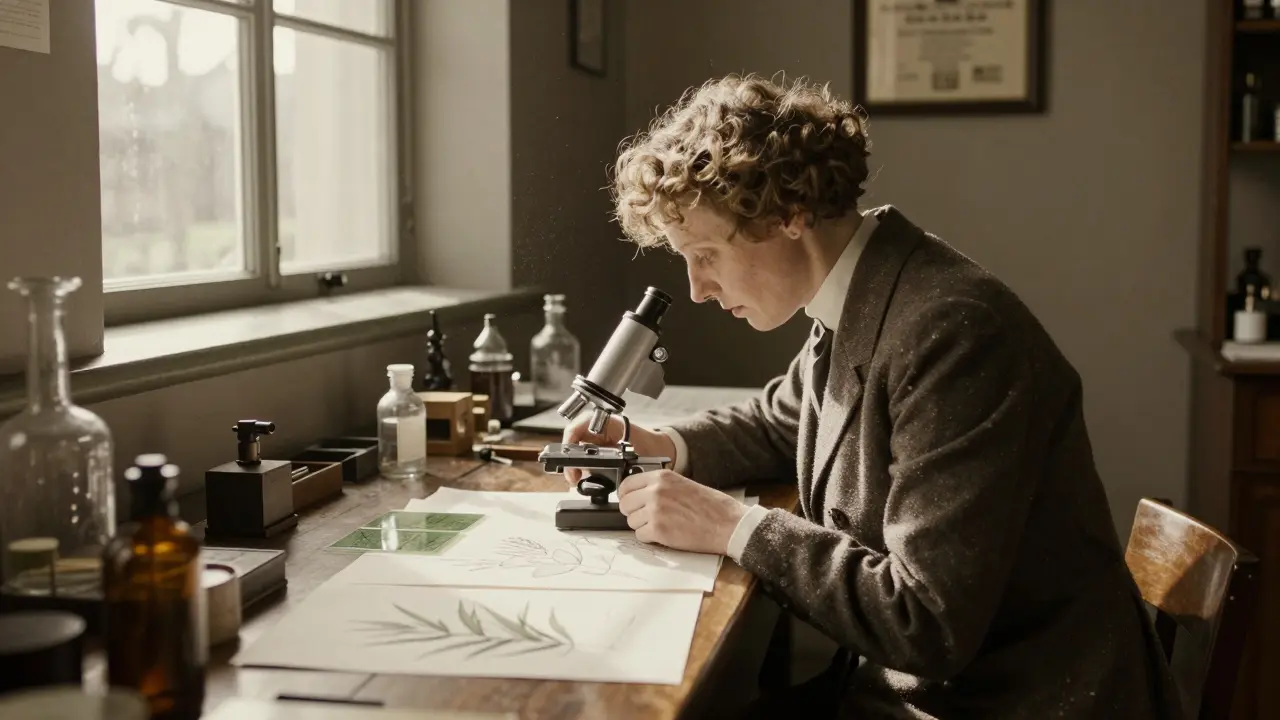
Then there’s Agnes Arber, born in London but raised in a Scottish family deeply involved in botany. She became one of the first women elected to the Royal Society in 1946. Her work on plant anatomy, especially the structure of grasses, laid the foundation for modern botany. She didn’t just collect specimens-she redefined how scientists understood plant evolution.
And in the 20th century, Mary McLeod, a physicist from Dundee, worked on early radar systems during WWII. She was one of the few women in her field at the time, often the only woman in the room. Her calculations helped improve aircraft detection accuracy. She never got the headlines, but her work saved lives.
Reformers Who Forced Change
Women didn’t wait for permission to demand justice. In the 1830s, Helen Walker led a campaign in Glasgow to end child labor in textile mills. She organized petitions, spoke at public meetings, and even confronted factory owners. Her efforts helped pass the 1833 Factory Act, which limited working hours for children under 13. She was a weaver herself-she knew the pain firsthand.
Then came Elsie Inglis. In 1914, when Britain refused to let women serve as doctors in the war, she didn’t wait. She founded the Scottish Women’s Hospitals for Foreign Service. She raised money, recruited female doctors and nurses, and sent teams to Serbia, France, and Russia. Over 1,400 women served under her leadership. She died in 1917 from cancer, but her hospitals treated over 15,000 soldiers. Her motto? “Never say die.”
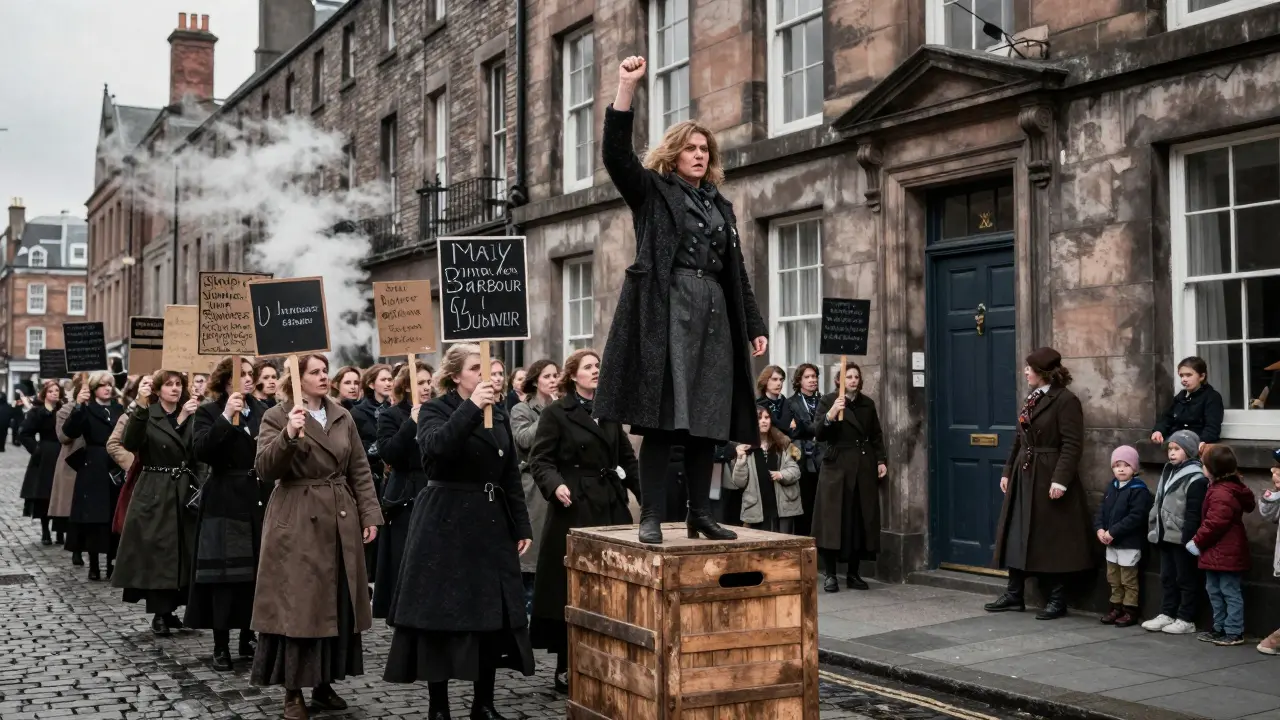
And in the 1970s, Mary Barbour led the Glasgow Rent Strike. When landlords raised rents during WWI, she organized 20,000 women to refuse to pay. They held mass protests, blocked evictions, and even smashed windows of landlords who refused to negotiate. The government had to pass the Rent Restriction Act in 1915. She was a working-class mother, not a politician-but she changed housing law in Scotland forever.
The Hidden Patterns
What connects these women? They didn’t have the same access to education, money, or power. But they used what they had-knowledge, networks, moral courage. They wrote books instead of waiting for universities to open their doors. They organized neighbors instead of asking for permission to protest. They didn’t wait for history to notice them-they made sure it couldn’t ignore them.
Many of their stories were lost because history was written by men who didn’t think their work mattered. But their impact remains. The labs they influenced, the laws they passed, the schools they inspired-all still exist today.
Why This Matters Now
When you walk through the University of Edinburgh’s Old College, you’ll see statues of philosophers and scientists. You won’t see Agnes Arber’s face. When you visit the National Museum of Scotland, you’ll find a display on the Industrial Revolution-but the women who worked the machines? Barely mentioned.
That’s changing. In 2020, the Scottish government launched a project to recognize 100 forgotten women in Scottish history. Their names are now being added to plaques, school curricula, and public archives. It’s not about replacing old stories. It’s about making the full picture visible.
History isn’t just about kings and battles. It’s about the people who made daily life possible-women who taught science, fought for justice, and ruled when no one expected them to. Their legacy isn’t locked in old books. It’s in the labs, hospitals, and schools that still carry their impact forward.
Where to Learn More
If you want to dig deeper, start with the Scottish Women’s History Archive at the University of Glasgow. It holds letters, diaries, and photos from women across centuries. The National Library of Scotland has digitized collections from reformers like Helen Walker and Elsie Inglis. Local museums in Dundee, Aberdeen, and Edinburgh now have rotating exhibits on women’s contributions-often free to visit.
You don’t need to be a scholar to care. Just look around. The hospital you visit, the school your child attends, the laws that protect workers-many of them exist because women refused to stay quiet.
Who was the first woman to lead a major scientific institution in Scotland?
Agnes Arber was the first woman elected to the Royal Society of London in 1946, and she held a research position at Cambridge University while maintaining strong ties to Scottish botanical institutions. Though she wasn’t based in Scotland for her entire career, her family roots and research collaborations with Scottish universities made her a key figure in Scottish science history. No woman held a formal leadership role in a major Scottish university science department until the 1970s, when Dr. Isobel Falconer became head of physics at the University of Edinburgh.
Did any Scottish queens rule independently without a husband?
Mary, Queen of Scots ruled in her own right from 1542 until her forced abdication in 1567. She was crowned at just nine months old and governed as monarch, not as a consort. Before her, Margaret of England acted as regent for her young son, David II, during his absence in France. While not technically ruling as queen regnant, she held full governing power. No other Scottish queen ruled independently without a husband or regent before the Union of the Crowns in 1603.
Were women allowed to attend Scottish universities in the 1800s?
No. Scottish universities didn’t admit women as full students until the 1890s. The University of Edinburgh opened its doors to women in 1892, followed by Glasgow and Aberdeen shortly after. Before that, women could attend lectures unofficially or study through private tutors. Many, like Jane Haldimand Marcet, learned science through books and correspondence because formal education was blocked to them.
How did women like Mary Barbour organize mass protests without social media?
They used word of mouth, church networks, and local newspapers. Mary Barbour held meetings in tenements, passed notes between neighbors, and organized women’s committees in every district of Glasgow. They used the church bell to signal protest times. When landlords tried to evict families, women would form human chains outside homes. Their strength came from community trust-not technology.
Why aren’t these women better known in Scottish schools?
Traditional history curricula focused on male leaders, wars, and politics. Women’s contributions were seen as secondary, even when they were central. But since 2018, the Scottish Curriculum for Excellence has pushed for more inclusive history. Textbooks now include figures like Elsie Inglis and Mary Barbour. Many schools have started local history projects where students research forgotten women from their own towns.