
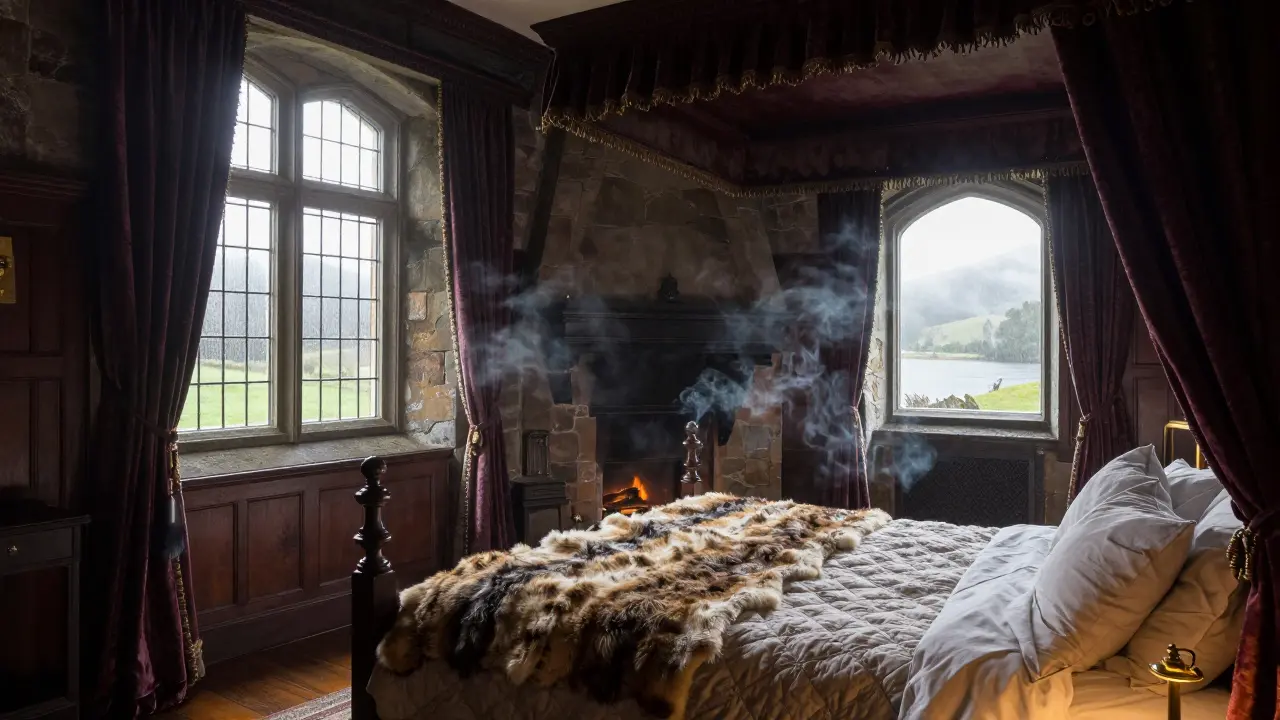
Imagine waking up in a stone tower built in 1300, rain tapping on leaded glass windows, the scent of woodsmoke still hanging in the air. Outside, mist curls over lochs and ancient oaks. This isn’t a movie set. It’s a night spent in one of Scotland’s restored castle hotels - where history isn’t just displayed behind glass, it’s under your feet and above your head.
Why Scotland’s Castle Hotels Are Different
Scotland has over 1,000 castles. Most are ruins. A few are still lived in by nobility. But only about 40 have been turned into hotels - and each one tells a different story. These aren’t just old buildings with Wi-Fi. They’ve been carefully restored to keep their soul while adding modern comfort. You’ll find heated stone floors, en-suite bathrooms hidden behind tapestries, and fireplaces big enough to roast a whole hog - but you won’t find plastic minibars or generic hotel art.Take Castle of Mey in Caithness. Once owned by the Queen Mother, it was saved from decay in the 1950s. Today, guests sleep in rooms where she once sipped tea. The original oak panelling still creaks the same way. The gardens? Still tended by the same family who’ve gardened there since 1952.
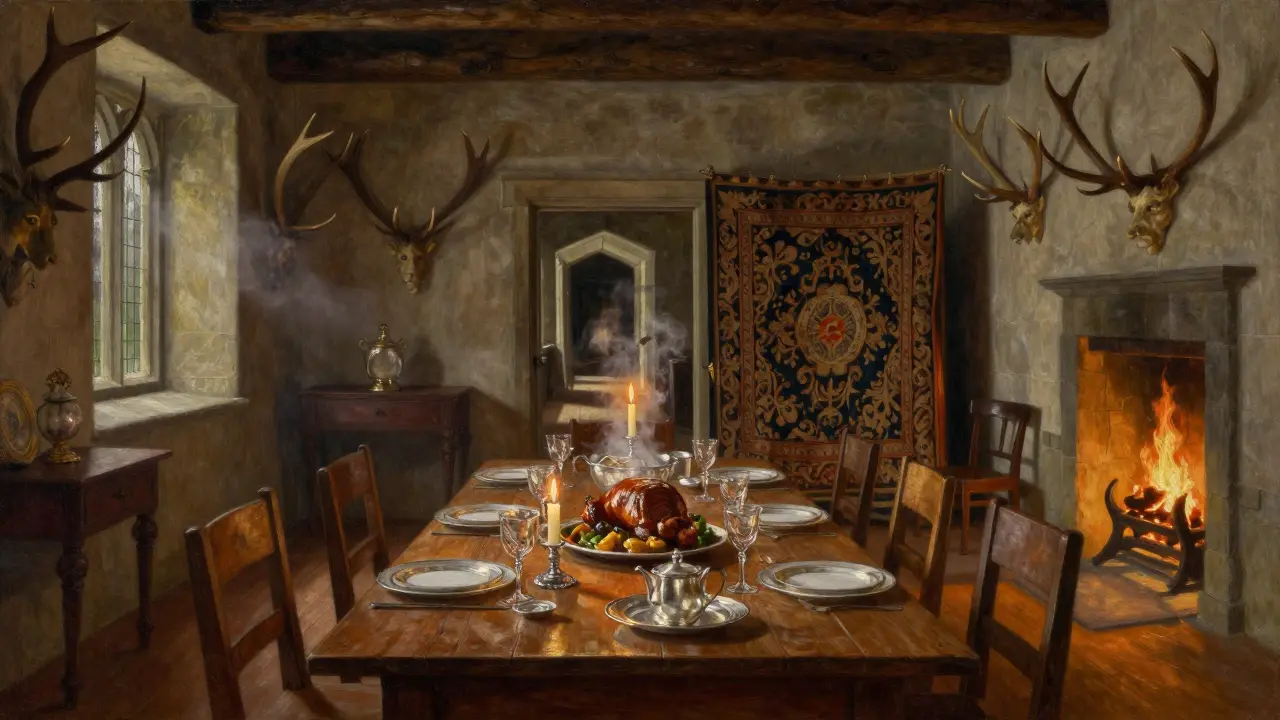
Compare that to Baronial Hall in Perthshire - a 17th-century hunting lodge turned boutique hotel. Here, the walls are lined with antlers from deer hunted by the original lairds. The dining room still uses the same silver service from 1887. No two castle hotels are alike. Each one carries the fingerprints of its past owners, from feuding clans to Victorian industrialists.
What You’ll Actually Experience
Staying in a Scottish castle isn’t about luxury for luxury’s sake. It’s about immersion. You don’t just see history - you live it.- You’ll eat meals in the same dining hall where clan chiefs once toasted victory - often with locally foraged venison, wild salmon from the Spey, and whisky distilled just miles away.
- You’ll walk the same corridors where soldiers once stood guard, now lit by restored iron lanterns and warmed by underfloor heating you didn’t know was there.
- You’ll hear the wind whistle through arrow slits turned into windows - and sometimes, if you’re lucky, the distant cry of a red deer from the hills.
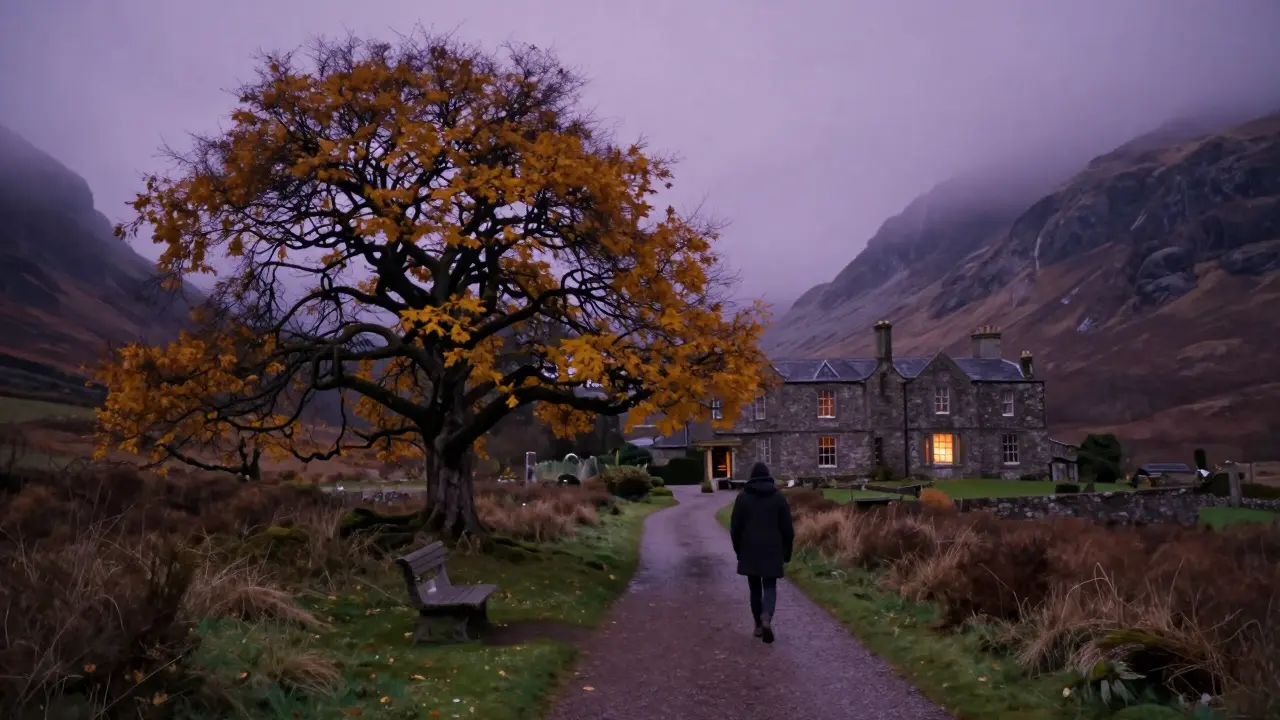
At Glencoe House, a 19th-century mansion nestled between the mountains, guests are given a map to the original estate paths. One trail leads to a hidden waterfall where the last laird used to bathe. Another ends at a stone bench where a poet once wrote verses while watching the mist roll in.
And yes - some places still have ghost stories. At Crathes Castle, staff won’t deny the sound of footsteps in the empty west wing after midnight. The castle’s 16th-century keep doesn’t have a ghost tour. But if you ask nicely, they’ll tell you who lived there - and what they might still be doing.
How to Pick the Right One
Not all castle hotels are the same. Some are grand palaces. Others feel like staying in a rich relative’s country home. Here’s how to choose based on what you want.| Style | Best For | Example Properties |
|---|---|---|
| Grand Palace | Special occasions, couples, luxury seekers | Edinburgh’s Thistle Hotel (converted from a 15th-century tower), Castle of Mey |
| Cozy Manor | Small groups, families, quiet retreats | Baronial Hall, Glencoe House |
| Fortress Experience | History buffs, solo travelers, photographers | Crathes Castle, Dunnottar Castle (partial stay) |
| Modern Twist | Design lovers, couples wanting privacy | Armadale Castle (on Skye), Drummond Castle Gardens |
If you want to feel like royalty, go for a palace-style stay. If you want to feel like you’ve been invited to a family gathering in a centuries-old home, pick a manor. And if you’re here for the atmosphere - the cold stone, the creaking stairs, the silence broken only by the wind - then choose a fortress.
What to Pack (Seriously)
Don’t assume these are regular hotels. You’re staying in a building that predates indoor plumbing. Some still use wood-burning stoves. Others have no elevators. Here’s what you actually need:- Sturdy walking shoes - many paths are uneven, cobbled, or muddy. No flip-flops.
- A light jacket - even in summer, castles are cold. Stone holds chill.
- A book or journal - no one’s going to stop you from reading by candlelight in the library.
- A small flashlight - some corridors are dim, and the power can flicker during storms.
- Patience - Wi-Fi might be slow. The bath might be in a separate wing. The breakfast might come at 8:30 sharp because the chef starts at dawn.
And leave the designer luggage behind. Many doorways are narrow. You’ll be glad you packed light.
When to Go
Spring (April-June) is quiet. The gardens bloom. The mist lifts by noon. It’s the best time for photos and long walks without crowds.Summer (July-August) is busy. Book 6-12 months ahead. You’ll pay more, but you’ll get long daylight hours - perfect for exploring nearby ruins like Eilean Donan or Urquhart Castle.
Autumn (September-October) is magical. The leaves turn crimson. The air smells of peat smoke. Many castles offer whisky tastings and harvest dinners.
Winter (November-March) is the most atmospheric. Snow blankets the turrets. Fireplaces glow all day. But some castles close. Only a handful, like Drumlanrig Castle, stay open with themed events - think candlelit dinners and ghost stories by the hearth.
Real Guests, Real Stories
I met a couple from Texas at Castle of Mey last October. They’d saved for five years just to spend one night there. The wife told me she’d read about it in a 1998 travel magazine. She’d clipped the article and kept it in her wallet. When they checked in, the manager handed them a letter written by the Queen Mother in 1962 - found in the archives - addressed to “future guests.” They cried.Another time, a man from Glasgow stayed at Crathes Castle alone. He said his grandfather had been a gamekeeper there in the 1930s. He asked if he could walk the old hunting trail. The staff let him. He came back two hours later, silent. He just said, “He used to sit right there, under the yew tree.” He never said more.
That’s the thing about these places. They don’t just hold history. They hold memory.
What You Won’t Find
Don’t expect spa pools in every room. Don’t expect room service at midnight. Don’t expect to check out at 11 a.m. and get a free taxi to the airport. These aren’t chain hotels. They’re living homes - and the staff treat them that way.Some places have no air conditioning. Others have no TV. One hotel in Aberdeenshire still uses a hand-cranked bell to call the staff. The owner says, “If you want Netflix, go to a B&B. Here, you get the silence between the stones.”
That’s the trade-off. You give up convenience. You gain something deeper.
How to Book
Book directly through the castle’s website. Third-party sites often list outdated prices or cancel last-minute. Many castle hotels only take 10-20 guests per night. Rooms sell out fast - especially during Highland games season or around Hogmanay.Call if you have special requests. Want a room with a view of the loch? Need a late check-out after a wedding? Ask. The staff remember names. They’ll find a way.
And don’t be afraid to ask for a tour. Most castles offer free 15-minute guided walks for guests. You’ll hear stories no guidebook has.
Final Thought
Sleeping in a Scottish castle isn’t about bragging rights. It’s about feeling connected - to the land, to the people who lived here, to the quiet weight of centuries. You’ll leave with photos, yes. But more than that, you’ll leave with a sense of place you didn’t know you were missing.These aren’t just hotels. They’re time machines with hot water and good tea.
Are castle hotels in Scotland expensive?
Prices vary widely. A night in a smaller manor house can start at £250. Grand palaces like Castle of Mey or Drumlanrig can cost £800 or more. But many offer midweek discounts, off-season rates, or packages that include dinner and whisky tasting. It’s often cheaper than a luxury city hotel in Edinburgh or Glasgow - and infinitely more memorable.
Can families stay in castle hotels?
Yes - but not all are ideal for young kids. Some castles have narrow staircases, no elevators, or fragile antiques. Others, like Glencoe House or Baronial Hall, welcome families with play areas, board games, and even kids’ menus featuring haggis bites and shortbread. Always ask ahead.
Do castle hotels have Wi-Fi?
Most do - but it’s often slow or limited to common areas. The priority is preserving the building’s integrity, not streaming 4K videos. If you need strong, reliable internet for work, book a place that advertises it clearly. Many don’t.
Are castle hotels wheelchair accessible?
Limited. Many castles are centuries old with steep stairs, uneven floors, and narrow doorways. A few, like Drumlanrig and Argyll’s Inn, have adapted rooms and ramps. Always call ahead. Staff are honest - and will tell you what’s possible.
Can I visit the castle without staying overnight?
Sometimes. Some castles, like Crathes and Drumlanrig, offer daytime tours for non-guests. Others, especially private manors, only open to guests. Check their website or call. Even if you can’t stay, a guided tour can be worth it - especially in autumn.
Comments (8)
-
Karl Fisher January 13, 2026
Let me tell you, nothing compares to waking up in a 700-year-old stone tower while the mist rolls over the Highlands like a ghostly velvet curtain. I stayed at Castle of Mey last autumn and the Queen Mother’s tea set was still on the table-just waiting. I sipped from it. I swear I felt her presence. The creaking floorboards? That’s not age, that’s legacy. I cried when I left. Not because it was expensive-though yes, £700 a night-but because I realized I’d never felt so deeply connected to time before. This isn’t a hotel. It’s a sacred space.
And don’t even get me started on the silence. No Wi-Fi? Perfect. I read Keats by candlelight. My soul needed that.
PS: The staff gave me a handwritten note from 1962. I still have it framed above my bed in Brooklyn.

-
Buddy Faith January 14, 2026They say the ghosts are real but really it’s the government using the castles to test mind control via ancient stone resonance and low frequency wind patterns in arrow slits. I know this because my cousin worked at Bletchley and he said the same tech was used in the 50s to make people believe in fairies. You think you’re feeling history? You’re being programmed.

-
Scott Perlman January 15, 2026This made me want to book a trip right now. Sometimes you just need to step away from the noise and sit in a place that’s seen centuries of life. Sounds like pure magic.

-
Michael Gradwell January 15, 2026You people act like staying in a castle is some spiritual awakening but honestly you’re just paying to sleep in a drafty museum with overpriced haggis. The ‘candlelight reading’? You’re just avoiding the Wi-Fi because your phone can’t handle slow internet. And the ‘ghost stories’? That’s just the staff trying to upsell a £40 whisky tasting. Wake up. You’re not living history. You’re paying for a themed Airbnb.

-
Flannery Smail January 15, 2026I went to Crathes last year. The footsteps at night? Probably just the heating system. The ‘poet’s bench’? It’s right next to the porta-potty they used during renovations. They just rebranded it as ‘romantic’.

-
Emmanuel Sadi January 17, 2026You’re all romanticizing poverty. These castles were built on the backs of serfs who starved while lairds ate venison. Now you pay £800 to sleep where they suffered? That’s not immersion. That’s colonial nostalgia with a luxury spa. And don’t even get me started on the ‘no air conditioning’-it’s not charm, it’s neglect dressed up as heritage.

-
Nicholas Carpenter January 19, 2026
I loved how the post didn’t sugarcoat it. No elevators. No room service. But that’s the point. You’re not staying in a hotel-you’re staying in a story. I brought my 12-year-old daughter and she spent two hours tracing the carvings on the banister. She asked if the people who lived there ever got bored. I didn’t know how to answer.
She’s been drawing castles ever since.
And yes, the Wi-Fi was slow. But we didn’t miss it. We played cards by the fire. She fell asleep listening to the wind. I think that’s more valuable than any five-star resort.
Just bring warm socks. And maybe a book. And leave your expectations at the gate.

-
Jess Ciro January 19, 2026The Queen Mother’s letter? Total fabrication. They print fake letters for guests who pay extra. I know because I worked at a castle hotel in Perthshire for three years. The ‘original silver service’? Replicas. The ‘gardener since 1952’? His grandson. They even script the ghost stories. You think you’re connecting with history? You’re paying for a Broadway show with stone walls.
