
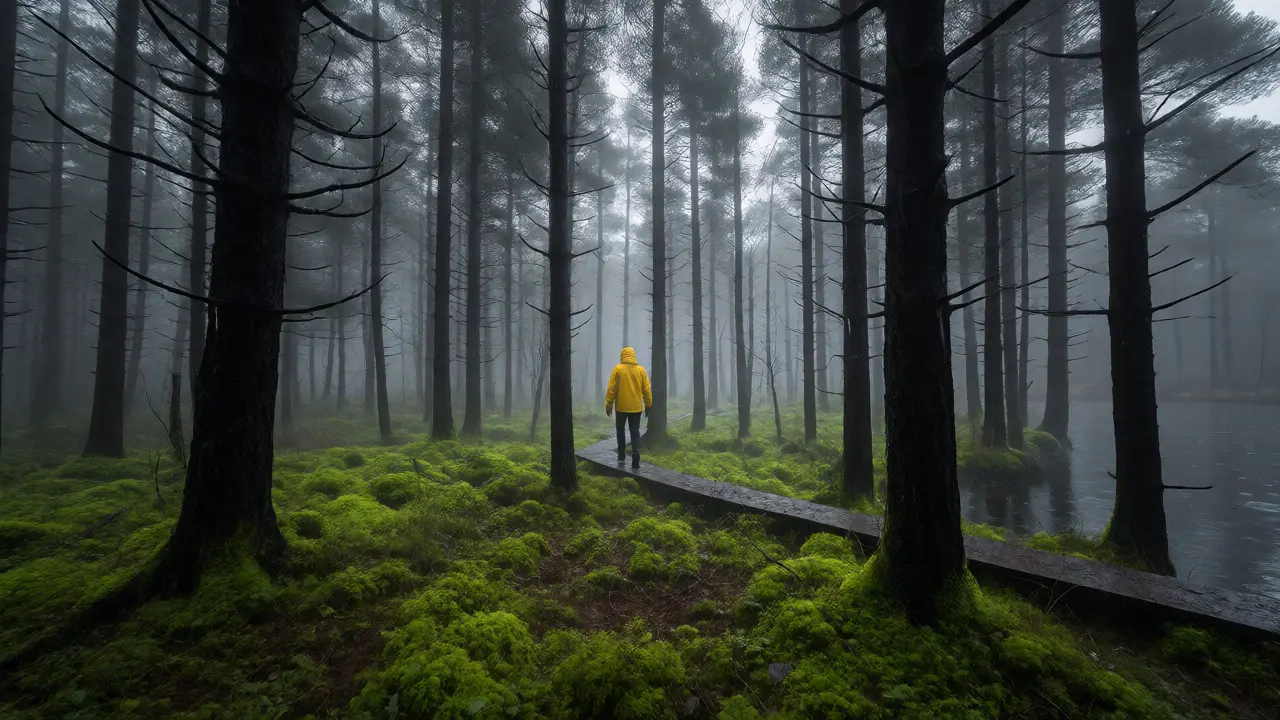
You know that feeling when the forecast says "heavy rain" and you immediately cancel your plans? I used to do that too. But living here in Dundee for the last decade has taught me a different lesson: rainy day nature in Scotland is actually better than sunny day nature. Why? Because the mist clings to the trees, the moss glows an electric green, and the waterfalls-usually just polite trickles in summer-turn into roaring beasts of white water.
If you are visiting or just looking for something to do this November without sitting in a pub all day, grab your waterproofs. The drizzle isn't a barrier; it's an invitation. Here is how to make the most of our wettest season by exploring the forests and chasing the falls.
Why Rain Changes the Game
Sunlight creates harsh shadows and dries out the landscape. In Scotland, the sun often makes the heather look brown and the bracken brittle. Rain does the opposite. It saturates the peat, which smells like ancient earth, and it wakes up the fungi networks. You will see more mushrooms, more lichen, and significantly more wildlife activity on damp days. Deer move quietly through the dripping ferns, and red squirrels are easier to spot because they are foraging actively rather than hiding from the heat.
Plus, let’s be honest about the crowds. On a rare sunny Tuesday in July, Glencoe looks like a queue at a theme park. On a rainy Wednesday in November? You might have the entire trail to yourself. That solitude is worth every drop of rain on your hood.
Best Forest Trails for Wet Weather
Not all forests are created equal when it rains. Some turn into mud pits that ruin your boots. Others, particularly those with boardwalks or well-drained pine needles, stay surprisingly pleasant. Here are three spots near my home base that shine when the sky opens up.
Aberfeldy Forest Park is a fantastic starting point if you are coming from Perthshire. It’s managed by Forestry and Land Scotland, which means the paths are generally well-maintained. The mixed woodland features native Scots Pine and birch, creating a cathedral-like canopy that blocks some of the direct downpour. The loops here are gentle enough that slipping isn’t a major risk, provided you wear decent grip shoes. The air quality is crisp, and the sound of rain hitting the pine needles is one of the most soothing noises you’ll ever hear.
Further north, Glen Affric offers a more rugged experience. Known as one of the most beautiful glens in Scotland, its Caledonian pinewood is magical in the rain. The ancient forest floor is covered in thick moss that acts like a sponge, keeping your feet relatively dry even after hours of walking. Be careful near the lochs, though. The banks can get slippery, and the wind funnels through the glen, so layer up properly.
For those closer to the Central Belt, Culbin Meadows and Loch Garten in Abernethy Forest is unbeatable. This area is famous for ospreys, but in winter, it’s about the quiet beauty of the bog and the pines. The boardwalks over the peat bogs are essential here-they keep you off the sucking mud and give you a unique perspective on the wetland ecosystem. Watching the rain ripple across Loch Garten while surrounded by black pine is a photographer’s dream.
Chasing Waterfalls When They’re Angry
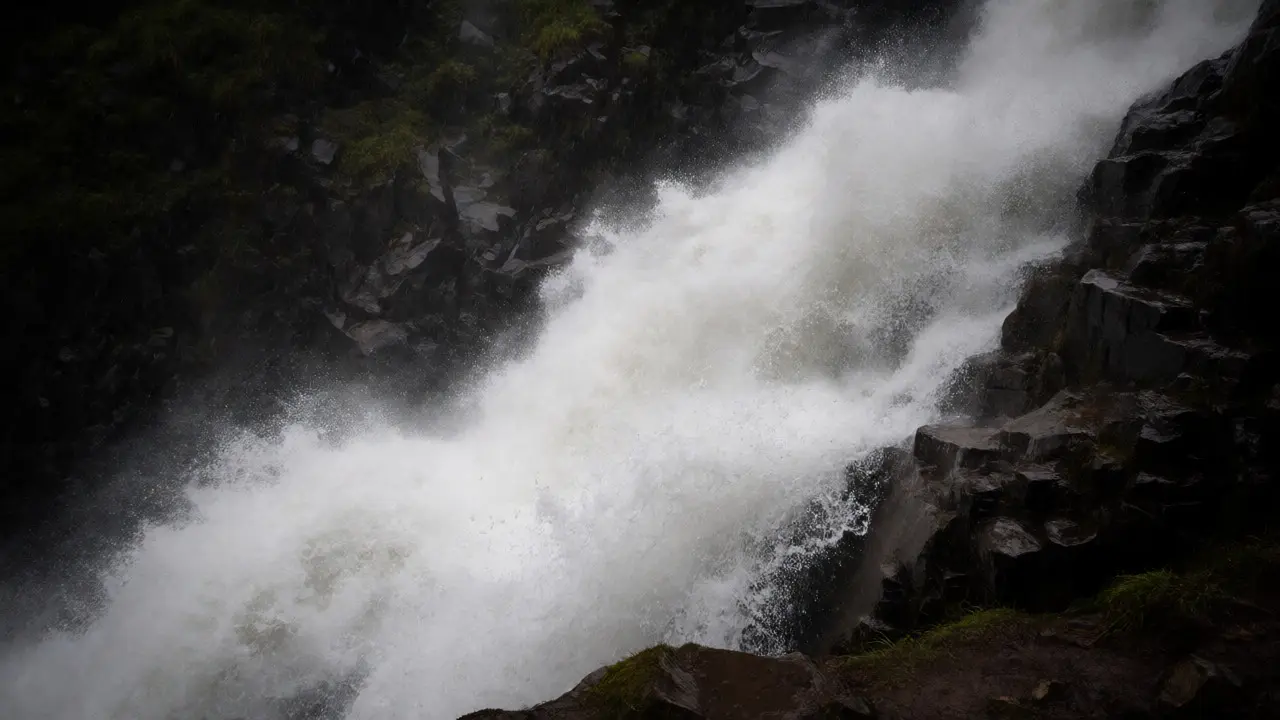
In summer, many Scottish waterfalls are underwhelming. A trickle over a rock doesn’t inspire much awe. But put 50mm of rain on the hills upstream, and those same rocks become thundering cascades. The power of moving water is best experienced in wet conditions, provided you respect safety boundaries.
Steall Falls in Glen Nevis is the classic example. During dry spells, it’s a nice hike. After heavy rain, it’s a monster. The spray reaches halfway up the valley wall. If you go, wear goggles or a face shield if you plan to get close, because the mist feels like being hit by a hosepipe. The path to the base gets very muddy, so trekking poles are highly recommended for stability.
For something less touristy but equally dramatic, try Falls of Bruar near Blair Atholl. These falls are steeped in literary history-Robert Burns wrote about them-but in the rain, they are pure drama. The river rushes down a narrow gorge, bouncing off granite boulders. The viewing platforms are safe, but the sound is deafening. It’s a great place to practice long-exposure photography because the low light levels from the cloud cover allow for slower shutter speeds without needing heavy ND filters.
| Waterfall Name | Location | Rain Impact | Access Difficulty |
|---|---|---|---|
| Steall Falls | Glen Nevis, Fort William | High volume, significant spray | Moderate (muddy path) |
| Falls of Bruar | Blair Atholl, Perthshire | Powerful cascade, high noise | Easy (boardwalks) |
| Corran Falls | Glen Coe | Dramatic against dark basalt | Hard (steep terrain) |
| Grey Mare's Tail | Upper Eskdale, Borders | Vertical plunge becomes intense | Moderate (rocky steps) |
Gear Up: What Actually Works
I’ve made the mistake of wearing jeans on a wet walk. Never again. Cotton holds water against your skin and sucks the heat right out of your body. In Scotland, hypothermia can creep in at 10°C if you’re wet and windy. You need layers that breathe.
- Base Layer: Merino wool is king. It stays warm even when wet and doesn’t smell as bad as synthetic fabrics after a few days. Avoid cotton entirely.
- Mid Layer: A fleece or lightweight down jacket. Down loses insulation when wet, so if it’s pouring, stick to synthetic fill or fleece.
- Outer Shell: Your jacket needs taped seams and a good hood. Look for a hydrostatic head rating of at least 10,000mm. If your jacket soaks through, you’re just carrying extra weight.
- Footwear: Waterproof boots with Gore-Tex lining are standard, but don’t forget the socks. Thick merino hiking socks prevent blisters better than thin ones. Also, check your boot tread. Smooth soles on wet granite are like ice skates.
One thing people forget is their camera or phone. Rain droplets on a lens ruin photos instantly. Bring a microfiber cloth and keep it in a ziplock bag. For serious photographers, a rain cover for your camera body is cheap insurance against expensive repairs.
Photography Tips for Grey Skies
People complain about flat lighting on cloudy days, but for nature photography, it’s ideal. Direct sunlight creates blown-out highlights and deep, black shadows. Cloud cover acts as a giant softbox. Colors pop because there’s no glare. Moss looks greener, bark looks richer, and water flows smoother in long exposures.
To capture the motion of a waterfall, use a tripod. Even if you think you have steady hands, a 1-second exposure will blur. Set your ISO to 100, aperture to f/16, and let the shutter speed drag until it reads around 1/4 second. This turns the water into silk. If it’s too bright, use a neutral density filter. If you don’t have one, shoot in RAW and pull down the highlights in post-production.
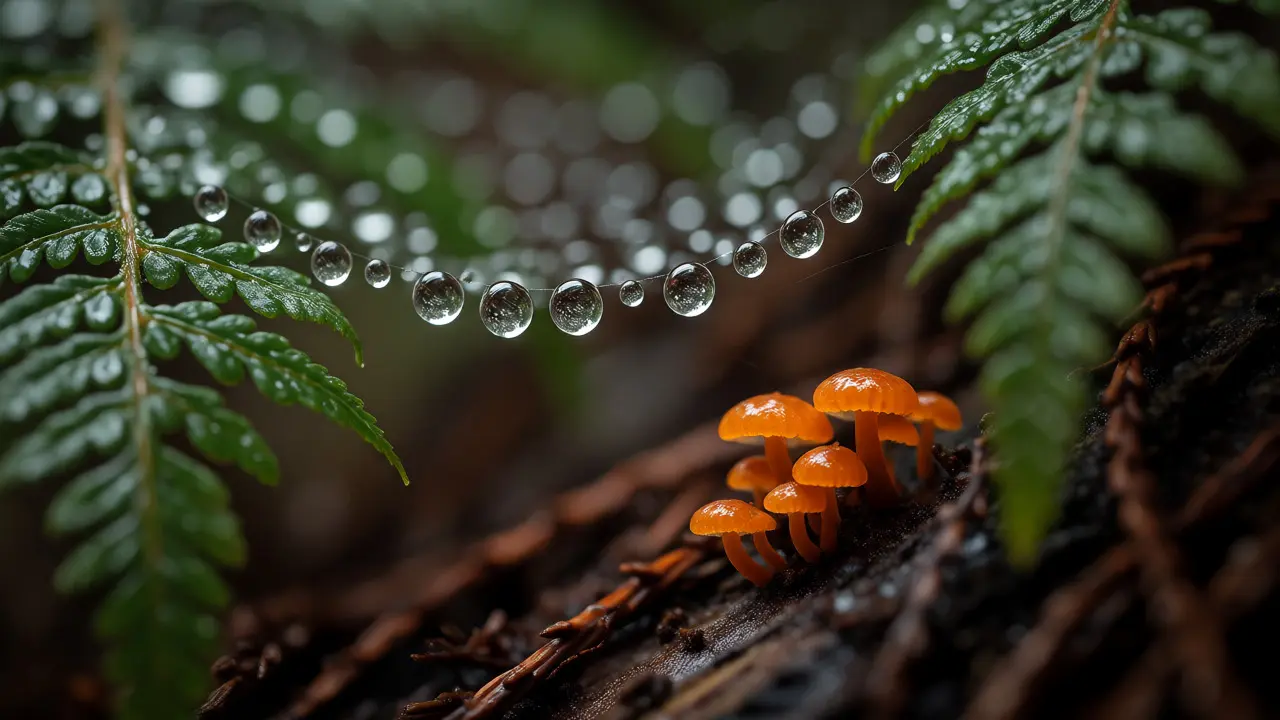
Look for details. Macro shots of raindrops on spiderwebs or fern fronds work brilliantly in macro mode on your phone. The background bokeh from the blurred forest creates a dreamy effect that you just can’t get on a sunny day.
Safety First: Mud, Wind, and Visibility
Wet weather brings specific hazards. Mud hides holes and roots, leading to twisted ankles. Stick to marked trails. If a path looks like a river, don’t cross it unless you’re sure of the footing. River levels rise fast in the Highlands due to flash flooding from hill runoff. Check local forecasts before heading out, especially if you’re near smaller burns (streams) that swell quickly.
Visibility drops rapidly in mist. In places like Cairngorms or Glencoe, fog can roll in within minutes. Carry a compass and know how to use it. GPS batteries die faster in cold, wet weather, so keep your phone in an inside pocket close to your body heat. Tell someone where you’re going and when you expect to return.
The Post-Walk Reward
No rainy day walk in Scotland is complete without a hot drink and a scone. There’s a cultural ritual to it. Find a bothy if you’re remote, or a village café if you’re near civilization. The contrast between the cold, wet outside and the warm, dry inside releases endorphins. It’s why locals love these walks despite the weather. We endure the rain for the reward.
So next time the forecast predicts showers, don’t stay indoors. Put on your boots, pack a flask of tea, and head for the nearest forest. The trees don’t mind the rain. Neither should you.
Is it safe to hike in Scottish forests during heavy rain?
Yes, generally it is safe, provided you stick to established trails and avoid steep, exposed ridges. Heavy rain can make paths muddy and slippery, so proper footwear with good grip is essential. Always check for flood warnings if you plan to cross streams, as water levels can rise rapidly in upland areas.
What is the best clothing for a rainy day walk in Scotland?
Avoid cotton completely. Wear a moisture-wicking merino wool base layer, a fleece mid-layer for warmth, and a waterproof breathable outer shell with taped seams. Waterproof trousers and sturdy hiking boots with Gore-Tex lining are crucial. Don't forget a hat and gloves, as temperatures can drop quickly when wet.
Which waterfalls are best to visit in wet weather?
Steall Falls in Glen Nevis and Falls of Bruar in Perthshire are excellent choices. They transform from modest streams into powerful cascades after heavy rain. Corran Falls in Glen Coe also provides a dramatic visual against the dark rock formations when the water flow is high. Always maintain a safe distance from the edge due to slippery surfaces.
How does rain affect wildlife spotting in Scottish forests?
Rain often increases wildlife activity. Red squirrels are more visible as they forage for food, and deer tend to move more quietly through the vegetation. Birdsong may decrease slightly, but the overall biodiversity appears more vibrant, with fungi and mosses thriving. However, visibility can be reduced by mist, so patience and quiet movement are key.
Can I take photos in the rain without damaging my camera?
Most modern DSLRs and mirrorless cameras are weather-sealed, but not waterproof. Use a rain cover or a plastic bag with a hole cut for the lens. Keep a microfiber cloth handy to wipe droplets from the front element. Change lenses quickly and away from direct rain to prevent moisture entering the sensor chamber.