
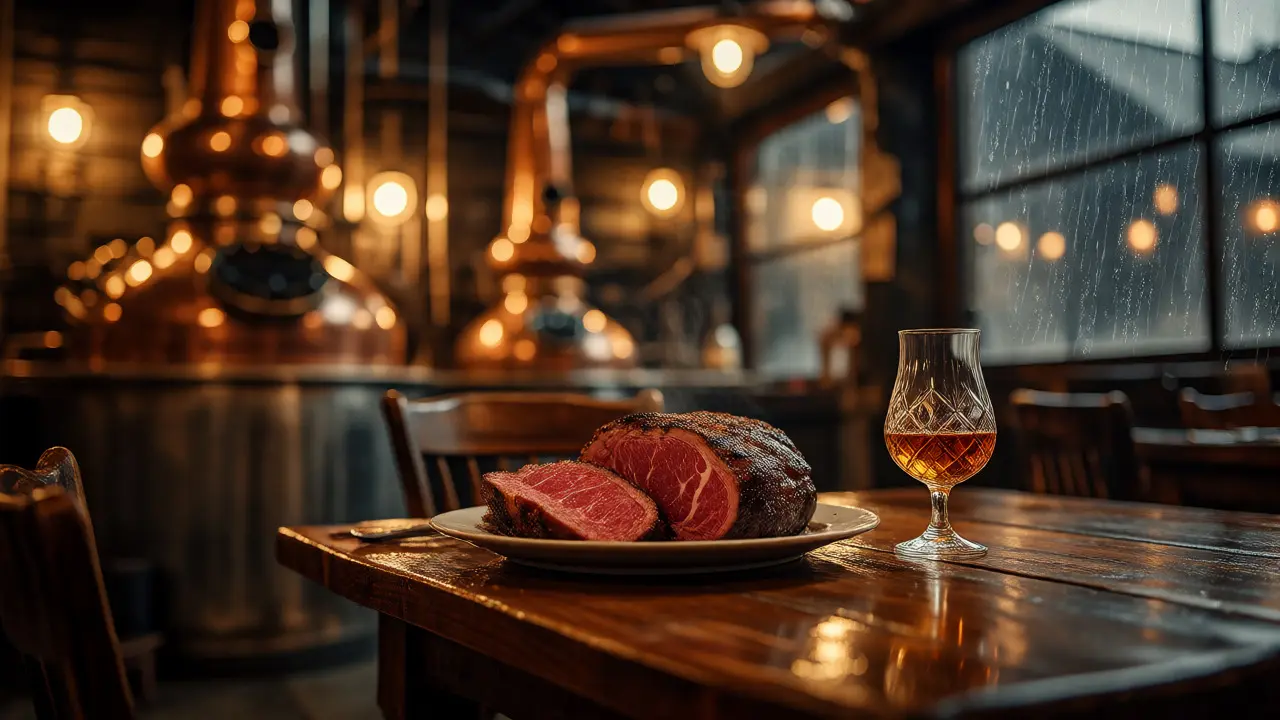
You’ve done the tour. You’ve smelled the peat smoke, watched the copper stills gleam under the lights, and maybe even tasted a dram straight from the cask. But then you’re hungry. And here’s the thing: most people treat the restaurant at a Scottish distillery as an afterthought-a place to grab a sandwich before driving home. That’s a mistake. The best distilleries in Scotland have quietly become some of the country’s finest dining destinations, where the kitchen menu is built specifically to unlock the flavors in the glass.
If you are planning a trip up north or down the coast, you need to know which places actually serve proper food that complements the whisky, rather than just filling your stomach with haggis crisps. This isn’t about tourist traps with rubbery chicken. It’s about intentional pairings, local sourcing, and the kind of hospitality that makes you stay for three courses instead of one.
The Art of Matching Malt and Meal
Why bother with specific pairings? Because alcohol changes how we taste food. High alcohol content can burn delicate flavors, while tannins (less common in whisky but present in sherry-cask finishes) can clash with certain proteins. A good whisky food pairing isn’t magic; it’s chemistry. You want to match weight with weight. A light, floral Lowland single malt gets crushed by a heavy venison stew. Conversely, a smoky Islay Lagavulin will obliterate a delicate scallop ceviche unless there’s enough fat or sweetness to bridge the gap.
Think of it like wine pairing, but with more heat and less acidity. When you sit down at a distillery restaurant, ask the chef or sommelier what they recommend. They aren’t guessing. At places like Glenfiddich in Dufftown, the menus often rotate based on the season and the specific expressions being featured. If you’re tasting a 15-year-old Solera Reserve, which has notes of dried fruit and spice, they might steer you toward a game terrine or a dark chocolate dessert. It works because the oak-derived vanillin in the whisky mirrors the cocoa butter in the chocolate.
Highland Heavyweights: Where Food Takes Center Stage
The Highlands offer the widest variety of culinary experiences attached to distilleries. Start with Aberlour. Their visitor center recently underwent a massive renovation, not just for the tours, but for the dining room. The focus here is hyper-local. We’re talking Aberdeen Angus beef sourced within ten miles of the stillhouse, paired with their double-matured Aberlour A’bunadh. The high alcohol proof of the cask-strength whisky cuts through the rich marbling of the beef perfectly. It’s robust, hearty, and exactly what you want when the Highland rain is lashing against the windows.
Then there’s Dalwhinnie, perched high in the Cairngorms. Don’t let the remote location fool you into expecting pub grub. Their restaurant focuses on gentle, sweet profiles that mirror the honeyed notes of their signature Dalwhinnie 15. Try their lamb shoulder if it’s on the menu. The slow-roasted meat pairs beautifully with the subtle orchard fruit notes in the spirit. It’s a quieter experience, more about savoring the silence and the flavor than the buzz of a city bar.
Islay Intensity: Smoke Needs Substance
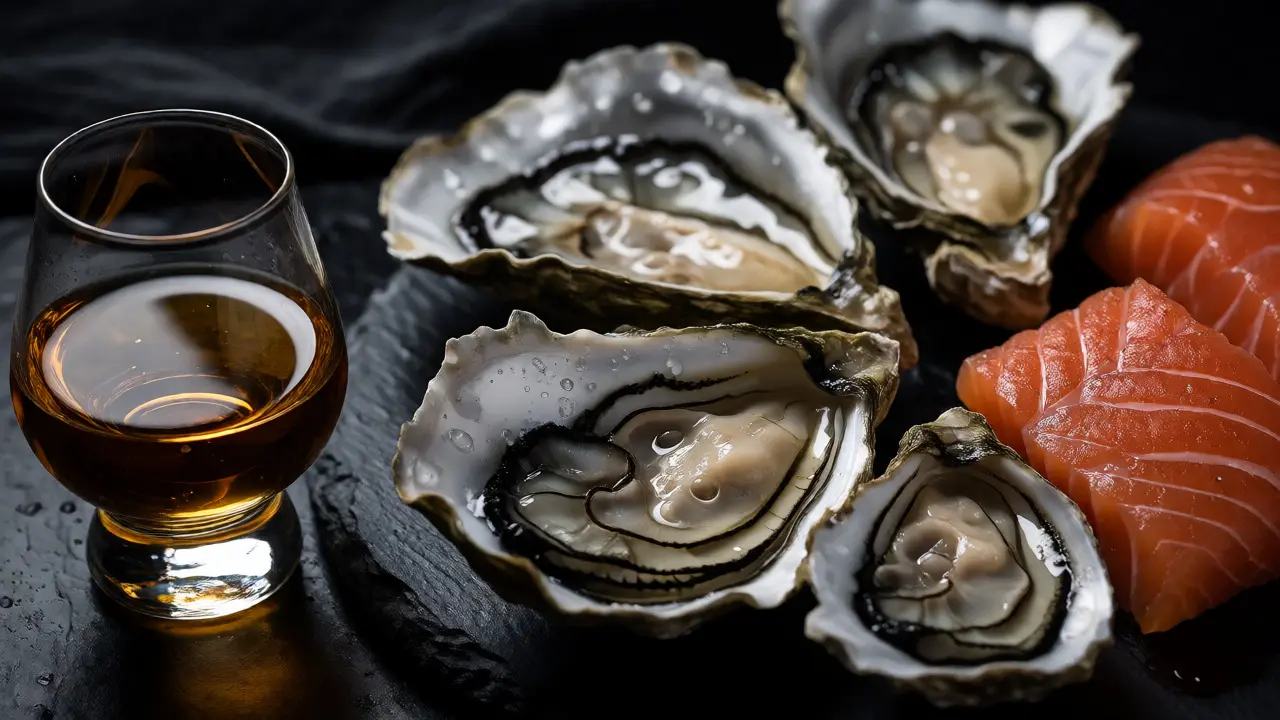
If you head west to Islay, the rules change. Here, the whisky is loud. Peat, iodine, medicinal notes-it’s intense. You cannot pair this with light fish or salads. You need fat, salt, and umami. Laphroaig understands this better than anyone. Their visitor center restaurant doesn’t just sell whisky; they sell a lifestyle. Order the smoked salmon or the oysters. The brine in the seafood amplifies the sea-spray character in the Laphroaig Quarter Cask. It’s an explosive combination that wakes up your palate.
But don’t ignore Bruichladdich near Port Charlotte. While known for their unpeated Octomore range, their standard offerings and the restaurant’s approach are surprisingly refined. They emphasize terroir-how the land influences the barley. Their menu often features root vegetables and game birds, ingredients that grow in the same soil as the grain. Eating a roasted partridge with a dram of Bruichladdich Classic Laddie connects you directly to the island’s geology. It’s a tangible link between plate and glass that few other regions can replicate so clearly.
Speyside Sophistication: The Culinary Capital
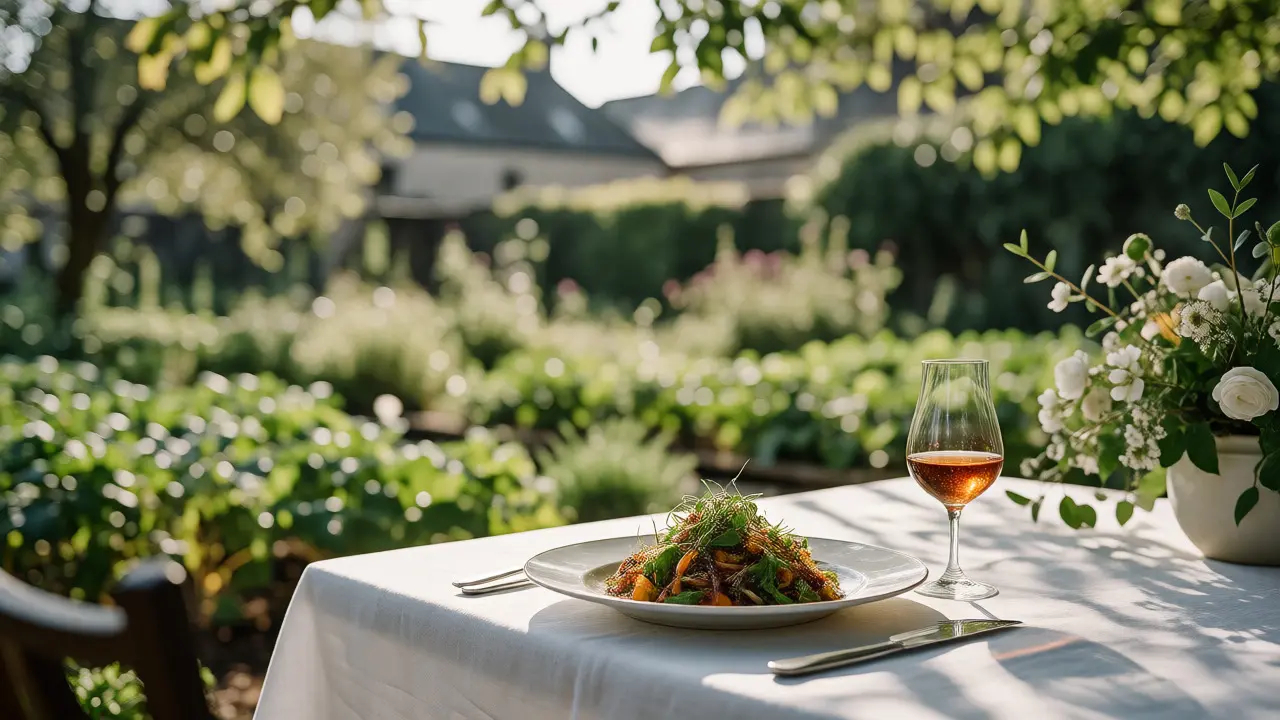
Speyside is dense with distilleries, making it easy to hop between them, but the food quality varies wildly. Some are purely gift shops with a coffee machine. Others, like Macallan in Easter Elchies, are serious gastronomic contenders. The Macallan’s estate restaurant uses produce grown in their own walled gardens. This isn’t just marketing fluff; the freshness matters. A salad picked two hours ago tastes different, especially when paired with a sherry-seasoned Macallan Sherry Oak. The sweetness of the sherry casks complements the earthy greens without overpowering them.
For something more accessible but equally impressive, look at Cardhu in Knockando. As part of the Diageo cluster, they have resources to hire top chefs. Their lunch menus are designed to be shared, encouraging groups to order multiple small plates alongside flight tastings. It’s social, relaxed, and removes the pressure of committing to a full three-course meal if you’re only staying for two hours. Plus, their garden setting adds a layer of tranquility that enhances the tasting experience.
| Distillery | Region | Culinary Focus | Best For |
|---|---|---|---|
| Aberlour | Speyside | Local Beef & Game | Hearty, comforting meals |
| Laphroaig | Islay | Seafood & Smoked Meats | Bold flavor contrasts |
| Macallan | Speyside | Estate-Grown Produce | Fine dining & luxury |
| Dalwhinnie | Highlands | Honey & Orchard Fruits | Quiet, scenic lunches |
| Bruichladdich | Islay | Terroir-Driven Vegetables | Foodies interested in origin |
Beyond the Plate: The Experience Economy
What separates a great distillery dinner from a mediocre one isn’t just the food; it’s the integration. At the best venues, the staff are trained to explain why a certain dish works with a certain whisky. They won’t just say “this goes well.” They’ll tell you that the charred oak barrel imparted caramel notes, which echo the brown sugar glaze on your carrots. This educational component turns a meal into a masterclass.
Consider the logistics. Many of these visitor centers require bookings weeks in advance, especially during summer months. If you’re visiting in November, as many do for the festive season, availability might be easier, but check opening times. Some rural distilleries close their kitchens early. Also, factor in travel time. Driving in Scotland is slower than you think, especially on single-track roads. Plan your day so you aren’t rushing to finish your pudding before the last bus leaves-or before you have to drive home sober.
Finally, don’t underestimate the power of non-alcoholic options. Not everyone in your group drinks whisky. The best restaurants now offer sophisticated mocktails made with tea, herbs, and spices that mimic the complexity of spirits. Ask for them. A well-made spiced apple cider reduction can pair with a pork belly dish almost as effectively as a medium-bodied malt.
Practical Tips for Your Visit
- Book Ahead: Popular spots like The Macallan or Aberlour fill up quickly. Reserve tables online at least two weeks in advance.
- Check Dietary Options: Most high-end distillery restaurants accommodate gluten-free and vegetarian diets, but call ahead to confirm.
- Pace Yourself: Tasting flights add up. Eat substantial food before drinking heavily. The fats in cheese and meat coat the stomach lining, slowing alcohol absorption.
- Ask Questions: Servers at these locations are often knowledgeable enthusiasts. Ask them what their personal favorite pairing is. You’ll get more authentic recommendations than from a printed card.
- Plan Transport: If you’re staying nearby, consider walking or cycling if weather permits. Otherwise, designate a driver or book a taxi service in advance.
Frequently Asked Questions
Do I need to book a table at distillery restaurants?
Yes, absolutely. Especially for major names like Glenfiddich, Macallan, or Aberlour. Walk-ins are rarely accommodated during peak tourist seasons (May-September). Even in winter, booking ensures you get a table near the fire or with a view.
Can I bring my own whisky to eat with?
Generally, no. Most distillery restaurants require you to purchase drinks from their list to support the venue. However, some allow you to buy a bottle from their shop and drink it with your meal, though corkage fees may apply. Always check their specific policy.
Are distillery restaurants expensive?
They range from mid-range to fine dining. Expect to pay £20-£40 per person for mains, excluding drinks. Luxury estates like The Macallan can cost significantly more. However, you’re paying for the unique setting and the expertise behind the pairings, which offers value beyond just the calories.
Is the food suitable for children?
Most do offer kids' menus, though they are often simpler versions of adult dishes. Check the menu online beforehand. Some upscale venues might not have dedicated children's options, focusing instead on smaller portions of gourmet fare.
What if I don't like strong whisky?
Stick to Speyside or Lowland distilleries. Brands like Auchentoshan (Lowland) or Balvenie (Speyside) tend to be lighter, sweeter, and more approachable. Their restaurants often feature lighter fare like poultry and fresh fish, which aligns with the gentler spirit profile.