
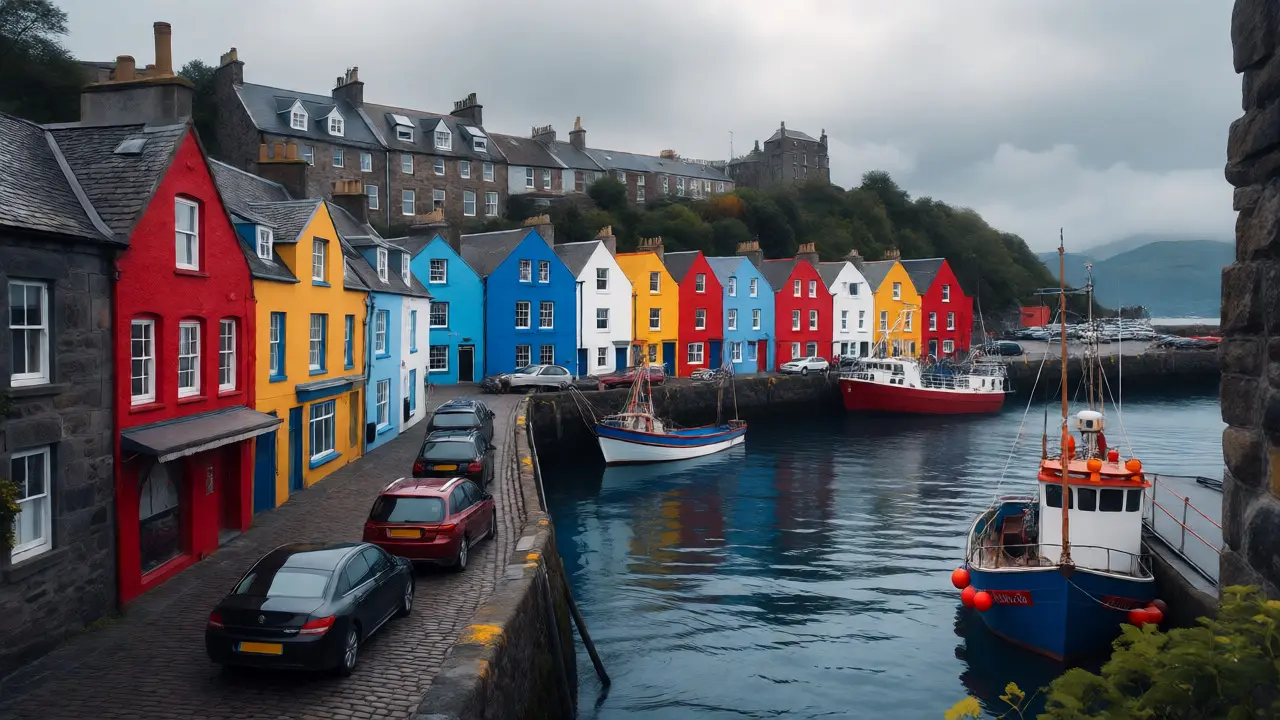
Arriving in Portree, the capital of the Isle of Skye, feels like stepping into a postcard. The harbor is lined with brightly colored houses, fishing boats bob gently in the water, and the smell of salt and chips hangs in the air. But if you’re driving, that picture-perfect moment can quickly turn into a headache. Where do you park? Do you need a car to see the rest of the island? Or can you actually leave it behind?
This is the big question for most visitors planning their trip to the Hebrides. Many assume you need a car to navigate Skye’s rugged beauty. While having wheels gives you freedom, Portree itself is surprisingly walkable, and the transport options are better than most people expect. Whether you’re trying to save on fuel costs, avoid the stress of narrow single-track roads, or just want to relax with a pint after your hike, understanding how to move around here changes everything.
The Reality of Portree Parking
Let’s address the elephant in the room: parking in Portree is tight. The town center is compact, designed for a small fishing village, not the thousands of tourists who visit every summer. If you arrive during peak season (June through August), finding a spot near the harbor can feel like a competitive sport.
There are two main types of parking you’ll encounter:
- On-street pay-and-display: These spots are scattered around the town, mostly on the streets parallel to the harbor. They are limited time, often restricted to 2-4 hours, and require exact change or card payment at machines. Prices have risen in recent years, reflecting high demand.
- Public car parks: There are a few larger lots on the outskirts of the center. The most notable is the Portree Public Car Park located slightly uphill from the main street. It offers more spaces but still fills up by mid-morning in July.
A crucial tip: many visitors make the mistake of circling the harbor repeatedly looking for a free on-street space. This wastes time and increases congestion. Instead, aim for the public lots early in the day or late in the evening. If you’re staying overnight, check if your accommodation includes parking. Hotels like the Portree Hotel or The Royal Hotel often have reserved spaces for guests, which is a massive relief when the rest of the town is full.
If you’re worried about getting stuck, consider parking outside the immediate center. Walking ten minutes from a quieter side street saves you the frustration of hunting for a prime spot. Just remember that the town slopes upward, so be prepared for a bit of an incline if you park higher up.
Can You Visit Portree Without a Car?
Yes, absolutely. In fact, for many travelers, leaving the car behind is the best way to experience Portree. The town center is pedestrian-friendly, with cobbled streets and low traffic speeds. Once you’ve parked your vehicle (or dropped off passengers), you can easily access all the key amenities on foot.
Here’s what you can reach within a 10-minute walk from the harbor:
- Restaurants and pubs: From fine dining at The Oyster Shed to traditional pubs like The Old Inn.
- Shops and galleries: Local craft shops selling woolens, jewelry, and Skye-themed souvenirs line the main street.
- Information centers: Tourist info points are centrally located for maps and advice.
- Bus stops: The main bus interchange is right near the harbor, making connections easy.
Walking isn’t just practical; it’s part of the charm. You’ll notice details you’d miss in a car-the architecture, the local chatter, the views of the Cuillin mountains framed between buildings. For short stays focused on the town itself, a car is unnecessary overhead. You’ll spend more time looking for parking than enjoying the atmosphere.
However, if your plan involves visiting distant attractions like the Old Man of Storr or Neist Point Lighthouse, you’ll need another solution. That’s where the bus network and tours come in.
Navigating the Bus Network
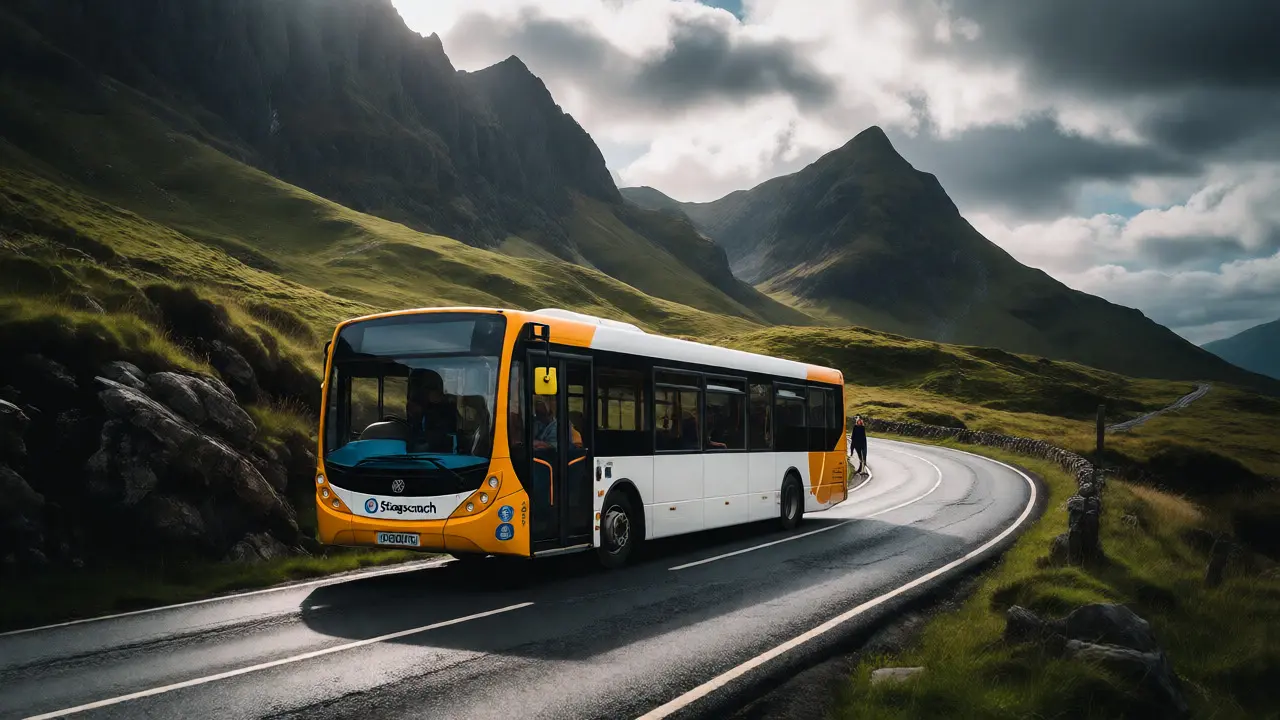
Skye has a reliable bus service operated primarily by Stagecoach West Scotland. Contrary to popular belief, these buses aren’t just for locals; they’re a viable option for tourists, especially if you plan ahead. The routes connect Portree to major hubs across the island.
Key routes to know include:
| Route Number | Destination | Frequency (Summer) | Travel Time |
|---|---|---|---|
| 57B | Glenelg / Kyle of Lochalsh | Hourly | ~30 mins |
| 57A | Stornoway (via Broadford) | Daily | ~2 hours |
| 917 | Trotternish Loop | Limited | Varies |
Getting tickets is straightforward. You can buy them directly from the driver using cash or contactless payment. Contactless is faster and avoids fumbling for coins. Keep in mind that while buses run frequently in summer, schedules thin out significantly in winter. Always check the latest timetable on the Stagecoach website before heading out, as times can shift due to roadworks or weather conditions.
One downside to relying solely on buses is flexibility. If you want to stop at a random viewpoint for a photo, you can’t. You’re tied to the schedule. However, for structured itineraries-like visiting the Fairy Pools or Talisker Bay-it works well. Combine this with walking parts of the journey, and you can cover significant ground without ever starting an engine.
Guided Tours: The Stress-Free Option
If navigating timetables sounds stressful, guided tours offer a seamless alternative. Numerous companies operate from Portree, offering minibus or coach tours to Skye’s top sights. These are ideal for groups, families, or solo travelers who want social interaction and expert commentary.
What makes tours valuable isn’t just the transport; it’s the context. A good guide knows exactly where to find red deer, which trails are muddy, and where the best sunset views are hidden. They handle the logistics, so you don’t worry about parking or missing the last bus back.
Popular tour types include:
- Full-day island loops: Covering the Old Man of Storr, Quiraing, and Neist Point in one go.
- Half-day morning/evening trips: Perfect for fitting in a highlight reel without committing the whole day.
- Photography-focused tours: Timed for golden hour lighting, often involving smaller groups and specialized guides.
Booking in advance is essential during peak months. Companies like Skye Tours or Rabbie's sell out weeks ahead. Prices typically range from £40 to £80 per person, depending on duration and group size. While this seems expensive compared to fuel costs, factor in parking fees, wear and tear on your rental car, and the value of not having to drive yourself on winding roads. For many, it’s worth every penny.
Car-Free Alternatives: Cycling and Walking
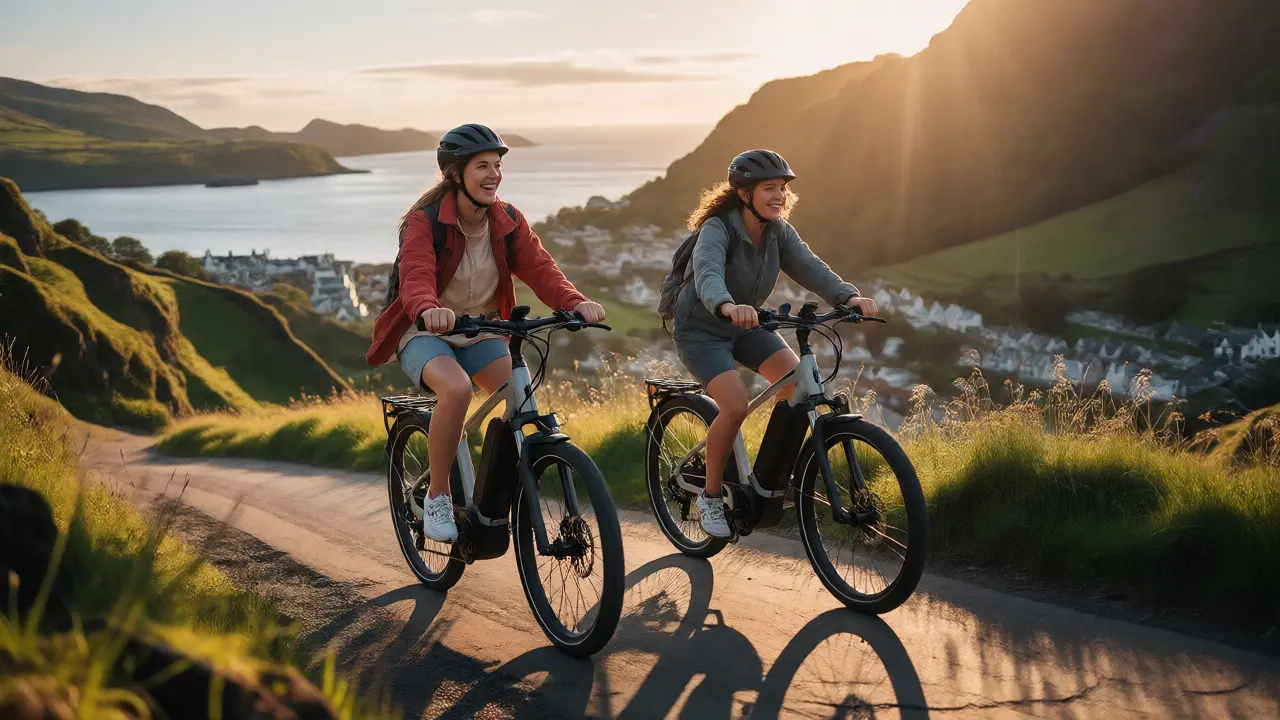
For the adventurous, cycling is an underrated way to explore Skye. The terrain is challenging-expect steep hills and strong winds-but the reward is unparalleled access to quiet roads and scenic routes. Several bike rental shops operate in Portree, offering hybrids and e-bikes suitable for the hilly landscape.
E-bikes, in particular, have changed the game. They flatten the climbs, allowing casual cyclists to tackle routes that would otherwise be exhausting. Imagine riding from Portree to the Loch Leat viewpoint without breaking a sweat. Rental costs average £30-£50 per day, plus insurance.
If cycling isn’t your thing, walking remains a powerful tool. The Coastal Path near Portree offers stunning views without requiring long hikes. Even a short walk up to the Ben Trool viewpoint provides panoramic vistas of the harbor and surrounding islands. Combining walking with occasional taxi rides can create a flexible, low-cost itinerary.
Taxis are available in Portree, though they’re not always abundant. Services like Skye Taxis can take you to nearby villages like Carbost or Sligachan for reasonable fares. It’s a good backup plan if you miss a bus or want to extend your evening out without worrying about driving home in the dark.
Strategic Tips for Smooth Travel
To make the most of your time in Portree without the hassle of constant car use, keep these strategies in mind:
- Time your arrival: If possible, arrive in Portree early morning (before 10 AM) or late afternoon. Midday is the worst time for parking congestion.
- Use drop-off zones: Most hotels allow brief stops for luggage unloading. Don’t try to park immediately; unload first, then hunt for a spot or ask staff for advice.
- Check road closures: Single-track roads on Skye are prone to closures due to accidents or maintenance. Apps like Traffic Scotland provide real-time updates.
- Pack light: If you’re moving between accommodations, lighter luggage makes walking easier and reduces the need for large vehicles.
Remember, the goal is enjoyment, not efficiency. Sometimes sitting in a pub watching the rain roll off the roof is better than rushing to the next landmark. Letting go of the car often leads to slower, richer experiences.
Is parking free in Portree?
No, most central parking areas in Portree are paid. On-street spaces usually require payment via pay-and-display machines or phone apps. Some peripheral streets may offer free parking, but they are far from the center and fill up quickly. Always check signage carefully to avoid fines.
Do I need a car to visit the Old Man of Storr?
Not necessarily. You can join a guided tour departing from Portree, which includes transport to the trailhead. Alternatively, you can take a taxi, though this can be costly. Driving yourself requires navigating single-track roads and dealing with limited parking at the base, which is often crowded in summer.
Are there electric vehicle charging points in Portree?
Yes, Portree has several EV charging stations, including rapid chargers near the harbor and public car parks. Availability can vary, so it’s wise to use apps like ChargePoint or Pod Point to locate and reserve slots in advance, especially during peak tourist season.
How reliable are the buses in winter?
Bus services continue year-round but with reduced frequency in winter. Weather conditions such as snow or high winds can cause delays or cancellations. It’s advisable to check daily schedules online and have a backup plan, such as taxis or walking, if conditions worsen.
Can I rent bicycles in Portree?
Yes, multiple shops in Portree offer bicycle rentals, including standard bikes and e-bikes. E-bikes are highly recommended due to the hilly terrain. Booking in advance is smart during summer months to ensure availability. Helmets are typically included or available for rent.