
The Golden Rules of Pairing Scotch
Before we get into the specific dishes, you need a basic strategy. You can't just throw any bottle at any plate. There are two main ways to approach this: complementary pairing and contrasting pairing. Complementary pairing is when you match similar flavors. If you have a whisky with heavy notes of dried fruit and chocolate, you pair it with a dessert that has those same elements. Contrasting pairing is about balance. If you're eating something incredibly fatty, like a piece of pork belly, you want a whisky with a sharp, peaty punch to cut through that richness and cleanse your palate. Another trick is to match the intensity. A light, floral Lowland whisky will be completely drowned out by a heavy steak. Conversely, a powerful Islay malt might make a delicate piece of white fish taste like nothing. You want the food and the drink to meet in the middle, neither overpowering the other.The Lowlands: Light Flavors and Fresh Starts
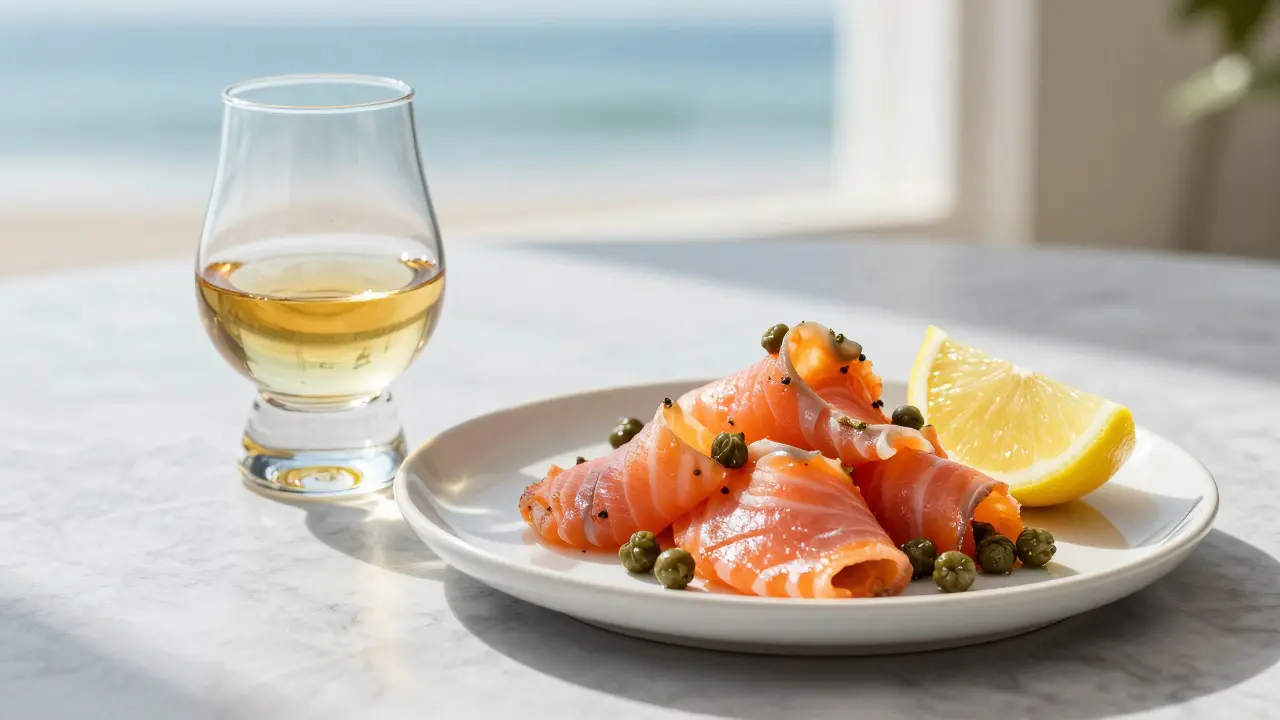
Lowland whiskies are often the most approachable. They are generally lighter, with a grassy or floral quality. Because they aren't as aggressive as their cousins from the north, they work beautifully with starters and lighter fare.The Highlands: Boldness and Hearty Comfort
Moving north, the flavors get bigger. Highland whiskies are diverse, ranging from honeyed and fruity to spicy and robust. This is where you start looking at the more filling parts of Scottish cuisine. Highland Single Malt is whisky produced in the Highlands of Scotland, often characterized by a wider variety of flavor profiles including heather, honey, and dried fruits. One of the most iconic pairings here is a Highland malt with a traditional Haggis, Neeps, and Tatties. The richness of the whisky and food pairings here is key. The peppery, savory nature of the haggis needs a whisky with enough body to stand up to it. A malt with notes of cinnamon or apple works wonders here. The sweetness of the whisky balances the savory intensity of the sheep's pluck, making the whole meal feel more cohesive. If you're leaning towards something sweeter, a piece of Cranachan-a traditional Scottish dessert made of cream, honey, oats, and raspberries-is the perfect match. The creaminess of the dessert coats the tongue, which mellows the alcohol burn of the whisky, while the raspberries bring out the fruity esters in the spirit.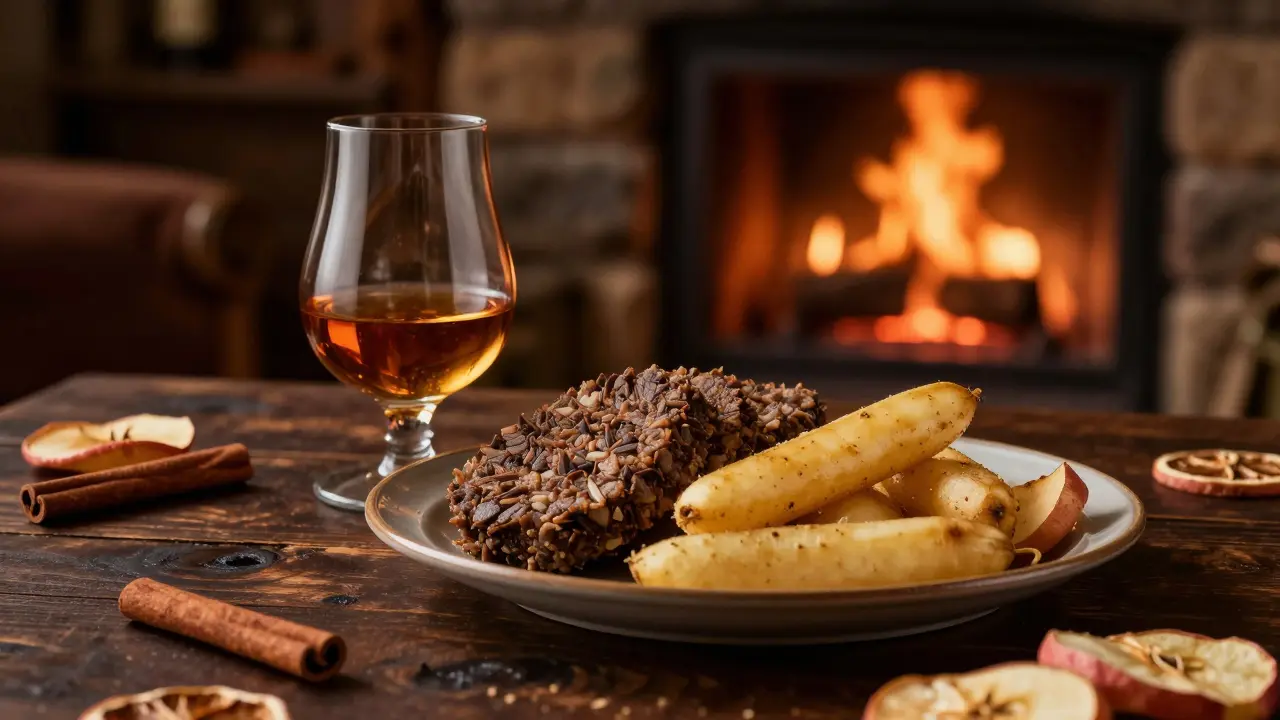
Speyside: The Sweet Spot for Gourmet Pairing
Speyside is the heartland of Scotch production. These whiskies are often the most popular globally because they are so balanced, often featuring notes of vanilla, pear, and honey. They are the "chameleons" of the whisky world, meaning they fit into almost any meal.Islay: Smoke, Salt, and the Brave Palette
Now we get to the heavy hitters. Islay whiskies are famous for their intense peat smoke and medicinal, salty qualities. These aren't for the faint of heart, but they offer some of the most exciting pairings if you know how to handle them.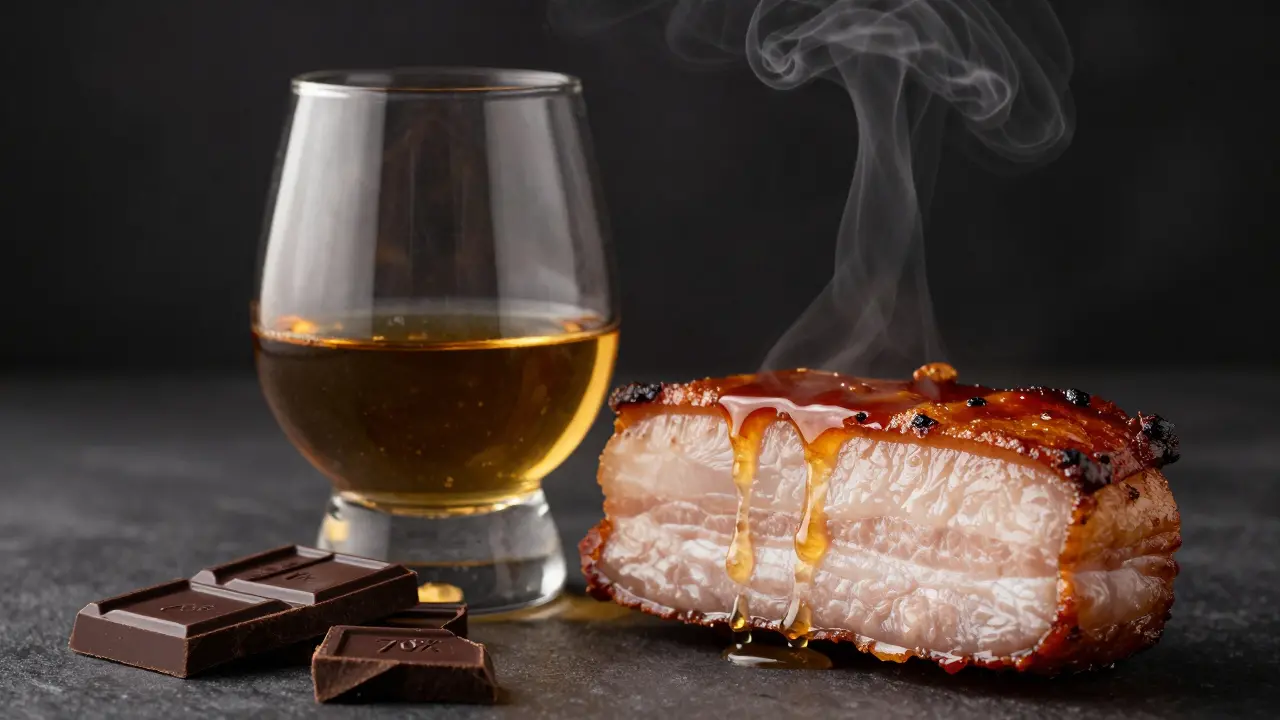
Comparison of Regional Pairings
| Region | Flavor Profile | Best Food Match | Why it Works |
|---|---|---|---|
| Lowlands | Grassy, Floral, Light | Smoked Salmon / Oysters | Highlights freshness and salt |
| Highlands | Fruity, Spicy, Bold | Haggis / Cranachan | Balances savory spice and cream |
| Speyside | Honey, Vanilla, Pear | Mature Cheddar / Scallops | Complements sweetness and fat |
| Islay | Smoky, Salty, Peaty | Pork Belly / Dark Chocolate | Cuts through richness with smoke |
Common Mistakes to Avoid
One of the biggest errors people make is over-complicating the plate. If you have a complex whisky with twenty different tasting notes, don't pair it with a dish that has ten different ingredients and three different sauces. You'll end up with a "flavor war" where nothing wins. Keep the food simple so the whisky has room to speak. Another mistake is ignoring the temperature. If your food is piping hot and your whisky is chilled (which is rare, but some do it), the temperature shock can mute the flavors. Aim for room temperature for the whisky and a temperature that allows the food's aromas to bloom. Lastly, don't forget the water. A tiny splash of spring water in your glass doesn't ruin the drink; it actually releases the volatile organic compounds that carry the scent. When pairing with food, a bit of water can help reset your palate between bites, ensuring that the third sip of whisky tastes as vibrant as the first.Can I pair whisky with dessert?
Absolutely. In fact, desserts are some of the best matches for Scotch. The sugar and fat in desserts like chocolate tarts or cream-based puddings soften the edge of the alcohol and highlight the caramel and vanilla notes found in most malts. Just be careful not to use a whisky that is too smoky with a very light dessert, as it will completely overwhelm the food.
What is the best whisky for someone who doesn't like the taste of alcohol?
For those sensitive to the "burn," a Speyside or Lowland whisky is the best bet. These regions tend to produce smoother, sweeter spirits. Pairing them with a piece of high-quality milk chocolate or a slice of apple pie helps neutralize the alcohol sensation and emphasizes the fruitier flavors.
Does the age of the whisky matter for food pairing?
Yes, it does. Younger whiskies (like a 10-year-old) often have more "spirit" and punch, making them great for cutting through fatty foods like pork or strong cheeses. Older whiskies (18+ years) are generally more refined and integrated, which makes them better for delicate desserts or as a post-dinner treat where you want the nuance of the oak and maturity to shine.
Should I use a specific glass for food pairings?
A Glencairn glass is the industry standard because its tulip shape traps the aromas and funnels them toward your nose. When pairing with food, this is crucial because the smells of the food and the whisky merge. If you use a wide-rimmed tumbler, the aromas escape too quickly, and you lose that symbiotic relationship between the taste and the smell.
Is it okay to mix different regions in one meal?
It's a great way to experience the diversity of Scotland. The trick is to follow the progression of the meal. Start with a light Lowland for appetizers, move to a fruity Speyside or bold Highland for the main course, and finish with a peaty Islay or a very old malt for dessert. This prevents the heavier flavors from masking the lighter ones.
Next Steps for Your Tasting Journey
If you're feeling adventurous, try building your own tasting board. Get a variety of local cheeses, some Scottish smoked meats, a few pieces of dark chocolate, and a selection of whiskies from at least three different regions. Start with the lightest flavor and work your way up to the heaviest. If you find that a certain pairing isn't working, don't force it. Try adding a bit more water to the whisky or a small piece of plain bread to cleanse your palate. The whole point of this is discovery, so don't be afraid to experiment with flavors that seem weird on paper-sometimes a salty caramel or a piece of blue cheese can turn a mediocre dram into a masterpiece.Comments (9)
-
Jeremy Chick April 5, 2026
Just drink the damn whisky and stop overthinking it with the fancy food menus. It's booze, not a chemistry project.

-
Renea Maxima April 7, 2026
The idea that we need a "strategy" for taste is just another way society tries to quantify the unquantifiable. Why can't we just let the chaos of a random snack define the experience? ¯\_(˘▽˘)_

-
Sagar Malik April 7, 2026
The sheer plebeian nature of this list is staggerng. You ignore the organoleptic synergy of the terroir entirely. Its obviously a plot by the big distilling syndicates to push Lowland grain over the truly esoteric casks that are being hidden from the public eye. The aetheric lauality of a 30-year old Macallan is diluted by these basic "rules" meant for the masses. Truly a travesty of gastronomic semiotics.

-
E Jones April 7, 2026
Speaking of hidden things, you ever notice how the "official" regional boundaries for these whiskies line up perfectly with old ley lines and occult ley-markers? It's not just about the soil, man, it's about the vibrational frequency of the land being harvested by entities we can't even perceive with our limited three-dimensional ocular organs, and they're probably using the peat smoke as a signal to lure us into a false sense of comfort while they slowly harvest our psychic energy through these highly curated "pairing experiences" designed by the global elite to keep us docile and tasting honey notes while the world burns in a simulated fire of their own making.

-
Seraphina Nero April 8, 2026
I think the dark chocolate and Islay pairing sounds really cozy. It's nice to think about the flavors working together.

-
Megan Ellaby April 9, 2026
I tried a similar thing last week but used some weird aged cheese from a local market and it totally worked! I wonder if the temperture of the room makes a big differense too, since the post mentioned it briefly but didnt go into much detail about exactly how many degrees we're talking about.

-
Rahul U. April 9, 2026
The suggestion to follow a progression from light to heavy is very logical and ensures the palate remains fresh. I appreciate the emphasis on the Glencairn glass as well 🥃✨.

-
selma souza April 11, 2026
The lack of rigorous sourcing in this text is disappointing. Furthermore, the author fails to maintain a consistent academic tone, opting instead for a pedestrian style that barely masks the superficiality of the advice provided.

-
Barbara & Greg April 12, 2026
It is a moral imperative that we treat the consumption of such spirits as a meditative practice rather than a mere culinary exercise. To reduce the ancestral heritage of the Highlands to a "golden rule" for pairing with pork belly is, frankly, a devaluation of the spiritual labor involved in the distillation process. One must approach the dram with a sense of reverence and ethical mindfulness, recognizing that the pleasure derived from the spirit is secondary to the respect owed to the land from which it sprang. We are not merely eating and drinking; we are engaging in a dialogue with history, and to treat this as a simple hobby for the "adventurous" is to ignore the gravity of cultural appropriation in the modern gourmet era. True sophistication is found not in the match of flavors, but in the purity of one's intention while consuming the essence of the earth. I find the casual nature of this guide to be utterly lacking in the necessary dignity required for such a subject.
