
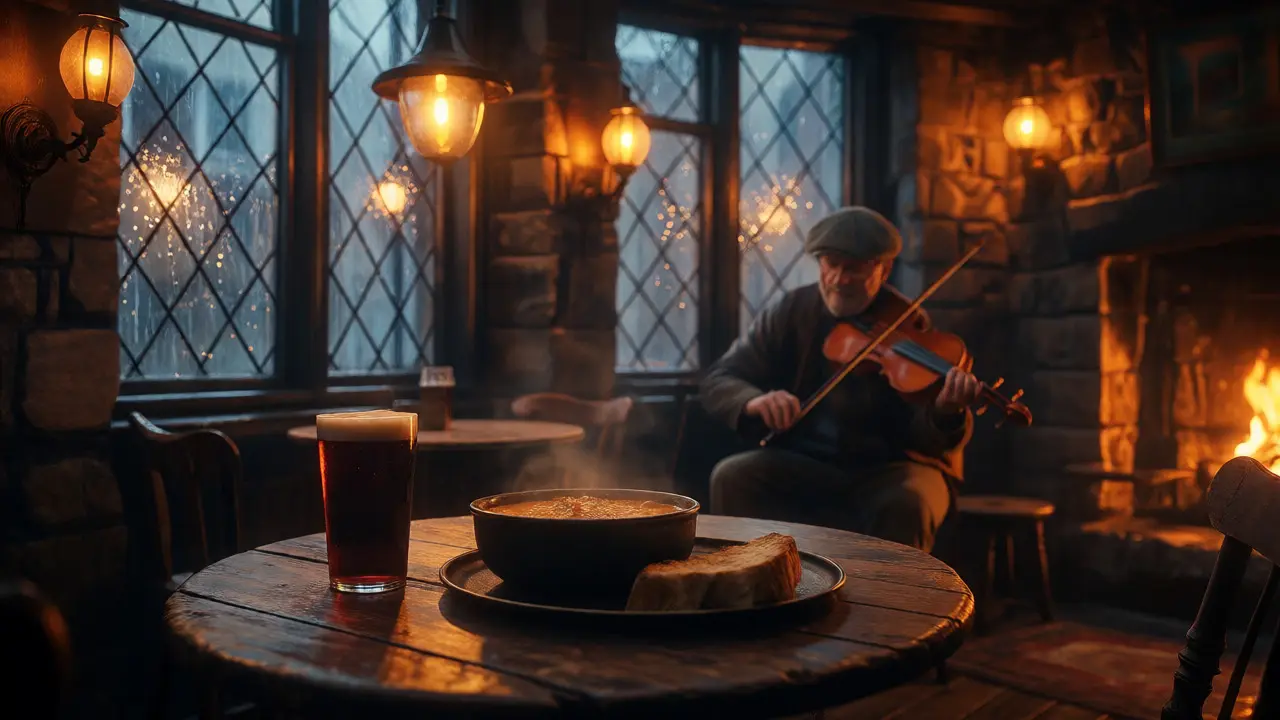
There is a specific kind of magic that happens when the rain starts hammering against the windowpane of a stone-walled pub in Edinburgh or Glasgow. You’re not just there for the pint; you’re there because somewhere in the back room, someone is tuning a fiddle, and the air is thick with the promise of a ceilidh or a quiet folk session. Finding pubs with live music in Scotland isn’t just about checking a schedule-it’s about understanding the rhythm of local life. If you’ve ever wondered where to find authentic sound alongside hearty haggis, you’ve come to the right place.
The Heartbeat of the Scottish Pub Scene
Let’s be honest: not every pub with a guitar player on a Tuesday night counts as a "live music venue" in the traditional sense. In Scotland, the distinction matters. There are sports bars blasting Premier League matches, and then there are the historic taverns where the walls have absorbed decades of songs. The real experience lies in the latter. These venues often double as community hubs, where the line between performer and patron blurs. A man in a flat cap might step up from his table to play a set of reels, then return to his half-pint of heavy as if nothing happened.
This cultural nuance is crucial for travelers. If you walk into a modern chain pub expecting a trad band, you’ll be disappointed. But if you head to a place known for its acoustic sessions, you might find yourself pulled into a conversation about the origins of "The Skye Boat Song." The atmosphere is rarely curated for tourists; it’s organic, unpolished, and deeply welcoming.
Where the Fiddles Sing: Top Venues to Visit
Scotland is dotted with legendary spots, but a few stand out for their consistent quality of both music and menu. Here are three places that perfectly blend the auditory and culinary experiences.
| Pub Name | Location | Music Style | Signature Dish |
|---|---|---|---|
| The Howff | Dundee | Folk & Acoustic | Cullen Skink |
| Whistle Binkie | Glasgow | Traditional Folk | Haggis Bon Bons |
| The Bow Bar | Edinburgh | Jazz & Trad Mix | Steak Pie |
The Howff in Dundee is a personal favorite. It’s small, dimly lit, and feels like stepping into a living room shared by fifty strangers who all know each other. The music here is intimate. You can hear the bow scrape across the strings. They don’t have a massive kitchen, but their Cullen Skink-a creamy smoked haddock soup-is arguably the best in the region. It’s comfort food designed to pair with a cold ale and a warm song.
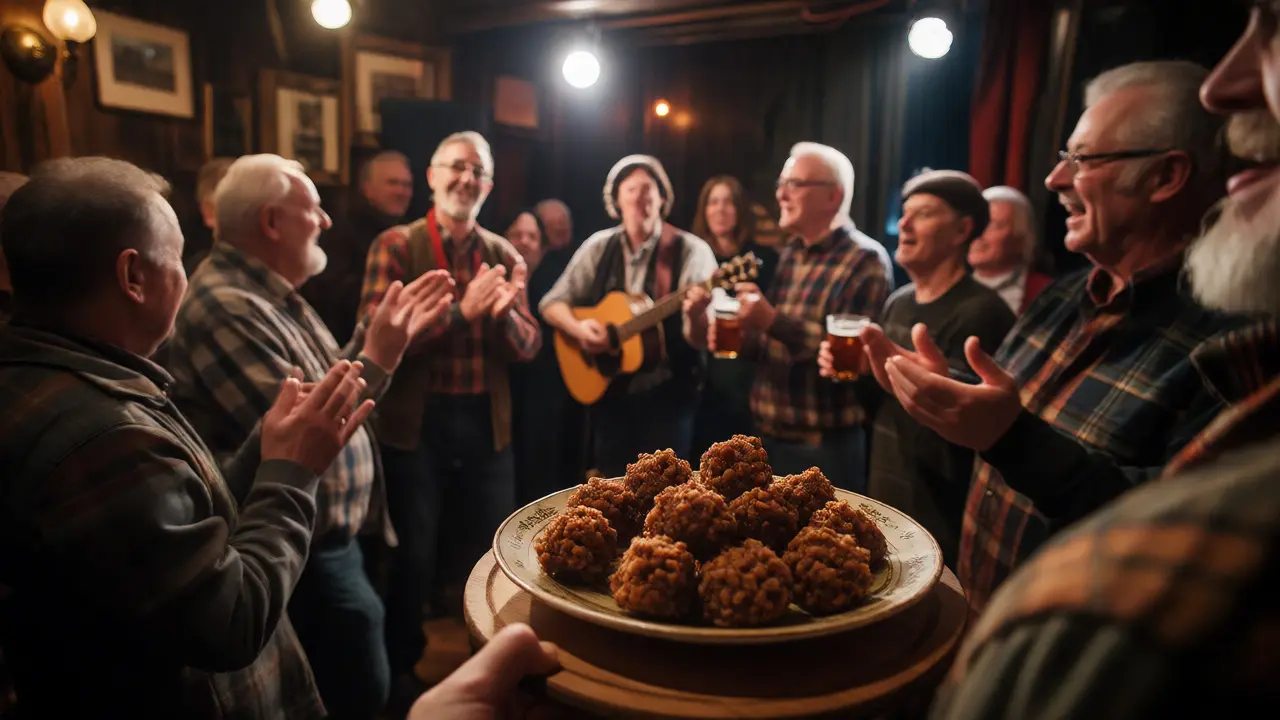
In Glasgow, Whistle Binkie has been a cornerstone of the folk scene since the 1960s. Located in Merchant City, it’s less of a pub and more of a folk club with a bar attached. The audience knows the lyrics. The energy is electric, especially during Friday night sessions. Pair your visit with their haggis bon bons-crispy, deep-fried balls of spiced meat that are surprisingly light-and you’ve got a perfect evening.
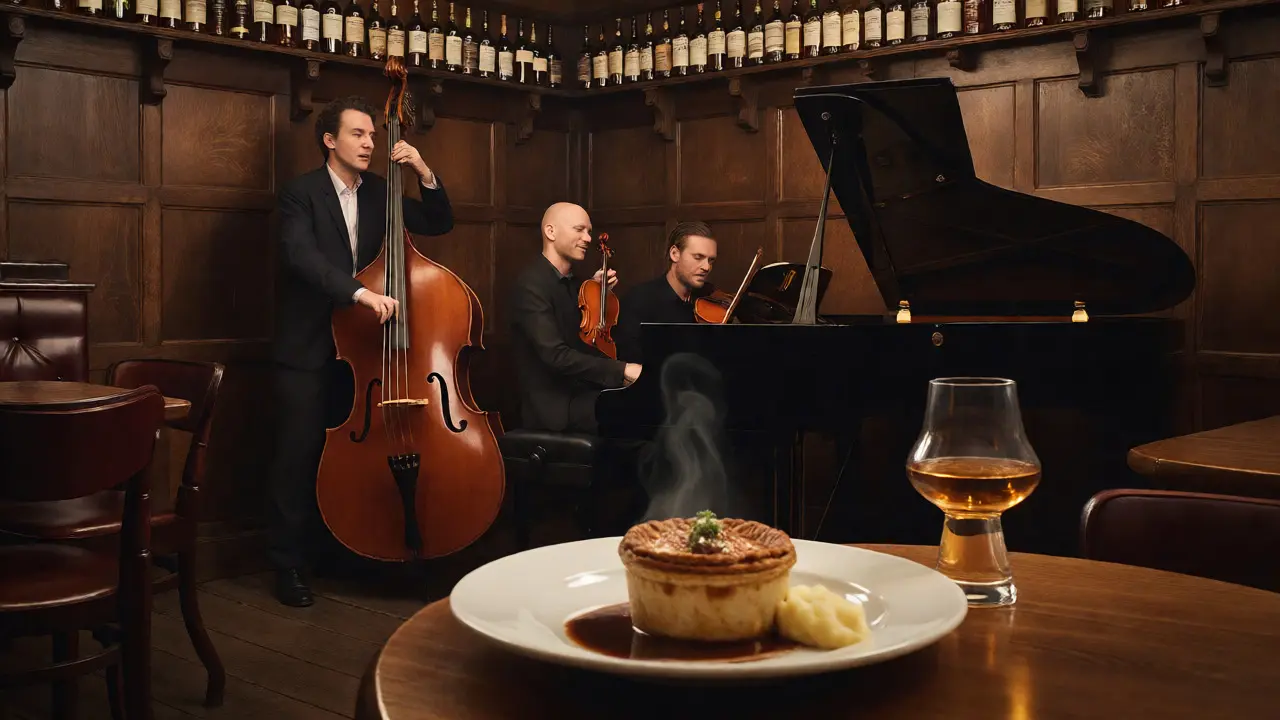
Edinburgh offers a different vibe at The Bow Bar. Tucked away in Victoria Street, this tiny establishment doesn’t advertise much. It relies on word of mouth. While it’s famous for its whisky selection, the occasional jazz trio or fiddle player adds a sophisticated layer to the rustic wood-paneled interior. Their steak pie, served with mash and gravy, is dense, rich, and exactly what you need after walking up the Royal Mile.
Eating Like a Local: What to Order
You can’t talk about Scottish pubs without addressing the elephant in the room: the food. Gone are the days when a bag of salt-and-vinegar crisps was the only option. Today, many music-focused pubs serve elevated versions of traditional dishes. But beware of tourist traps serving rubbery chicken in a sauce labeled "Haggis." Authenticity is key.
If you see Neeps and tatties on the menu, order them. These mashed swede and potatoes are the essential accompaniment to any meat dish. They’re earthy, slightly sweet, and cut through the richness of haggis or black pudding. Another must-try is Lorne Sausage, also known as square sausage. It’s made from pork offal and oatmeal, fried until crisp, and served with white pudding. It sounds intimidating, but it tastes like savory heaven.
- Cullen Skink: Smoked haddock, potatoes, and cream. Best eaten with crusty bread.
- Stornoway Black Pudding: Protected Geographical Indication status means it comes from Lewis. Look for it sliced thick and pan-fried.
- Aberdeen Angus Beef: If you want a burger, make sure it’s locally sourced. The marbling is superior.
Don’t forget the drinks. While Guinness is popular, try a local craft ale from breweries like BrewDog (originally from Fraserburgh) or Innis & Gunn. For something stronger, ask for a dram of Islay single malt. The peaty smoke complements the smoky flavors of the food and the raw emotion of the music.
Timing Your Visit for Maximum Impact
When should you go? This is where most visitors get it wrong. They arrive at 7 PM, eat dinner, and leave before the good stuff starts. Traditional Scottish pub sessions often begin late. In cities like Glasgow and Edinburgh, the peak time for live folk music is between 9 PM and midnight. Weekends are busier, but mid-week sessions (Tuesday or Wednesday) can offer a more relaxed, interactive experience where musicians are more likely to chat with you.
Check social media pages rather than relying solely on websites. Many smaller venues post last-minute announcements about guest musicians. A flyer taped to a lamppost outside a pub in Stirling might lead you to an impromptu session featuring a world-class accordionist. Flexibility is your best friend.
Etiquette: How to Be a Good Audience Member
Scots are proud of their musical heritage, and they appreciate respect. If you’re watching a performance, keep conversations low. Don’t shout requests unless the musician invites them. Clapping along to the beat is encouraged, but avoid clapping on the off-beat if you’re unsure-it ruins the rhythm for everyone else.
Tipping is appreciated but not mandatory in the same way it is in the US. However, buying the band a round is a classic gesture of appreciation. It costs little and earns you instant goodwill. Also, never photograph performers without asking. Some view it as intrusive; others love it. Just ask first.
Beyond the Big Cities: Hidden Gems
While Edinburgh and Glasgow dominate the headlines, some of the best music happens in smaller towns. In Oban, the Oban Distillery tours often end with a tasting, but nearby pubs host regular folk nights. In the Highlands, towns like Fort William and Inverness have venues that attract traveling musicians moving between cities. These gigs are often more spontaneous and raw.
Consider visiting during festivals. The Edinburgh Festival Fringe in August turns almost every pub into a music venue. But if crowds aren’t your thing, aim for smaller events like the Selby Folk Club gatherings or regional Highland Games weekends, where pubs fill with pipers and drummers celebrating local culture.
Do I need to book tables for pubs with live music?
For well-known venues like Whistle Binkie or popular spots during festival season, yes, booking ahead is wise. However, many smaller traditional pubs operate on a first-come, first-served basis. Arriving early (around 8 PM) usually secures a seat near the action.
Is the music always traditional Scottish folk?
Not always. While traditional folk, ceilidh, and bagpipe music are staples, many pubs feature singer-songwriters, blues bands, or indie acts. Check the venue’s weekly schedule to ensure the genre matches your taste.
What is the average cost of a meal and drink?
Expect to pay between £15-£25 for a main course in city centers. Pints typically range from £4.50 to £6.50 depending on location and brand. Rural pubs may offer better value, while tourist-heavy areas in Edinburgh charge a premium.
Are these pubs family-friendly?
Many are, especially earlier in the evening. Children are generally welcome until around 8 or 9 PM, though this varies by license. After dark, the crowd tends to skew older, and the atmosphere becomes more adult-oriented.
Can I request songs?
It depends on the setup. In informal sessions, requests are common and welcomed. In booked gigs, it’s polite to wait until a break or approach the musician afterward. Never demand a song; suggest it instead.