
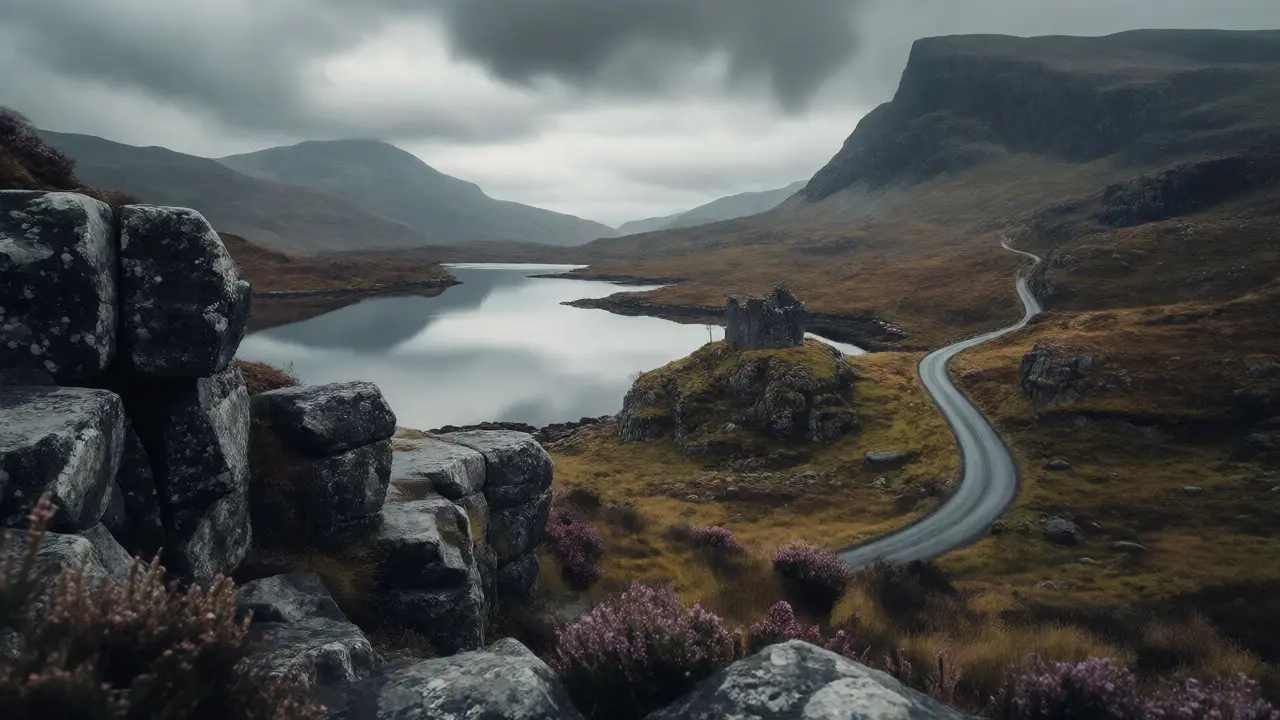
So, you've booked the car, packed your waterproofs, and stared at a map of Scotland until the roads blurred into a single grey line. The North Coast 500, often called the NC500, is a 516-mile circular road trip around the northern tip of Scotland starting and ending in Inverness. It’s not just a drive; it’s a pilgrimage for many, but without a solid plan, it can turn into a stressful race against daylight rather than the scenic adventure you imagined. Most people underestimate how slow Highland roads are and how quickly weather can shut down mountain passes.
This guide breaks down the route into manageable chunks. We aren't just listing towns; we're looking at where to sleep, when to stop, and how to actually enjoy the view instead of white-knuckling a single-track road in the dark. Whether you have five days or ten, understanding the geography is key to keeping your sanity intact.
Why You Need a Regional Plan, Not Just a Map
Here’s the thing about the Highlands: distance is deceptive. A town might look like it’s only an hour away on a GPS, but if that hour involves winding through glens, passing sheep, and waiting behind tractors, it could take two hours easily. If you try to drive from Inverness to John o' Groats in one day, you’ll miss half the magic. You need to break the loop into logical regions.
Think of the NC500 as four distinct chapters. Trying to tackle them all in one go leads to fatigue. By grouping your stages regionally, you allow time for detours-like popping into a distillery or hiking up a hill-that make the trip memorable. Plus, accommodation in remote areas sells out months in advance. Having a regional framework helps you book strategically.
Stage 1: The West Coast Descent (Inverness to Ullapool)
Leaving Inverness, you head north-west. This first leg is arguably the most dramatic introduction to the route. You’re trading the lowlands for rugged coastline almost immediately.
Key Stops:
- Achnasheen: A tiny village with a great bakery. Perfect for a mid-morning fuel-up.
- Loch Assynt: Stop at the castle ruins. It’s moody, historic, and free.
- Ullapool: Your first major overnight hub. It has plenty of hotels, restaurants, and boat trips to the Summer Isles.
Driving this section takes about 3-4 hours of pure driving time, but budget 6-7 hours to stop properly. The road quality improves significantly after Lochinver, so don’t panic if the start feels rough. If you’re staying overnight, aim for Ullapool. It’s well-connected and offers a good base for exploring the surrounding coastlines.
| Location | Distance from Start | Best For | Stay Recommendation |
|---|---|---|---|
| Inverness | 0 miles | Car pickup, supplies | City center hotels |
| Achnasheen | ~30 miles | Coffee, short walk | Day trip only |
| Lochinver | ~80 miles | Scenic views, fishing | B&Bs available |
| Ullapool | ~100 miles | Dining, ferry access | High availability |
Stage 2: The Wild North (Ullapool to Durness)
This is the heart of the wild. The landscape shifts from green pastures to stark, wind-swept limestone. The road narrows, and the population drops. You are now in truly remote territory.
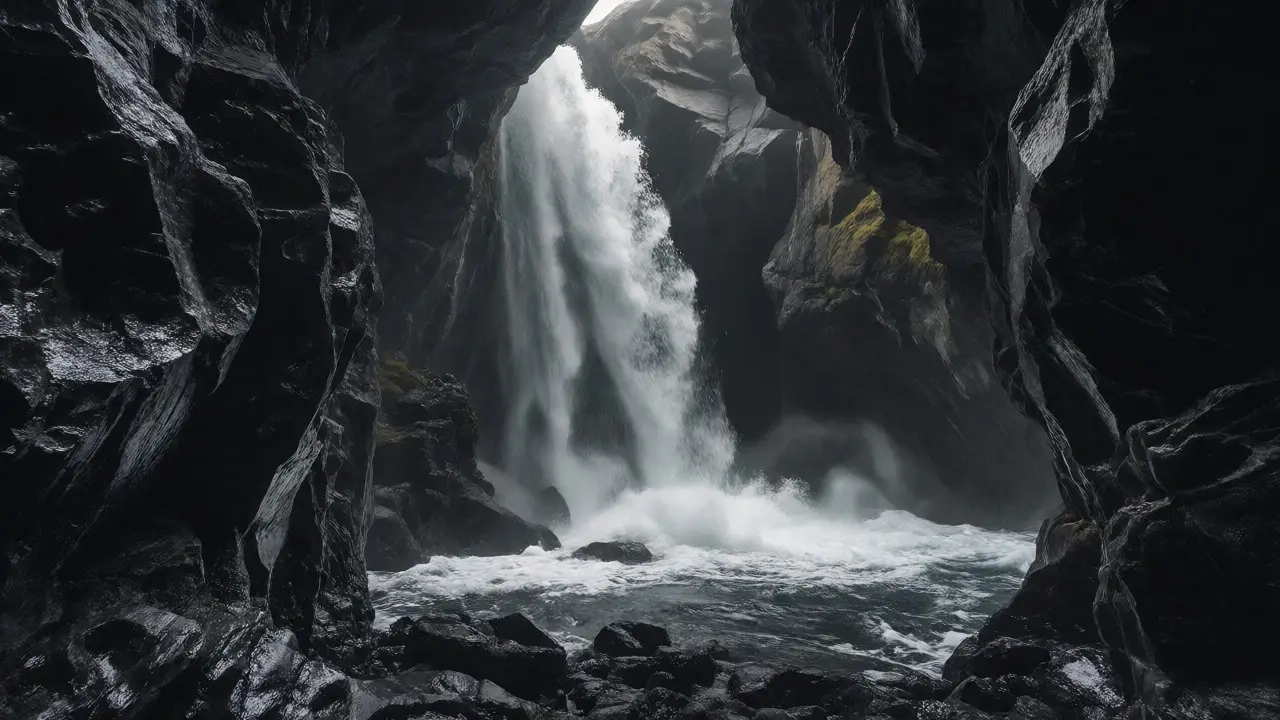
The highlight here is Smoo Cave near Durness. It’s a large sea cave with a waterfall inside, accessible via a short boardwalk. But beware: parking at Smoo Cave fills up by 10 AM in summer. Go early or late.
Another critical stop is Rona Shore and the Arrochar Hotel area, though these are further south. Near Durness, look for Balnakeil Beach. It’s stunningly beautiful and often deserted even in peak season. If you’re camping, there are designated spots nearby, but check local rules as they change frequently.
For overnight stays, Durness itself is small but has options. However, consider pushing slightly east to Tongue if Durness is full. Tongue has better facilities and is still close enough to hit the main sights the next morning.
Stage 3: The East Coast Ascent (Durness to Thurso)
As you round the top of Scotland, the weather becomes your biggest variable. Fog can roll in fast, obscuring the cliffs. Drive carefully. This section connects the far north to the eastern mainland.
Towns to Note:
- Tongue: A gateway to the north. Great for stocking up on groceries before hitting the emptier stretches.
- John o’ Groats: Yes, it’s touristy. Yes, you should go. Take the photo, buy the badge, then leave. The real beauty is in the cliff paths leading away from the signpost.
- Thurso: A proper town with supermarkets, cinemas, and reliable hotels. Use this as your resupply point before heading south.
Accommodation here is more plentiful than in the west, but prices spike during festivals or events. Book ahead. If you miss Thurso, Wick is your next option, but it adds significant mileage.
Stage 4: The Southern Return (Thurso to Inverness)
The final leg is often rushed, which is a shame because it holds some of the best castles and lochs. You’re heading south along the east coast, then cutting inland.
Don’t skip Dunbeath Castle or the Castle of Mey, the former residence of the Queen Mother. Both offer deep dives into Scottish history. Further south, Helmsdale is a charming village with a heritage center worth visiting.
As you approach Inverness, consider stopping at Loch Ness. While Urquhart Castle is crowded, walking the shoreline nearby gives you the same vibe without the ticket price. Finally, you return to Inverness, completing the circle.
Practical Tips for Overnight Stops
Finding a bed isn’t always easy. Here’s how to navigate the lodging landscape:
- Book Early: For July and August, secure rooms 6+ months in advance.
- Self-Catering vs. Hotels: Self-catering lets you cook, saving money on expensive restaurant meals. Hotels offer convenience but cost more.
- Camping: Wild camping is legal in Scotland under the Outdoor Access Code, but not everywhere. Stick to designated campsites near popular hubs like Ullapool or Durness to avoid fines.
- Off-Season Perks: Traveling in May or September means fewer crowds and lower prices. The light lasts longer in summer, allowing for later drives.
Common Pitfalls to Avoid
First, don’t ignore the weather forecast. A sunny morning doesn’t guarantee a clear afternoon. Check Met Office alerts daily. Second, respect single-track roads. Pull into passing places regularly to let others pass. Aggressive driving here is dangerous and frowned upon.
Third, manage your fuel. Stations are sparse in the far north. Fill up whenever you see one, especially between Ullapool and Thurso. Running out of petrol in the middle of nowhere is a costly mistake.
How many days do I need for the NC500?
Most travelers spend 5 to 7 days. This allows for 60-80 miles per day, leaving time for stops. Five days is tight but doable if you stick to main routes. Seven days is comfortable and recommended for first-timers.
Is the NC500 suitable for motorhomes?
Yes, but be cautious. Many roads are narrow with steep gradients. Some bridges have weight limits. Plan routes using apps specifically designed for larger vehicles, and avoid the most remote single-tracks if possible.
Where is the best place to stay on the west coast?
Ullapool is the most convenient due to its size and amenities. However, smaller villages like Scourie or Rhiconich offer quieter, more atmospheric stays if you prefer solitude over convenience.
Do I need a 4x4 vehicle?
No. A standard car handles the main NC500 route fine. Only consider a 4x4 if you plan to take significant off-road detours or visit very remote beaches with unpaved access points.
What is the best time of year to visit?
May and September offer the best balance of weather, daylight, and crowd levels. July and August have the longest days but also the highest number of tourists and midges.
Planning the NC500 isn’t about ticking boxes; it’s about curating experiences. By breaking the route into regional stages and securing your overnight stops in advance, you transform a potentially chaotic journey into a structured adventure. Pack layers, bring snacks, and keep your eyes on the horizon. The Highlands reward those who take their time.
Comments (8)
-
alex kobri September 11, 2026
the deceptive distance thing is real and i cant stress it enough
you look at the map and think oh easy drive but then you hit a single track road with no passing places for ten miles and suddenly its dark out
i learned this the hard way trying to do too much in one day
breaking it into regions like suggested here saves your sanity
also fuel stations are non existent in some parts so fill up whenever you can

-
Tamara Miller September 12, 2026
Finally someone who understands that this isn't just a checklist! The "white-knuckling" comment? Spot on. Most people treat Scotland like a theme park instead of a wild, unforgiving landscape. If you aren't respecting the weather or the roads, you don't deserve to be there.

-
Anthony Miller September 13, 2026
It is frankly absurd that anyone would attempt this route without prior reservation confirmation given the scarcity of lodging in remote areas such as Durness and Ullapool during peak season Furthermore the assertion regarding standard vehicles handling the main route ignores the reality of modern driver incompetence which leads to unnecessary congestion on narrow passes One must possess both logistical foresight and mechanical sympathy to succeed here otherwise one becomes merely another obstacle on the road

-
Quintin Franzese September 13, 2026
love how this guide doesn't sugarcoat the fact that John o' Groats is basically a tourist trap. take the photo leave immediately. also smoo cave parking situation is brutal in summer. go early or don't bother.

-
michelle veluz September 15, 2026
Wait wait wait... did they really say wild camping is legal everywhere?? That's what they WANT you to believe!! I heard rumors that local councils are cracking down HARD because tourists are leaving trash everywhere and ruining the pristine landscape It's a conspiracy to keep the locals poor while tourists destroy nature You have to be careful or they'll fine you into oblivion!! Also why is everyone obsessed with Inverness start/end? It's obviously rigged for hotel profits!!

-
Susan Cole September 16, 2026
Agreed on the pacing advice. Trying to rush makes you miss the small details like the bakery in Achnasheen or the quiet beaches near Balnakeil. Those moments are worth more than ticking off another town.

-
Savara Gunn September 17, 2026
Really helpful breakdown. Booking early is key especially for July/August. Self-catering saved us so much money compared to eating out every night. Hope you all have a great trip!

-
Zach Loescher September 18, 2026
I wonder if the regional approach works better for motorhomes since they need more space for passing places?
