
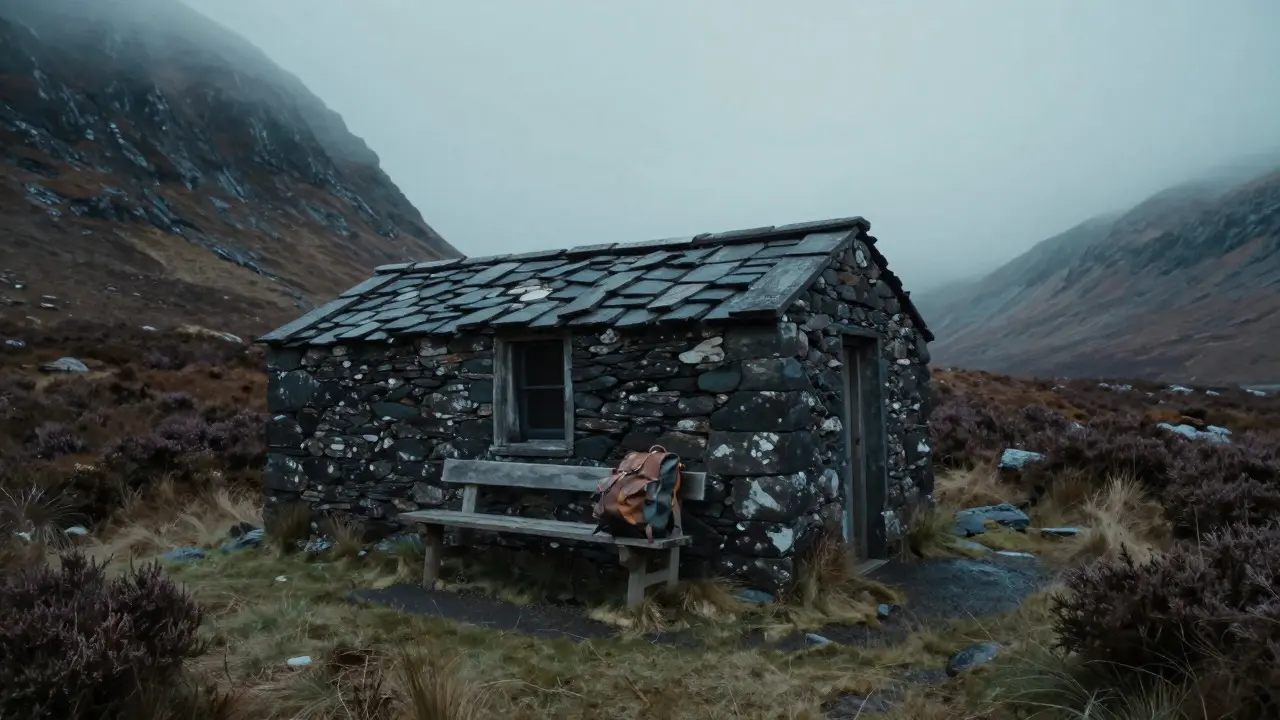
Imagine waking up to the sound of rain tapping against a wooden roof, the smell of pine in the air, and a view that makes your city life feel like a distant memory. That’s the promise of staying out in the Scottish wilds. But when you start planning, you hit a wall of confusion: what exactly is the difference between a bothy is a simple, unheated shelter found on public land, often maintained by volunteers or organizations like the National Trust for Scotland, and a cabin is a private, fully equipped rental property with amenities like electricity and running water? One is a roughing-it adventure; the other is a cozy retreat. Choosing the wrong one can turn a dream trip into a nightmare of damp socks and cold nights.
This guide cuts through the noise. We’ll break down exactly what you get with each option, how to book them without getting scammed, and which one fits your travel style. Whether you’re a seasoned hiker looking for solitude or a couple wanting a romantic getaway with hot water, you’ll know exactly where to spend your money and time.
The Core Difference: Shelter vs. Home
Let’s clear up the biggest misconception first. A bothy is not a hotel room. It is not even a standard campsite. Think of a bothy as a communal refuge. These structures are typically located in remote areas, accessible only by foot or 4x4 vehicle. They usually consist of a single room with bunks, a table, and a stove. There is no electricity, no Wi-Fi, and rarely any running water. You bring your own bedding, your own food, and your own sense of self-reliance.
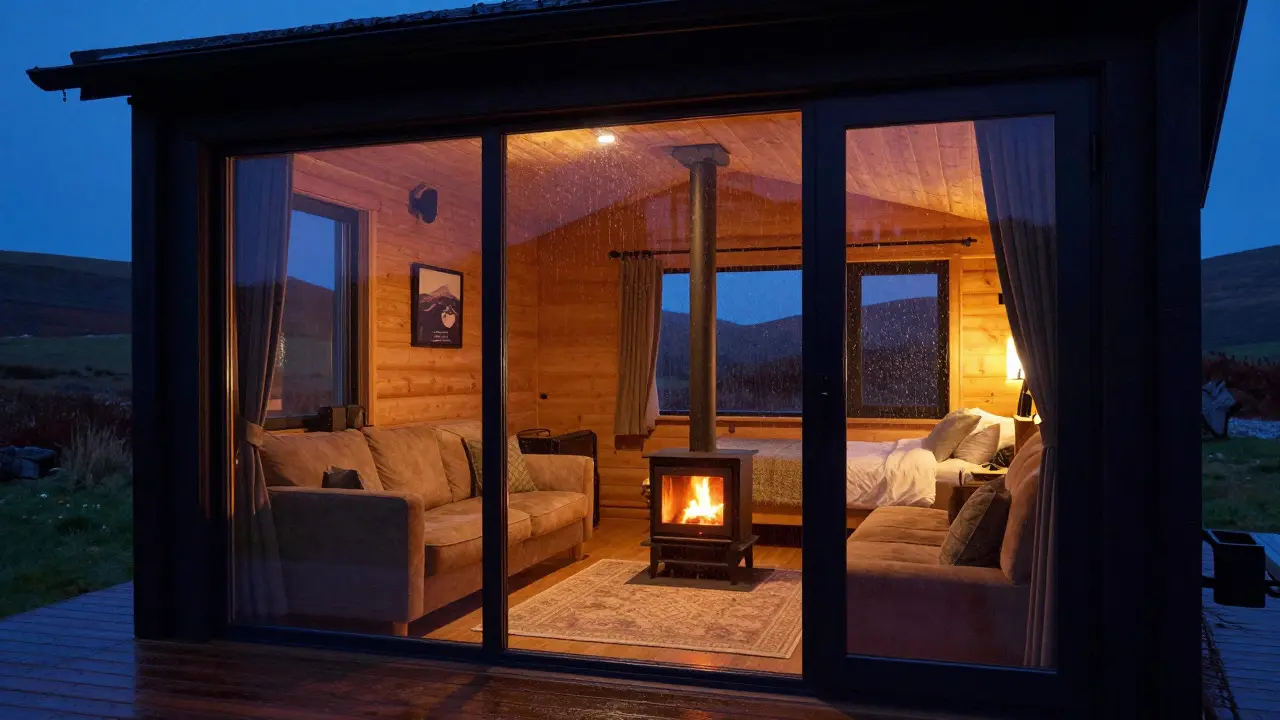
In contrast, a cabin is a standalone unit. When you book a cabin, you are renting a space exclusively for yourself. Most modern cabins in Scotland come with proper beds, a kitchenette, a bathroom with a shower, and central heating. Some high-end options even include wood-burning stoves, smart TVs, and outdoor hot tubs. The key distinction is privacy and comfort. In a bothy, you share the space with whoever else shows up. In a cabin, it’s just you (and your group).
| Feature | Bothy | Cabin |
|---|---|---|
| Cost per Night | Free to £15 donation | £80 - £300+ |
| Amenities | Bunks, table, stove (sometimes) | Kitchen, bathroom, heating, electricity |
| Privacy | Shared with other users | Exclusive use |
| Booking Method | First-come, first-served or via specific trust websites | Online platforms, direct owner sites |
| Best For | Hikers, budget travelers, adventurers | Families, couples, luxury seekers |
What to Expect Inside a Bothy
If you choose the bothy route, prepare for minimalism. Most bothies in Scotland are managed by organizations like the National Trust for Scotland or local hillwalking groups. They follow a strict code of conduct. You must leave the place cleaner than you found it. This isn’t just polite; it’s often a condition of entry.
Here is what your night will likely look like:
- Sleeping: You will find wooden bunks. Bring your own sleeping bag and mat. Blankets are sometimes provided but rarely clean enough for direct skin contact without a liner.
- Heating: If there is a stove, it’s usually a wood-burning or paraffin type. You need to bring fuel or wood if specified. Many bothies have no heat source at all.
- Water: Assume there is no tap. Carry water in bottles or use a filter if you plan to drink from nearby streams. Check the specific bothy info before you go; some have taps, but they may be frozen in winter.
- Lighting: No power outlets. Bring a headlamp and batteries. Candles are allowed in some places but banned in others due to fire risk.
The social aspect can be a highlight. Because bothies are shared spaces, you might meet fellow hikers, climbers, or photographers. It’s a low-key way to connect with people who share your love for the outdoors. However, don’t expect hospitality. Everyone is there for their own reasons, and silence is often respected after dark.
The Cabin Experience: Comfort and Privacy
Staying in a cabin is a different ball game entirely. These properties are often part of small holiday parks or privately owned estates. The variety is huge. You can find rustic log cabins that still feel rugged but offer a real bed and a toilet. Then there are the luxury lodges with underfloor heating, en-suite bathrooms, and fully stocked kitchens.
When booking a cabin, you are paying for convenience. You don’t need to carry a tent. You don’t need to worry about finding a safe place to pitch. You arrive, unpack, and relax. Many cabins are located near major walking routes, so you get the best of both worlds: the adventure of hiking during the day and the comfort of a warm shower at night.
One thing to note is the check-in process. Unlike a bothy where you just walk in, cabins require a reservation. You’ll usually get a set arrival time, or instructions for self-check-in using a lockbox or digital keypad. Make sure you confirm these details clearly, especially if you’re traveling to a remote area where mobile signal is spotty.
How to Book: Avoiding the Headaches
Booking a bothy is tricky because many are not listed on major travel sites. Here is how to do it right:
- Check the Landowner’s Rules: Not all bothies are open to the public. Some are reserved for staff or specific groups. Always check the official website of the managing organization (e.g., NTS, Forestry Commission) before driving hours to find it closed.
- Use Specialized Apps: Apps and websites dedicated to UK bothies provide up-to-date status reports from recent visitors. This is crucial because conditions change rapidly.
- Be Flexible: Since bothies are first-come, first-served in many cases, have a backup plan. If your chosen spot is full, know an alternative nearby.
For cabins, the process is straightforward but requires attention to detail. Use reputable platforms or book directly with the owner. Read recent reviews specifically mentioning cleanliness and accuracy of descriptions. Photos can be deceiving. A "rustic" cabin might mean no hot water, while another might mean a charming stone fireplace. Ask questions if anything is unclear.
Cost Breakdown: What Will You Actually Spend?
Money talks, but it also whispers in the Scottish Highlands. Let’s look at the realistic numbers.
Bothy Budget: Most bothies ask for a donation of £5-£10 per person per night. Some are free but require you to sign a register. Your main costs will be gear. If you don’t already own a good sleeping bag, boots, and waterproof clothing, this can add up. Food is also a factor since you won’t have access to restaurants in remote locations. Pack non-perishable snacks and easy-to-cook meals.
Cabin Budget: Prices vary wildly based on location and season. In summer, a basic two-bedroom cabin might cost £100-£150 per night. Luxury lodges can easily hit £250-£400 per night. Add in utility fees (if not included), cleaning fees, and potential tourist taxes. However, you save on gear costs since the accommodation provides most essentials. You can also eat out more easily if the cabin is near a village.
Which One Is Right for You?
It comes down to your priorities. Ask yourself these questions:
- Do I want to sleep in a real bed? If yes, go for a cabin. Bunks in bothies are fine, but after a long hike, a mattress feels like heaven.
- Am I comfortable sharing space? If you value intense privacy, a cabin is essential. Bothies are communal.
- Is my budget tight? Bothies are significantly cheaper, allowing you to save money for experiences rather than accommodation.
- How far am I willing to walk? Bothies are often deep in the wilderness. Cabins are usually accessible by car, making them better for families with young children or those with limited mobility.
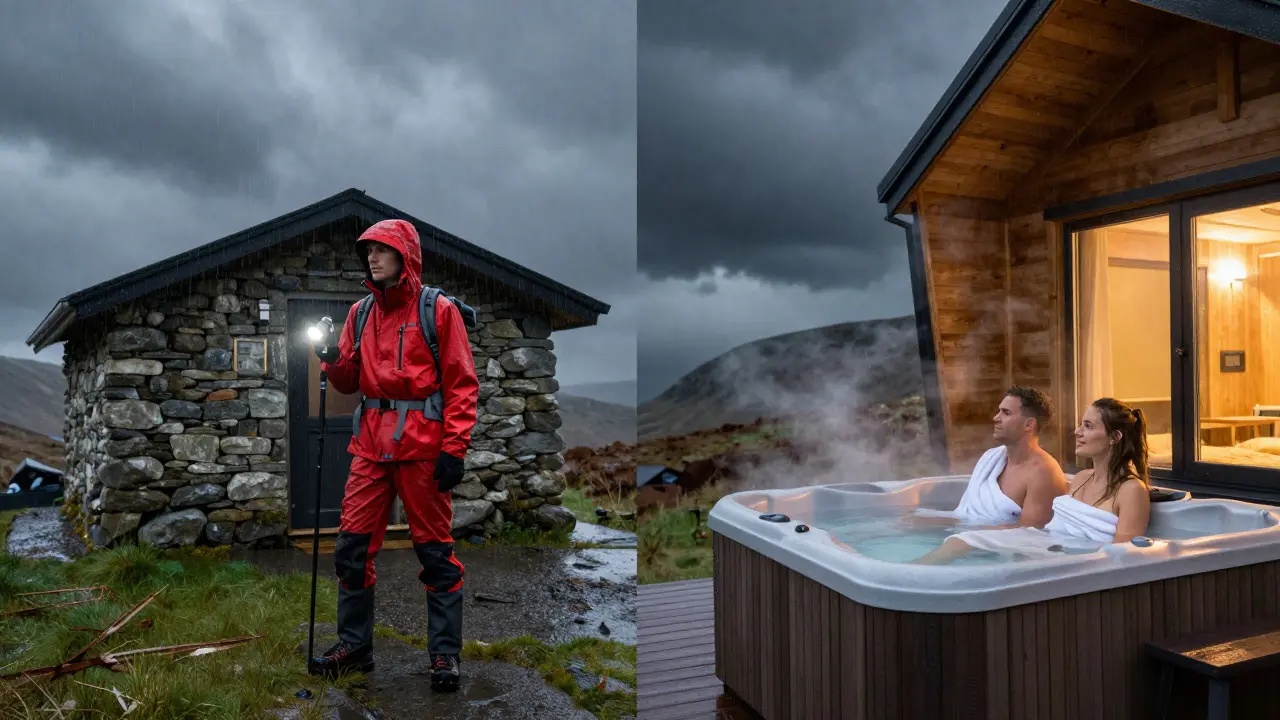
Many travelers actually mix both. You might stay in a cabin for two nights to settle in, then move to a bothy for a weekend of serious hiking before returning to the cabin for the final days. This hybrid approach gives you the best of both worlds.
Practical Tips for a Smooth Stay
Regardless of your choice, preparation is key. Scotland’s weather is unpredictable. Rain, wind, and sudden temperature drops can happen in minutes.
Pack Layered Clothing: Even in summer, nights can be cold. Wool base layers, fleece mid-layers, and a waterproof shell are non-negotiable.
Check Weather Forecasts Daily: Conditions change fast. Have a Plan B for bad weather. If you’re in a bothy, being stuck indoors for three days is manageable but can get boring. If you’re in a cabin, you can enjoy the indoor comforts.
Respect the Environment: Scotland’s landscapes are fragile. Stick to marked paths where possible. Pack out all your trash. Leave no trace. This applies doubly to bothies, which are often in sensitive ecological areas.
Download Offline Maps: Mobile coverage is patchy in remote areas. Download maps for your region before you lose signal. This helps with navigation and emergency preparedness.
Are bothies safe to stay in alone?
Generally, yes, but safety depends on location and personal comfort level. Bothies are in remote areas, so isolation is the main risk. Keep your phone charged, inform someone of your itinerary, and check recent user reports for any issues. Crime is rare, but wildlife and weather are bigger concerns.
Can I cook in a bothy?
Yes, if there is a stove or cooking area. Many bothies have a basic stove for heating and cooking. Bring appropriate fuel. If there is no stove, you can use a portable gas stove outside, provided you follow local rules. Always keep flammable materials away from the structure.
What is the cancellation policy for cabins?
Policies vary by owner and platform. Some offer flexible cancellation up to 7 days before arrival, while others are non-refundable. Always read the terms carefully before booking. Direct bookings with owners often allow more flexibility than third-party platforms.
Do I need permission to enter a bothy?
Usually, no formal permission is needed if it is open to the public, but you must follow the house rules. Some bothies require you to sign a guestbook or pay a small fee. Always check the specific guidelines for the bothy you plan to visit to avoid any surprises.
Are pets allowed in bothies and cabins?
Pets are generally discouraged in bothies due to hygiene and space constraints. Check specific rules. For cabins, it depends on the owner. Many welcome pets but may charge an extra fee. Always confirm pet policies before booking to ensure a smooth stay.