
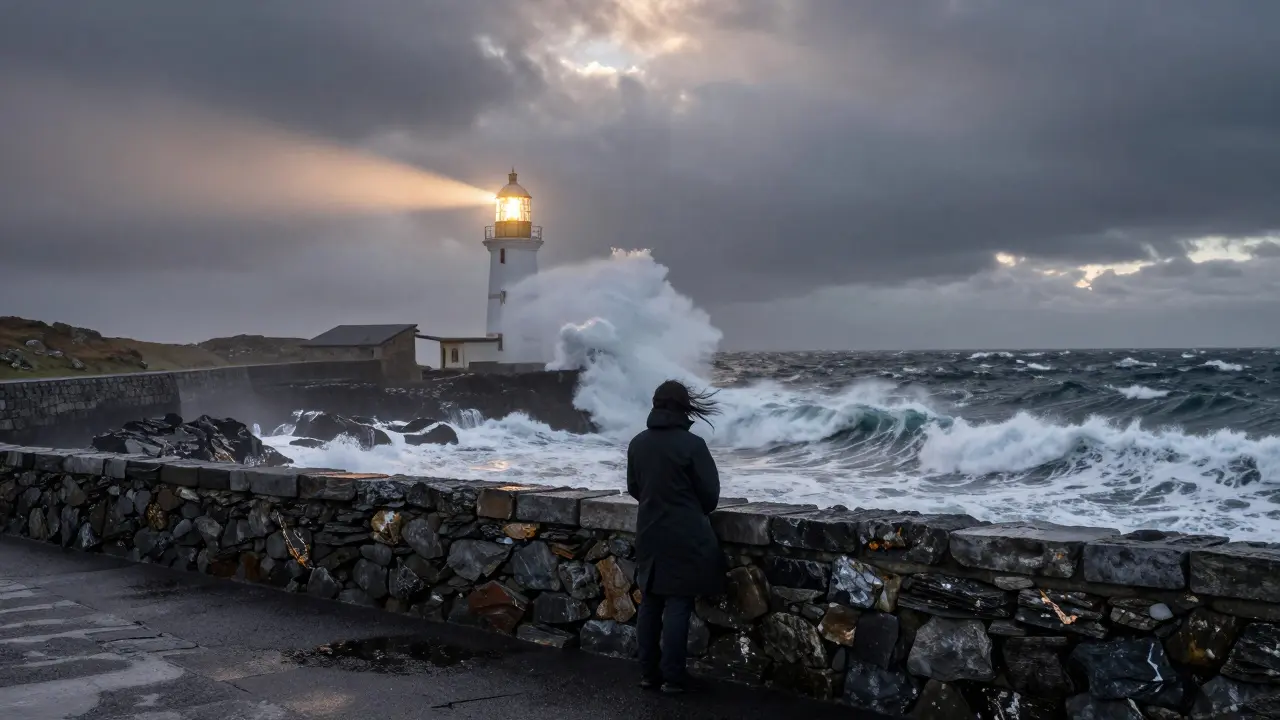
There’s something raw and real about watching a North Sea storm roll in off the coast of Scotland. The sky turns slate gray, the wind picks up like a freight train, and the waves crash against the rocks with a sound that vibrates in your chest. It’s not for everyone-but if you’ve ever stood on a cliff at Cruden Bay or watched the waves explode at Dunnet Head, you know why people come back. Storm watching isn’t about danger for thrill’s sake. It’s about witnessing nature’s power up close, safely, and with respect.
When to Go: The Best Seasons for Storm Watching
Storm watching in Scotland isn’t a year-round activity. The real action happens between October and March. That’s when the Atlantic low-pressure systems hit hardest, fueled by jet stream winds and warm ocean currents. December and January are the peak months. The nights are long, the skies are clear between squalls, and the waves can reach over 15 meters high along the north and west coasts.
Don’t go in summer. The storms are mild, the sea is calm, and you’ll miss the spectacle. Even in early autumn, like September, the energy isn’t there yet. You want the full force-when the wind howls at 60 mph and the spray flies sideways. The Met Office often issues amber or red weather warnings during these periods. That’s your cue to pack your coat, grab your boots, and head out-not to stay inside.
Where to Watch: Top 5 Safe Spots
You don’t need to risk your life to see a storm in all its glory. There are dozens of safe, accessible viewpoints along Scotland’s coast. Here are the top five spots, chosen for their views, accessibility, and safety features.
- Clachtoll Beach, Sutherland - A wide, open stretch backed by cliffs with marked viewing platforms. No cliffs to scramble over, no slippery rocks. Just you, the wind, and waves crashing into the basalt stacks below.
- Neist Point Lighthouse, Isle of Skye - The lighthouse walk is paved and fenced. The view of waves slamming into the sea stacks is unforgettable. Bring a thermos. It’s cold even in October.
- Crummock Water, Fife - Not a beach, but a coastal path with viewing shelters at Anstruther and Pittenweem. Great for families. The waves here hit the old fishing piers hard-perfect for watching the spray explode into rainbows.
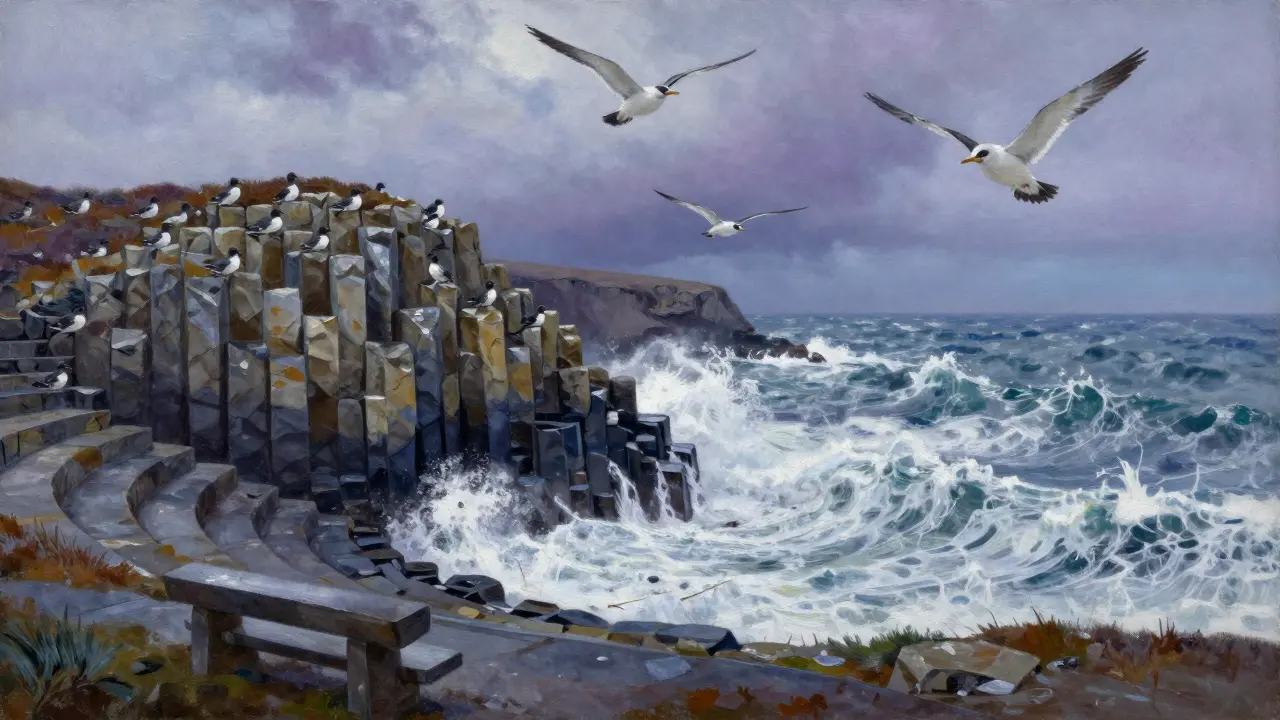
- Faraid Head, Sutherland - Remote, wild, and rarely crowded. The path is gravel, not steep, and the viewpoint overlooks a natural amphitheater of cliffs. Locals call it the ‘Storm Theater’.
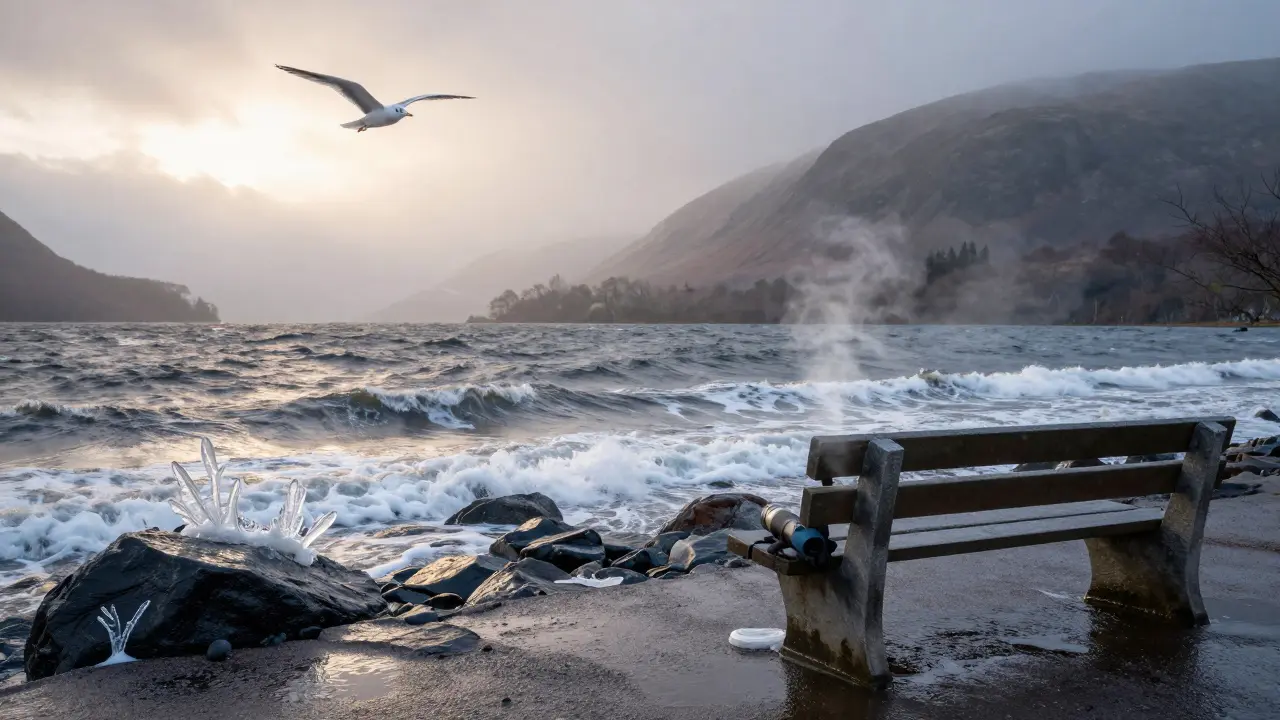
- Cape Wrath Trail Viewpoint (near Durness) - The northernmost point of mainland Britain. A short walk from the car park leads to a stone bench facing the open ocean. On a bad day, you’ll see waves taller than the cliffs.
Avoid places like the Old Man of Hoy or the cliffs at Dunbar unless you’re experienced. These spots are beautiful but deadly when the wind picks up. Rocks become slick with salt, and sudden gusts can knock you off balance. Stick to the marked paths.
How to Stay Safe: Rules You Can’t Ignore
Safety isn’t optional. Storm watching kills people every year-not because they’re reckless, but because they underestimate the sea. Here’s what actually works:
- Stay behind barriers - If there’s a fence, wall, or sign that says ‘Keep Back’, don’t ignore it. Waves can surge 30 meters inland in seconds.
- Wear proper gear - Waterproof boots with grip soles, windproof jacket, and gloves. Regular raincoats won’t cut it. I’ve seen people in sneakers get soaked and shiver for hours. Cold is dangerous.
- Check the forecast, not just the weather - Look for wave height forecasts from the Marine Weather Service, not just ‘chance of rain’. A 5-meter wave isn’t scary. A 12-meter wave with 70 mph winds is.
- Never turn your back - Storms change fast. A calm moment can turn into a wall of water in under a minute. Always face the sea and keep an escape route in mind.
- Go with someone - Solo storm watching is tempting, but risky. If you slip or get hit by flying debris, you need help fast.
And no, your phone won’t save you. Signal drops are common on the coast. Carry a power bank and a paper map. The Ordnance Survey map for each area is worth the £5.
What You’ll See: Beyond the Waves
Storm watching isn’t just about the water. It’s about the whole show. You’ll see:
- Seabirds riding the wind - Guillemots, fulmars, and gannets don’t flee. They soar above the chaos, using the updrafts like a rollercoaster. Watch them dip into the spray-it’s mesmerizing.
- Sea foam that glows - At dusk, the foam can catch the last light and turn silver. In winter, it sometimes freezes on rocks, forming ice sculptures.
- Ships far out at sea - You’ll spot cargo vessels fighting the swell, tiny against the horizon. They look like toys, but they’re real. You’ll feel how small you are.
- The silence between storms - After a wave crashes, there’s a 10-second pause. The wind drops. The air smells like salt and ozone. That’s when you take a breath.
Bring a notebook. Or just sit quietly. This isn’t a photo op. It’s a moment to feel something deeper than Instagram can capture.
Why This Matters: Storms Are Part of Scotland’s Soul
Storm watching connects you to the land in a way tourism brochures never can. These coasts weren’t shaped by gentle tides. They were carved by centuries of winter gales. The cliffs at Cape Wrath? Formed by storms over 10,000 years. The fishing villages along the Moray Firth? Built to survive them.
When you watch a storm, you’re not just observing weather. You’re witnessing a force that shaped Scottish identity. The resilience. The quiet courage. The way people here don’t run from the wind-they learn to live with it.
That’s why storm watching isn’t just a hobby. It’s a kind of pilgrimage. Not to a church or a monument, but to the edge of the world, where the sea meets the sky, and you remember you’re part of something much bigger.
Is storm watching safe for children?
Yes, but only at designated viewing spots like Crummock Water or Neist Point, where paths are paved and barriers are in place. Keep kids close, dress them in layers, and never let them run near cliff edges. Avoid places like Dunnet Head or the Old Man of Hoy-those aren’t kid-friendly, even on calm days.
Do I need special equipment to watch storms?
Not fancy gear, but essentials: waterproof boots with good grip, a windproof jacket, gloves, and a hat. A thermos with hot tea helps. A camera is fine, but don’t risk your phone-salt spray ruins electronics fast. Bring a power bank and a paper map. No drone. They’re banned on most coastal cliffs in Scotland during storm season.
Can I watch storms from my car?
Some spots, like the parking area near Faraid Head, let you watch from your car. But you’ll miss the full experience. The wind, the sound, the smell-they don’t come through glass. If you’re uncomfortable walking, choose a spot with a sheltered viewing platform. Never park on narrow coastal roads or block emergency access.
Are storms more dangerous in Scotland than elsewhere?
Scotland’s coasts are more exposed than most. The North Atlantic delivers storms directly, with no land to break their force. The water is colder, the winds stronger, and the rocks sharper. A 10-meter wave here hits harder than one in Cornwall or Maine. Respect the difference. Don’t compare it to beaches you know.
What should I do if I get caught in a sudden storm?
Stay calm. Move away from the edge immediately. Find the nearest solid structure-a wall, a building, a rock overhang. Don’t run. The wind can knock you down. If you’re on a path, crouch low and wait. Call 999 if you’re injured or trapped. Don’t try to walk back through high winds. Wait it out. Help will come.
Next Steps: Planning Your Trip
Start by checking the Met Office marine forecast three days before you go. Look for wave heights over 6 meters and wind speeds above 50 mph. Pick one of the five safe spots listed above. Pack your gear the night before. Tell someone where you’re going and when you’ll be back. Arrive at least an hour before sunset-light fades fast in winter.
Bring a thermos, a snack, and your patience. Storm watching isn’t about speed. It’s about presence. When the first big wave hits, you’ll understand why people come back-not for the photos, but for the feeling.
Comments (11)
-
sonny dirgantara December 18, 2025
just went to cruden bay last month and it was insane. waves looked like they were gonna swallow the whole cliff. forgot my gloves and my fingers were numb for hours. worth it tho. 🥶

-
Amanda Ablan December 20, 2025
so glad you mentioned the marine forecast instead of just the weather app. i used to just check rain chances and got caught off guard once-ended up soaked and shivering for two hours. now i always check wave heights. life saver.

-
Zoe Hill December 21, 2025
you said it right-storm watching isn’t about photos. i tried to take a pic once and the salt spray ruined my lens. sat down after that, just listened. felt like i was hearing the earth breathe.

-
Lauren Saunders December 22, 2025
i’ve been storm watching since i was a kid in maine, and honestly, scotland takes it to another level. the rawness, the sound-it’s like nature’s orchestra tuning up before a symphony. the cliffs don’t just stand there, they vibrate. and that silence between waves? that’s when you realize how small you are, and not in a bad way. it’s grounding. like your soul resets. i’ve done this in iceland, norway, even the pacific northwest-but scotland’s got this quiet, ancient power that doesn’t yell, it just… holds you. i don’t even need to talk about it after. just sit. breathe. let the wind do the talking.

-
King Medoo December 23, 2025
people still go to dunbar? 😳 seriously? you’re one bad gust away from becoming a human splash. i saw a guy get swept off the rocks last winter-no body found. if you’re not wearing a helmet and a life vest, you’re not storm watching, you’re just being dumb. 🤦♂️

-
Janiss McCamish December 23, 2025
don’t bring a drone. period. they’re banned for a reason. one gust and it’s gone-plus you’re scaring the birds. just sit. watch. breathe.

-
Tia Muzdalifah December 25, 2025
i came from indonesia and i thought storms were just rain and thunder. this? this is like watching the ocean fight the sky. the way the foam glows at dusk? mind blown. i cried a little. 🌊✨

-
Taylor Hayes December 25, 2025
thank you for writing this with so much care. i’ve been trying to get my dad to come with me-he thinks it’s ‘just wind and water.’ after reading this, he booked a trip to neist point. said he wants to feel what you described. that’s the real win.

-
Steven Hanton December 26, 2025
your point about the cultural significance of these storms is profoundly accurate. the resilience embedded in scottish coastal communities isn’t just historical-it’s lived. i’ve met fishermen who still speak of storms as if they were old friends-sometimes cruel, sometimes necessary. this isn’t tourism. it’s communion.

-
Jamie Roman December 26, 2025
i read this whole thing twice. first time i was like ‘yeah cool,’ second time i realized how much i’ve been missing. i used to think storms were just bad weather to avoid. now i get it-this is how the land remembers. the cliffs, the piers, the way the gannets ride the wind like they’re dancing with chaos. i’m going to faraid head next month. no phone. no camera. just me, a thermos, and whatever the sea decides to show me.

-
Albert Navat December 27, 2025
you’re all missing the real issue: the hydrodynamic pressure differentials and vortex shedding along the basalt formations create micro-turbulence zones that are statistically lethal during peak wind shear events. if you’re not modeling wind vectors with NOAA’s WRF model, you’re just a tourist with a raincoat. 📊
