
Most people think of the Highlands or Edinburgh’s Old Town when planning a trip to Scotland. They rarely stop to consider that one of the most serene, meticulously designed landscapes in the country sits just fifteen minutes from the city center. Lauriston Castle is a historic estate in Midlothian featuring a stunning Japanese-style garden, a walled kitchen garden, and an award-winning arboretum. It is not just a pretty place for photos; it is a masterclass in landscape design that blends centuries of horticultural history with modern tranquility.
If you are looking for a break from the tourist crowds but still want world-class scenery, this is your spot. The castle itself dates back to the 16th century, but the gardens tell a more recent, equally fascinating story. Let’s walk through what makes this place special, how to plan your visit, and why it deserves a spot on your itinerary.
The Heart of the Estate: The Japanese Garden
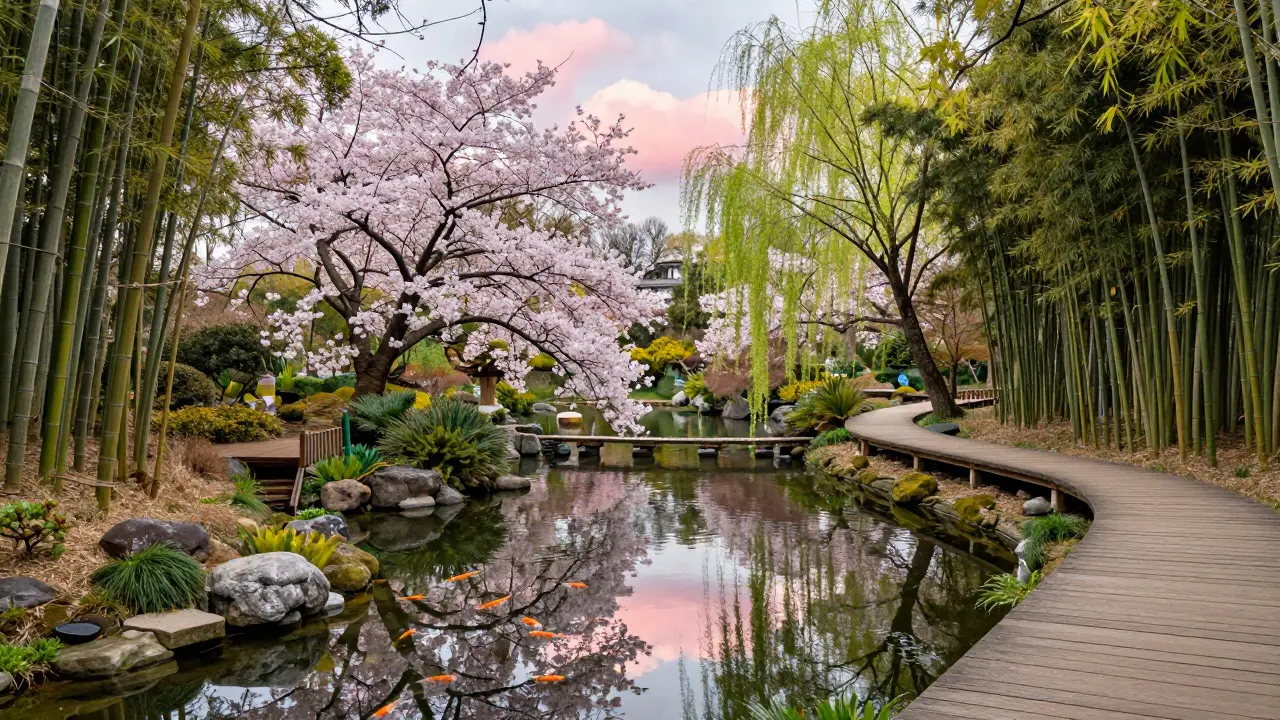
The main draw for many visitors is the Japanese Garden at Lauriston Castle. Created in the early 2000s by landscape architect David Slavin, this garden was designed to mimic the natural beauty of Japan using native Scottish plants where possible. It is a study in balance. You will find winding paths, stepping stones over streams, and carefully placed rocks that invite quiet contemplation.
Unlike traditional English formal gardens, which demand symmetry, the Japanese garden here embraces asymmetry. This creates a sense of natural flow. As you walk along the wooden boardwalks, you pass bamboo groves that rustle in the wind and water features that provide a constant, soothing background noise. In spring, cherry blossoms (Prunus serrulata) burst into pink clouds, while autumn brings fiery reds and golds from maple trees.
What makes this garden unique is its accessibility. Many Japanese gardens require steep climbs or narrow bridges. Here, the design considers all abilities, ensuring that the peace and beauty are available to everyone. It is a place to slow down. There are benches tucked away under weeping willows where you can sit for twenty minutes and watch the koi fish dart through the clear water.
Beyond Japan: The Walled Kitchen Garden
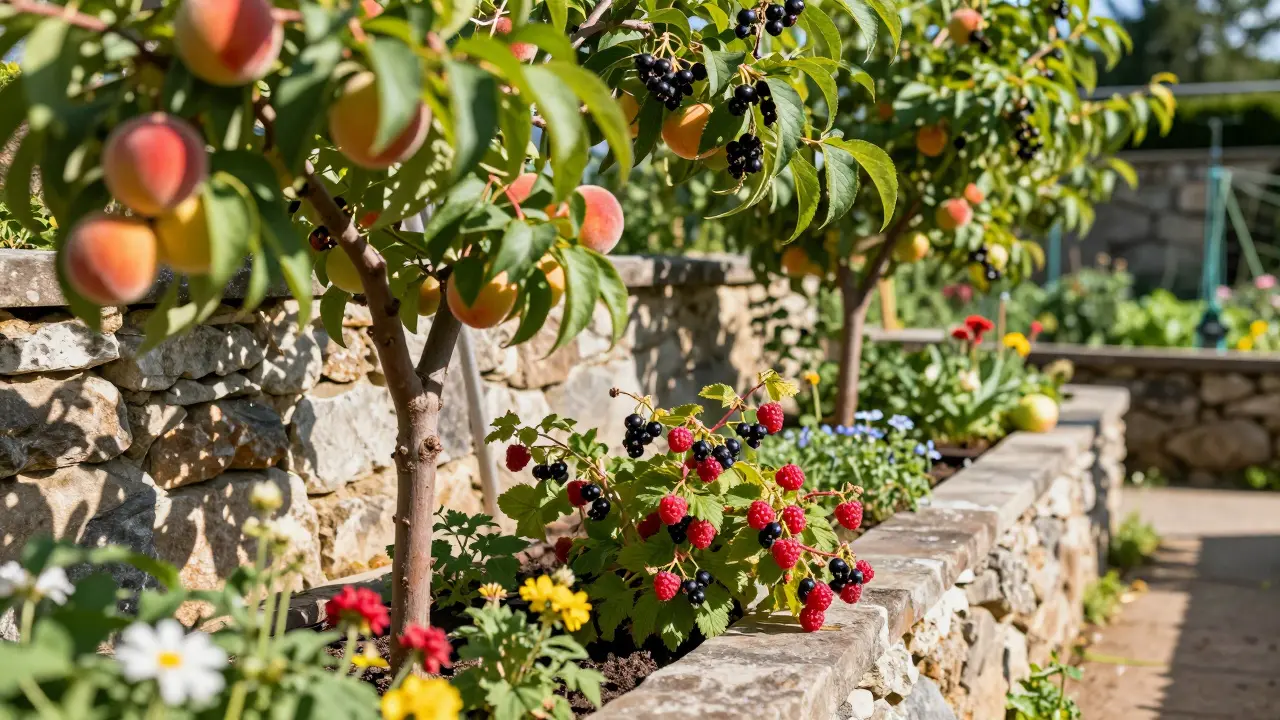
While the Japanese garden gets the headlines, the Walled Kitchen Garden is equally impressive. Enclosed by high stone walls that trap heat and protect against wind, this area feels like a secret sanctuary. Historically, these walls would have protected the crops that fed the castle residents. Today, they house a vibrant mix of fruit trees, vegetable plots, and ornamental flowers.
In summer, the air smells of ripening peaches and herbs. You will see rows of raspberries, blackcurrants, and apples growing against the sun-facing walls. The layout is practical yet beautiful, demonstrating how food production can be integrated into aesthetic design. If you visit during harvest season, you might even catch staff picking fresh produce for the castle’s café.
This section also highlights the estate’s commitment to sustainability. Composting bins are visible, and rainwater harvesting systems feed the irrigation channels. It is a living example of how historical agricultural practices can adapt to modern environmental concerns. For gardening enthusiasts, this is a goldmine of ideas for small-space growing.
The Arboretum and Woodland Walks
For those who prefer wilder scenery, the Lauriston Castle Arboretum offers miles of woodland walks. Spanning over forty acres, this area contains hundreds of tree species from around the world. Some are rare specimens, others are common favorites like oaks and birches. Each tree is labeled, making it easy to learn as you stroll.
The woodland floor changes dramatically with the seasons. In late winter, snowdrops create white carpets beneath the bare branches. By May, bluebells turn the forest into a deep purple haze. Autumn brings a crunch of fallen leaves underfoot. The paths are well-maintained but retain a natural feel, with roots and rocks adding texture to the terrain.
Wildlife abounds here. Keep an eye out for deer grazing in the meadows, squirrels chasing each other up ancient trunks, and birdsong filling the air. The diversity of habitats supports a rich ecosystem, from insects pollinating wildflowers to fungi decomposing leaf litter. It is a reminder that gardens are not just about plants; they are about life.
History and Architecture: The Castle Itself
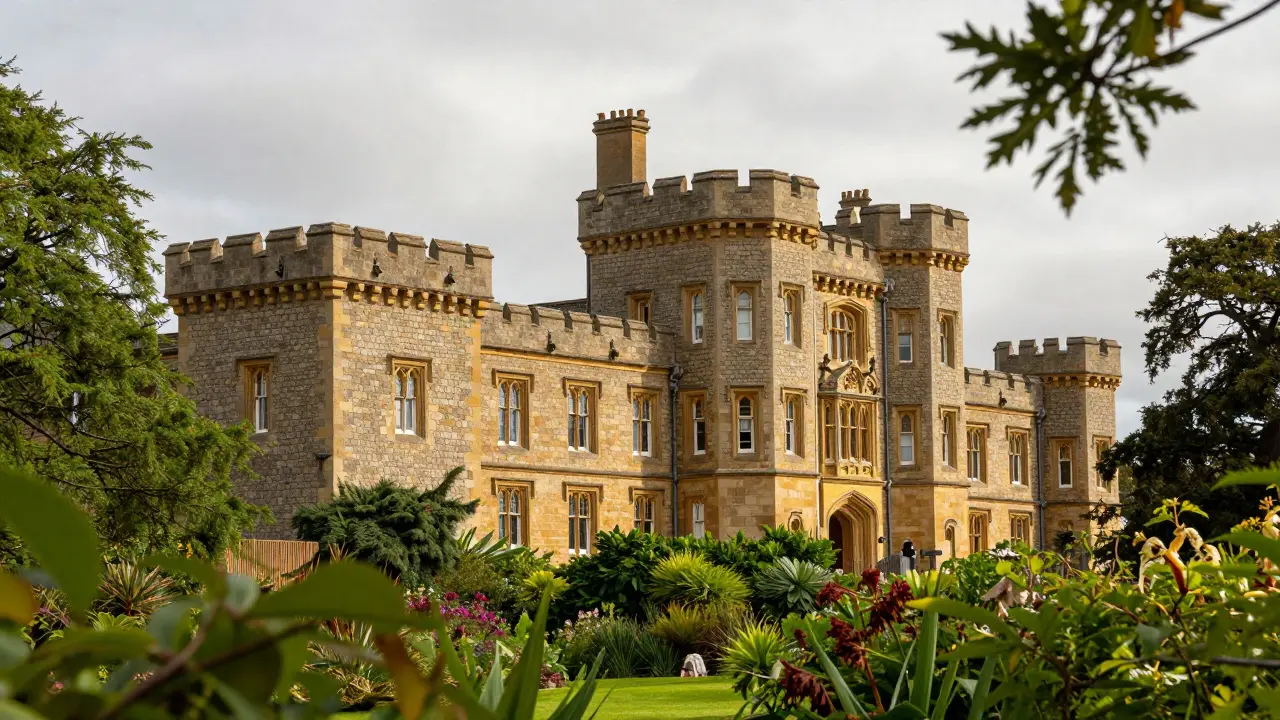
You cannot talk about the grounds without mentioning the building that anchors them. Lauriston Castle Building has stood since the 1500s, though much of what you see today reflects Victorian renovations. The exterior is built from local sandstone, giving it a warm, golden hue that contrasts beautifully with the greenery. Inside, tours offer glimpses into the lives of the families who lived there, including portraits, antique furniture, and historical documents.
The castle survived wars, fires, and neglect. Its preservation is a testament to dedicated volunteers and heritage organizations. While the interior visits may require booking ahead, the exterior alone is worth photographing. The turrets and battlements rise above the treetops, creating a picturesque backdrop for the gardens below.
Planning Your Visit: Practical Tips
Getting to Lauriston Castle is straightforward. Located in Bonnyrigg, Midlothian, it is easily accessible by car via the A701 road. Public transport options include buses from Edinburgh Waverley Station, with a short walk to the entrance. Parking is free and ample, so you do not need to worry about finding a spot.
Opening Hours: The gardens are typically open daily from April to October, usually from 10:00 AM to 5:00 PM. During winter months, hours may be reduced, and some areas might close for maintenance. Always check the official website before heading out, especially if visiting near holidays.
Tickets: Entry fees are reasonable, often around £8-£10 for adults, with discounts for children, seniors, and concession holders. Family tickets offer good value. Membership options exist for frequent visitors, providing unlimited access throughout the year.
Best Time to Go: Spring (April-May) showcases the cherry blossoms and daffodils. Summer (June-August) offers lush greenery and long days. Autumn (September-October) delivers spectacular foliage colors. Winter provides a stark, peaceful atmosphere, perfect for solitude.
| Feature | Details |
|---|---|
| Location | Bonnyrigg, Midlothian, near Edinburgh |
| Key Attractions | Japanese Garden, Walled Kitchen Garden, Arboretum |
| Estimated Visit Duration | 2-3 hours |
| Pet Policy | Dogs allowed on leads in most areas |
| Café Available | Yes, serving light meals and refreshments |
Why Choose Lauriston Over Other Gardens?
Edinburgh has several famous gardens, such as the Royal Botanic Garden and Princes Street Gardens. So why go to Lauriston? The answer lies in its intimacy. Large public parks can feel overwhelming, with crowds and noise. Lauriston Castle maintains a smaller scale, allowing for a more personal connection with nature. You are less likely to bump into strangers here.
Additionally, the combination of styles-Japanese, Victorian, and woodland-offers variety in a compact space. You get the precision of Asian design, the productivity of a kitchen garden, and the wilderness of a forest, all within walking distance of each other. It is a curated experience rather than a sprawling expanse.
Finally, the staff and volunteers are incredibly knowledgeable. They are happy to share stories about specific plants, the history of the castle, or tips for maintaining your own garden. This human element adds depth to the visit, transforming it from a simple sightseeing stop into an educational opportunity.
Is Lauriston Castle wheelchair accessible?
Yes, the main paths through the Japanese Garden and parts of the Walled Kitchen Garden are paved and suitable for wheelchairs. However, some woodland trails in the Arboretum may be uneven or muddy, so caution is advised. Accessible toilets are available near the visitor center.
Can I bring my dog to Lauriston Castle Gardens?
Dogs are welcome in most outdoor areas, including the Japanese Garden and Arboretum, provided they are kept on a short lead. This ensures the safety of wildlife and other visitors. Please clean up after your pet. Dogs are not permitted inside the castle building or the café.
Are there guided tours available?
Guided tours of the castle interior are offered on select dates and must be booked in advance. The gardens themselves are self-guided, but informational plaques and maps are available at the entrance. Volunteers are often present to answer questions and provide insights.
What is the best time of year to see the cherry blossoms?
Cherry blossoms typically bloom between mid-April and early May, depending on the weather. Late April is usually the peak period. If you miss this window, the azaleas and rhododendrons in the Arboretum provide vibrant color throughout June.
Is there parking available at Lauriston Castle?
Yes, there is a large, free car park located directly adjacent to the castle entrance. It is easy to find and accommodates cars, vans, and coaches. Electric vehicle charging points are also installed for convenience.