
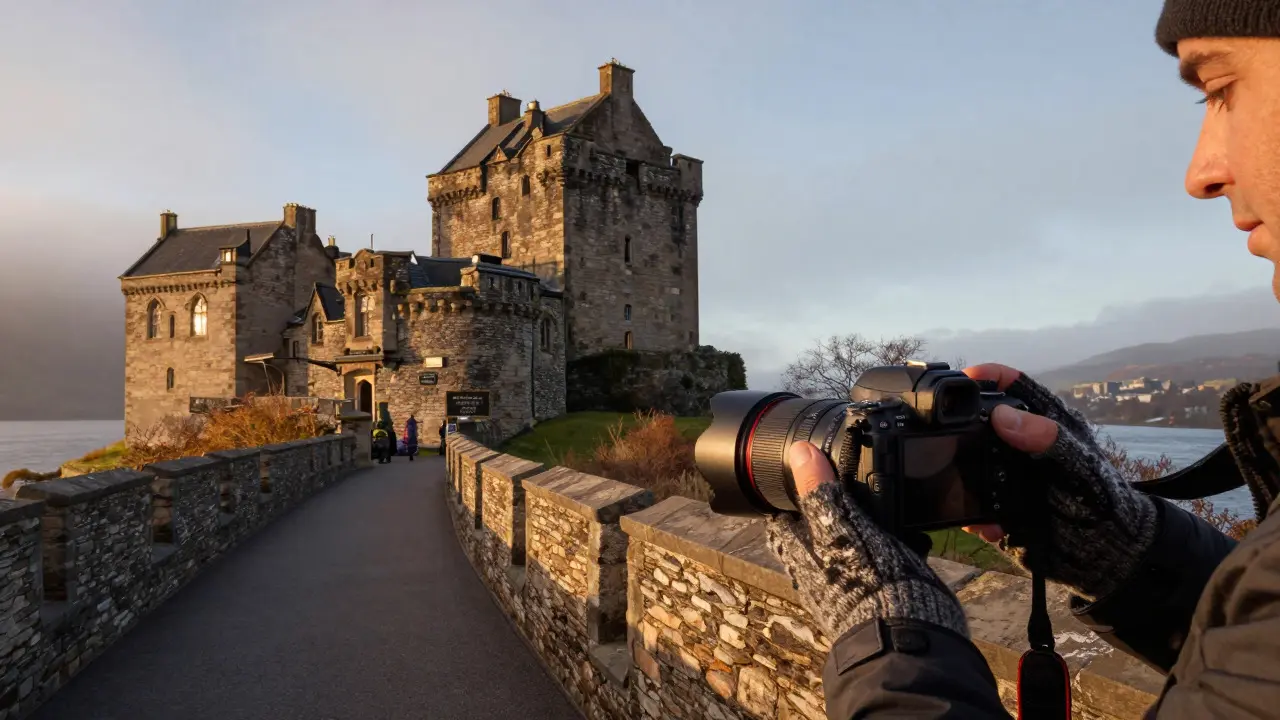
You stand on the crumbling ramparts of Eilean Donan Castle, a medieval fortress restored in the early 20th century in the Highlands. The light is perfect-that soft, golden glow that makes stone look ancient and dramatic. You raise your camera, but then you see it: a sign near the entrance mentioning "commercial use" or perhaps a staff member asking about your gear. It’s a moment every photographer in Scotland knows well. We love capturing these places, but the rules around doing so can be as complex as the history they hold.
If you are planning to shoot at heritage sites across Scotland, whether you are a hobbyist with a mirrorless camera or a professional with a tripod and lighting kit, understanding the landscape is crucial. Scotland does not have one single law for all photography. Instead, it operates under a patchwork of site-specific policies managed by different organizations. Getting this wrong doesn’t just mean a fine; it means missing the shot because you were arguing with security.
The Golden Rule: Personal vs. Commercial Use
The biggest divide in Scottish heritage photography isn't about drones or tripods-it's about intent. Almost every major organization, including Historic Environment Scotland (HES), the public body responsible for safeguarding Scotland's historic environment, distinguishes sharply between personal and commercial photography.
Personal use is generally free and unrestricted. If you are taking photos for your Instagram feed, your family album, or a personal blog where you don't sell stock images directly, you are usually safe. You can walk through the grounds of Edinburgh Castle, a historic fortress standing atop Castle Rock in Edinburgh and snap away without asking permission. However, "personal" has limits. If you start using a large backdrop, hiring models, or setting up extensive lighting rigs that disrupt other visitors, staff may ask you to stop or move on.
Commercial use is where things get tight. This includes any image used for advertising, editorial publication (like magazines), stock photography sales, or film production. For this, you need a permit. HES charges fees based on the duration and type of shoot. A quick headshot might cost a few hundred pounds, while a full-day product shoot can run into the thousands. Always check the specific site’s website before booking a commercial session. Assuming "it looks like a public park" is a mistake that costs money.
Who Owns the View? Understanding Site Management
Not all heritage sites are run by the same people. Knowing who manages the land you are standing on dictates which rules apply. Here is how the major players break down:
| Organization | Typical Sites | Photo Policy Overview |
|---|---|---|
| Historic Environment Scotland | Castles, battlefields, industrial monuments | Strict commercial permits required; personal use allowed. |
| National Trust for Scotland | Mansions, gardens, coastal landscapes | Similar to HES; some private interiors require extra care. |
| Private Owners | Active estates, privately held castles | Rules vary wildly; always ask before entering restricted zones. |
| Local Councils | Public parks, war memorials, town centers | Generally open access; respect local bylaws. |
For example, if you are shooting at Glenfinnan Monument, a obelisk commemorating the Jacobite rising of 1745, it is managed by HES. But if you are at a nearby private estate like Dunrobin Castle, a the largest castle in Scotland located in Sutherland, the owner sets the terms. Some private owners welcome photographers; others ban them entirely from certain areas to protect privacy or delicate interiors.
Drone Photography: The Hot Button Issue
If there is one topic that sparks immediate debate among Scottish photographers, it is drones. The skies above Scotland’s heritage sites are heavily regulated. Why? Because many sites are sensitive archaeological zones, active military bases, or simply crowded tourist spots.
The Civil Aviation Authority (CAA) enforces national laws, but heritage managers add their own layers. At most HES properties, drones are banned unless you have explicit prior permission. Even if you are CAA-registered and follow the 40-meter rule from people, a site manager can ground you instantly if they feel the noise disturbs visitors or wildlife.
Consider Stirling Castle, a major royal residence in central Scotland. It sits close to urban areas and has strict no-fly zones. Launching a drone here without a permit could result in confiscation and fines. Always check the specific site’s drone policy page before packing your quadcopter. When in doubt, leave it at home. The risk outweighs the aerial shot.
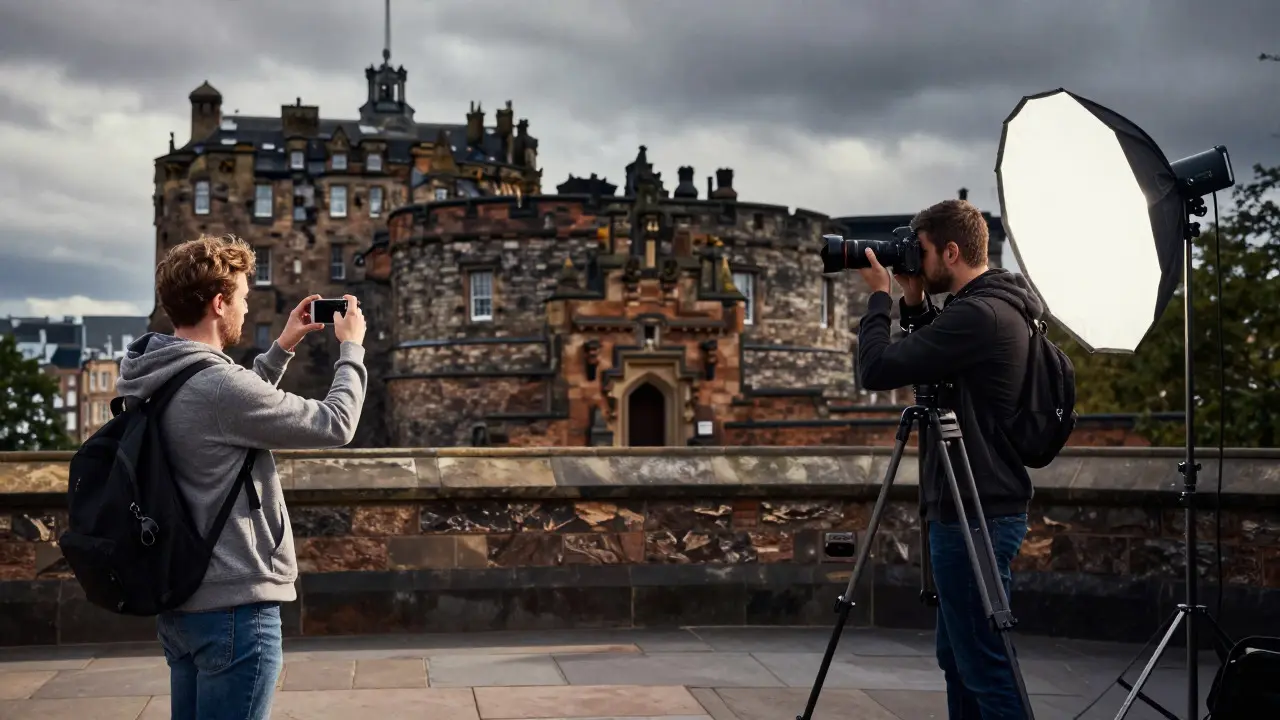
Timing Is Everything: Light and Crowds
Even with the right permissions, bad timing ruins a photo. Scotland’s weather is unpredictable, but its light is legendary-if you know when to look. The "best time" depends on what you are trying to capture.
Golden Hour: In summer, sunrise happens around 4:30 AM and sunset near 10 PM. This extended window allows for incredible long exposures. Places like Loch Lomond, a large freshwater loch in the Scottish Highlands reflect the sky beautifully during these times. However, popular spots get crowded. Arriving an hour before sunrise ensures you beat the tour buses.
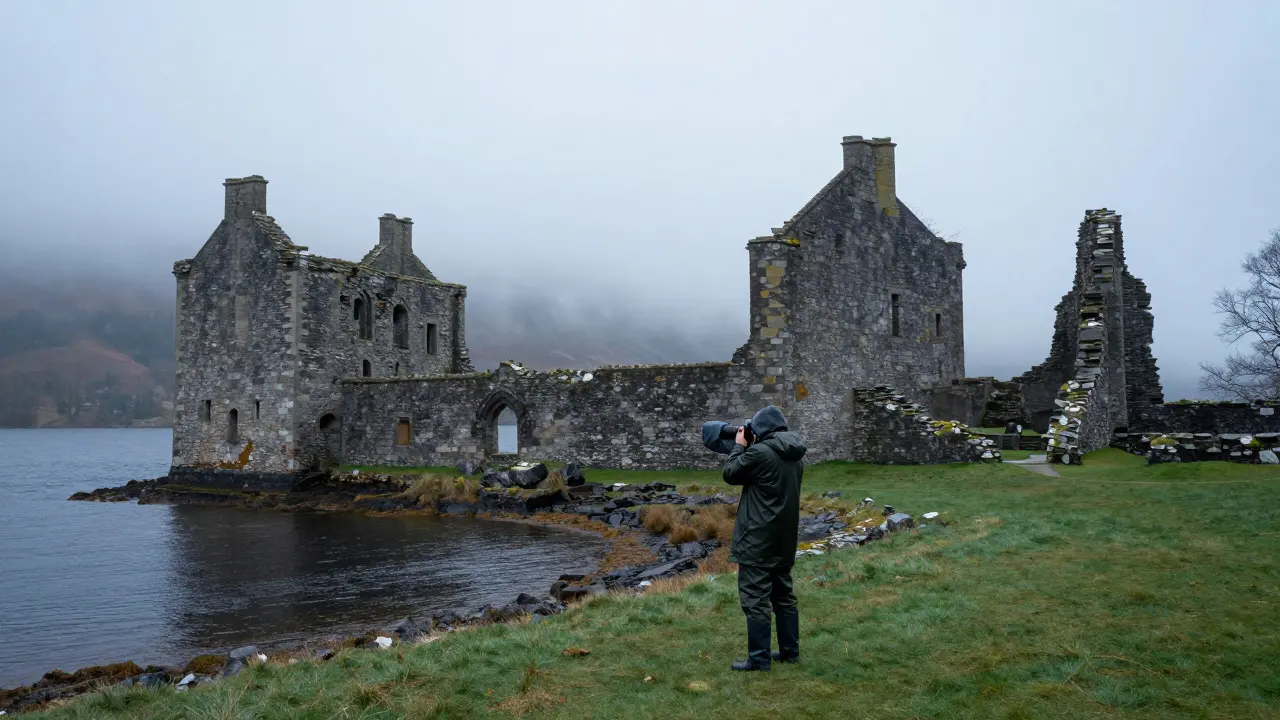
Midday Mistakes: Avoid shooting between 11 AM and 3 PM in summer. The sun is high, creating harsh shadows that wash out stone textures. Instead, seek sheltered corners or interior shots where natural light filters through windows. Castles like Urquhart Castle, a ruined castle on the shores of Loch Ness offer great contrast in overcast conditions, which diffuse the light evenly.
Winter Magic: Don’t underestimate winter. Short days mean less foot traffic. Fog rolling off mountains adds mystery to ruins. Just remember to dress warmly and protect your battery-cold drains power fast. A lens cloth is essential for dealing with condensation when moving from cold outdoors to warm interiors.
Respectful Practices: Beyond the Rules
Rules tell you what you *can* do; etiquette tells you what you *should* do. Heritage sites are fragile. Stone erodes, fabrics fade, and artifacts degrade. As photographers, we have a responsibility to preserve what we capture.
- Stay on Paths: Trampling grass or soil damages archaeological layers. If a rope barrier is up, respect it. No photo is worth destroying centuries of history.
- No Flash Inside: Many interiors have sensitive paintings or textiles. Flash photography accelerates fading. Use higher ISO settings instead. Most modern cameras handle low light surprisingly well.
- Be Aware of Others: Heritage sites are shared spaces. Blocking a narrow doorway with a tripod frustrates everyone. Be quick, polite, and mindful of tourists who just want to enjoy the view.
- Ask Locals: If you’re unsure about a spot, talk to staff. They often know hidden angles or lesser-known sites that aren’t crowded. Building rapport can lead to better access and insights.
Practical Tips for Success
To make your trip smoother, prepare ahead. Here’s a checklist I recommend to fellow photographers:
- Research Permits Early: Commercial shoots require weeks of notice. Apply online via HES or the relevant trust’s portal. Include details on equipment, crew size, and exact locations.
- Check Weather Apps: Use specialized apps like MeteoBlue for hyperlocal forecasts. Cloud cover affects exposure dramatically. Plan B should always involve indoor alternatives.
- Bring Versatile Gear: Wide-angle lenses capture grand exteriors; telephoto lenses isolate architectural details. A sturdy tripod is non-negotiable for low-light interiors. Don’t forget rain covers-Scotland rains, even in July.
- Learn Basic Editing: Raw files give you flexibility. Adjusting white balance helps correct color casts from old stone or stained glass. Keep edits subtle to maintain authenticity.
- Carry ID and Proof of Insurance: If asked, show proof of public liability insurance, especially for commercial work. It speeds up verification processes.
Common Pitfalls to Avoid
Even experienced photographers slip up. Here are frequent mistakes:
- Assuming All Ruins Are Free: Some remote ruins sit on private land. Trespassing laws still apply. Look for signs or fence lines.
- Ignoring Seasonal Hours: Many sites close earlier in winter. Check opening times daily. Arriving after closure means missing out completely.
- Overlooking Interior Restrictions: Exteriors are often open, but interiors may charge separate entry fees or restrict photography entirely. Read ticket terms carefully.
- Forgetting About Noise: Shutter sounds matter in quiet chapels or libraries. Silent electronic shutters help avoid disturbing solemn atmospheres.
Final Thoughts on Capturing Scotland’s Soul
Photographing heritage sites in Scotland is more than technical execution-it’s storytelling. Each castle wall, each ancient path, holds narratives waiting to be visualized. By respecting rules, timing your visits wisely, and practicing ethical behavior, you contribute to preserving these treasures for future generations.
Whether you chase the misty mornings at Culloden Battlefield, a site of the final confrontation of the Jacobite Rising of 1745 or the vibrant colors of Rosslyn Chapel, a medieval chapel in Midlothian famous for its intricate carvings, preparation turns potential frustration into unforgettable imagery. So pack your gear, study the guidelines, and step into Scotland’s rich tapestry with confidence.
Can I take photos inside Edinburgh Castle?
Yes, personal photography is allowed inside Edinburgh Castle. Tripods are permitted in most areas but must not obstruct pathways. Flash is discouraged in sensitive galleries. Commercial shoots require prior approval and payment of fees.
Are drones allowed at Eilean Donan Castle?
Drones are generally prohibited at Eilean Donan Castle unless special permission is granted. The area is busy with tourists and boats, making flight risky. Contact Historic Environment Scotland well in advance for any commercial drone operation.
What is the best season for heritage photography in Scotland?
Spring (April-June) offers mild weather and blooming landscapes. Autumn (September-October) provides dramatic foliage and fewer crowds. Summer has long daylight hours but higher visitor numbers. Winter brings moody skies and solitude but shorter days.
Do I need a permit for wedding photography at Scottish castles?
Yes, wedding photography is considered commercial use. Most heritage sites require a marriage license application plus a photography permit. Fees vary by location and date. Book early, as weekends fill up quickly.
Is flash photography harmful to historical artifacts?
Repeated flash exposure can cause gradual damage to pigments and textiles in museums and chapels. While occasional use may seem harmless, cumulative effect matters. Follow signage and prefer raising ISO for low-light situations.