
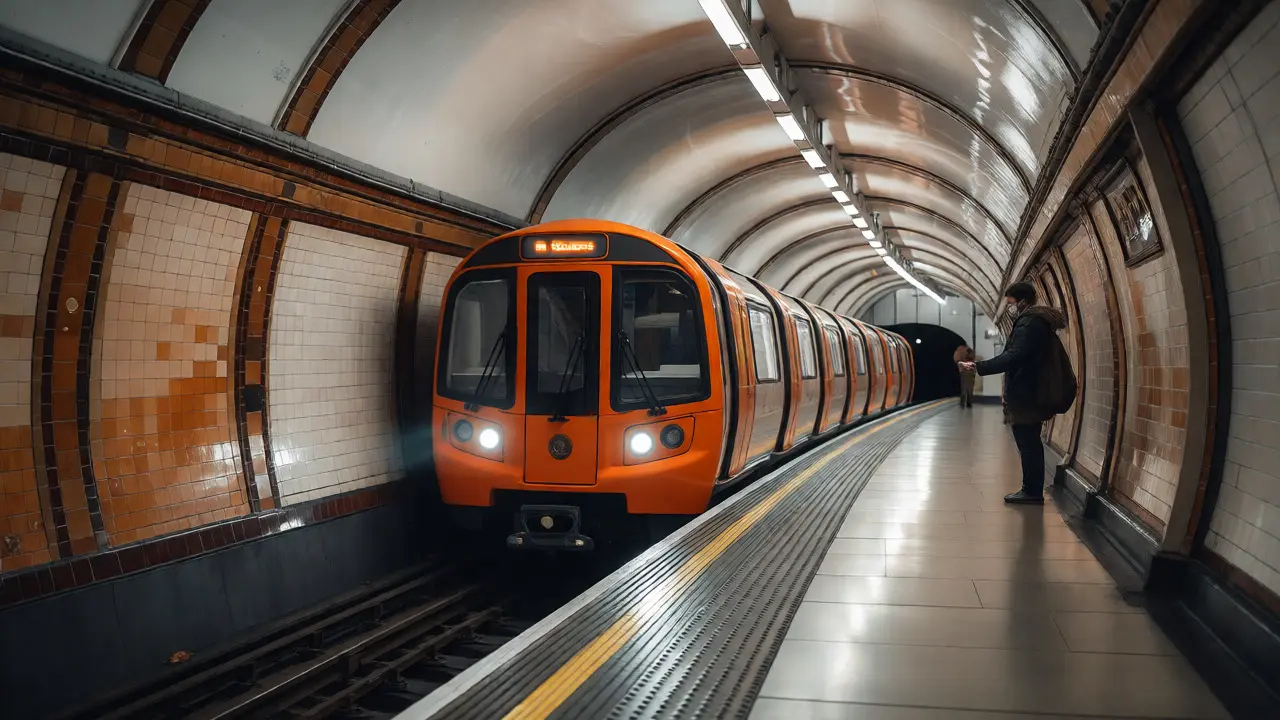
Ever tried to figure out how to get from the airport to your hotel in Glasgow without losing an hour of your vacation? You're not alone. The city has a surprisingly complex web of transit options, but once you crack the code, it’s one of the easiest cities in the UK to navigate. Whether you’re here for the Glasgow transport system’s iconic orange trains or just trying to catch a bus to the West End, this guide cuts through the confusion.
We’ll walk you through exactly what to buy, where to stand, and which apps actually work. No fluff, just the practical steps to keep you moving efficiently around Scotland’s largest city.
The Quick Summary: What You Need to Know Now
- Get a Ticket: If you’re staying more than two days, buy a Smartcard (National Entitlement Card) at any ticket machine or shop. It saves money on every single journey.
- Subway is Fast: The Glasgow Subway runs in a circle. Remember: Inner Circle goes clockwise, Outer Circle goes counter-clockwise. Don’t mix them up.
- Buses are Cheap: Contactless payment works on all buses. There is no paper ticket option on board anymore.
- Trains for Suburbs: Use ScotRail for trips outside the city center, like to Stirling or Edinburgh.
Understanding the Network: Who Runs What?
Glasgow doesn’t have one single authority running everything. Instead, it’s a partnership. The Strathclyde Partnership for Transport (SPT) manages the subway and some rail services, while local councils handle bus subsidies. Most of the actual driving, however, is done by private companies under contract.
For visitors, this distinction matters mostly when buying tickets. If you want to hop on a train, a bus, and the subway with one pass, you need a specific type of ticket called a ZoneCard. Without this, you’re paying separate fares for each mode, which adds up fast.
Here’s the breakdown of the main players you’ll encounter:
| Operator | Primary Mode | Key Routes/Areas | Payment Method |
|---|---|---|---|
| SPT | Subway & Rail | City Center, West End, South Side | Ticket Machines, Smartcard |
| First Bus | Bus | City-wide, Airport Express | Contactless, Smartcard |
| Stagecoach | Bus | East End, Northern Suburbs | Contactless, Smartcard |
| ScotRail | Train | Edinburgh, Stirling, Ayr, Helensburgh | Online, App, Station Machines |
The Glasgow Subway: Navigating the Orange Circle
The Subway is old-really old. Opened in 1896, it’s the third-oldest underground railway system in the world. But don’t let its age fool you; it’s efficient for getting across the River Clyde quickly.
There are only 15 stations, and they form a perfect loop. This simplicity is both a blessing and a curse. The blessing? You can’t really get lost if you know which direction you’re going. The curse? If you miss your stop, you have to go all the way around again. That takes about 24 minutes.
How to ride it like a local:
- Check the Direction: Look at the platform signs. "Inner Circle" means clockwise. "Outer Circle" means counter-clockwise. If you’re heading from Buchanan Street (North) to Partick (West), you want the Inner Circle. Heading back? Take the Outer Circle.
- Buy Your Ticket: Single fares cost £1.70 as of late 2025. However, if you use a Smartcard, you get a discount. Always check the current fare table on the SPT website before you travel, as prices adjust annually.
- No Turnstiles Exit: When you exit, tap your card or drop your ticket. If you bought a single paper ticket, keep it until you leave the station. They do check occasionally, though rarely.
Pro Tip: The Subway connects directly to the main train station at Glasgow Central, making it easy to switch from long-distance trains to local transit.
Buses: The Cheapest Way to See the City
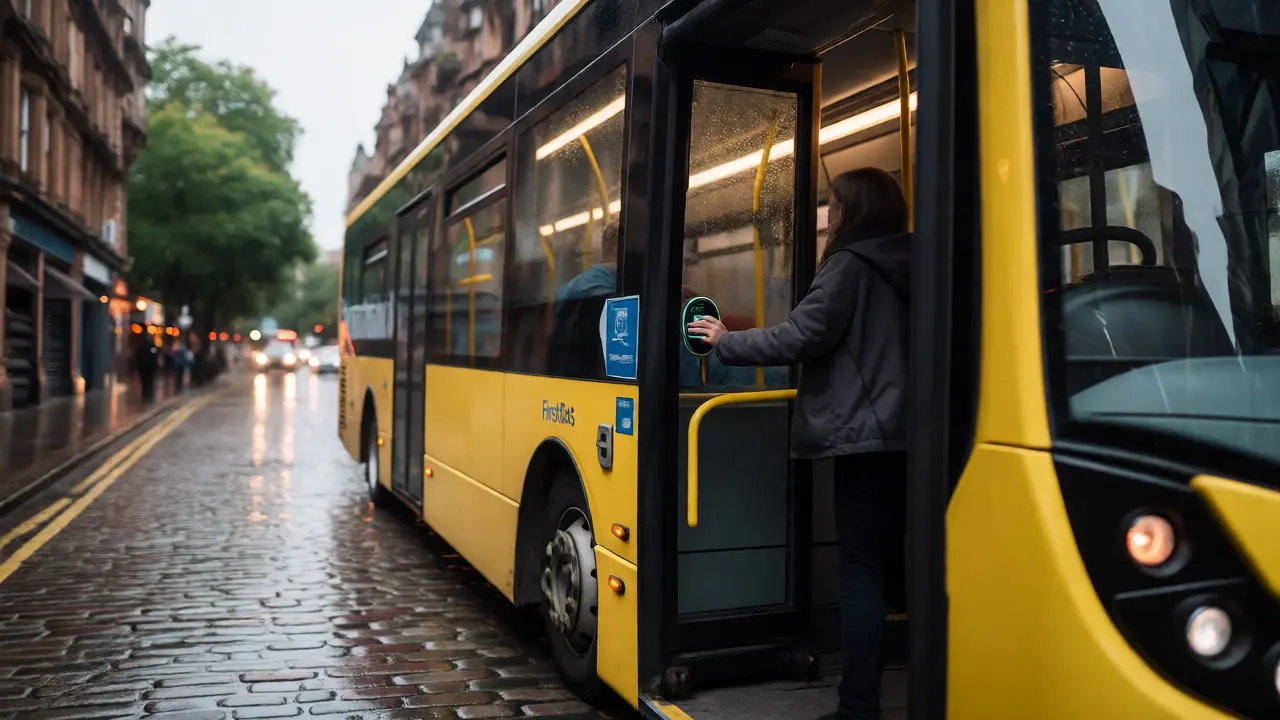
If the Subway is the artery, buses are the capillaries. They go everywhere. Seriously, if there’s a street in Glasgow, a bus probably drives down it. For most tourists, buses are better than the Subway because they take you closer to attractions like Kelvingrove Art Gallery or the Riverside Museum.
Paying for your bus ride is now entirely digital. You cannot pay cash on board anymore. Here are your options:
- Contactless Bank Card: Just tap your Visa or Mastercard reader upon boarding. The system calculates a daily cap automatically. Once you hit that cap (around £4.50-£5.00 depending on the zone), further rides that day are free.
- Smartcard (NEC): This offers the lowest fares. Adults save roughly 30% compared to contactless. Students get even deeper discounts.
- Apps: The Traveline Scotland app lets you plan journeys, but you still need physical payment methods on board.
A common mistake visitors make is standing in the middle of the road waiting for a bus. In Glasgow, you must stand at the designated bus stop pole. Drivers will not stop unless you are clearly visible at the marked point. Also, remember that many buses run frequently during the day (every 10-15 minutes) but become sparse after 9 PM. Check the timetable if you’re planning a late night out.
Trains: Beyond the City Limits
While the Subway handles the inner city, ScotRail handles the regional connections. This is your best bet for day trips to Edinburgh, Stirling, or the coastal town of Largs.
Booking advice:
- Advance Tickets: If you know your date, book online weeks in advance. Prices can be half the price of "Anytime" tickets bought on the day.
- Off-Peak: Avoid traveling between 7:30 AM and 9:30 AM and 4:30 PM and 6:30 PM on weekdays. These are peak times, and tickets are expensive.
- Station Layout: Glasgow Central is huge. It has high-level platforms for suburban trains and low-level platforms for intercity routes. Follow the signs carefully. Getting on the wrong level might mean walking five minutes extra.
One critical detail: Train tickets are strictly enforced. Unlike buses, conductors will check your ticket. If you forget yours, you might be charged a penalty fare or required to buy a new one immediately. Keep your receipt handy.
Mastering the Smartcard System
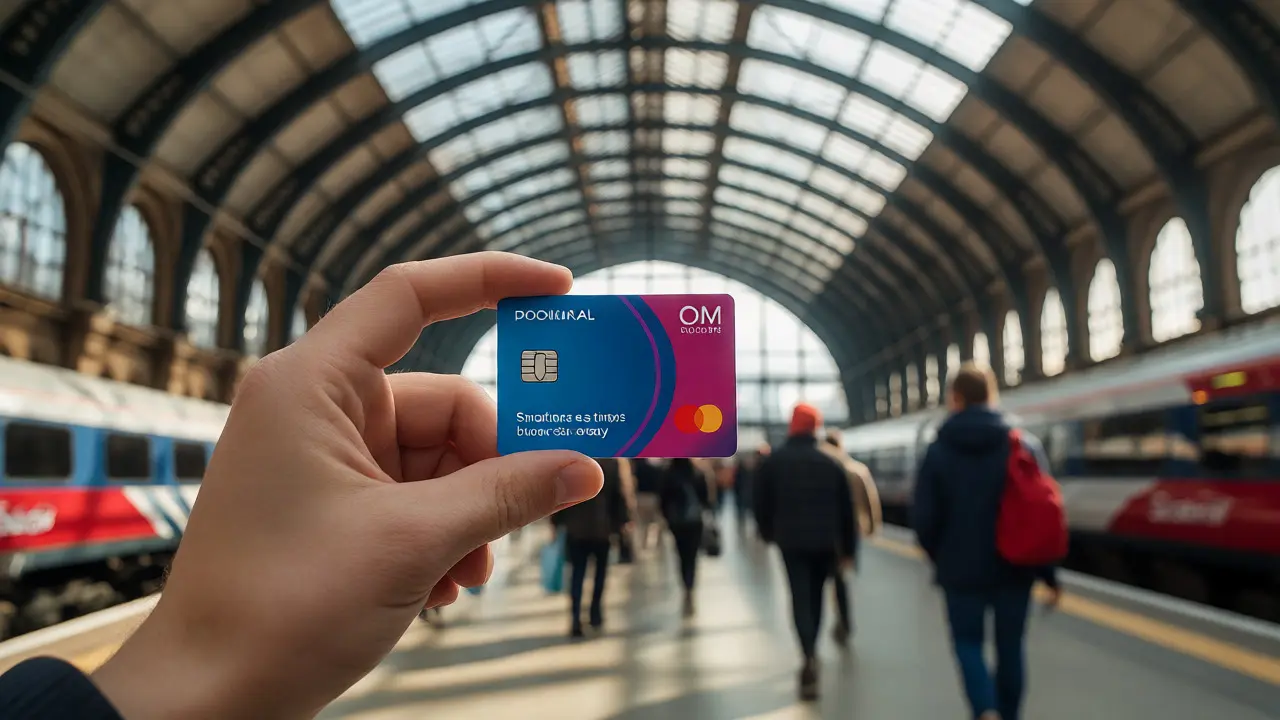
If you’re staying for more than 48 hours, the National Entitlement Card (NEC) is non-negotiable. It’s a reusable plastic card that works across buses, trains, and the subway.
Where to get one:
- Ticket Offices: At Glasgow Central or Queen Street stations.
- Convenience Stores: Many newsagents display the NEC logo. Ask for a "Visitor Smartcard."
- Online: You can order one, but shipping takes time. Not ideal for short trips.
Costs: The card itself costs £5. You then load credit onto it. Fares are significantly cheaper than single paper tickets. For example, a Subway single on paper is £1.70, but with a Smartcard, it’s often under £1.50. Over a week, these savings add up to enough for a nice dinner.
Note: The Smartcard also gives you access to bike hire schemes and parking discounts, adding extra value beyond just transit.
Practical Tips and Pitfalls to Avoid
Even with a good plan, things go wrong. Here’s how to handle common scenarios:
Rainy Days: Glasgow gets rain often. Buses and trains are crowded when it pours. Allow extra time for boarding. Umbrellas are awkward on the Subway due to narrow stairs and tight spaces.
Weekend Engineering Works: Trains often close for maintenance on Sundays. Always check the ScotRail website or app before leaving your hotel. Replacement buses are usually provided, but they take longer.
Airport Transfers: Do not rely on taxis for cheapness. The First Bus 757 runs every 10 minutes from Glasgow Airport to George Square for around £5.50. It’s faster than sitting in traffic and much cheaper than a cab.
Crowds: During major events like Celtic vs. Rangers matches, the Subway gets packed. Expect delays and crowded carriages. Plan alternative routes or leave early.
Frequently Asked Questions
Can I use my London Oyster card in Glasgow?
No, the Oyster card does not work in Glasgow. You must use a contactless bank card or purchase a local Smartcard (NEC). Contactless bank cards are accepted on all buses and the subway, offering a convenient alternative if you don't want to buy a separate card.
Is the Glasgow Subway safe at night?
Yes, the Subway is generally safe. Stations are well-lit and monitored by CCTV. However, like any public transport system, stay aware of your surroundings late at night. Stick to populated carriages and avoid empty compartments if you feel uneasy.
Do buses accept cash payments?
No, cash is no longer accepted on Glasgow buses. You must pay using a contactless debit/credit card, mobile wallet (Apple Pay/Google Pay), or a registered Smartcard. Ensure your bank card allows international transactions if you are visiting from abroad.
How much does it cost to get from Glasgow Airport to the city center?
The cheapest and most reliable option is the First Bus 757 service, which costs approximately £5.50 for a single ticket. Taxis typically range from £25 to £35 depending on traffic and destination. The train connection requires a shuttle bus to Paisley Gilmour Street station first, so it's less direct for most travelers.
What is the difference between Inner and Outer Circle on the Subway?
The Glasgow Subway operates as a single loop. The Inner Circle travels clockwise, while the Outer Circle travels counter-clockwise. Choosing the correct direction saves significant time; taking the wrong one means completing the entire loop to reach your destination.