
You’ve seen the movie. You know the scene where Tom Hanks’ character, Robert Langdon, stands in a dimly lit stone chapel, tracing the lines of an ancient carving while trying to solve a centuries-old puzzle. That place is real. It’s not a set built in Hollywood. It’s Rosslyn Chapel, located just outside Edinburgh, Scotland. For millions of fans of Dan Brown’s novel and the 2006 film adaptation, this 15th-century building is more than a tourist attraction; it’s the heart of the mystery. But what actually happens when you walk through those doors? Is it all about the film, or is there something deeper beneath the stones?
The truth is, Rosslyn Chapel sits at the intersection of genuine history, architectural wonder, and modern pop culture. If you’re planning a visit, you need to separate the cinematic drama from the historical reality. This guide will help you navigate both, ensuring you get the most out of your trip without getting lost in the conspiracy theories that have taken root here over the last two decades.
The Real Story Behind the Stones
Before we talk about movies, let’s talk about the building itself. Rosslyn Chapel was built between 1446 and 1486 by William St Clair, the 1st Earl of Orkney. It is one of the finest examples of late medieval architecture in Scotland. The chapel wasn’t designed as a secret temple for hidden bloodlines; it was a private place of worship for a powerful noble family who controlled trade routes across the North Sea.
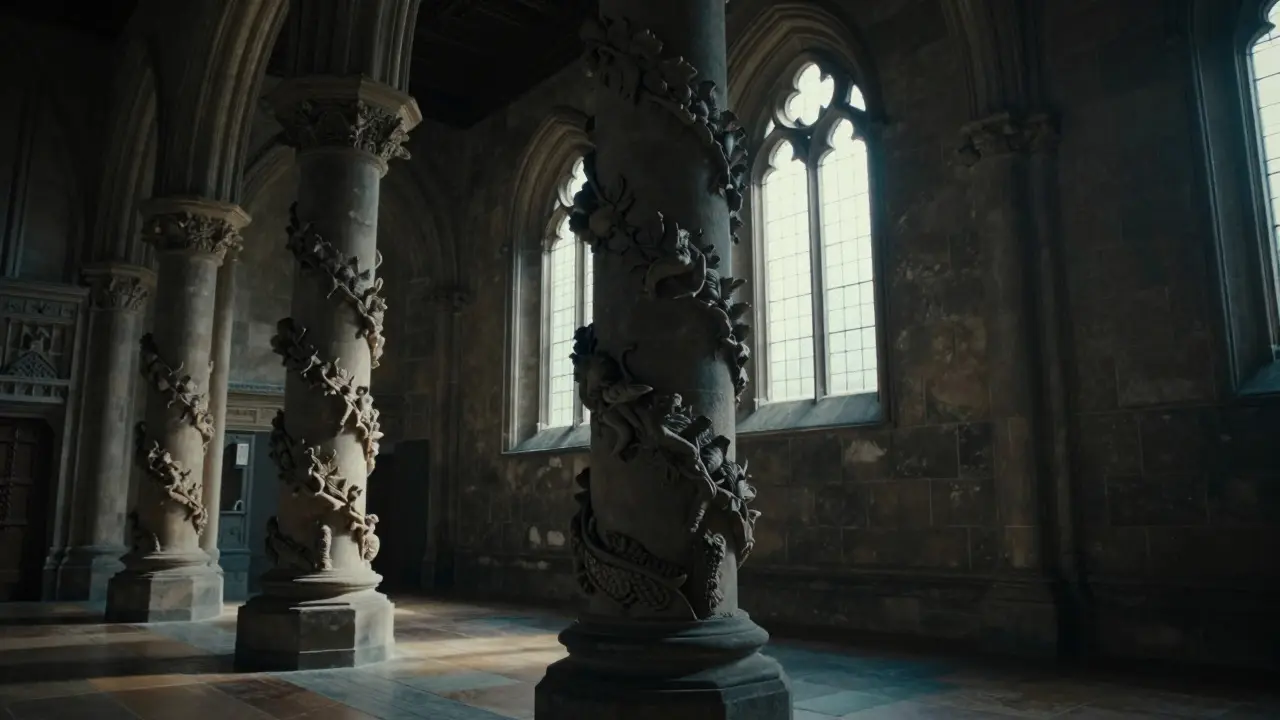
The craftsmanship inside is staggering. Look closely at the pillars. They aren’t simple columns. Each one features intricate carvings of leaves, flowers, and figures that seem to twist and turn as if alive. Some historians believe these designs were inspired by trips to continental Europe, particularly Italy and Spain, where the St Clairs had strong connections. Others argue they reflect local Scottish motifs. What is clear is that the detail level is unmatched in any other Scottish church from this period.
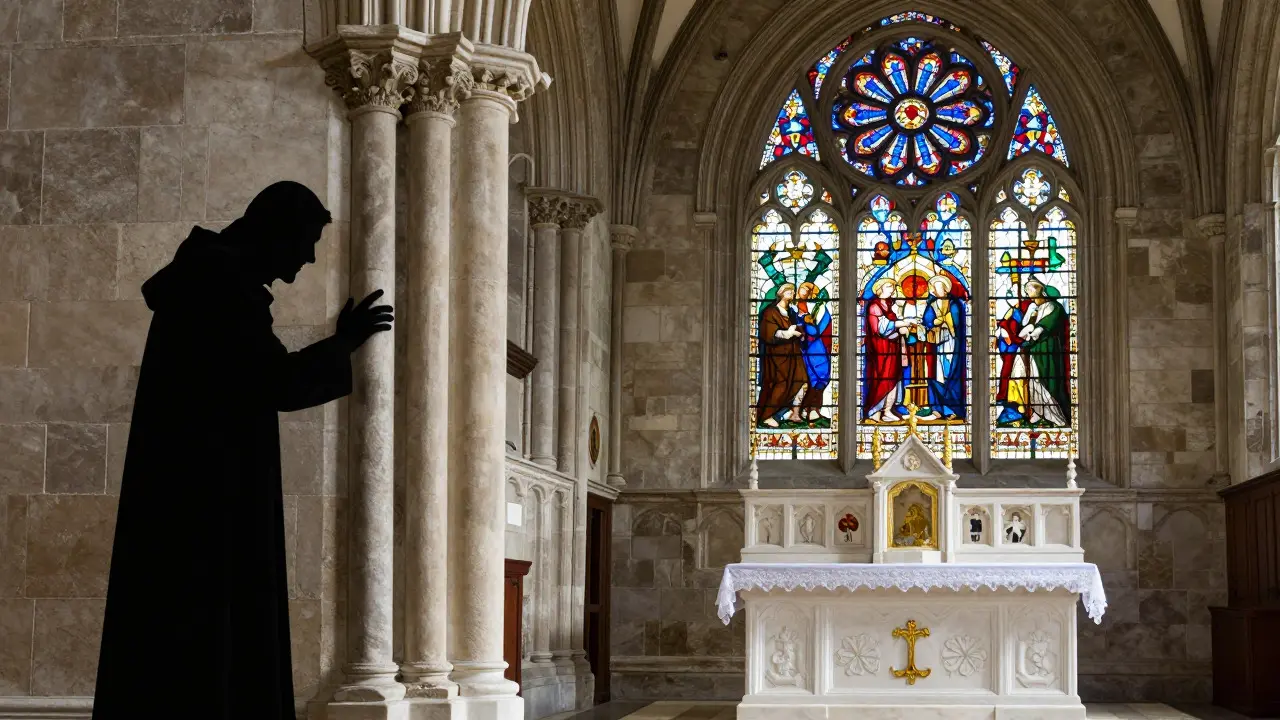
- The Rose Window: Located above the main altar, this stained glass window dates back to the 19th century but follows original medieval designs. It depicts scenes from the Bible and heraldic symbols of the St Clair family.
- The Pillars: There are twelve pillars in the nave, each uniquely carved. No two are exactly alike. They feature vines, thistles, and even mythical creatures.
- The Altar: The high altar is made of white marble and features detailed reliefs. It is the focal point of the chapel’s interior design.
Understanding the actual history gives you a different perspective. Instead of looking for hidden codes, you start appreciating the skill of the masons who worked here over 500 years ago. Their work survived wars, fires, and time. That alone is worth the ticket price.
How The Da Vinci Code Changed Everything
In 2003, Dan Brown published The Da Vinci Code. The book sold millions of copies worldwide. In 2006, Ron Howard directed the film adaptation, starring Tom Hanks and Audrey Tautou. The production team chose Rosslyn Chapel for several key scenes because its gothic atmosphere matched the book’s tone perfectly.
Here’s what you need to know about the filming process:
- Minimal Set Dressing: The filmmakers didn’t build fake walls or add digital backgrounds for the interior shots. They used the real chapel. However, they did move some furniture and adjust lighting to create a darker, more mysterious mood.
- No Hidden Cameras: Despite rumors, no secret cameras were installed during filming. The crew had limited access due to the fragile nature of the historic site.
- Iconic Scenes: The most famous shot is Langdon examining the pillar with the “S” shape carved into it. In reality, that specific carving exists, but its meaning in the movie is entirely fictional.
The impact on tourism was immediate. Before 2003, Rosslyn Chapel received around 30,000 visitors per year. After the film’s release, numbers skyrocketed to over 200,000 annually. Today, it remains one of Scotland’s top paid attractions. The chapel management has embraced this change, offering guided tours that explicitly address the book and film references.
| Feature | In The Da Vinci Code (Film/Book) | Historical Reality |
|---|---|---|
| Purpose of Chapel | Secret meeting place for Priory of Sion | Private chapel for the St Clair family |
| Carvings Meaning | Hidden messages about Jesus' lineage | Religious symbolism and artistic expression |
| Access Restrictions | Guarded by monks, forbidden entry | Open to public daily (except Christmas Day) |
| Tomb Location | Sofia Neversleeper's body hidden nearby | No such tomb exists; legend only |
Navigating the Conspiracy Theories
You can’t talk about Rosslyn Chapel without addressing the myths. The book popularized the idea that the chapel holds secrets about the Holy Grail and the bloodline of Jesus Christ. While fascinating fiction, these claims lack historical evidence. Archaeologists and historians have studied the site extensively. No hidden chambers, no secret scrolls, no proof of the Priory of Sion existing as described in the book.
So why do people still believe? Because humans love mysteries. The ambiguity of the carvings invites interpretation. One visitor might see a serpent; another sees a vine. This subjective experience fuels ongoing debate online and in tour groups. As a visitor, you’re free to interpret what you see. Just remember: the power of the chapel lies in its beauty and age, not in unproven legends.
Some common misconceptions include:
- The “Priory of Sion”: A supposed secret society guarding Christian secrets. Historians agree this group was largely a hoax created in the 20th century.
- Mary Magdalene Connection: The book suggests she married Jesus and fled to France. There is zero biblical or archaeological support for this at Rosslyn.
- Hidden Chambers: Ground-penetrating radar scans have found no significant voids beneath the floor that would suggest secret rooms.
Embracing the skepticism helps you enjoy the visit more. You’re not hunting for treasure; you’re exploring a masterpiece of medieval art.
Practical Visiting Advice: What You Need to Know
Planning your trip requires some preparation. Rosslyn Chapel is small, gets crowded quickly, and has specific rules to protect the heritage site. Here’s how to make your visit smooth and enjoyable.
Opening Hours and Seasonality
The chapel is open every day except December 25th. Hours vary by season:
- April - September: 9:30 AM - 5:30 PM (Last entry at 4:45 PM)
- October - March: 10:00 AM - 4:30 PM (Last entry at 3:45 PM)
Summer months (June-August) see the highest foot traffic. If you hate crowds, aim for weekday mornings right after opening. Winter visits offer a quieter, more reflective experience, though daylight hours are shorter.
Ticket Prices and Booking
As of 2026, adult tickets cost approximately £15. Children under 16 enter free. Family tickets (2 adults + up to 4 children) are available at a discounted rate. Always buy tickets online in advance. On-site sales often run out by midday during peak season. Online booking also allows you to choose a specific time slot, which helps manage crowd flow.
Getting There
Rosslyn Chapel is located in the village of Roslin, about 7 miles south of Edinburgh city center. You have three main options:
- By Car: Drive via the A701 road. Free parking is available in the village car park, a short walk away. Note: The streets are narrow, so allow extra time.
- By Bus: Take Lothian Bus Service number 33 or X33 from Edinburgh Waverley Station. Get off at the “Roslin Village” stop. The journey takes about 30-40 minutes depending on traffic.
- By Tour: Many Edinburgh-based tour operators include Rosslyn Chapel in their half-day packages. This is convenient if you don’t want to navigate public transport alone.
Inside the Chapel: Rules and Etiquette
To preserve the structure, certain rules apply:
- No Flash Photography: Flash damages old pigments and disturbs other visitors. Natural light or low-light photography is allowed.
- Quiet Voices: It’s still a place of spiritual significance for many. Keep conversations hushed.
- Stay on Pathways: Don’t touch the pillars or climb on benches. Hand oils degrade stone over time.
- Guided Tours: Highly recommended. Guides provide context that audio guides miss. They answer questions about both history and the film connections.
Beyond the Chapel: Exploring Roslin Village
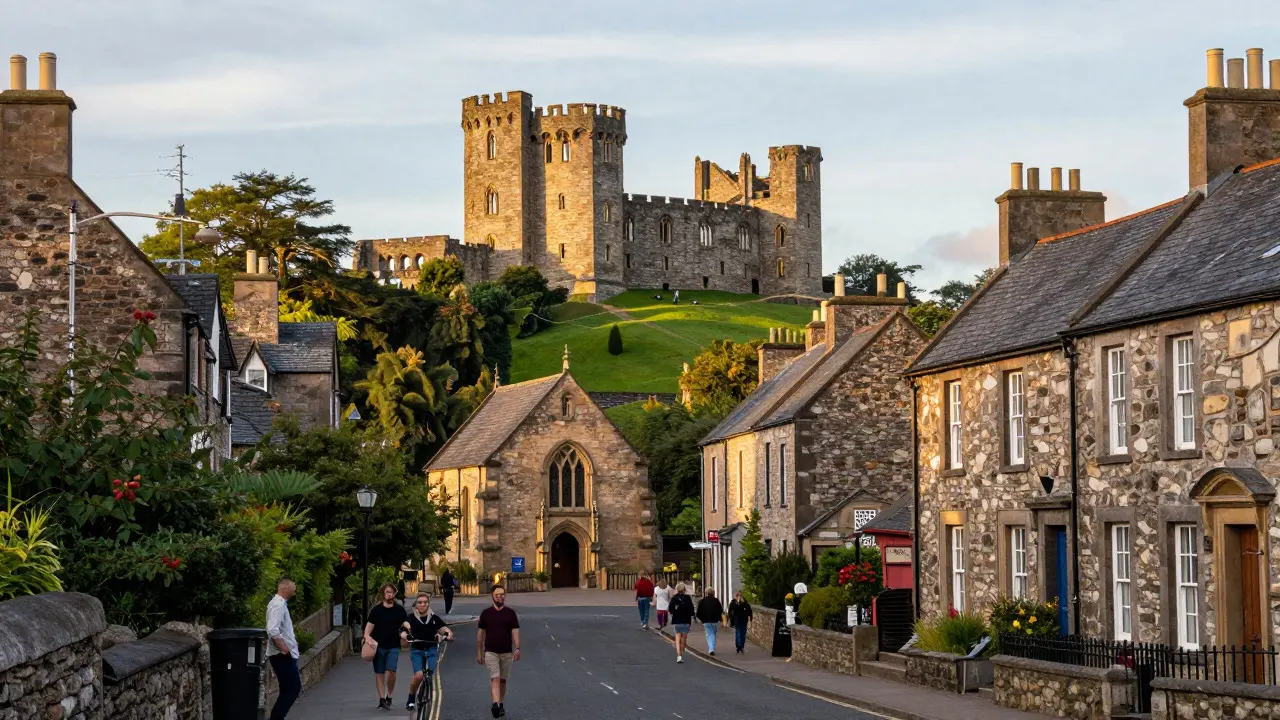
Don’t rush in and out. Roslin Village itself is charming. It’s a working community with shops, cafes, and gardens. Spend an hour wandering before or after your chapel visit.
Visit the Roslin Castle ruins nearby. Though less grand than the chapel, the castle grounds offer great views and a sense of the area’s feudal past. The castle was the seat of the Earls of Rosslyn until it fell into disrepair in the 18th century. Today, it’s managed by Historic Environment Scotland and offers free access to the exterior grounds.
Grab lunch at one of the local pubs. Try the haggis or salmon fish pie-Scottish classics done well. Supporting local businesses ensures the village thrives beyond tourism.
Why It Matters: More Than Just a Movie Set
Rosslyn Chapel survives because it represents resilience. It endured the Reformation, when many Catholic sites were destroyed. It survived neglect and near-collapse in the 19th century before being restored. Now, it thrives thanks to global interest sparked by fiction. That’s a unique story.
For travelers, it’s a reminder that history isn’t static. It evolves with each generation’s interpretation. Whether you come for the mystery, the architecture, or the movie nostalgia, you’ll leave with a deeper appreciation for Scotland’s rich cultural tapestry. Just bring comfortable shoes, respect the space, and keep an open mind.
Is Rosslyn Chapel worth visiting if I haven't read The Da Vinci Code?
Absolutely. Even without knowledge of the book or film, the chapel is an architectural marvel. Its intricate carvings, historical significance, and serene atmosphere make it a standout destination in Scotland. The guided tours explain the history thoroughly, independent of the fictional narrative.
Can I take photos inside Rosslyn Chapel?
Yes, but no flash photography is allowed. Tripods are generally discouraged unless arranged in advance for professional shoots. Mobile phones and compact cameras are fine for personal use. Respect other visitors by keeping noise levels down.
How long does a typical visit take?
Most visitors spend 45 minutes to 1 hour inside the chapel. If you join a guided tour, plan for 60-75 minutes. Add another 30-60 minutes if you explore Roslin Village and the castle ruins afterward.
Are there restrooms available at the site?
Yes, basic restroom facilities are located near the entrance office. They are clean and accessible. However, they can get busy during peak hours, so use them before entering the chapel if possible.
Is Rosslyn Chapel wheelchair accessible?
Partially. The entrance has a ramp, and the main nave is accessible. However, some areas have uneven stone floors and steps that may be challenging for wheelchairs. Contact the visitor center ahead of time to discuss specific needs.
What is the best time of year to visit?
Spring (April-May) and early autumn (September-October) offer mild weather and fewer crowds compared to summer. Summer provides longer daylight hours but higher visitor numbers. Winter visits are quiet but colder and with shorter operating hours.
Do I need to book tickets in advance?
Highly recommended, especially between May and September. Online booking guarantees entry and helps avoid long queues. Walk-up tickets are available but may sell out by noon on busy days.
Is there a gift shop?
Yes, the on-site gift shop sells books, replicas of artifacts, postcards, and souvenirs related to both the chapel’s history and The Da Vinci Code. It’s a good spot to pick up a souvenir after your tour.