
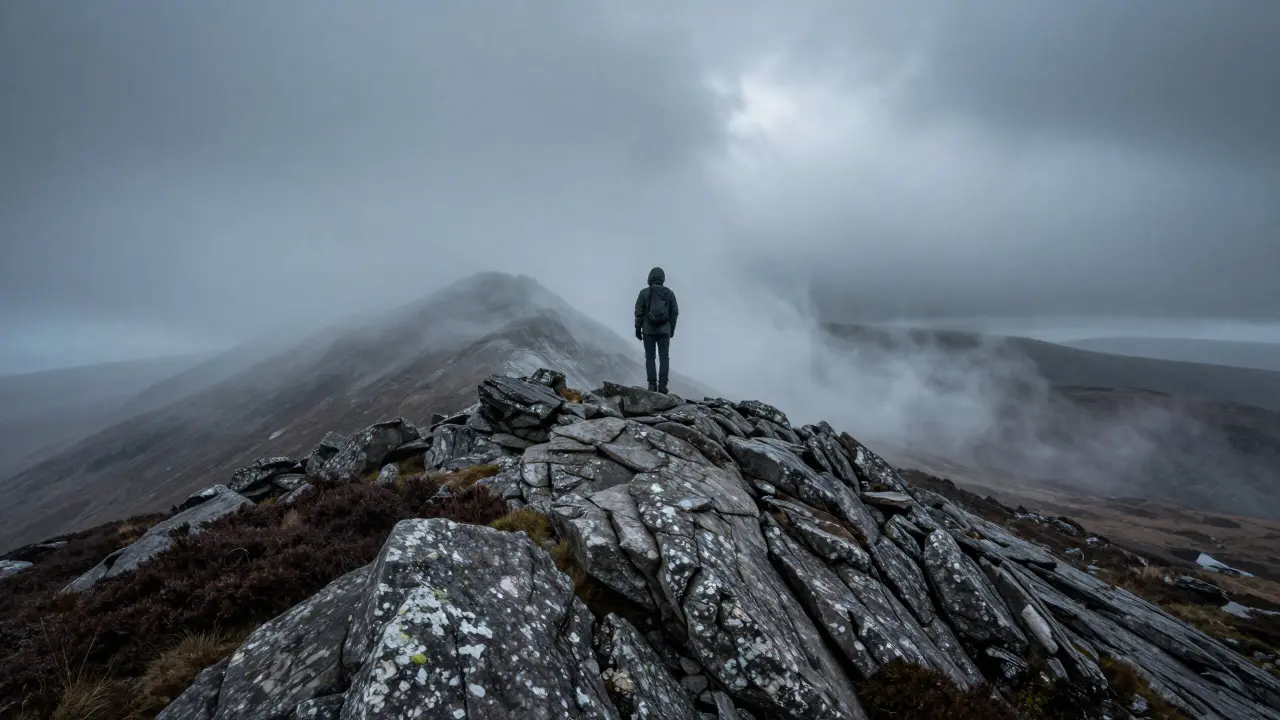
Picture this: you’re standing on a misty ridge in the Cairngorms. The wind is biting, your phone has zero signal, and that 'quick afternoon hike' has turned into an unexpected overnighter because the weather closed in faster than expected. Most people panic. Those who’ve trained don’t.
Scotland isn’t just a backdrop for dramatic landscapes; it’s one of the most demanding natural classrooms in Europe. The weather changes in minutes, not hours. The terrain shifts from peat bog to granite crag without warning. If you want to learn real **bushcraft** and survival skills, you can’t do it in a controlled gym or a sunny park. You need the raw, unpredictable environment of the Highlands or Islands.
This guide cuts through the marketing fluff. We’ll look at what actual survival training involves, which providers are worth your money, and how to pick a course that matches your skill level-whether you’re a complete novice or looking to refine advanced techniques.
What Actually Is Bushcraft vs. Survival?
People use these terms interchangeably, but they mean very different things in practice. Understanding the distinction helps you choose the right course.
Bushcraft is the art of living in the woods using traditional skills like fire-making, shelter building, and foraging. It’s about self-reliance, comfort, and long-term sustainability. Think of it as camping with nothing but a knife and a bit of knowledge. It’s slower, more meditative, and focuses on harmony with the environment.
Survival is a high-stress response to an emergency situation where the goal is to stay alive until rescue arrives. This involves rapid decision-making, psychological resilience, signaling for help, and dealing with hypothermia or injury. It’s intense, short-term, and focused purely on staying alive.
In Scotland, most reputable providers offer a hybrid approach. They teach you the calm mindset of bushcraft to handle the immediate threats of survival. Why? Because panic kills. A person who knows how to build a warm shelter quickly (bushcraft) is far more likely to survive a sudden storm (survival scenario).
Core Skills You’ll Learn in Scotland
Scottish instructors prioritize skills that work in wet, cold conditions. Here’s what you should expect to cover in a comprehensive course:
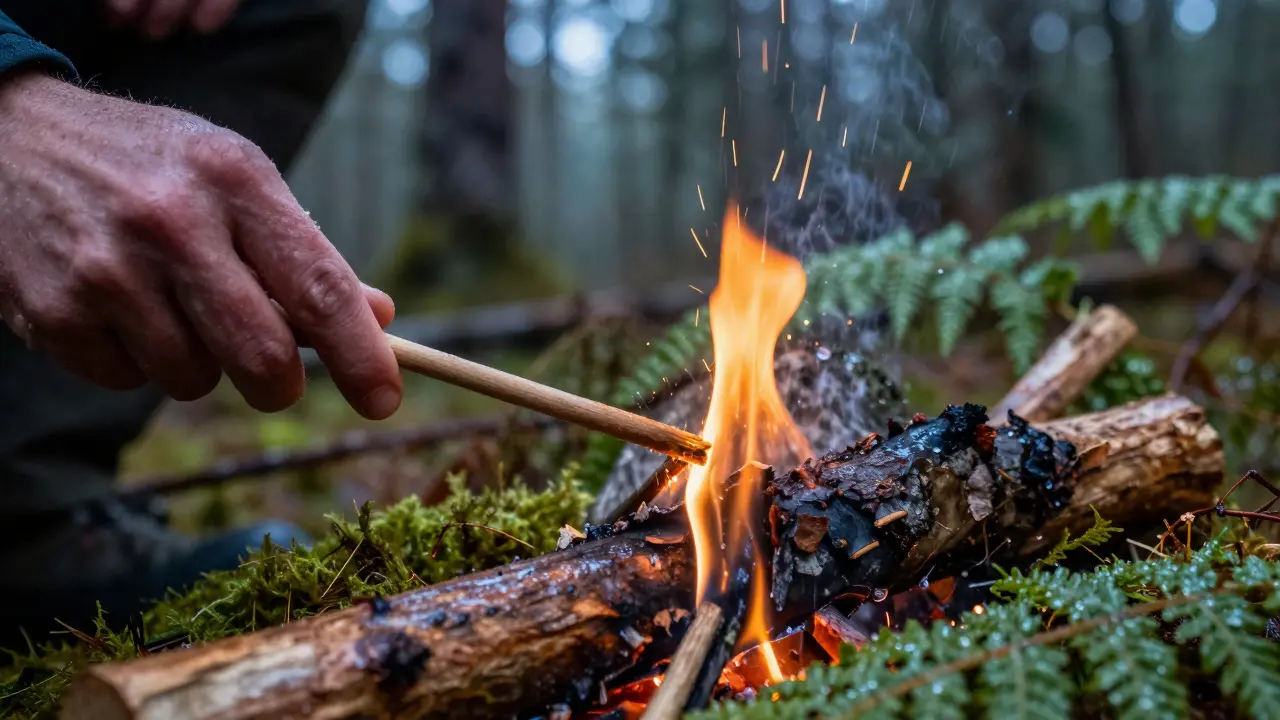
- Fire Making in Wet Conditions: Starting a fire when everything is damp is the number one challenge in Scotland. You’ll learn to find dry tinder inside dead wood, use ferro rods effectively, and build structures that protect the flame from rain.
- Shelter Construction: From simple debris huts to more complex lean-tos, you’ll learn how to insulate yourself from the ground (which sucks heat away faster than air) and block wind.
- Natural Navigation: GPS fails. Batteries die. You’ll learn to read the landscape, use a compass accurately, and understand subtle cues like moss growth (though be careful, this is often overrated) and water flow directions.
- Foraging and Water Purification: Identifying safe plants like nettles, chickweed, and wild garlic. More importantly, you’ll learn how to filter and boil water from streams to avoid parasites like Giardia.
- Psychological Resilience: Often overlooked, this is critical. Instructors simulate stress scenarios to teach you how to keep your head clear when tired, hungry, or scared.
Top Regions for Training
Location matters. The skills you learn in the flat, dry lowlands won’t translate perfectly to the rugged highlands. Here are the best areas for training:
| Region | Terrain Type | Best For | Weather Challenge |
|---|---|---|---|
| Cairngorms National Park | Mountainous, Granite | Advanced survival, navigation | Extreme cold, altitude |
| Loch Lomond & Trossachs | Forest, Lake, Hill | Beginners, fire making | Moderate rain, wind |
| The Hebrides (Islands) | Coastal, Rocky | Coastal survival, tide reading | High winds, salt spray |
| Glen Coe | Steep Valleys | Intermediate skills, shelter | Rapid weather changes |
Leading Providers and Schools
Not all instructors are created equal. Some are entertainers; others are certified professionals. Look for credentials from organizations like the Institute of Wilderness Medicine or The Woodland Trust.
Here are some of the most respected names in the Scottish bushcraft scene:
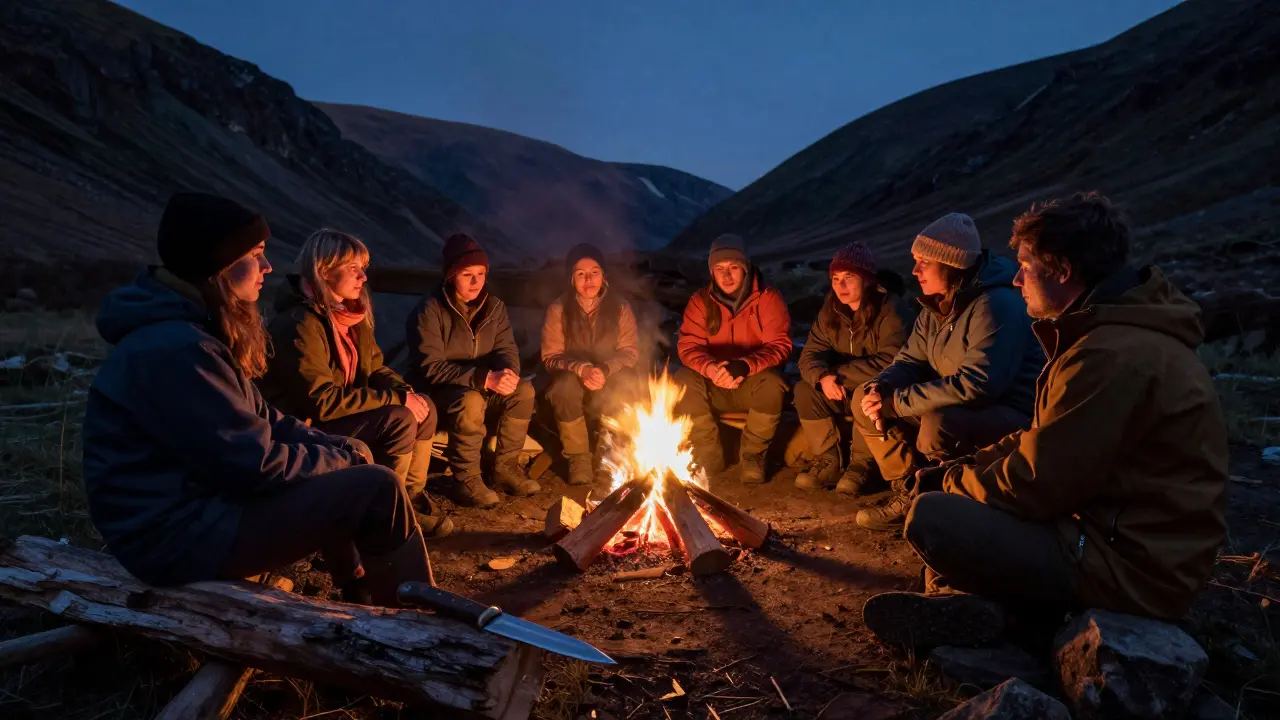
- Wilderness College Scotland: Based in the Highlands, they offer intensive multi-day courses. Their focus is heavily on mental resilience and group dynamics. Great for teams.
- Highland Bushcraft School: Known for their practical, no-nonsense approach. They emphasize traditional tools and ancient methods. Ideal if you want to feel connected to history.
- Urban Survival Skills: While based in cities, they run frequent trips into the Scottish wilds. They bridge the gap between modern urban life and primitive skills.
- Local Guides via VisitScotland: Many independent guides operate in specific areas like the Isle of Skye. Check reviews carefully. Look for mentions of safety protocols and instructor certification.
When choosing, ask about the student-to-instructor ratio. Ideally, it should be no more than 6:1 for survival courses. Safety is paramount.
Course Types and Duration
You don’t need to commit to a month-long expedition to get value. Here’s how courses typically break down:
- Introductory Weekend (2 Days): Perfect for beginners. Covers basic fire lighting, simple shelter, and camp cooking. Low pressure, high fun factor.
- Skill-Building Week (5-7 Days): Dives deeper into navigation, trapping (where legal), and advanced shelter. You’ll spend nights out in the elements.
- Intensive Survival (3-5 Days): High intensity. Limited gear. Focuses on emergency scenarios. Not recommended for those with medical conditions or severe anxiety.
- Family Bushcraft (1-2 Days): Tailored for parents and kids. Teaches children respect for nature and basic skills in a safe, supervised environment.
What to Pack and Wear
Most providers will give you a packing list, but here are the non-negotiables for Scottish weather:
- Footwear: Waterproof hiking boots with good ankle support. Break them in before the course. Blisters will ruin your experience.
- Layers: Merino wool base layers (they smell less and retain warmth when wet). A waterproof, breathable jacket and trousers. Avoid cotton-it stays wet and cold.
- Knife: Bring a sturdy fixed-blade knife. Folding knives are fine for general use, but for batoning wood, you need something solid.
- Sleeping Bag: Rated for at least -5°C (23°F). Even in summer, nights in the Highlands can drop near freezing.
Safety and Legal Considerations
Scotland has unique laws regarding access and wildlife. The Land Reform (Scotland) Act 2003 grants everyone the right to roam responsibly. However, this comes with duties.
You must respect livestock, close gates behind you, and avoid disturbing nesting birds. Trapping is strictly regulated. Most ethical bushcraft courses do not teach lethal trapping due to animal welfare laws and conservation efforts. Instead, they focus on fishing (with a license) and foraging.
Always check the weather forecast from the Met Office specifically for the mountain region you’re visiting. Valley forecasts are useless for ridges.
How to Choose the Right Course for You
Ask yourself these three questions before booking:
- What is my fitness level? Be honest. If you can’t walk five miles with a pack, start with a weekend intro course.
- Do I have any medical conditions? Inform the provider. Hypothermia risks are higher for those with circulation issues.
- Am I solo or with friends? Group discounts are common. Solo travelers might pay a premium but gain flexibility.
Read recent reviews on platforms like TripAdvisor or Facebook groups dedicated to Scottish outdoors. Look for comments about instructor patience and safety management.
Next Steps and Troubleshooting
If you’re feeling overwhelmed, start small. Join a local walking club in Dundee or Edinburgh. Get comfortable being outside for long periods. Then book a single-day workshop. Progress gradually.
Common pitfalls include overpacking (try to leave the heavy tent at home for shelter-building exercises) and underestimating the cold. Dress warmly even if the day feels mild. The sun sets early in winter, and temperatures plummet.
Remember, the goal isn’t to become a hermit. It’s to gain confidence. Knowing you can handle the wild makes every other adventure safer and more enjoyable.
How much do bushcraft courses in Scotland cost?
Prices vary widely. Introductory weekend courses typically range from £150 to £300 per person. Multi-week intensive programs can cost between £800 and £1,500. These prices usually include accommodation, meals, and equipment rental, but always confirm what’s included.
Do I need previous experience to join a course?
No. Most providers offer beginner-friendly courses designed for people with zero prior experience. Just bring enthusiasm, a willingness to get dirty, and appropriate clothing. Advanced courses will specify required prerequisites.
Is it safe to go bushcrafting alone in Scotland?
It is strongly discouraged, especially for beginners. The weather can change rapidly, and injuries can happen unexpectedly. Always inform someone of your route and expected return time. Joining a guided course is the safest way to learn.
What age restrictions apply to these courses?
Most adult courses require participants to be 18+. Family courses often accept children aged 8 and up, provided they are accompanied by a parent. Some providers offer youth-specific programs for teenagers interested in outdoor skills.
Can I take photos during the course?
Yes, but be prepared for wet conditions. Use a waterproof case or bag. However, many instructors encourage putting the camera down to fully engage with the senses and learn the skills hands-on.
Comments (11)
-
Patrick Dorion June 28, 2026
There is a profound philosophical shift that occurs when you strip away the modern conveniences and are left with nothing but your own hands and the raw elements. It forces a confrontation with the self that most people spend their entire lives avoiding through digital distraction. The distinction between bushcraft as a meditative practice and survival as a reactive necessity is crucial, yet often blurred by commercial interests seeking to sell an aesthetic rather than a skill set. I have found that the psychological resilience mentioned in the post is not merely about enduring discomfort, but about finding a strange, quiet joy in the process of creating warmth from friction and shelter from debris. This is where the true value lies, not in the gear, but in the mental fortitude developed through repeated exposure to the indifferent nature of the Highlands.

-
Oskar Falkenberg June 29, 2026
hey mate i just got back from a weekend course up near loch lomond and honestly it was exactly what i needed even if my feet were killing me for days after. the guy running it kept saying how cotton kills which sounds dramatic until you realize your jeans are basically ice cubes soaking into your skin at 4am in the highlands. i made the mistake of bringing my old hiking boots that hadnt been broken in properly and let me tell you blisters are the enemy number one here more so than the cold itself. we spent half the day just trying to get a fire going because everything was damp as hell and its humbling to watch someone who looks like they could bench press a car struggle with a ferro rod while you sit there shivering. but then when that smoke finally rises and you have this tiny bubble of warmth against the wind it feels like youve achieved something real. dont listen to the guys who say you need expensive gear to start just get wool socks and a decent knife and show up ready to learn.

-
om gman July 1, 2026
oh please spare me the romanticized nonsense about 'finding yourself' in the woods. most of these courses are just expensive camping trips for urbanites who think they can survive on nettles and good vibes. i went to one of those 'wilderness colleges' once and spent three hours listening to some guy talk about the spiritual significance of birch bark while i was freezing my ass off waiting for dinner. the instructors are usually former special forces types who cant hold down a regular job or hippies who think rainbows will keep them warm. save your money and buy a good thermos instead.

-
Marissa Haque July 2, 2026
Wow!! That is such a harsh take!!! But I totally see where you are coming from regarding the marketing fluff!!! There are definitely too many influencers pretending to be experts!!! However!!! If you find a certified instructor!!! It can be life changing!!! My husband and I did a family course!!! And our kids learned so much!!! They stopped complaining about being bored without iPads!!! Which is a miracle in itself!!! Just make sure you check the reviews carefully!!! Safety is key!!!

-
Saranya M.L. July 4, 2026
It is imperative to understand that the pedagogical approach in Scottish bushcraft institutions often lacks the rigorous scientific methodology found in Indian wilderness training programs. While the terrain is undeniably challenging, the emphasis on 'traditional skills' frequently borders on pseudo-historical reenactment rather than practical survival science. In India, we deal with tropical heat, venomous fauna, and dense jungle navigation which requires a different, more aggressive cognitive framework. The reliance on moss for navigation mentioned in the article is scientifically flawed; moss growth is influenced by local microclimates and tree species, not cardinal directions. One must approach these courses with a critical eye towards the instructor's credentials, ensuring they possess formal certification in wilderness medicine rather than just anecdotal experience.

-
Bineesh Mathew July 4, 2026
The tragedy of modern existence is that we have forgotten how to suffer productively. We treat discomfort as a defect in the system rather than a feature of reality. When you stand on that ridge in the Cairngorms, stripped of your digital identity, you are forced to confront the primal truth that you are merely biological matter subject to entropy. The fire you build is not just heat; it is a rebellion against the cold void. Those who dismiss this as mere hobbyism fail to grasp the existential weight of maintaining consciousness in an indifferent universe. To baton wood is to impose order on chaos. To filter water is to purify not just the liquid, but the spirit that consumes it. Do not go to Scotland to learn skills. Go to remember who you were before society told you who to be.

-
Stephanie Frank July 5, 2026
Let’s cut through the sentimental crap for a second. You don’t need a course to know that cotton gets wet and cold. That’s basic physics, not some secret tribal knowledge. The reason people pay £300 for a weekend is because they are terrified of their own incompetence and want a pat on the head from a guy with a beard and a fixed blade. If you actually wanted to survive, you’d study topography and meteorology, not how to whittle a spoon. Most of these providers are running a confidence scam for suburban dads who think building a lean-to makes them rugged. It doesn’t. It makes you tired and slightly less likely to die if your car breaks down on a B-road.

-
michael rome July 6, 2026
I appreciate the perspective on the psychological aspect of survival. It is easy to underestimate the toll that isolation and uncertainty take on the mind. The structured environment of a course provides a safe container to explore these fears without genuine risk. This allows individuals to build a reservoir of calm that can be accessed in actual emergencies. The focus on group dynamics is particularly valuable, as cooperation is often the difference between life and death in multi-person scenarios. Respect for the instructor and fellow participants creates a foundation of trust that enhances the learning experience significantly.

-
Jeanne Abrahams July 8, 2026
You all sound like you’ve never stepped foot outside a city center. In South Africa, we don’t have the luxury of 'introductory weekends' when the bush decides to eat you alive. We learn respect for nature through osmosis, not tuition fees. But I suppose for you lot, paying someone to tell you not to drink stream water is a novel concept. The Hebrides section is interesting though; salt spray ruins gear faster than any rainforest humidity I’ve seen. If you’re going there, wax your leather twice. Or don’t. Watch it rot. Your choice.

-
Caitlin Donehue July 10, 2026
i just read the part about trapping being strictly regulated and it made me wonder why so many courses still mention it as a potential skill. seems like a weird thing to include if its mostly illegal or unethical now. maybe they mean fishing? anyway i’m thinking of taking my partner on one of those family bushcraft days but im worried she hates bugs. do they really teach you to identify every single plant or just the basics?

-
Andrea Alonzo July 11, 2026
I completely understand your hesitation regarding insects and the outdoor environment, as many people share similar concerns when first approaching bushcraft activities. The beauty of these introductory family courses is that they are designed specifically to accommodate varying comfort levels and prior experiences, ensuring that no one feels overwhelmed or excluded from the learning process. Instructors typically focus on the most common and easily identifiable plants such as nettles and chickweed, providing clear visual guides and safety protocols to prevent any accidental consumption of harmful species. Furthermore, the emphasis is placed on respectful observation and minimal impact, meaning that you are not expected to delve into the undergrowth or disturb wildlife habitats unnecessarily. Many participants find that the structured guidance helps alleviate anxiety about the unknown, allowing them to engage with nature in a controlled and supportive setting. It is also worth noting that proper clothing and repellents are recommended to mitigate insect encounters, making the experience more comfortable for everyone involved. Ultimately, the goal is to foster a sense of connection and curiosity rather than fear, encouraging families to view the outdoors as a place of discovery and bonding.
