
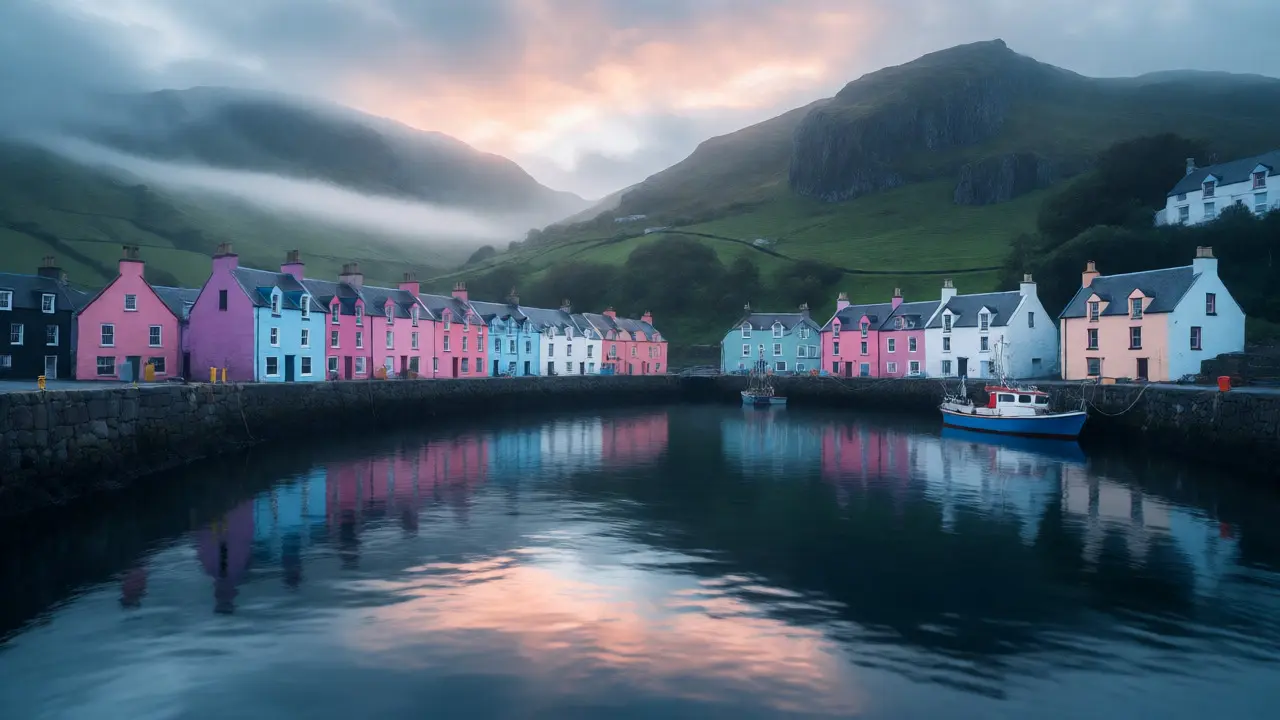
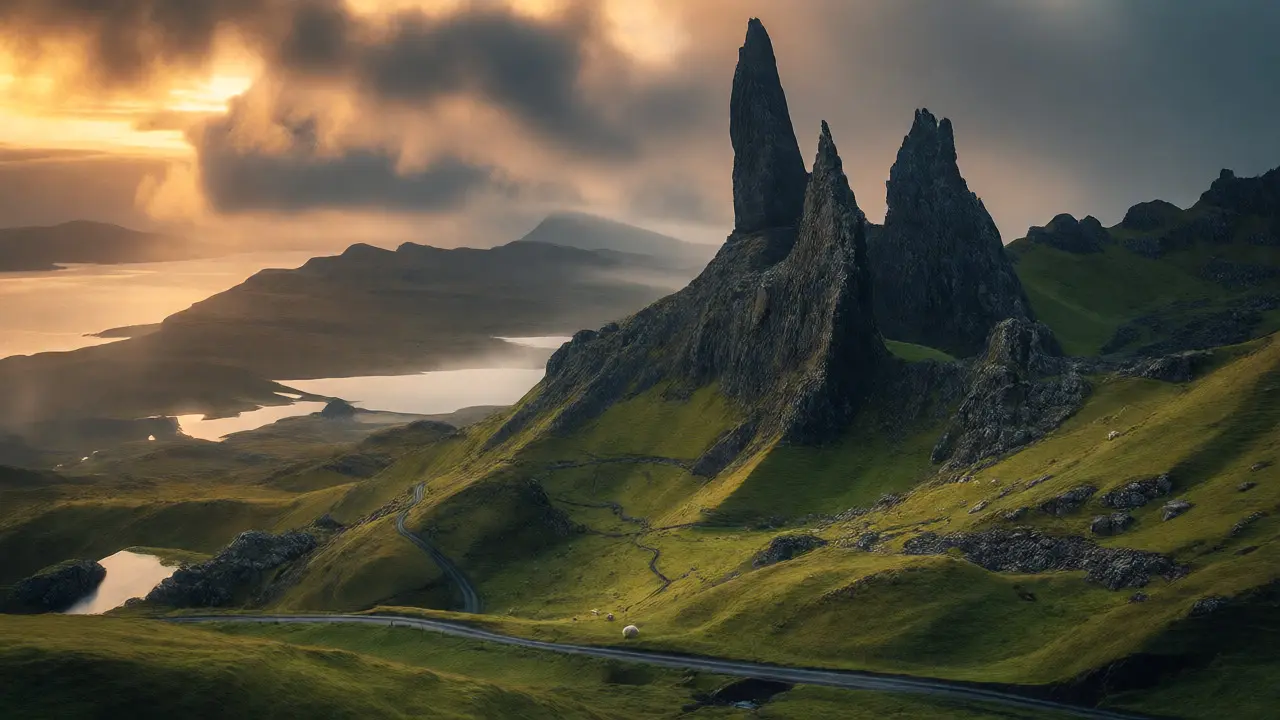
Imagine waking up to the sight of the Old Man of Storr silhouetted against a misty dawn, with nothing but the sound of sheep bleating in the distance. That’s the promise of the Isle of Skye, Scotland's largest island and a magnet for travelers seeking raw, rugged beauty. But here is the catch: Skye is small, popular, and surprisingly expensive if you don't know where to look. Choosing your base isn't just about picking a bed; it’s about deciding how much driving you’re willing to do each day. If you want the full experience without the headache, this guide breaks down exactly where to stay, from the bustling hub of Portree to the quiet corners that actually let you sleep. We’ll cover the best hotels, the charm of local B&Bs, and the strategic reasons why some locations are better than others depending on what you plan to see.
Why Location Matters More Than Luxury on Skye
Most visitors underestimate the geography of Skye. It looks tiny on a map, but the roads are single-track, winding, and often blocked by tour buses or slow-moving tractors. If you stay in the wrong spot, you could spend two hours a day just getting back to your room. The central question isn't "which hotel has the nicest lobby?" but rather "where can I minimize my drive time to the main attractions?" The island is roughly 50 miles long, but a trip from the south (Broadford) to the north (Staffin) can take over an hour. Most tourists focus on three key areas: the Trotternish Peninsula in the north (home to the Quiraing and Old Man of Storr), the Cuillin Mountains in the west, and the Fairy Pools in the south. Your accommodation choice should align with which of these draws you most.
Portree: The Heartbeat of Skye
Portree is the capital of Skye and the only town of any significant size on the island. It sits on the east coast, facing the mainland across the Sound of Sleat. For many first-time visitors, this is the default choice, and for good reason. It has the highest concentration of restaurants, pubs, shops, and fuel stations. If you arrive late at night or need to restock supplies, Portree is your safest bet. Staying here means you are centrally located. You are within a 30-minute drive of the Old Man of Storr to the north and about 45 minutes from the start of the Cuillin ridge walks to the west. However, be warned: Portree gets incredibly busy in summer. Parking is a nightmare, and the streets fill with coaches by mid-morning. If you hate noise and crowds, you might find staying right on the harborfront stressful. Who should stay in Portree?
- First-time visitors who want easy access to amenities.
- Those who prefer having dinner options within walking distance.
- Travelers arriving by ferry from Mallaig who want to settle in quickly.
The North: Staffin and Uig for Early Risers
If your primary goal is photographing the Old Man of Storr or hiking the Quiraing loop, staying in Portree means waking up at 5 AM to beat the traffic. A smarter move is heading north to Staffin or Uig. These villages are closer to the Trotternish Loop, allowing you to hit the trails while they are still empty.
Staffin is particularly interesting because it offers views of the Kilt Rock waterfall and the famous Dinosaur Footprints site (visible at low tide). There are fewer hotels here, but plenty of high-quality self-catering cottages and guesthouses. The trade-off is that dining options are limited to one or two pubs, so you’ll likely need to drive back south for dinner unless you book meals in advance.
The West: Dunvegan and Waternish for Castle Lovers
On the northwest tip lies Dunvegan, home to the oldest continuously inhabited castle in Scotland, Dunvegan Castle. This area feels different-more agricultural, quieter, and deeply historic. Staying here puts you close to the Fairy Glen and provides stunning views of the Outer Hebrides on clear days. This is the ideal base if you want to combine history with nature. The roads are slightly wider here than in the north, making driving less stressful. However, you are quite far from the southern attractions like the Fairy Pools. Expect a 1-hour-15-minute drive to get to the south end of the island.
| Area | Best For | Drive Time to Old Man of Storr | Atmosphere |
|---|---|---|---|
| Portree | Amenities & Central Access | 25 mins | Bustling, Touristy |
| Staffin/Uig | Northern Hikes & Photography | 10 mins | Quiet, Rural |
| Dunvegan | Castles & Western Views | 45 mins | Historic, Peaceful |
| Broadford | Fairy Pools & Southern Trails | 60 mins | Small Village, Practical |
Hotels vs. B&Bs: What’s the Real Difference?
In Skye, the line between a hotel and a Bed and Breakfast (B&B) is often blurred. Many "hotels" are essentially large family homes converted into guesthouses. True luxury hotels are rare and command premium prices. Here is what you need to know before booking.
Traditional Hotels offer consistency. They have reception desks, room service, and standardized check-in times. Places like the Cuillin Hills Hotel in Portree provide reliable comfort and great views. If you value predictability and don’t mind paying a premium for it, stick to hotels. They are also better if you have dietary restrictions that require a professional kitchen.
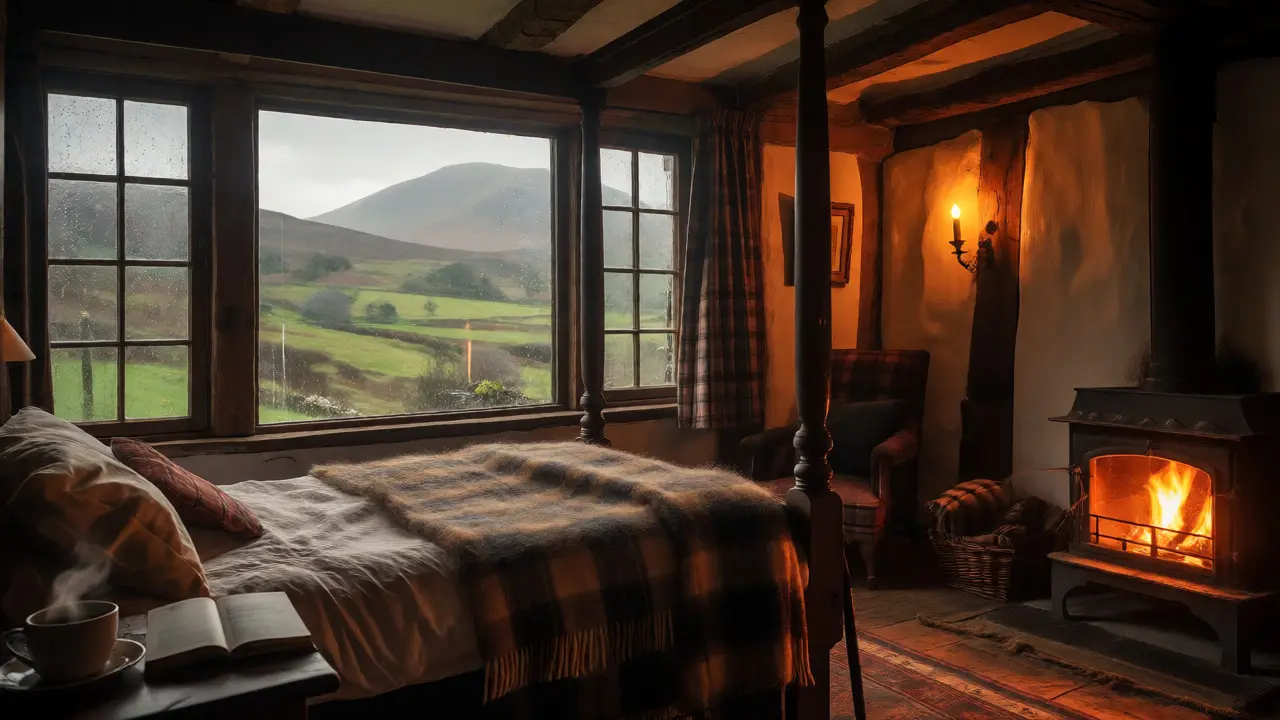
B&Bs and Guesthouses offer personality. You will often eat breakfast cooked by your host, who might tell you exactly when the rain will stop or where to find golden eagles. Prices are usually lower, but availability vanishes months in advance. The downside? Some older properties lack modern insulation, meaning rooms can be cold even in July. Always read recent reviews specifically mentioning heating and Wi-Fi quality.
Budget Tips for Saving Money on Skye
Skye is not cheap. A standard double room in peak season (June-August) can easily cost £150-£250 per night. To keep costs down without sacrificing comfort, consider these strategies:
- Book Early: The best-value B&Bs sell out 6-9 months in advance. Last-minute deals are rare and often involve poor locations or subpar conditions.
- Travel Shoulder Season: May and September offer similar weather to June but with fewer crowds and lower rates. The light lasts until 10 PM in May, giving you more daylight for activities.
- Self-Catering Cottages: If you are traveling as a group or family, renting a cottage allows you to cook your own meals. Eating out in Portree adds up quickly (£15-£20 per main course).
- Stay on the Mainland: If you cannot find affordable lodging on the island, consider staying in Kyle of Lochalsh on the mainland. It is connected by the Skye Bridge, adding only 15-20 minutes to your commute but saving potentially £50+ per night.
Essential Amenities to Check Before Booking
Not all accommodations are created equal when it comes to practical needs. Before hitting "confirm," verify these three things:
- Parking: Is it free? Is it secure? In Portree, street parking is limited and time-restricted. Confirm if the property has dedicated off-street parking.
- Wi-Fi: Internet connectivity on Skye can be spotty, especially in remote northern villages. If you need to work remotely, ask for a speed test result or look for properties advertising fiber broadband.
- Breakfast Options: Does the B&B offer vegetarian, gluten-free, or vegan options? Many traditional places serve only a full Scottish fry-up unless requested otherwise.
Final Thoughts on Planning Your Stay
There is no single "best" place to stay on Skye-it depends entirely on your itinerary. If you want convenience and nightlife, choose Portree. If you chase sunrises at the Quiraing, head north to Staffin. If you love castles and coastal drives, Dunvegan is your winner. Whatever you choose, book early, pack layers, and accept that the weather will change every ten minutes. That unpredictability is part of the magic.
Is Portree the best place to stay on the Isle of Skye?
Portree is the most convenient location due to its central position and abundance of services, making it ideal for first-time visitors. However, if your main focus is the northern landmarks like the Old Man of Storr, staying further north in Staffin saves significant driving time and avoids morning traffic congestion.
How expensive is accommodation on the Isle of Skye?
Accommodation on Skye is generally expensive compared to the Scottish mainland. During peak summer months, expect to pay £150-£250 per night for a standard double room in a hotel or B&B. Budget options are scarce and sell out quickly, so booking 6-9 months in advance is crucial for better rates.
Can I stay on the mainland instead of the Isle of Skye?
Yes, towns like Kyle of Lochalsh and Plockton on the mainland are connected to Skye by the Skye Bridge. Staying there can save money and offer more accommodation choices, but it adds 15-30 minutes of driving each way. This is a viable option if you are comfortable driving daily.
What is the difference between a hotel and a B&B on Skye?
Hotels offer standardized services, reception, and consistent amenities, often at a higher price point. B&Bs are typically family-run guesthouses offering personalized service and homemade breakfasts, often at a lower cost but with variable facilities and potential issues with heating or internet reliability.
Do I need a car to visit accommodation on Skye?
While public transport exists, it is infrequent and does not reach many rural accommodations. Having a car is highly recommended for flexibility, especially if you are staying outside of Portree or visiting multiple regions of the island in one trip.
Comments (12)
-
alex kobri September 19, 2026
the map is a lie
it looks so small but the roads are single track nightmares
i drove from broadford to staffin once and it felt like an eternity
luxury doesn't matter when you're stuck behind a tractor for forty minutes
location is everything on skye

-
Deb Kortyna, MBA September 21, 2026
I must respectfully disagree with the premise that location outweighs luxury in every scenario. While practicality is undeniably important, dismissing comfort entirely ignores the physiological needs of travelers after a day of rigorous hiking. One cannot simply endure cold rooms and poor insulation just because one is near a trailhead. The psychological impact of returning to a warm, well-appointed room after battling the Scottish elements is profound and often underestimated by budget-conscious planners who fail to account for the cumulative fatigue of poor sleep quality.
Furthermore, the assertion that B&Bs offer superior personality is a romanticized notion that does not always hold true in practice. Many family-run establishments suffer from inconsistent service standards and lack the professional infrastructure required to handle unexpected issues such as heating failures or plumbing emergencies efficiently. A hotel provides a layer of accountability and consistency that a private host may not be able to guarantee, particularly during peak seasons when hosts are overwhelmed by guest volume. Therefore, while Portree may be busy, its concentration of higher-end accommodations ensures a level of reliability that remote cottages simply cannot match, regardless of their proximity to the Old Man of Storr.

-
Jeff Falcon September 22, 2026
oh man i totally agree with the first comment about the roads being single track nightmares because honestly it’s so stressful trying to navigate those narrow lanes when you’re already tired from hiking all day and then you realize you forgot your camera lens at the hotel and have to drive back through traffic which makes you want to scream into a pillow
but also the point about booking early is super crucial because we tried to book last minute two years ago and ended up staying in Kyle of Lochalsh which was fine but meant we had to cross the bridge twice a day and that added so much time to our itinerary that we barely saw half the stuff we wanted to see
so yeah definitely plan ahead and maybe consider the shoulder season if you can swing it because the crowds in July are absolutely insane and the parking situation in Portree is basically a war zone by noon

-
Chris Neal September 23, 2026
Actually, the claim that Dunvegan has wider roads is misleading; the Waternish peninsula is notoriously difficult for larger vehicles due to blind corners and steep gradients.
Also, self-catering isn't always cheaper when you factor in fuel costs for driving to supermarkets since local shops mark up prices significantly.

-
Alyson Karson September 24, 2026
Dude stop being such a know it all lol
We stayed in Dunvegan and loved it
The views were worth every penny
Just go enjoy the trip instead of nitpicking road widths!!

-
Vishnu Vardhan Reddy M S September 26, 2026
Oh, fantastic advice! Truly groundbreaking insights there, my friend.
It is so helpful to be reminded that some people actually read the guide before commenting.
Perhaps next time you could also inform us that water is wet and fire is hot?
But seriously, good luck with your contrarian stance on something so subjective.
We appreciate your unique perspective on road width statistics.

-
Kyle Ware September 27, 2026
Great points on the geography
One thing to add is that cell service is spotty in Staffin and Uig
Download offline maps before you leave portree
Also check if your rental car has enough clearance for rural tracks
Some paths get muddy fast after rain
Stay safe out there

-
Iva Grekova September 29, 2026
This is such a helpful breakdown! I’m planning a trip for September and this confirms my suspicion that staying north might be better for sunrise hikes. The tip about downloading offline maps is gold because I’ve heard horror stories about losing signal in the Trotternish area. It really helps to know what to expect regarding amenities too. Thanks for sharing!

-
Onyinyechi Nwosu September 29, 2026
beautiful place
reminds me of home sometimes
the mist
the green hills
just peaceful
would love to visit someday

-
Chandan Singh September 30, 2026
Technically speaking the Isle of Skye is part of the Highland Council Area and not a separate administrative entity which affects certain tourism taxes and regulations.
Moreover the definition of 'shoulder season' varies by operator with some considering April as shoulder and others May.
You should verify these details directly with accommodation providers rather than relying on generalizations.

-
Brannen Hall September 30, 2026
Boring guide.
Everyone knows to book early.
Everyone knows to bring rain gear.
What's new here?
Nothing.
Zero value add.
Pass.

-
michelle veluz October 1, 2026
THEY ARE HIDING THE REAL COSTS FROM YOU!!!
Did you notice how they didn't mention the hidden cleaning fees?!
Or the mandatory resort tax that pops up at checkout?!!
It's all a conspiracy by the tourism board to keep prices artificially low online so you book!
Then they hit you with £50 extra per night for "service" that you never asked for!!!
And don't get me started on the Wi-Fi speeds... it's throttled on purpose so you stay in the pubs and spend more money!!!
Wake up people!!!
The mainland option is the only way to escape the trap!!!
Kyle of Lochalsh is the truth!!!
They want you isolated on the island so you can't compare prices!!!
Trust no one!!!
Especially not the B&B hosts who smile while picking your pocket!!!
Check the fine print!!!
Always check the fine print!!!
Do not let them fool you!!!
It is a system designed to drain your wallet!!!
Stay vigilant!!!
Stay awake!!!
The sheep are watching you!!!
