
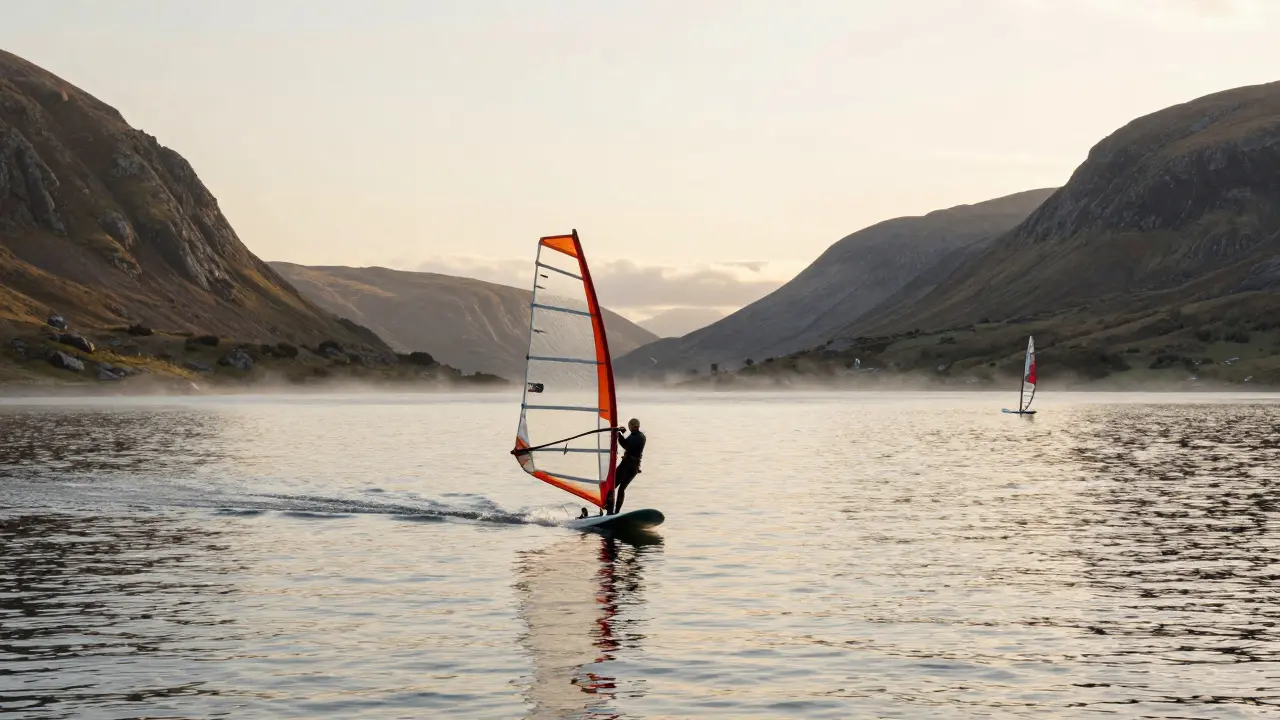
Scotland’s coastlines aren’t just for looking at-they’re for riding. While many think of lochs and castles when they picture Scotland, the real thrill for water lovers lies where the sea meets the wind. Windsurfing, kitesurfing, and other coastal activities aren’t niche hobbies here-they’re everyday adventures for locals and visitors alike. The mix of strong Atlantic winds, long stretches of open water, and rugged shorelines makes Scotland one of the best places in Europe to get on the water.
Why Scotland Is a Water Sports Paradise
It’s not just about having water. It’s about having the right kind of water. Scotland’s west coast gets consistent winds from the Atlantic, often hitting 15 to 25 knots in spring and autumn. That’s perfect for both beginners and pros. The east coast, especially around Fife and Angus, has sheltered bays and tidal inlets that let you ride in calm conditions even when the open sea is choppy.
Unlike tropical spots where you need a flight and a resort, you can be on the water in Scotland within an hour of leaving a city. In Dundee, I’ve walked out of my flat, caught the bus to Tayport, and been kitesurfing by 9 a.m. No visa, no expensive gear rental upfront-just a local shop, a quick lesson, and the sea.
The water temperature? Cold. But modern wetsuits-5mm fullsuits with hoods and boots-make it doable from March to November. Most regulars don’t stop in winter. They just switch to drysuits and keep going.
Best Spots for Windsurfing in Scotland
If you’re new to windsurfing, start at Loch Sunart on the west coast. It’s a long, narrow sea loch with steady winds funneling down from the hills. The water stays flat, and there are no strong tides to mess with your balance. Local schools like Windsurf Scotland offer half-day lessons with boards and sails included.
For more advanced riders, Isle of Mull is legendary. The stretch between Tobermory and Calgary Bay gets wind from both the north and south, creating perfect cross-shore conditions. You’ll see experienced riders carving turns over 20 knots here. The bay has shallow sandy entry points, so you can launch without wading through rocks.
On the east coast, Montrose Basin is a surprise gem. It’s a tidal estuary with wide-open views and consistent wind. It’s also a protected bird reserve, so you can’t go too close to the reeds-but the center channel is wide enough for long runs. It’s quiet, clean, and rarely crowded.
Kitesurfing Hotspots You Can’t Miss
Kitesurfing in Scotland is growing fast. The wind is reliable, the space is open, and the vibe is friendly. Loch Ness might seem like an odd pick, but the long, narrow stretch of water creates a wind tunnel effect. Early mornings in May and September are glassy, with 20-knot breezes rolling down from the highlands. There are no waves here-just flat water and long, straight runs. Perfect for learning jumps or improving your upwind technique.
But the real kitesurfing capital? Clachtoll Beach on the northwest coast. It’s remote, wild, and backed by dunes that stretch for miles. The tide comes in and out fast, leaving wide, flat sandbanks to launch from. You’ll find people here from all over Europe in July and August. Local guides offer gear hire, and there’s a small campsite right next to the beach.
Another favorite is Portsoy Harbour in Aberdeenshire. It’s sheltered, has deep water close to shore, and the wind funnels perfectly between the cliffs. It’s not as big as Clachtoll, but it’s safer for beginners and has a strong local community. The pub at the end of the pier is the unofficial kitesurfing club house.
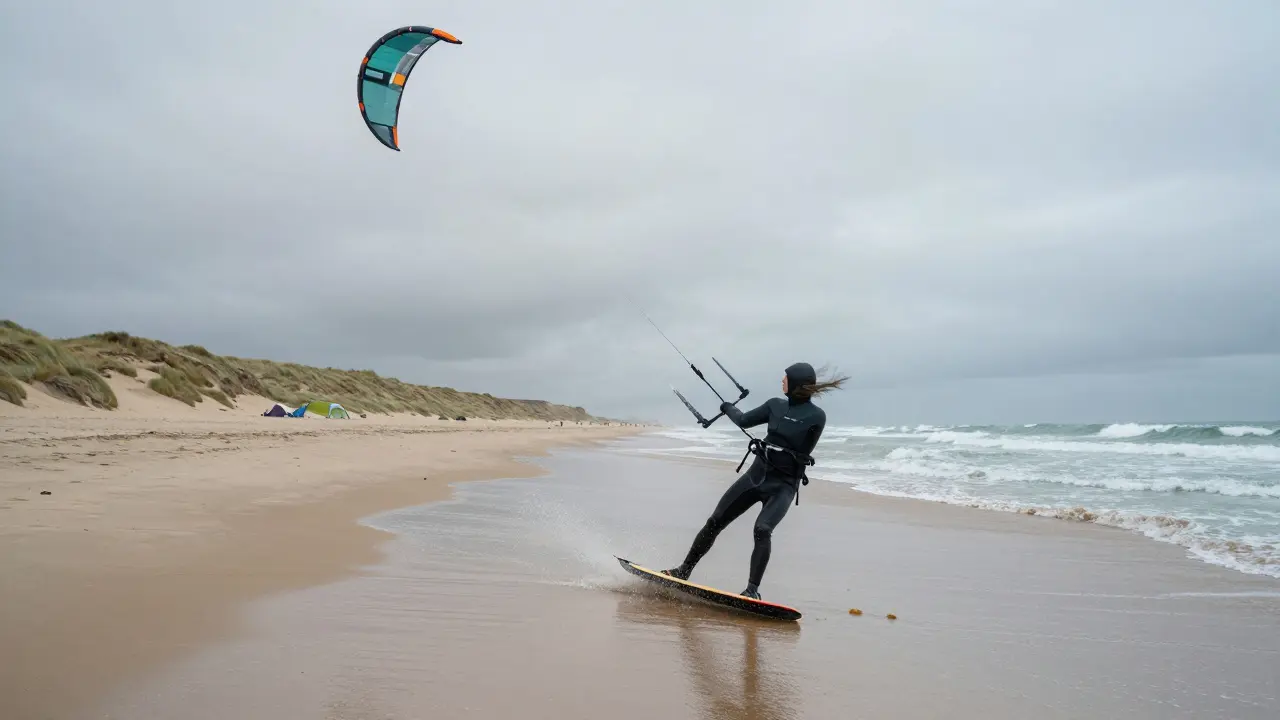
Other Coastal Water Activities to Try
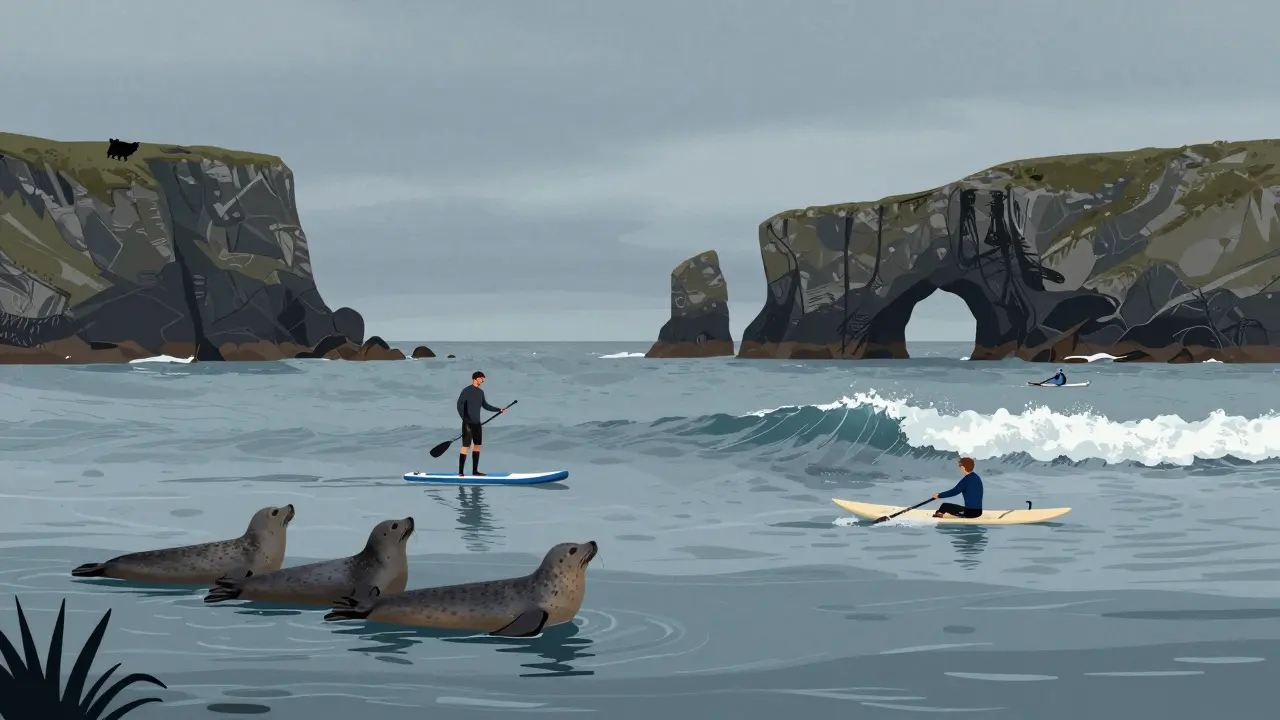
Windsurfing and kitesurfing aren’t the only games in town. If you want something less intense, try stand-up paddleboarding (SUP) on the Firth of Forth. The water’s calm, and you’ll see seals bobbing just offshore. Rentals are available in North Berwick and Inverkeithing.
Coastal kayaking is huge around the Hebrides. Paddle through sea caves near Staffa, or take a guided trip from Oban to the Treshnish Isles. You’ll see puffins, otters, and sometimes dolphins. Local operators like Hebridean Kayak offer day trips with all gear included.
For adrenaline junkies, surfing is picking up on the north coast. Thurso East is Scotland’s only true surf break. It’s a right-hand reef break that works best on a west swell. Winter is peak season, with 6-8 foot waves and water temps around 8°C. You’ll need a 5/4/3 wetsuit, boots, gloves, and a hood. The local surf shop, Thurso Surf, rents everything and runs beginner clinics every weekend.
What You Need to Know Before You Go
Don’t show up with gear you bought online and expect to figure it out. Scotland’s weather changes fast. Wind forecasts are your best friend. Use Windfinder or Windy.com-they track local conditions better than global apps.
Always check tide times. A lot of spots are only safe at high tide. At low tide, you’re walking across mudflats or sharp rocks. Local shops know the patterns. Ask them.
Wetsuits are non-negotiable. Even in summer, the water rarely hits 15°C. A 4mm suit is the minimum. For kitesurfing in spring or fall, go 5mm with a hood. Most rental shops include a suit, but if you bring your own, make sure it fits snugly. Loose neoprene = cold = miserable.
And yes, you need insurance. Not just any policy. You need one that covers water sports. Some travel policies exclude kitesurfing. Check the fine print. Local clubs often have group insurance you can join for a small fee.
Where to Rent Gear and Take Lessons
You don’t need to own gear to start. Most towns with water access have rental shops. Here are a few reliable ones:
- Dundee - Coastal Active rents windsurf and kite gear, offers lessons on the Tay Estuary.
- Oban - Oban Watersports has SUP, kayak, and kite packages. Great for families.
- North Berwick - SEASURF offers beginner windsurfing courses with small boards and low-wind rigs.
- Thurso - Thurso Surf is the only place in Scotland with year-round surf coaching.
- Isle of Skye - Watersports Skye does guided kitesurf trips to secluded beaches.
Lessons usually cost £40-£60 for 2 hours. Group lessons are cheaper. Private ones give you more focus. Most include gear, safety briefing, and a basic skills certificate.
When to Go
Spring (April-June) is the sweet spot. Winds are strong, crowds are thin, and the days are getting longer. Summer (July-August) is warmest but busiest. If you want space, go in May or September.
Winter (November-February) is for the hardcore. Water temps drop to 6°C. But if you’ve got a drysuit and a thick hood, you’ll have the whole coast to yourself. Some of the best wind days happen in December.
There’s no "off season" in Scotland-just different conditions. Pack for wind, rain, and sudden sun. Layers matter more than color.
Respect the Coast
Scotland’s coastline is wild, beautiful, and fragile. Stick to marked launch zones. Don’t kite near seal colonies or bird nesting areas. Leave no trace. Take your gear, your trash, and your ego home.
Local communities run these spots. They’re not tourist attractions-they’re part of daily life. Say hello. Ask questions. Learn the rules. You’ll get better waves-and better stories.
Can you windsurf in Scotland in winter?
Yes, but you need the right gear. Winter winds are strong and consistent, especially on the west coast. Most regulars switch to drysuits, thermal layers, and neoprene hoods. Water temperatures drop to 6-8°C, so a 5mm wetsuit isn’t enough. Drysuits with integrated boots and hoods are essential. Popular spots like Clachtoll and Thurso East stay active all year. Just check wind forecasts and tide times before heading out.
Do I need to bring my own gear?
No. Most coastal towns have rental shops that offer complete setups-boards, sails, kites, wetsuits, and safety gear. Beginner lessons include everything. If you’re planning to stay longer, you can rent weekly. Buying gear in Scotland is expensive unless you’re serious. Rent first, then decide. Many shops even offer gear swaps for returning customers.
Is kitesurfing safe for beginners in Scotland?
Yes, if you start with a lesson. Scotland’s wind is powerful, and learning on your own is risky. Most accidents happen when people overestimate their skill. Stick to certified schools. They use smaller kites (3-5m²) for beginners, teach you how to self-rescue, and choose calm, shallow spots. Places like Montrose Basin and Loch Sunart are ideal for learning. Never skip the safety briefing.
Are there any restrictions on where I can kitesurf?
Yes. Some beaches are protected for wildlife. You can’t launch within 200 meters of seal haul-outs or bird nesting sites. In places like the Isle of Mull or the Firth of Forth, local councils mark no-kite zones with signs. Always check with the rental shop or local council website before heading out. Most operators know the rules and will steer you to legal spots. It’s not about rules-it’s about respect.
What’s the best time of year for windsurfing in Scotland?
April to June and September to October are ideal. Winds are steady (15-25 knots), the water is still cold but manageable, and crowds are small. Summer has lighter winds and more people. Winter offers the strongest wind but requires serious gear. If you’re learning, spring is best. If you’re chasing power, go in late autumn. Most pro riders say September is the sweet spot-cool air, warm water, and no tourists.
Final Thoughts
Scotland doesn’t sell water sports like a theme park. It doesn’t need to. The sea here doesn’t care if you’re a pro or a first-timer. It just gives you wind, water, and space. If you show up with respect, curiosity, and the right gear, it’ll give you something unforgettable.
You don’t need a beach resort. You just need a bus, a wetsuit, and the courage to step into the cold. That’s the Scottish way.
Comments (9)
-
kelvin kind February 14, 2026Just did a quick windsurf session at Tayport last weekend. Cold, yes. But that rush when you catch the gust? Worth every shiver.

-
Fred Edwords February 15, 2026I appreciate the thoroughness of this guide. That said, I must point out-though you mention wind speeds of 15–25 knots, you neglect to specify whether these are average, gust, or sustained velocities. Precision matters. Also, 'glassy' is a colloquialism; 'unbroken surface' is more technically accurate. And: '5mm fullsuits'-should be hyphenated as '5-mm full suits.' Small details, but they add up.

-
Ananya Sharma February 15, 2026Let me be clear: this entire narrative is a capitalist fantasy disguised as outdoor enthusiasm. You romanticize 'local shops' and 'quick lessons,' but have you considered the carbon footprint of people flying in from the U.S. just to 'experience' a wind tunnel they could replicate in a gym with a fan? And let’s not pretend these spots aren’t being gentrified-rental prices have doubled since 2020, and the real locals? They’re now working behind the counter at those very shops. This isn’t adventure. It’s extraction dressed in neoprene.

-
Ian Cassidy February 16, 2026Clachtoll’s sandbanks are ideal for low-wind launches. The tidal zone there has a 1.5m range, which means you get a 300m+ flat zone at mid-tide. Kite size? 7m² for 15–20 knots. Anything bigger and you’re overpowered. Also, the wind window there is unusually wide-like 160 degrees-because of the dune topography. Not many people know that.

-
Zach Beggs February 17, 2026Solid write-up. I’ve done SUP in North Berwick and kited in Montrose. Both are underrated. No hype, just good conditions.

-
Kenny Stockman February 18, 2026If you're new to this, just start with a lesson. Seriously. I tried winging it (pun intended) in Oban once. Ended up tangled in my lines, floating out past the breakwater, and had to yell for help. The instructor who saved me? He didn’t laugh. Just handed me a hot tea and said, 'Next time, trust the gear.' Best advice I ever got.

-
Antonio Hunter February 18, 2026I’ve spent the last three years documenting coastal access points across the UK, and Scotland’s model is uniquely balanced. Unlike other regions where public access is either restricted or chaotic, Scotland’s Right to Roam legislation, combined with community-managed launch zones, creates a sustainable ecosystem. The fact that rental shops collaborate with conservation groups-like the one at Montrose Basin that funds bird monitoring through lesson fees-isn’t accidental. It’s institutional wisdom. Most countries treat water sports as recreation. Scotland treats it as stewardship. That’s why the culture here lasts.

-
Sarah McWhirter February 18, 2026You know what’s weird? All these spots are near ancient pagan sites. Loch Sunart? That’s where the Druids held solstice rites. Clachtoll? The dunes are built over a burial mound. And Thurso East? The reef alignment matches the Orion’s Belt constellation. Coincidence? Or did the old ones know the wind patterns better than we do? Maybe the sea doesn’t just give wind… it remembers. Just saying.

-
Paritosh Bhagat February 18, 2026I’m sorry, but I have to address something: you say 'modern wetsuits make it doable'-but have you considered the ethical implications of neoprene? It’s petroleum-based, non-biodegradable, and contributes to microplastic pollution. And you recommend renting gear? How do you know the rental shops aren’t just reselling secondhand gear from China? I’ve seen the labels-'Made in Guangzhou'-and the quality is garbage. You’re not saving the ocean; you’re commodifying it. And don’t get me started on 'group insurance'-that’s just a loophole for liability avoidance. Wake up. The ocean doesn’t need your 'adventure.' It needs your silence.
