
Wheelchair-Friendly Ferries in Scotland
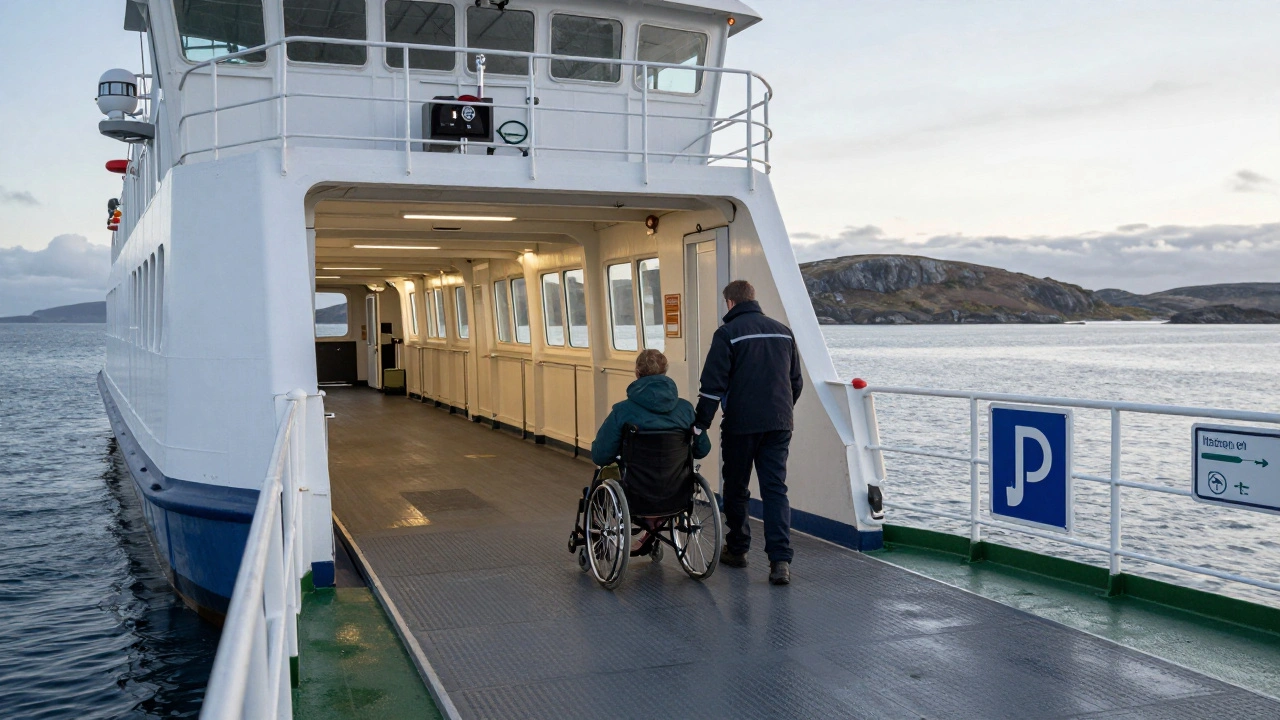
When you're looking for wheelchair-friendly ferries, ferries designed to accommodate passengers with mobility challenges, including ramps, lifts, and accessible restrooms. Also known as accessible ferries, they make it possible for everyone to explore Scotland’s islands, coasts, and waterways without barriers. Many people assume ferry travel in Scotland is limited for wheelchair users—but that’s not true anymore. Thanks to recent upgrades and stricter accessibility standards, several key routes now offer real, reliable access. You don’t need to plan around obstacles—you can plan around adventure.
What makes a ferry truly wheelchair-friendly? It’s not just about having a ramp. It’s about clear pathways onboard, enough space to turn a mobility scooter, accessible toilets with grab bars, and staff trained to help without making you feel like a project. Some ferries even have designated seating areas with views, lowered service counters, and audio announcements. The Firth of Forth ferries, routes connecting Fife to Edinburgh and Lothian, often used by locals and tourists alike, are among the most consistently accessible. Meanwhile, Caledonian MacBrayne (CalMac), Scotland’s largest ferry operator, serving the Hebrides and west coast, has been upgrading its fleet since 2018, with most new vessels fully compliant. Even older boats on popular routes like Arran or Bute now have lifts and accessible cabins.
Don’t just show up and hope. Book ahead. Tell them you need wheelchair access when you reserve. Some ferries require 48-hour notice for boarding assistance. Know your route: the Arran ferry from Ardrossan, a key link from mainland Scotland to the Isle of Arran, has level boarding and wide corridors. The Orkney ferries, connecting mainland Scotland to the Northern Isles, offer onboard wheelchairs if you don’t bring your own. And if you’re heading to the Isle of Skye, the Mallaig to Armadale route is fully accessible—unlike some smaller, seasonal services that still struggle with steps.
It’s not just about getting on the boat. It’s about what’s waiting on the other side. Many ferry terminals now have level access to car parks, restrooms, and nearby paths. In places like Crail, Anstruther, and Tain, you can roll straight from the dock to cafés, shops, and coastal trails. The same goes for Oban and Fort William—places where the scenery doesn’t stop at the water’s edge.
There are still gaps. Smaller operators, private charters, and seasonal routes sometimes fall short. But the big ones? They’re getting it right. And the posts below show you exactly which ones to pick, what to pack, how to avoid delays, and where you can go next—whether it’s a quiet beach, a historic castle, or a whisky distillery with a ramp out front. You don’t need to wait for perfection. You just need the right info. And that’s what you’ll find here.
Accessible Stays on the Islands: Ferries, Rooms, and Terrain
Caleb Drummond Dec 6 13Discover how to plan an accessible island getaway in Scotland with reliable ferries, truly wheelchair-friendly rooms, and improved terrain paths. Learn what to ask for and where to go for a stress-free stay.
More Detail