
Scottish Whisky History: Origins, Distilleries, and Cultural Roots
When you think of Scottish whisky history, the centuries-old tradition of distilling barley, water, and yeast into smooth, smoky spirits. Also known as Scotch whisky, it’s more than a drink—it’s a living record of Scotland’s land, laws, and people. This isn’t just about alcohol. It’s about monks recording distillation in the 1400s, smugglers hiding stills in glens, and families passing down recipes like heirlooms. The first written record of whisky in Scotland? A 1494 entry in the Exchequer Rolls, where a friar was paid for enough malt to make "aqua vitae." That’s it—no fancy labels, no marketing. Just raw, honest spirit made for healing, celebration, or hiding from taxes.
By the 1800s, the invention of the continuous still changed everything. Suddenly, grain whisky could be made faster and smoother, leading to blends that reached global markets. But the real soul of Scotch whisky, a protected designation that means it must be made, matured, and bottled in Scotland still lives in single malts. Places like Talisker Distillery, on the Isle of Skye, where sea salt and peat smoke define the flavor, or Glenfiddich in Speyside, where tradition never bowed to speed. Each region—Islay, Highland, Lowland—has its own character, shaped by water, climate, and local barley. You can taste the difference between a smoky Islay malt and a light, fruity Lowland one because the land itself is in the glass.
Whisky didn’t just survive wars and taxes—it helped shape them. During the Highland Clearances, distilling kept communities alive when farming failed. In the 1980s, when global demand crashed, hundreds of distilleries closed. But the ones that held on became icons. Today, whisky tourism is a major part of Scotland’s economy. People come not just to drink, but to walk the warehouses, smell the casks, and hear stories from distillers whose families have worked the same stills for generations. The whisky tasting, a ritual that involves nosing, sipping, and noting flavors like heather, smoke, or dried fruit isn’t about showing off. It’s about connection—to place, to time, to people.
What you’ll find here aren’t just articles about tasting notes or distillery tours. You’ll see how whisky ties into fishing villages, castle grounds, and even film locations. You’ll learn how chocolate pairs with peat smoke, how island ferries carry casks, and why some of the oldest distilleries sit near ancient standing stones. This isn’t a checklist of brands. It’s a map of a culture that turned hardship into heritage—and still pours it out, one dram at a time.
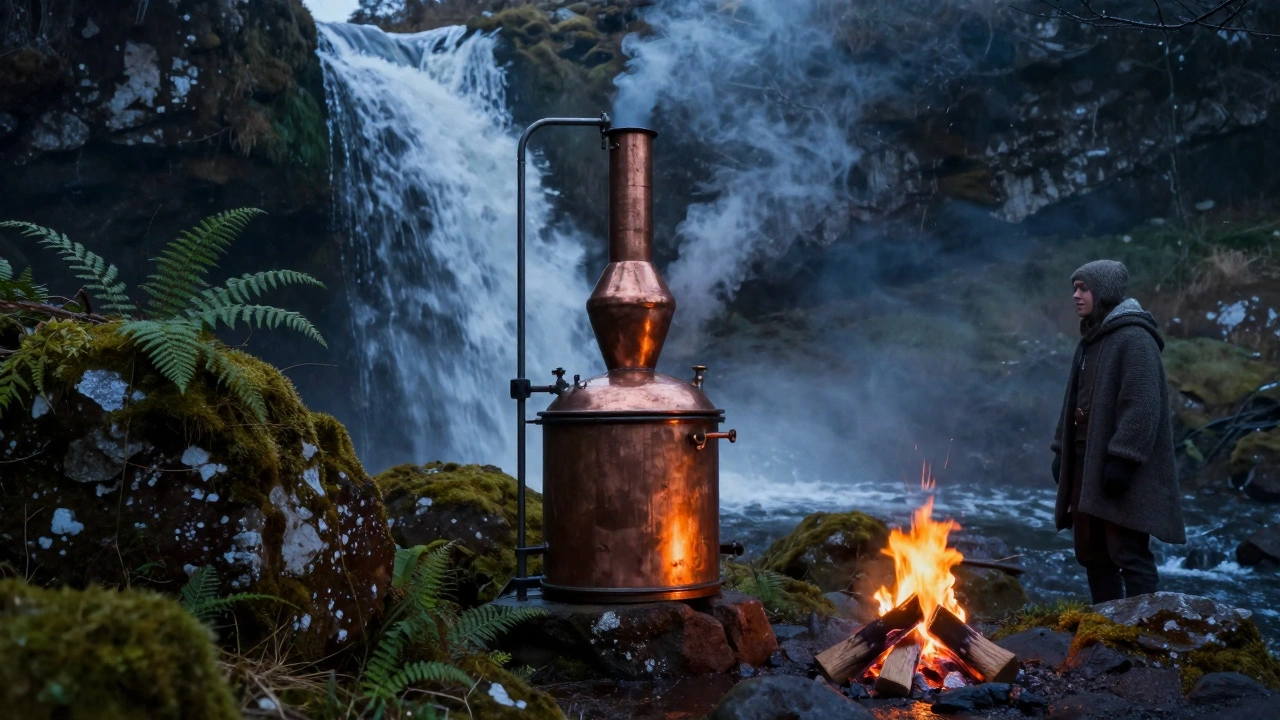
Whisky History in Scotland: Illicit Stills, Taxes, and Traditions
Caleb Drummond Dec 8 11Discover the hidden history of Scottish whisky-how illicit stills, harsh taxes, and stubborn traditions shaped the world’s most beloved spirit. A story of survival, not just spirit.
More Detail