
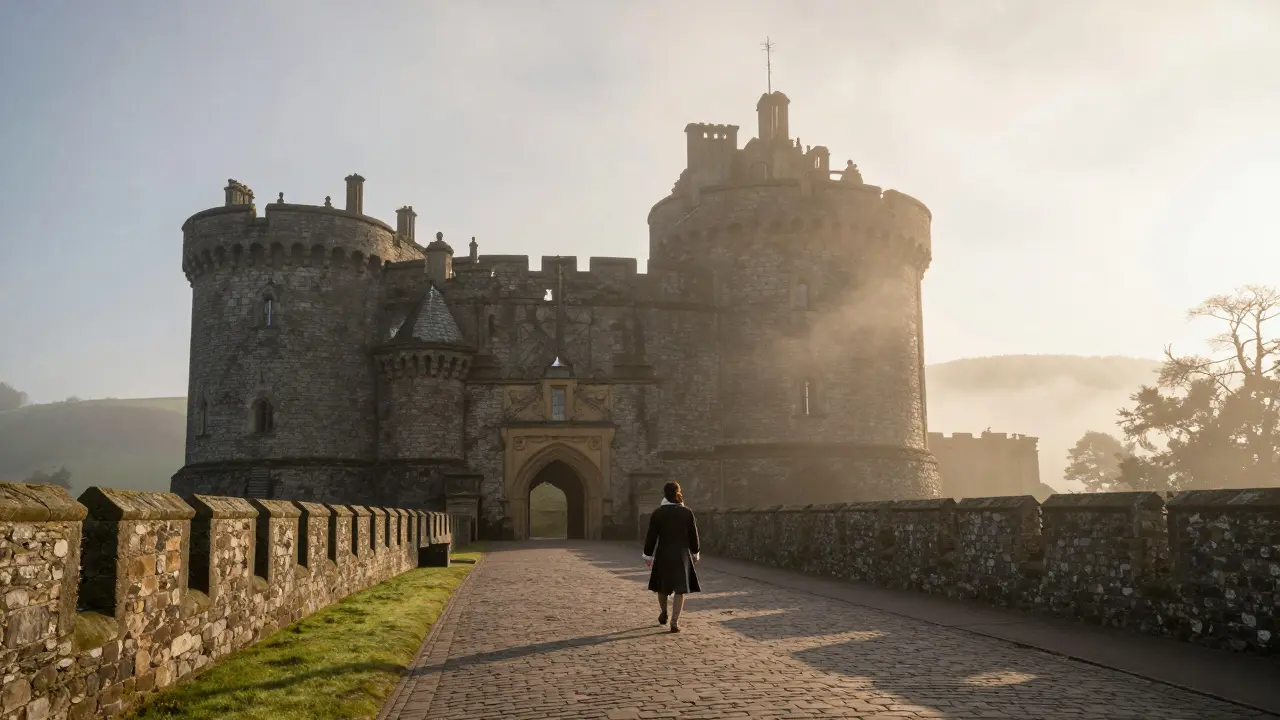
Scotland’s landscapes don’t just look like they belong in a movie-they’ve been the backdrop for some of the biggest TV shows and films in history. From misty highland glens to ancient castles that have stood for centuries, the country offers a visual storybook that producers can’t resist. If you’ve ever watched Outlander, Game of Thrones, or Braveheart and wondered where those scenes were shot, you’re not alone. This guide maps out the most iconic filming spots across Scotland, gives you practical tips for visiting them, and helps you plan your own themed road trip.
Outlander: Time Travel Through Scottish Castles and Glens
Outlander turned Scotland into a time-travel destination. The show’s producers didn’t use CGI to recreate 18th-century Scotland-they found real places that still feel like they’re stuck in the past. The most famous is Doune Castle is a 14th-century fortress near Stirling that served as Castle Leoch in the series. It’s open to the public, and you can walk through the same courtyards where Jamie Fraser first met Claire.
Don’t miss Midhope Castle is the real-life exterior of Lallybroch, Jamie’s family home. It’s on a private estate near Linlithgow, but you can still get close enough for photos from the roadside. The interior scenes were filmed on a set, but the stone walls and surrounding moorland are 100% real.
For fans of the Highlands, the scene where Claire rides through the forest to meet Jamie was shot at Glentress Forest is a wooded area in the Scottish Borders, known for mountain biking trails. The trail system here is well-marked, and you can follow the exact path used in the show.
Game of Thrones: Winterfell and Beyond
When Game of Thrones needed a place that felt cold, ancient, and untamed, they came to Scotland. The majority of Winterfell scenes were filmed at Castle Ward is a 18th-century estate in Northern Ireland-but Scotland stood in for the wild beyond the Wall. The real Scottish locations include:
- Greyhawk Forest is a stretch of ancient woodland near Fort William that doubled as the haunted forest beyond the Wall
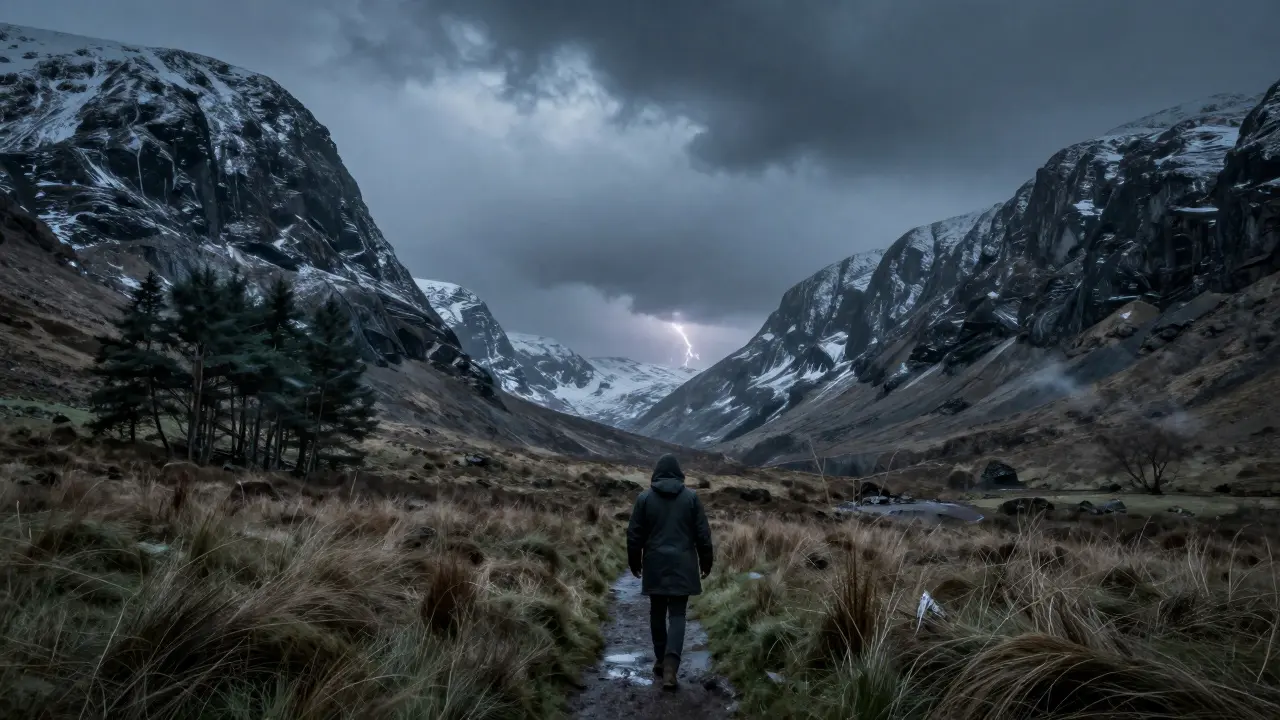
- Glencoe is the dramatic valley where Jon Snow and the Wildlings trek through snow-laden cliffs
- Loch Eilt is a remote loch on the west coast that became the location for the Night’s Watch’s journey to the Wall
These spots are remote, so bring proper gear. Glencoe’s weather changes in minutes-sunshine one hour, snow the next. Locals say if you’re not wearing layers, you’re not ready for Scotland.
Braveheart: The Battlefields That Shaped a Nation
When Mel Gibson filmed Braveheart in 1995, he didn’t build sets-he found real battlefields. The most stirring scenes were shot at Glentrool is a valley in Galloway that stood in for the Battle of Stirling Bridge. The rolling hills still look untouched, and you can hike the same paths where Wallace’s men charged on horseback.
The scene where Wallace is crowned was filmed at Stirling Castle is a royal fortress with origins dating back to the 12th century. It’s one of Scotland’s best-preserved medieval sites and has guided tours that explain exactly where the film crew set up their cameras.
Don’t overlook Loch Lomond is the largest freshwater lake in Britain, used for the opening scenes of the film. The mist rising off the water in the early morning is why so many filmmakers keep coming back.
James Bond: The Scottish Spy Hideouts
Scotland has been a Bond location since On Her Majesty’s Secret Service in 1969. In Skyfall (2012), the final battle took place at Erinmore Estate is a fictional name for the real location: Glen Coe’s abandoned shooting lodge. The crumbling stone building, surrounded by cliffs and pine trees, was built in the 1800s and now sits empty-perfect for a villain’s last stand.
For fans of the classic Bond, Loch Shiel is the loch where the boat chase happened in The World Is Not Enough. You can rent a kayak here and paddle right where Bond’s boat sped past the waterfalls.
Other Notable Film and TV Spots
- Edinburgh Castle is featured in Outlaw King and Harry Potter (as the exterior of Hogwarts)
- Isle of Skye is the setting for Outlander’s mystical stones and Brave’s fantasy landscapes
- Blackness Castle is used as the fictional Fort George in Outlander and Game of Thrones
- Loch Ness is the backdrop for Highlander and Monarch: Legacy of Monsters
- St Andrews is the golf course from Chasing the Dragon and the university scenes in Doctor Who
How to Plan Your Film Location Road Trip
Trying to hit all these spots in one go? Don’t. Scotland’s weather and terrain make it easy to overestimate what you can do in a day. Here’s how to build a realistic itinerary:
- Start with your favorite show-if you love Outlander, focus on the Central Belt and Highlands. If you’re into Game of Thrones, head to the West Coast.
- Use a map-download the free Scotland Film Locations app by VisitScotland. It shows GPS coordinates, parking info, and walking times.
- Check access-some locations are on private land. Always verify before you go. For example, Midhope Castle’s driveway is private, but the viewpoint is public.
- Time your visits-morning light is best for photos. Fog rolls in after 3 p.m. in the Highlands. Bring a jacket even in summer.
- Stay local-book B&Bs near the locations. Staying in Fort William after a day in Glencoe saves you 2 hours of driving.
What to Bring
- Waterproof boots-Scotland’s trails are muddy even on dry days
- A portable charger-many locations are far from outlets
- A physical map-GPS can fail in deep valleys
- A camera with manual settings-low light in castles demands more than smartphone auto-mode
- A notebook-many sites have plaques explaining the filming history. Write down what you learn.
Why Scotland Keeps Getting Chosen
It’s not just about looks. Scotland has something no other country offers: ancient structures still standing, untouched wilderness, and a government that actively supports film production. The Scottish Film Commission offers tax breaks, location scouts, and even helps with permits-all within 48 hours.
And the landscapes? They change with the seasons. Winter turns Glencoe into a white wasteland. Spring brings wildflowers to the glens. Autumn paints the Highlands in red and gold. Summer gives you long daylight hours. That’s why directors keep returning.
| Location | Film/Show | What to See | Best Time to Visit | Access |
|---|---|---|---|---|
| Doune Castle | Outlander | Castle Leoch courtyard, great hall | April-September | Open daily, entry fee |
| Glencoe | Game of Thrones | Wilderlands, cliff paths | May-August | Free, public trails |
| Stirling Castle | Braveheart | Crowning scene, battle view | March-October | Guided tours only |
| Loch Shiel | James Bond: The World Is Not Enough | Boat chase route | June-September | Boat rentals available |
| Isle of Skye | Outlander, Brave | Standing stones, fairy pools | May-September | Free access, some trails require hike |
Frequently Asked Questions
Can I visit all the film locations in one week?
It’s possible, but not recommended. Scotland is large, and weather delays are common. A realistic trip is 5-7 days focused on one region-like the Highlands or Central Belt. Trying to cover everything leads to rushed visits and missed details.
Are these locations free to visit?
Some are, some aren’t. Castles like Doune and Stirling charge entry fees (around £15-£20). Public lands like Glencoe and Loch Shiel are free, but parking may cost £3-£5. Always check the official website before you go.
Do I need a car to visit these spots?
Yes, unless you’re only doing Edinburgh or Glasgow spots. Most filming locations are rural. Public transport exists but runs infrequently. A rental car gives you flexibility and access to remote trails.
Are there guided tours for film locations?
Yes. Companies like Outlander Tours and Scottish Film Trails offer guided day trips from Edinburgh and Glasgow. These include expert commentary, photo stops, and sometimes even actor cameos. Book ahead-slots fill up fast.
Is it safe to hike to remote filming sites?
It’s safe if you’re prepared. Scotland’s weather changes fast. Always check the Met Office forecast, carry a whistle, and tell someone your route. Never hike alone in the Highlands. Stick to marked trails and avoid river crossings after rain.
Next Steps
If you’re planning a trip, start with the Scotland Film Locations app. Download the PDF map, pick your top three spots, and build your route around them. Don’t try to see everything. The best memories come from quiet moments-sitting on a castle wall, watching fog roll over Glencoe, or hearing the wind howl through a loch where a hero once stood.
And remember: the real magic isn’t just in the filming. It’s in the fact that these places still exist-unchanged, untamed, and waiting for you to walk where the cameras once rolled.
Comments (9)
-
Bridget Kutsche February 28, 2026
Just finished planning my trip to Scotland using this guide-sooo many places I didn’t even know existed! Doune Castle is already on my itinerary, and I’m renting a car to hit Glencoe and Skye. The app mentioned is a game-changer. Seriously, if you love film or just want to feel like you’re in a fantasy novel, this is the trip of a lifetime. Don’t overthink it-just go.

-
Jack Gifford March 1, 2026
Minor correction: Greyhawk Forest isn’t a real place-it’s a typo. They meant Glen Coe or maybe Glen Affric. The scene with Jon Snow and the wildlings? That’s definitely Glen Coe. Also, Castle Ward is in Northern Ireland, not Scotland. Don’t wanna be that guy, but if you’re gonna write a guide, get the geography right.

-
Sarah Meadows March 1, 2026
Of course Scotland gets all the film gigs. America’s got CGI studios and soundstages. Scotland’s got REAL history. Real stone. Real weather that’ll knock you on your ass. No other country lets you walk through a 700-year-old castle and then stand where a movie hero died. We should be proud of our own locations, but let’s be real-no one else can compete with ancient, untouched landscapes. This isn’t tourism. It’s heritage.

-
Nathan Pena March 3, 2026
Let’s address the grammatical inconsistencies in this otherwise commendable guide. The sentence ‘Doune Castle is a 14th-century fortress...’ is a fragment-it lacks a verb. Similarly, ‘Midhope Castle is the real-life exterior...’ is syntactically malformed. Furthermore, the use of em dashes in place of proper punctuation in the ‘What to Bring’ section undermines the credibility of the entire document. The Scottish Film Commission’s tax incentives are indeed laudable, but the editorial quality here is amateurish. I’ve submitted a formal edit request to VisitScotland.

-
Mike Marciniak March 4, 2026
Did you know that most of these ‘filming locations’ are actually government-funded decoys? The real scenes were shot in Canada and Wales, and Scotland’s just been given the credit to boost tourism revenue. The ‘misty glens’? CGI. The ‘ancient castles’? Replicas built after 1990. The government even pays actors to pretend they’re locals. I’ve got documents. You think they’d let you walk into Doune Castle if it wasn’t staged? Wake up.

-
VIRENDER KAUL March 5, 2026
It is imperative to note that the geographical accuracy of this guide is suboptimal. The assertion that Glentress Forest is the location for Claire’s forest ride is misleading, as the actual site is near Peebles, not within the designated glen. Furthermore, the omission of the precise GPS coordinates for Loch Eilt renders this guide insufficient for serious travelers. One must consult primary archival sources from the BBC and HBO production logs to verify authenticity. This is not a travel guide; it is a heuristic approximation.

-
Mbuyiselwa Cindi March 5, 2026
Y’all are gonna love this: I did this road trip last year with my sister. We skipped the busy castles and just camped near Glencoe for three nights. Woke up to fog rolling over the hills, no one else around. That’s the real magic-not the photos, not the tours. Just you, the wind, and the silence where a thousand movie moments happened. Bring hot tea. And don’t rush. The land doesn’t care how fast you move.

-
Krzysztof Lasocki March 7, 2026
So let me get this straight-we’re all here because we want to feel like we’re in a movie? Cool. I’ve been to Glencoe. It’s beautiful. But let’s be real-half the people there are holding selfie sticks and yelling ‘WINTERFELL!’ at a rock. Meanwhile, the real hero is the guy who hiked 12 miles with a backpack full of oatcakes and a thermos because he just wanted to sit on a cliff and watch the clouds. That’s the vibe. Not the Instagram post. The quiet.

-
Henry Kelley March 8, 2026
Just wanted to say thanks for this. I’m planning a solo trip next month and was worried I’d miss stuff. The part about bringing a physical map? Genius. I got lost once near Fort William because my phone died and I thought I’d be screwed. Ended up chatting with an old shepherd who gave me tea and directions. Best part of the trip. Don’t over-plan. Just show up. Scotland’s got your back.
