
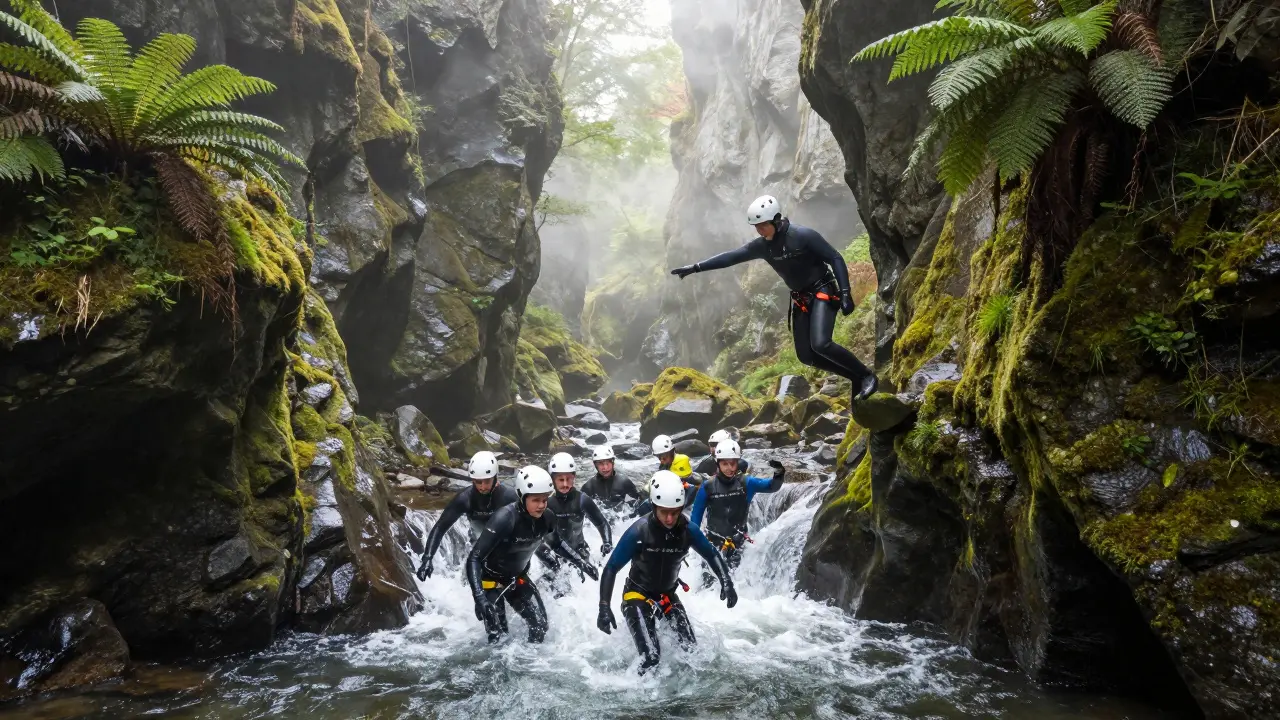
Imagine squeezing through a narrow rock chute, water up to your chest, the cold biting your skin, as you jump off a 15-foot waterfall into a pool below. This isn’t a scene from a movie - it’s a Saturday morning in the Scottish Highlands for people who do gorge walking and canyoning. These adrenaline-packed activities combine hiking, climbing, swimming, and jumping through natural rock gorges carved by rivers over thousands of years. But unlike a hike on a marked trail, these adventures demand more than good shoes and a sense of adventure. They require preparation, awareness, and knowing who to trust.
What’s the Difference Between Gorge Walking and Canyoning?
People often use the terms interchangeably, but there’s a real difference. Gorge walking is usually more accessible. It involves walking upstream through a river gorge, scrambling over rocks, wading through pools, and sometimes short, controlled jumps. It’s often done in groups with guides, and the jumps are rarely higher than 10 feet. You’ll wear a helmet, wetsuit, and sturdy boots with grip soles. Most gorge walking routes in Scotland, like those near Fort William or Glencoe, are designed for beginners with a moderate fitness level.
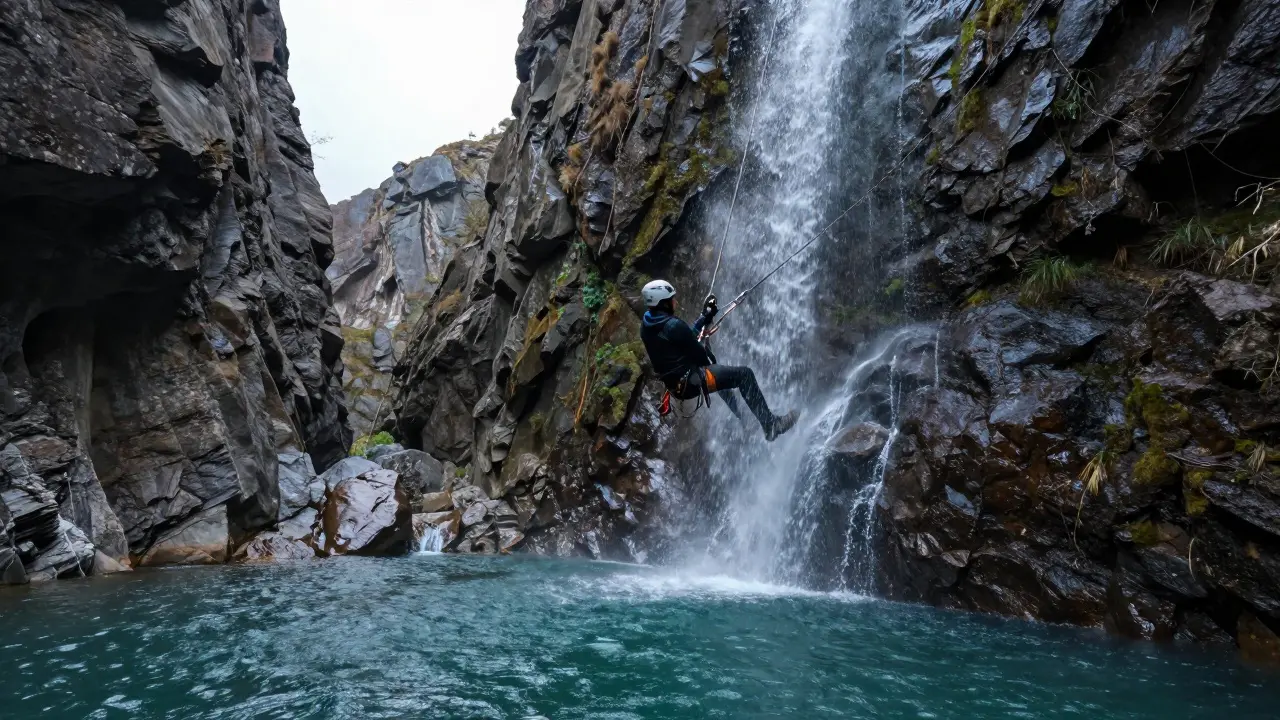
Canyoning, on the other hand, is more technical. It includes rappelling down waterfalls using ropes, navigating vertical drops, swimming through deep, fast-moving channels, and sometimes abseiling through narrow slots in the rock. Canyoning routes in the Highlands - like the infamous Nevis Gorge or Lochaber’s Upper Glen Nevis - often require certified equipment and advanced skills. These trips are physically demanding, involve longer exposure to cold water, and carry higher risks if something goes wrong.
If you’re new to this, start with gorge walking. It gives you the thrill without the ropes and technical gear. Save canyoning for when you’ve got experience - or a guide who knows exactly what they’re doing.
Why Safety Is Non-Negotiable
Scotland’s Highlands are beautiful, but they’re not forgiving. Water temperatures in these gorges rarely rise above 10°C (50°F), even in summer. Hypothermia can set in within 20 minutes if you’re not properly dressed. Flash floods are another silent danger. A storm 10 miles upstream can turn a calm pool into a raging torrent in under an hour. There are no warning signs. No sirens. Just rising water, and you’re trapped in a narrow canyon with no way out.
In 2023, a group of four tourists in Glencoe ignored a local guide’s warning about rain upstream. Two ended up in the hospital with hypothermia. The other two were rescued by a mountain rescue team after spending six hours clinging to a rock ledge. That’s not a rare story. The Scottish Mountain Rescue teams log over 80 incidents a year related to gorge and canyon activities - nearly half of them involving unguided groups.
Here’s what you absolutely need to avoid disaster:
- Wear a full wetsuit (minimum 5mm thickness), helmet, and proper canyoning boots with non-slip soles. No trainers. No flip-flops. No exceptions.
- Never go alone. Always go with a group - and preferably one led by a certified guide.
- Check the weather forecast for the entire catchment area, not just your starting point. Rain in Glen Coe affects water levels in Loch Linnhe.
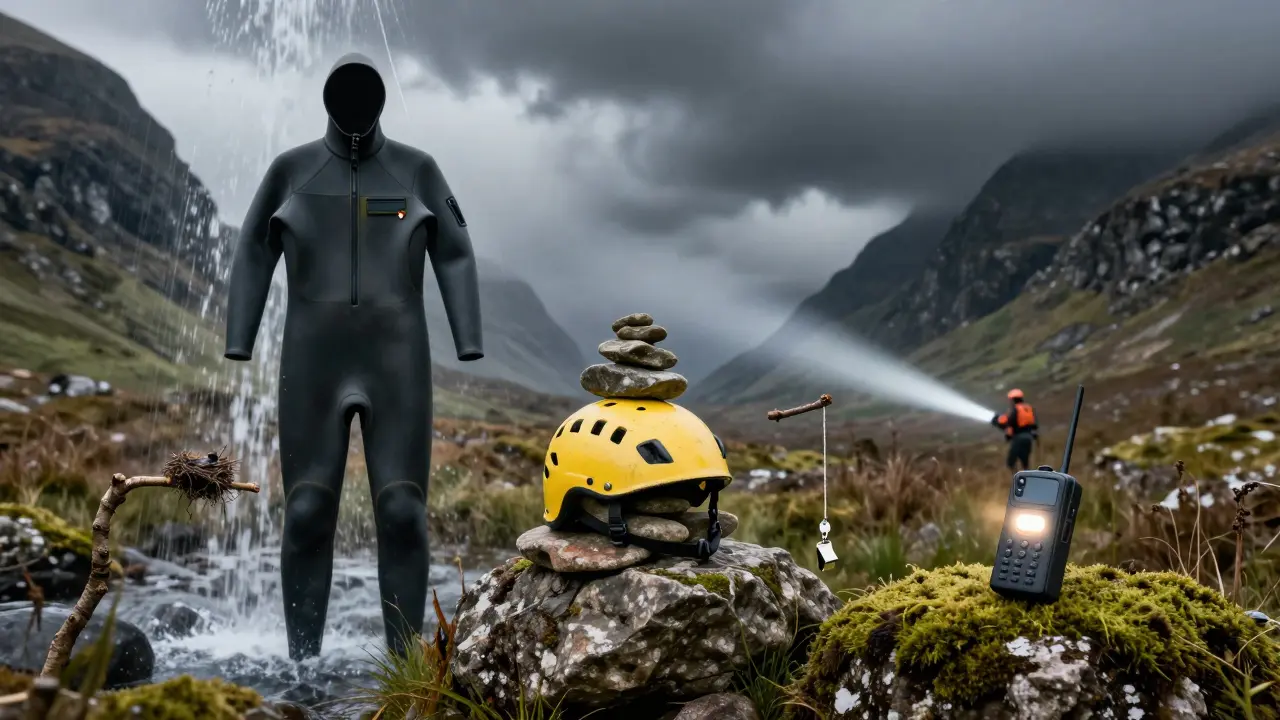
- Carry a waterproof phone case and a whistle. If you get separated, a whistle carries farther than shouting.
- Know your limits. If you’re not a strong swimmer, don’t attempt routes with deep pools or fast currents.
How to Choose a Reliable Provider
Not all adventure companies are created equal. Some are run by enthusiastic amateurs. Others are certified by the Mountain Training Association (MTA) or the British Canoeing organization. These certifications mean guides have passed rigorous safety and rescue training. They know how to read water flow, manage group dynamics in a canyon, and respond to medical emergencies.
Look for these red flags:
- They don’t ask about your experience or fitness level.
- They don’t provide equipment - you’re expected to bring your own wetsuit or boots.
- They don’t have a clear cancellation policy for bad weather.
- They don’t carry a first aid kit or emergency radio.
Here are three trusted providers operating in the Highlands as of 2026:
| Provider | Location | Experience Level | Certifications | Group Size Limit |
|---|---|---|---|---|
| Highland Adventure Co. | Fort William | Beginner to Advanced | MTA, British Canoeing | 8 |
| Nevis Canyoning | Upper Glen Nevis | Advanced Only | MTA, NGB | 6 |
| Glencoe Outdoor Centre | Glencoe Village | Beginner to Intermediate | British Canoeing, First Aid Certified | 10 |
Each of these companies offers a pre-trip safety briefing, includes all gear, and has a 24/7 emergency contact. They also cancel trips if weather conditions are unsafe - even if you’ve paid in advance. That’s the kind of professionalism you want.
What to Expect on Your First Trip
If you’re booking your first gorge walk, here’s what happens from the moment you arrive:
- You meet your guide at a designated base camp - usually a small cabin or van with dry storage.
- You’re fitted with a wetsuit, helmet, and boots. The guide checks that everything fits snugly - loose gear can trap you underwater.
- You get a 20-minute safety talk. This includes hand signals (like pointing up for ‘I’m okay’ and waving arms for ‘help’), what to do if you slip, and how to exit the gorge if needed.
- You hike to the start point, usually a 15-30 minute walk over rough terrain.
- Once in the gorge, you’ll spend 2-4 hours moving upstream. Expect to swim, jump, climb, and slide. The guide will go first, then help each person through tricky sections.
- You end at a meeting point where you dry off, get hot drinks, and often share stories over a snack.
Most trips cost between £65 and £120 per person, depending on the length and difficulty. That includes gear, transport, and guide fees. Don’t be tempted by cheaper options - the difference in safety standards can be life-or-death.
When to Go - Seasonal Tips
Spring (April-May) is the best time for beginners. Water levels are high from snowmelt, making jumps easier and the gorge more dramatic. But the water is coldest then - you’ll need a thick wetsuit.
Summer (June-August) is the most popular. Water is warmer, daylight lasts longer, and the scenery is lush. But this is also when the trails get crowded, and some providers stop taking new bookings weeks in advance.
Autumn (September-October) offers fewer crowds and beautiful colors. Water levels drop, making some routes easier to navigate. But the days are shorter, and weather turns unpredictable fast.
Winter (November-March) is not recommended for beginners. Ice forms on rocks, water is near freezing, and rescue times increase dramatically. Even experienced groups avoid it unless they’re fully equipped for ice canyoning.
What to Bring (Beyond the Gear)
Most providers give you the essentials. But here’s what you should pack yourself:
- A dry bag for your phone, wallet, and spare clothes - even if you think you won’t get wet.
- Quick-dry towel and change of clothes - including thermal layers for after the trip.
- Energy bars or nuts - you’ll burn 500-800 calories during a 3-hour session.
- Waterproof sunscreen - UV reflects off water and rock, even on cloudy days.
- A small bottle of antiseptic wipes - cuts and scrapes are common, and you won’t have access to a sink.
Leave your camera behind. Even waterproof ones can fail. If you want photos, hire a guide who offers a photo package - many do, and they know the best spots without risking your safety.
What Happens If You Get Hurt?
Accidents happen. A twisted ankle. A fall on a slippery rock. A sudden cramp. The best providers have a plan. They carry satellite communicators like Garmin inReach, so they can call for help even without phone signal. They know the nearest mountain rescue team’s response time. They carry trauma kits with heat wraps, splints, and emergency blankets.
If you’re going with an unlicensed group and something goes wrong, you’re on your own. Emergency services in the Highlands can take over an hour to reach you. That’s why certification matters - it’s not just about skill. It’s about having the tools and training to save lives.
Final Advice: Respect the Landscape
The Scottish Highlands aren’t a theme park. These gorges have been shaped over millennia by glaciers and rivers. You’re a guest in a fragile, powerful environment. Stay on marked paths. Don’t jump where you’re not told to. Don’t litter. Don’t disturb wildlife. And if a guide says no - believe them.
Gorge walking and canyoning are among the most rewarding outdoor experiences in Scotland. But they’re not for the careless. With the right preparation and the right provider, you’ll walk away with stories you’ll tell for years. Do it right, and you’ll come back again.
Is gorge walking safe for beginners?
Yes, gorge walking is generally safe for beginners - as long as you go with a certified guide. Most guided trips are designed for people with no prior experience. You’ll be given all the gear, taught basic safety moves, and never forced to do anything beyond your comfort level. Canyoning, however, is not recommended for beginners.
Do I need to be a strong swimmer?
You don’t need to be an Olympic swimmer, but you should be comfortable swimming in moving water. Most gorge walking routes include short swims of 5-15 meters. If you panic in water or can’t tread water for a minute, you should reconsider. Canyoning routes often require longer swims and strong current control - those are not for weak swimmers.
Can I do this in winter?
Winter gorge walking is possible in very limited cases - only with specialized guides who use drysuits and ice tools. Most commercial operators shut down between November and March. The risk of hypothermia and ice-related accidents is too high for casual participants. Stick to spring through autumn.
What’s the minimum age for these activities?
Most providers set a minimum age of 12 for gorge walking and 16 for canyoning. Children under 16 must be accompanied by an adult. Some operators allow younger kids on easy routes with parental consent, but this is rare. Always check with the provider - rules vary by location and risk level.
What if it rains on the day of my trip?
Rain is the #1 reason trips get canceled. Even light rain upstream can make gorges dangerous. Reputable providers will cancel and offer a full refund or reschedule. If a company says they’ll go ahead in heavy rain, walk away. Safety isn’t negotiable.
Do I need travel insurance?
Yes - specifically, travel insurance that covers adventure sports. Standard policies often exclude activities like canyoning or gorge walking. Make sure your policy includes ‘adventure tourism’ or ‘high-risk outdoor activities.’ Some providers offer add-on insurance - ask before you pay.
Next time you’re planning a trip to the Highlands, skip the crowded castles and tourist buses. Head for the gorges. But go smart. Go prepared. Go with the right people. That’s how you turn a thrilling day into a lifelong memory - not a cautionary tale.
Comments (14)
-
Tia Muzdalifah January 14, 2026
just did this last month in glencoe and holy crap it was insane. my first time and i was terrified of the jumps, but the guide was chill as hell and made it feel safe. totally worth the £90. bring a dry bag for your phone, i forgot and my camera died after 10 minutes. also, the hot tea at the end? chef’s kiss. 🫖

-
Tyler Durden January 15, 2026
the water temp in april was brutal-like, ice-bath-level brutal-but the adrenaline made me forget i was shivering. i’m not a swimmer, but the guide held my hand through every deep pool. if you’re nervous, go with a pro. don’t be like those idiots who showed up in running shoes last summer. one guy slipped, broke his ankle, and had to be helicoptered out. don’t be that guy. 🙏

-
Aafreen Khan January 16, 2026
lol u think this is dangerous? in india we do cliff jumping from 30ft into rivers with NO gear and no guides. you guys are so soft. also why pay 100 quid when you can just go solo? safety is just capitalism selling fear. 🤡

-
King Medoo January 17, 2026
I’ve read every word of this. Every. Single. Word. And I’m here to tell you: if you’re not wearing a 7mm neoprene suit with a full-face helmet and a GPS tracker on your wrist, you’re not just risking your life-you’re disrespecting the geology. The Highlands aren’t a theme park. They’re a cathedral of erosion. And you? You’re just a speck of dust with a GoPro. 🙄💧⛰️

-
Albert Navat January 18, 2026
as a certified canyoneer with 12 years in the Rockies, let me drop some truth bombs: MTA certification is decent, but it’s not NGB-tier. NGB requires 100 logged descents before you can even apply. If your guide doesn’t know how to read a hydraulic jump or set a Z-drag anchor, you’re one flash flood away from becoming a statistic. Also-no, your waterproof phone case won’t survive a 15ft drop into a 5m deep pool. Trust me. I’ve recovered three phones from glen nevis. 📱💀

-
Robert Byrne January 20, 2026
you people are ridiculous. i’ve done this barefoot in june and lived. you’re all so scared of a little cold water and a rock. if you can’t handle a 10-foot drop, go to disneyland. this isn’t babysitting. if you need a guide to hold your hand, stay home. the real adventurers don’t need a safety briefing-they need a challenge. 🤬

-
James Boggs January 22, 2026
Excellent summary. Well-researched and balanced. I particularly appreciated the emphasis on certified providers and the clear distinction between gorge walking and canyoning. Safety should never be negotiable in outdoor pursuits. Thank you for the thorough guide.

-
Zoe Hill January 23, 2026
i totally agree with james! this post is so helpful. i was gonna try it myself but i was scared, now i feel ready. also, the part about the whistle? genius. i always forget those. also, the tea at the end sounds like heaven. i’m booking for june. 🥹☕️

-
Pamela Watson January 24, 2026
why do you need a guide at all? i saw a tiktok where a girl did it with her dog and no gear. the dog jumped first. it was cute. also, i think the water is warm if you drink hot coffee before. just saying. ☕️🐶

-
David Smith January 25, 2026
Wow, another one of those ‘trust the guide’ sanctimonious rants. Real adventurers don’t need a certificate to tell them what’s safe. This whole post feels like a corporate brochure. I’ve been doing this since I was 14 and never had a wetsuit. The Highlands don’t care about your MTA sticker. You think you’re being safe? You’re just being boring.

-
Addison Smart January 27, 2026
I’ve been guiding in the Highlands for 15 years, and I can tell you-this post nails it. The biggest danger isn’t the water or the jumps. It’s the overconfidence. People think ‘I’m fit, I’m young, I’ve hiked a lot’-and then they ignore the weather upstream. I once had a group show up with flip-flops because they ‘didn’t want to ruin their shoes.’ They didn’t even know what a hydraulic was. If you’re going, go with someone who’s trained. Don’t be the reason someone else has to be rescued. This landscape doesn’t forgive arrogance. Respect it.

-
Rae Blackburn January 27, 2026
THEY KNOW. THEY ALL KNOW. The guides are paid by the government to scare you into paying more. That ‘emergency radio’? It’s just a phone with a fake signal. The real reason they cancel trips? They don’t want you to see how empty the gorges are. There’s no flood risk. It’s all a money scam. I went alone last year. No gear. No guide. Just me and the rocks. No one ever talks about that. Why? Because they don’t want you to know you don’t need them

-
LeVar Trotter January 29, 2026
Just wanted to say thank you to the OP for writing this. As someone who’s taught outdoor safety for over a decade, I’m thrilled to see such a clear, thoughtful breakdown. The distinction between gorge walking and canyoning? Spot on. The provider checklist? Perfect. And the emphasis on respecting the environment? That’s the real takeaway. This isn’t just about avoiding injury-it’s about preserving these spaces for future generations. If you go, leave no trace. Listen to your guide. And if you’re nervous? That’s okay. It means you’re paying attention. That’s half the battle.

-
Frank Piccolo January 31, 2026
Why are you even writing about this? Scotland’s gorges are just glorified puddles. I’ve done real canyoning in Utah-where the rock is ancient and the drops are 80 feet. This is just wet hiking for tourists who can’t handle a 10-minute hike without a safety briefing. You’re not adventurers. You’re Instagram influencers with wetsuits. And you’re ruining the place with your selfies and your overpriced gear.
