
Island Terrain Accessibility: Navigating Scotland’s Coastal and Remote Landscapes
When we talk about island terrain accessibility, the ease with which people can move across islands, especially those with uneven ground, steep paths, or limited infrastructure. Also known as accessible island travel, it’s not just about ramps and handrails—it’s about whether a grandmother with a walker, a parent with a stroller, or someone using a mobility scooter can actually reach the views, the beaches, and the history without turning back. Scotland’s islands aren’t just postcards. They’re living places with real challenges: moss-covered rocks near Fife’s coastal cliffs, narrow cobbled lanes in Anstruther, and unmarked steps leading to tidal viewpoints on the Isle of Skye. But accessibility isn’t all or nothing. Some spots have quietly become welcoming—like the paved loop at Tain Beach, or the flat boardwalks near the Royal Botanic Garden Edinburgh’s outlying trails, which connect to broader island access networks.
Island terrain accessibility doesn’t just depend on the land. It’s shaped by mobility scooters, electric devices designed for outdoor use on uneven surfaces, often used by visitors with limited stamina or balance, by garden accessibility, design principles that apply to public green spaces, including firm surfaces, resting spots, and clear signage, and by seasonal closures, when winter storms, flooding, or ice make paths unsafe or impassable. You can’t plan a trip to the Fife fishing villages without knowing if the harbour path is paved or if the steps to the pier are steep. You can’t enjoy a sunset at Calton Hill if the last stretch is gravel and no bench is in sight. These aren’t small details—they’re the difference between a memorable day and a frustrating one.
What you’ll find below are real stories from people who’ve made it happen. From quiet trails in the Borders that welcome wheelchairs, to how one family managed a castle visit with their dog and a mobility aid. You’ll learn where local councils have added handrails, where private landowners opened paths for public use, and which beaches have accessible parking with ramps straight to the sand. No fluff. No generic advice. Just what works, where, and who made it possible. This isn’t about overcoming barriers—it’s about knowing which ones are already gone.
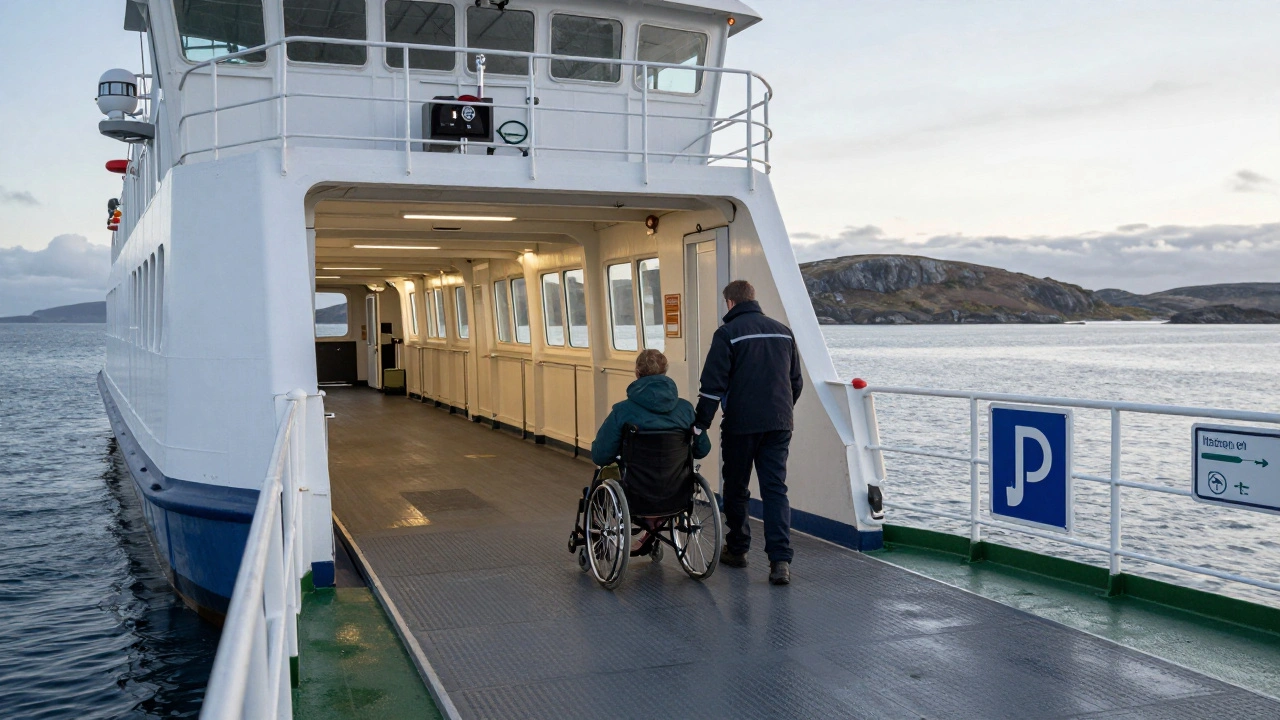
Accessible Stays on the Islands: Ferries, Rooms, and Terrain
Caleb Drummond Dec 6 13Discover how to plan an accessible island getaway in Scotland with reliable ferries, truly wheelchair-friendly rooms, and improved terrain paths. Learn what to ask for and where to go for a stress-free stay.
More Detail