
Edinburgh Castle isn’t just a skyline icon-it’s a vault of Scotland’s bloodiest, bravest, and most complex military past. Right inside its stone walls, the National War Museum tells the story of every soldier who fought for Scotland, from Highland clansmen with claymores to modern troops in body armor. This isn’t a collection of dusty uniforms and faded medals. It’s a raw, honest look at war’s human cost-and the courage that shaped a nation.
What You’ll See Inside the National War Museum
The museum doesn’t just display weapons-it shows how soldiers lived, thought, and died. Walk through rooms filled with personal letters from the trenches of World War I, uniforms stained with mud from the Burma campaign, and the actual rifle used by a Scottish soldier who survived the D-Day landings. One exhibit holds the last letter written by a young conscript before he was killed at Passchendaele. His name was James McLeod. His handwriting is shaky. The date is October 12, 1917.
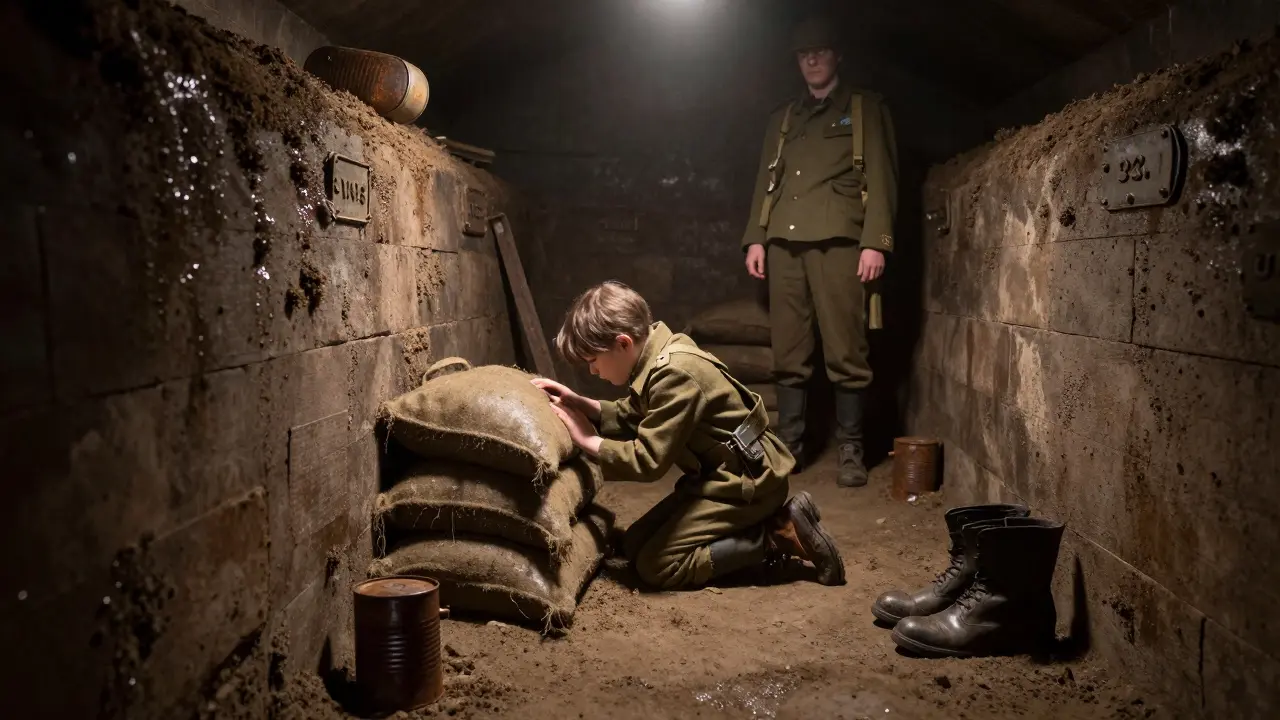
There’s a full-scale replica of a WWI trench, complete with the smell of damp earth and the sound of distant artillery. Kids kneel to touch the sandbags. Adults stare at the rusted tin cans and broken boots. No captions are needed. The weight is in the silence.
Modern conflicts get equal attention. A glass case holds a soldier’s helmet from Afghanistan, cracked by a roadside bomb. Beside it, a child’s drawing: “My dad came home with no legs but he still hugs me.” It’s not a museum trying to glorify war. It’s one trying to make you feel it.
From Medieval Sieges to Modern Peacekeeping
The museum’s timeline starts long before the British Empire. You’ll find 13th-century chainmail worn by Scottish knights who fought at Bannockburn. There’s a sword taken from a French officer after the Battle of Flodden in 1513-still stained with blood. Then come the Jacobite uprisings. The museum has the coat of a rebel officer captured after Culloden, its buttons torn off by government soldiers searching for hidden gold.
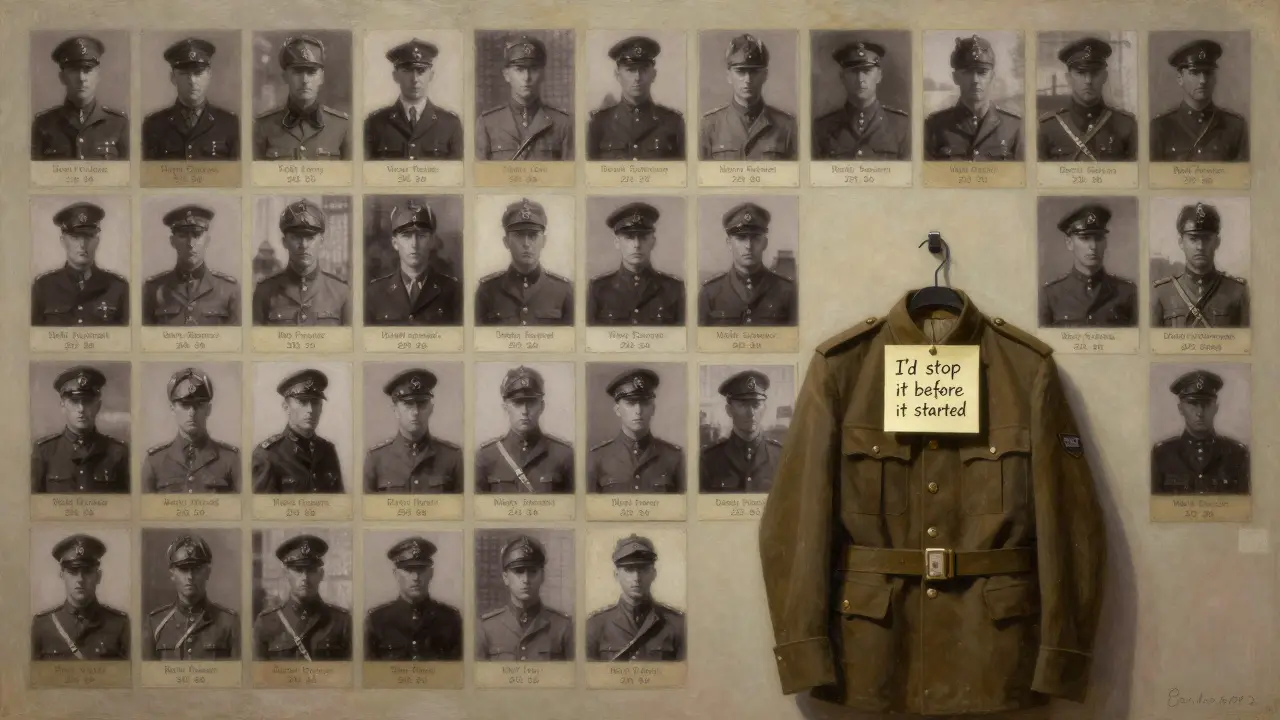
By the 1900s, Scotland’s role had changed. It wasn’t fighting for independence anymore-it was sending its sons to fight for the Empire. Over 1.5 million Scots served in World War I. One in five never came home. The museum doesn’t just list numbers. It shows you their faces. Hundreds of black-and-white photos line the walls, each with a name, regiment, and date of death. You’ll find men from Glasgow, Aberdeen, and tiny villages in the Highlands. Their stories aren’t in textbooks. They’re here.
Post-1945, the focus shifts to peacekeeping. A soldier’s diary from Cyprus in the 1960s describes walking through a ruined village, trying to stop a feud between Greek and Turkish families. A UN helmet from Bosnia still has bullet holes. These aren’t just relics. They’re proof that Scotland’s soldiers didn’t stop serving when the wars ended.
Why This Museum Stands Apart
Most military museums celebrate victories. This one honors survival. You won’t find a single statue of a general here. Instead, there’s a wall of voices-recordings of veterans telling their stories in their own accents. A woman from Inverness remembers how her father never talked about the war until he was dying. A soldier from Dundee describes the first time he saw a friend die and how he kept walking because he didn’t know what else to do.
There’s no glorification of weapons. No tanks on pedestals. The artillery pieces on display are labeled with how many civilians they killed, not how many enemy positions they destroyed. One 18-pounder gun from WWI has a plaque: “Fired 12,000 rounds. Killed 372 men. Wounded 1,100. Never hit a target.”
The museum’s designers made a choice: don’t let visitors walk away feeling proud. Make them feel responsible. That’s why every exhibit ends with a question: “What would you have done?” It’s not rhetorical. People write answers on sticky notes and leave them on a board. Some say, “I’d run.” Others say, “I’d help.” A few say, “I’d stop it before it started.”
The Castle Itself Is Part of the Story
The museum isn’t just inside the castle-it’s woven into it. You walk through the same gateways where soldiers marched out to battle. You stand on the ramparts where gunners fired cannons at Jacobite rebels. The Crown Jewels of Scotland are kept in the castle’s vaults, but the museum doesn’t treat them as royal treasures. They’re shown as symbols of power-and the cost of holding onto it.
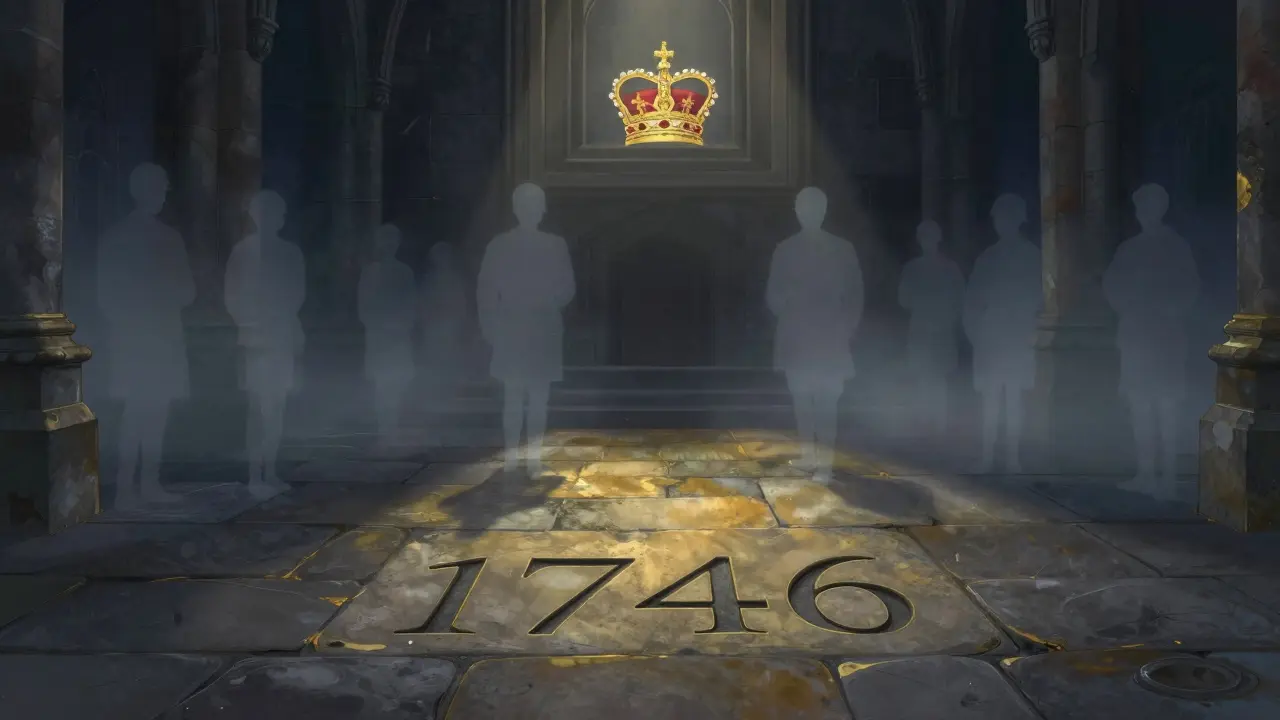
One of the most haunting spots is the Chapel Royal, where soldiers were buried in unmarked graves during the 1700s. A simple stone now marks the spot. No names. Just a date: 1746. The museum doesn’t explain who they were. It lets you wonder.
Who Should Visit
If you’re here for flashy tech displays or interactive VR battles, you’ll be disappointed. This isn’t a theme park. It’s a place for quiet reflection. Families with teens will find it powerful. History buffs will spend hours. Veterans often come alone, sit on a bench, and just stare at a photo.
Teachers bring classes-not to memorize dates, but to talk about duty, loss, and choice. One teacher from Falkirk said her students left crying. They didn’t know war could feel this real.
Practical Info
The National War Museum is open daily from 9:30 AM to 5:00 PM. Entry is free, but donations help maintain the exhibits. Audio guides are available in English, Scots, Gaelic, and French. The museum is fully accessible. There’s a quiet room for visitors overwhelmed by noise or crowds.
Plan for at least two hours. If you’re short on time, don’t miss the WWI trench, the Afghanistan helmet, or the wall of voices. And if you’re visiting the castle’s other attractions-the Crown Jewels, the Stone of Destiny-save the museum for last. It changes how you see everything else.
What Happens After You Leave
You won’t forget this place. Not because of the guns or the medals. But because of the quiet. The silence between the stories. The weight of names you’ll never know. The museum doesn’t ask you to remember the battles. It asks you to remember the people.
Is the National War Museum inside Edinburgh Castle?
Yes. The museum occupies the castle’s former barracks and artillery buildings. You enter through the main castle gate, then follow signs to the museum wing. It’s included with your castle admission, but you don’t need to tour the entire castle to visit the museum.
Is there a fee to enter the National War Museum?
No. Entry to the National War Museum is free. However, you must pay to enter Edinburgh Castle, which includes access to the museum. Castle tickets start at £20 for adults and include audio guides and entry to all major sites inside the castle walls.
How long should I spend at the museum?
Most visitors spend between 1.5 to 3 hours. If you read every label, listen to all the audio clips, and sit with the exhibits, you could easily spend half a day. For a quick visit, focus on the WWI trench, the modern conflict display, and the wall of voices-that’s the emotional core of the museum.
Is the museum suitable for children?
Yes, but with context. The museum doesn’t hide the violence of war, but it doesn’t glorify it either. There are no graphic images of dead soldiers. However, the stories are emotionally heavy. Families with children under 10 should prepare them beforehand. The museum offers free activity packs for kids with simple questions and drawing spaces to help process what they see.
Are there any special events or temporary exhibits?
Yes. Each year, the museum hosts temporary exhibits tied to anniversaries-like the 100th anniversary of the Armistice or the 20th anniversary of the Afghanistan conflict. These often include new artifacts donated by families of veterans. Check the National War Museum website before your visit to see what’s currently on display.
Comments (13)
-
ANAND BHUSHAN December 31, 2025
This place hits different. I went last year and just sat in the trench replica for twenty minutes. Didn't move. Didn't cry. Just listened to the silence.

-
Nalini Venugopal January 1, 2026
I brought my niece here-she’s nine. She drew a picture of a soldier hugging a dog and wrote ‘He didn’t come home but I think he’s proud.’ We left it on the sticky note wall. I still think about it.

-
Agni Saucedo Medel January 1, 2026
That child’s drawing about the dad with no legs… 😭 I lost my uncle in Afghanistan. This museum didn’t just show me history-it showed me my family.

-
Rahul Borole January 1, 2026
It is imperative to underscore the pedagogical significance of this institution. Unlike conventional military museums that propagate heroism through material glorification, this space cultivates moral introspection through the meticulous curation of human artifacts. The absence of general statues and the presence of civilian casualty statistics constitute a radical epistemological shift in memorial architecture.

-
Sheetal Srivastava January 1, 2026
Oh, how utterly *profound*-a museum that makes you *feel*? How avant-garde. I mean, I’ve seen the same affective curation in curated grief installations at MoMA, but here, it’s just… *dirt* and *letters*. How quaint. The colonial guilt is practically dripping from the sandbags.

-
Bhavishya Kumar January 2, 2026
The exhibit describes the rifle used by a soldier who survived D-Day yet the text says ‘his name was James McLeod’-that’s inconsistent capitalization. Also, ‘18-pounder gun’ should be hyphenated when used as an adjective. And ‘never hit a target’-comma splice. These details matter. History deserves precision.

-
ujjwal fouzdar January 3, 2026
War isn’t about flags or medals. It’s about the quiet between heartbeats. The moment you realize your best friend’s laugh will never echo again. That trench? That’s not history. That’s a tomb that breathes. And that sticky note wall? That’s the soul of Scotland whispering: ‘We were never the heroes. We were the ones left holding the pieces.’

-
Madhuri Pujari January 4, 2026
Oh please. ‘Make you feel responsible’? So now we’re all guilt-tripped into mourning someone else’s war? Did they forget that most of these soldiers were conscripts? Or that the Crown Jewels are literally looted from other nations? This isn’t reflection-it’s performative sorrow wrapped in £20 admission tickets.

-
Sandeepan Gupta January 5, 2026
You’re not wrong about the punctuation, Bhavishya. But the emotional weight of the exhibit outweighs the grammatical slip. The letter from James McLeod? That’s the real artifact. The grammar is just noise. Focus on what matters: the humanity.

-
Tarun nahata January 6, 2026
Man. I came here thinking I’d see old guns. Left with my chest cracked open. That wall of voices? I replayed the Dundee soldier’s story five times on my way home. War doesn’t end when the ceasefire is signed. It lives in the way people breathe after.

-
Aryan Jain January 7, 2026
They say it’s about the soldiers but what if it’s a cover? What if the castle is a front for something deeper? The unmarked graves in 1746-why no names? What if they were silenced for knowing too much? The Crown Jewels? Stolen. The museum? A distraction. The real war is still being fought-in the shadows.

-
Pramod Usdadiya January 7, 2026
i visited this last summer and it changed me. the way the light falls on the trench at 4pm… its like the past is still breathing. i dont speak english perfect but i feel this place. thank you for keeping their stories alive.

-
Aditya Singh Bisht January 9, 2026
Some people think museums are about facts. But this one? It’s about the echo. The silence after the last voice fades. The way your hands shake when you read a letter written hours before someone died. That’s not history. That’s memory with a heartbeat. Go. Sit. Listen. Let it find you.
