
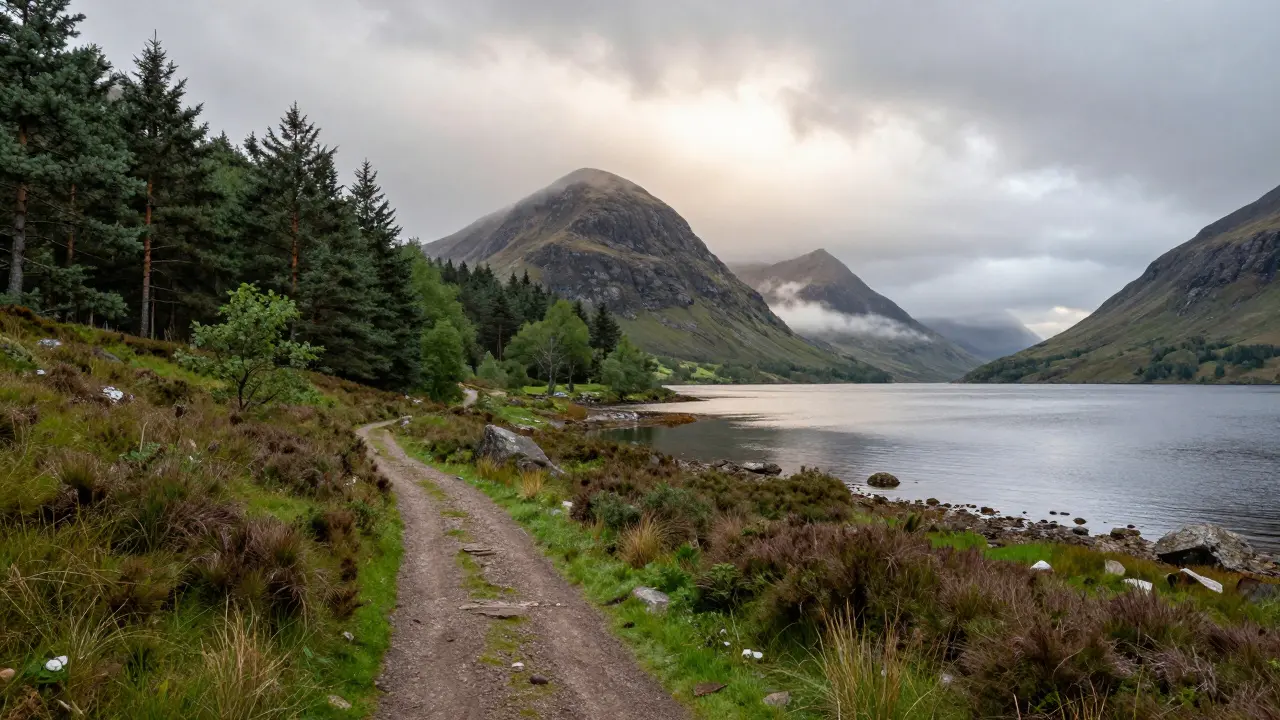
Most people visit Glencoe, known as the Glen of Weeping, for the iconic view from the A82 road. They snap a photo of the Three Sisters peaks and drive on. But if you want to escape the crowds and see why this place is called one of the most beautiful valleys in Scotland, you need to leave the main road behind. There is a lesser-known path that leads to a secluded section often referred to locally as the "hidden valley" area near the southern end of the glen, offering intimate views of Loch Leven without the tour buses.
This isn't about finding a magical portal; it's about knowing where the footpaths diverge from the tourist traps. I’ve walked these hills many times over the years, watching the weather turn and the light shift across the granite. This guide will show you how to find that quieter side of Glencoe, what gear you actually need (hint: it’s not just your city sneakers), and how to respect the land so it stays wild for everyone.
Finding the Hidden Path: Step-by-Step Directions
The "hidden valley" experience usually refers to the stretch along the western shore of Loch Leven, specifically the area around Invercoe and the path leading towards Cairn Gorm. While the eastern side has the famous visitor center and car parks, the western side feels worlds apart because access is harder.
- Start at the Bridge of Orchy: Instead of driving straight into Glencoe village, park at the Bridge of Orchy station or the nearby layby. This saves you from fighting for parking in the glen itself during peak season.
- Take the West Highland Way: Head north on the West Highland Way. This long-distance trail runs right alongside the loch. The first few miles are flat and easy, perfect for warming up.
- Continue to Invercoe: Walk past the Loch Leven dam. The scenery here opens up dramatically. You’ll see the water lapping against ancient rock faces with fewer people than the main tourist hubs.
- Branch Off for the View: Near Invercoe, look for smaller paths heading inland towards the foothills of Bidean nam Bian. These aren’t always well-signposted but offer the best vantage points over the loch without the crowds.
If you prefer driving, there is a small parking area near Achnacloich on the western side. It’s rougher terrain, so high clearance helps, but it drops you right into the quiet zone. From here, you can walk along the shoreline or climb slightly for panoramic shots of the Three Sisters from a unique angle.
Why This Route Beats the Main Tourist Track
The main attraction in Glencoe is the drama. The geology here is stunning-folded rock layers tell a story of tectonic collisions millions of years ago. But when you’re standing in a queue of fifty people waiting for a selfie spot, the drama gets lost in the noise. By taking the western route, you gain three things: silence, space, and perspective.
On the west side, you’re walking through landscapes that feel untouched. The vegetation changes from dense pine forests to open heather moorlands. You might spot red deer grazing quietly or golden eagles circling overhead. It’s a chance to connect with the raw nature of the Scottish Highlands rather than just observing it like a museum exhibit.
| Feature | Main Road (A82) | Western Shore (Hidden) |
|---|---|---|
| Crowd Level | Very High (Peak Season) | Low to Moderate |
| Parking | Limited, fills by 10 AM | Easier, small laybys available |
| Terrain | Paved roads, easy walks | Muddy trails, uneven ground |
| Views | Classic postcard shots | Intimate, reflective loch views |
| Amenities | Cafes, shops, toilets | None (carry out trash) |
Essential Gear and Preparation
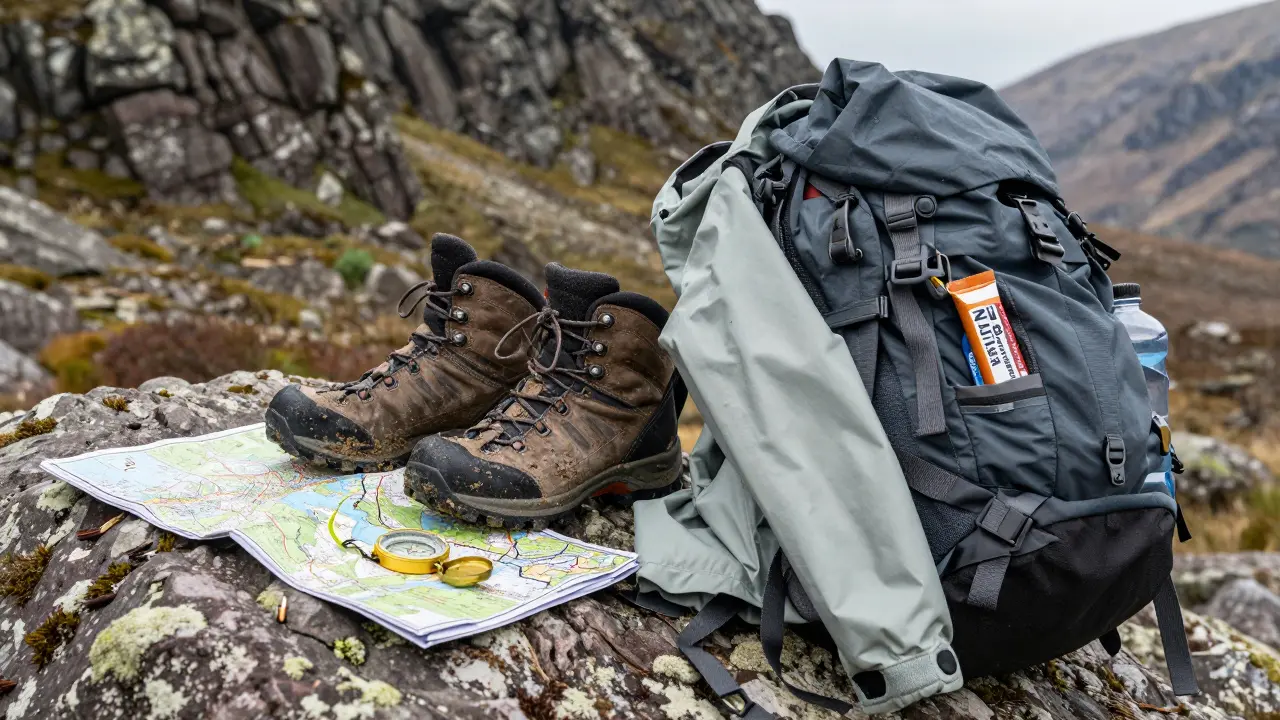
Let’s be clear: Scotland does not care about your fashion sense. Rain can fall sideways even in June. Wind can knock you off balance. If you plan to explore the hidden paths, you need to dress for survival, not style.
- Footwear: Leave the canvas shoes at home. You need waterproof hiking boots with good ankle support. The trails near Loch Leven can be slippery with moss and mud.
- Layers: Temperature swings are real. Start with a moisture-wicking base layer, add a fleece for warmth, and top it with a waterproof, windproof shell. A lightweight rain jacket is non-negotiable.
- Navigational Tools: Phone signals drop frequently in the glens. Download offline maps using apps like OS Maps or AllTrails. A physical map and compass are wise backups.
- Sustenance: There are no cafes on the western shore. Pack enough water and high-energy snacks. Energy bars, nuts, and sandwiches work well.
Don’t forget a small first-aid kit. Blisters and minor scrapes happen. Having plasters and antiseptic wipes can save your day.
Respecting the Land: Leave No Trace
Glencoe is fragile. The soil is thin, and the plants grow slowly due to the harsh climate. When you step off the beaten path, you become responsible for preserving it. The principle of Leave No Trace isn’t just a slogan; it’s a duty.
Stick to existing paths wherever possible. Cutting corners erodes the bank and damages plant life. Take all your trash with you, including fruit peels and cigarette butts. Wildlife is sensitive to human presence. Keep your distance from deer and birds. Do not feed them-it disrupts their natural diet and behavior.
Also, be mindful of drone use. Many areas in Glencoe have restrictions on drones to protect wildlife and privacy. Check local regulations before flying. The goal is to enjoy the solitude, not disturb it.
Best Times to Visit for Solitude
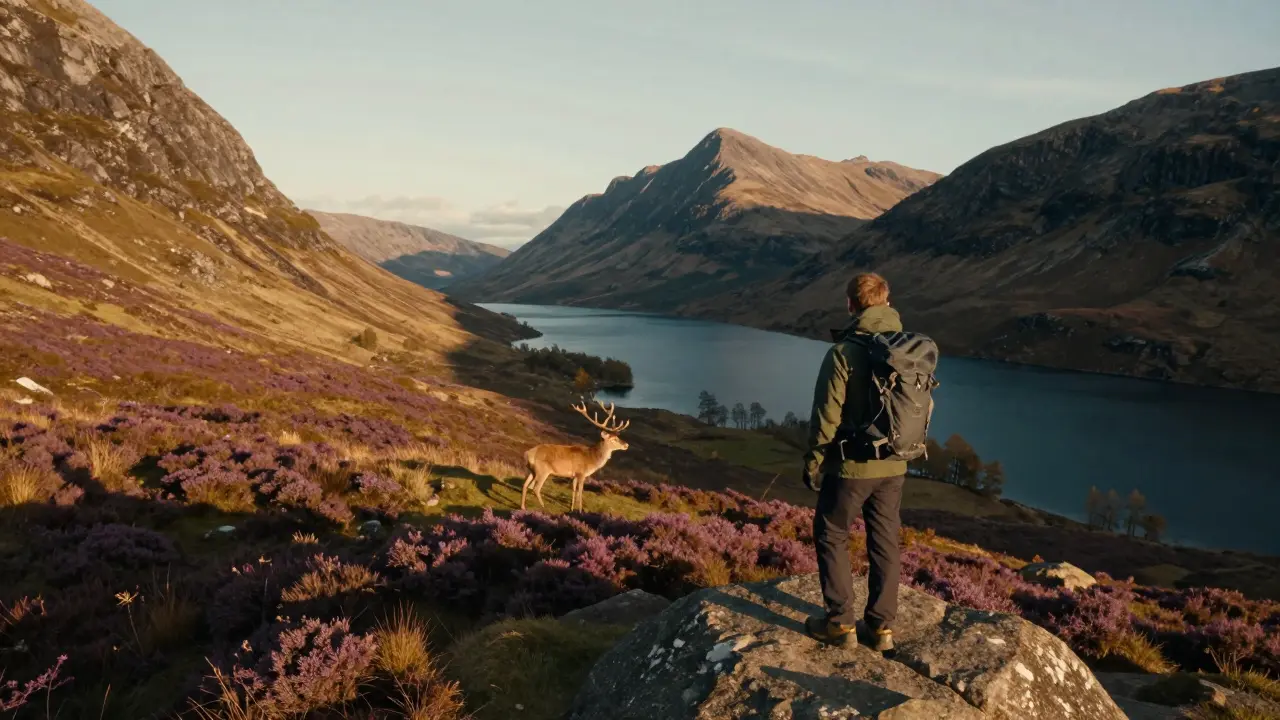
Timing is everything. If you want the "hidden" experience, avoid midday between 11 AM and 3 PM during summer months (June-August). This is when tour groups arrive. Instead, start your hike early in the morning, around 7 or 8 AM. The light is soft, the mist hangs low over the loch, and the air is crisp. Alternatively, late afternoon offers golden hour lighting and fewer visitors as they head back to their cars.
Shoulder seasons-April-May and September-October-are ideal. The crowds thin out significantly. The heather blooms in August, painting the hills purple, but this also attracts more photographers. Winter brings snow and ice, which adds beauty but requires advanced navigation skills and crampons. For most hikers, spring and autumn provide the best balance of accessibility and tranquility.
Safety Considerations in Remote Areas
Because you’re venturing away from the main road, safety becomes your priority. Weather in the Highlands can change rapidly. One minute it’s sunny, the next it’s foggy and cold. Always check the forecast from Met Office or Mountain Forecast before you go. Look for specific warnings about wind speed and visibility.
Tell someone your plans. Let a friend or family member know where you’re going and when you expect to return. If you don’t check in, they’ll know to alert authorities. Carry a fully charged phone, but assume it won’t work. A power bank is a smart addition.
Know your limits. If the path looks too steep or the weather turns bad, turn back. There’s no shame in aborting a hike. The mountains will be there tomorrow. Getting lost or injured in remote terrain is dangerous and puts rescue teams at risk.
Is the hidden valley trail difficult?
The difficulty depends on how far you go. The initial walk along the West Highland Way is easy and suitable for beginners. However, branching off into the hills towards Cairn Gorm involves steep ascents and uneven terrain, making it moderate to challenging. Proper footwear and fitness are essential.
Can I drive directly to the hidden valley?
You can drive to the western side of Loch Leven via A85, but there are no paved roads into the deep glen. Parking is limited to small laybys or gravel areas. Be prepared to walk several miles from your car to reach the best viewpoints.
Are there facilities on the western side?
No. The western shore lacks cafes, toilets, or shops. You must bring all necessary supplies and carry out all waste. Plan accordingly to ensure comfort and environmental responsibility.
What wildlife might I see?
Common sightings include red deer, ptarmigan, golden eagles, and various bird species like ospreys. Keep a respectful distance and do not attempt to feed or approach them. Binoculars enhance the experience without disturbing animals.
Is it safe to hike alone?
Hiking alone is possible but risky in remote areas. Ensure you have reliable navigation tools, inform others of your itinerary, and stay on marked paths. If you're inexperienced, consider joining a group or hiring a local guide for safety.