
Two stadiums. One city. A rivalry that runs deeper than the River Clyde. If you’ve ever wondered what it’s like to walk through the tunnels of Celtic Park or stand on the touchline at Ibrox, you’re not just visiting a sports venue-you’re stepping into the heart of Glasgow’s soul. These aren’t just football grounds. They’re cathedrals of passion, where generations of families have screamed, cried, and celebrated together. And yes, you can tour them. Both offer guided experiences that go far beyond the pitch, giving you access to places most fans only dream of seeing.
What You’ll See on a Celtic Park Tour
Celtic Park, also known as Paradise, isn’t just the home of Celtic FC-it’s a living museum of Scottish football history. The tour starts in the main reception area, where you’ll see the club’s six European Cup trophies displayed under glass. You won’t find this many European titles anywhere else in Britain. The guide will point out the exact spot where Henrik Larsson scored his 400th goal, and you’ll hear stories about the 1967 Lisbon Lions-the only British team to win the European Cup with an all-local squad.
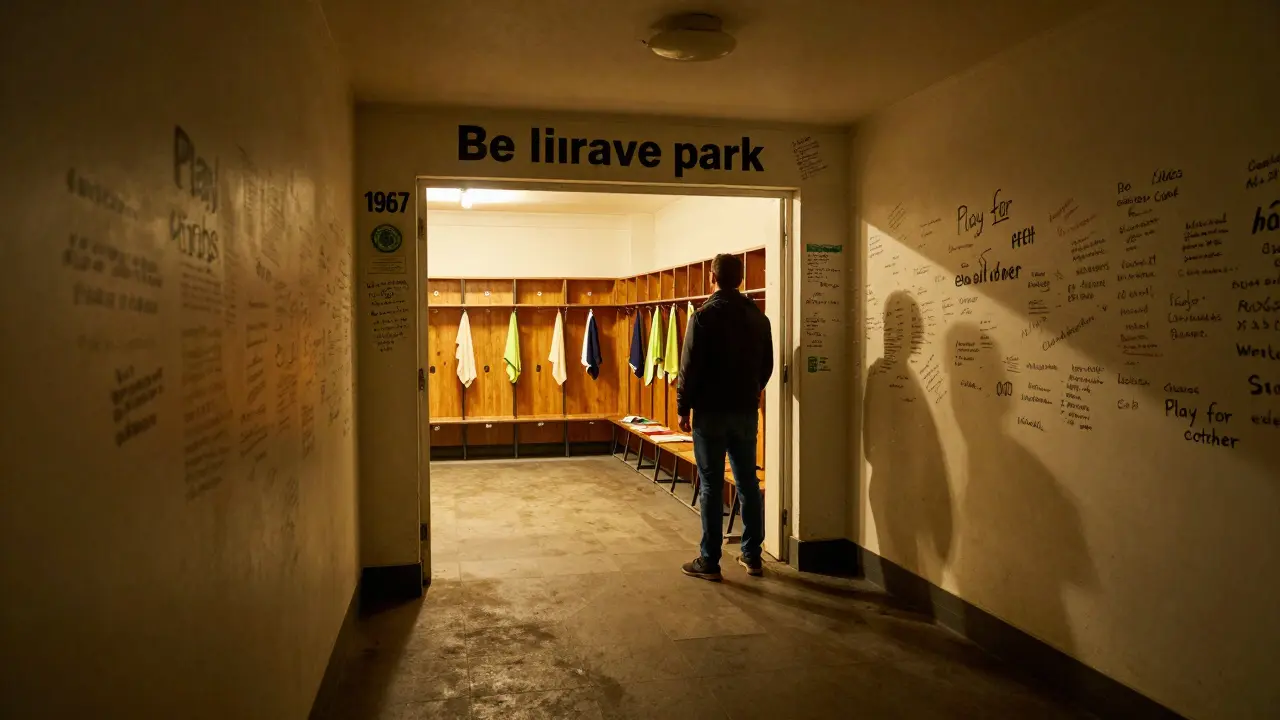
As you walk down the tunnel, you’ll pass the locker room where players get ready before matches. The walls are covered in handwritten messages from past captains: "Be brave," "Play for each other," "Remember who you are." These aren’t just slogans-they’re traditions. The tour includes the press room, where managers give post-match interviews, and the dugout, where managers pace and shout during games. You’ll even get to sit in the manager’s seat, if you’re brave enough.
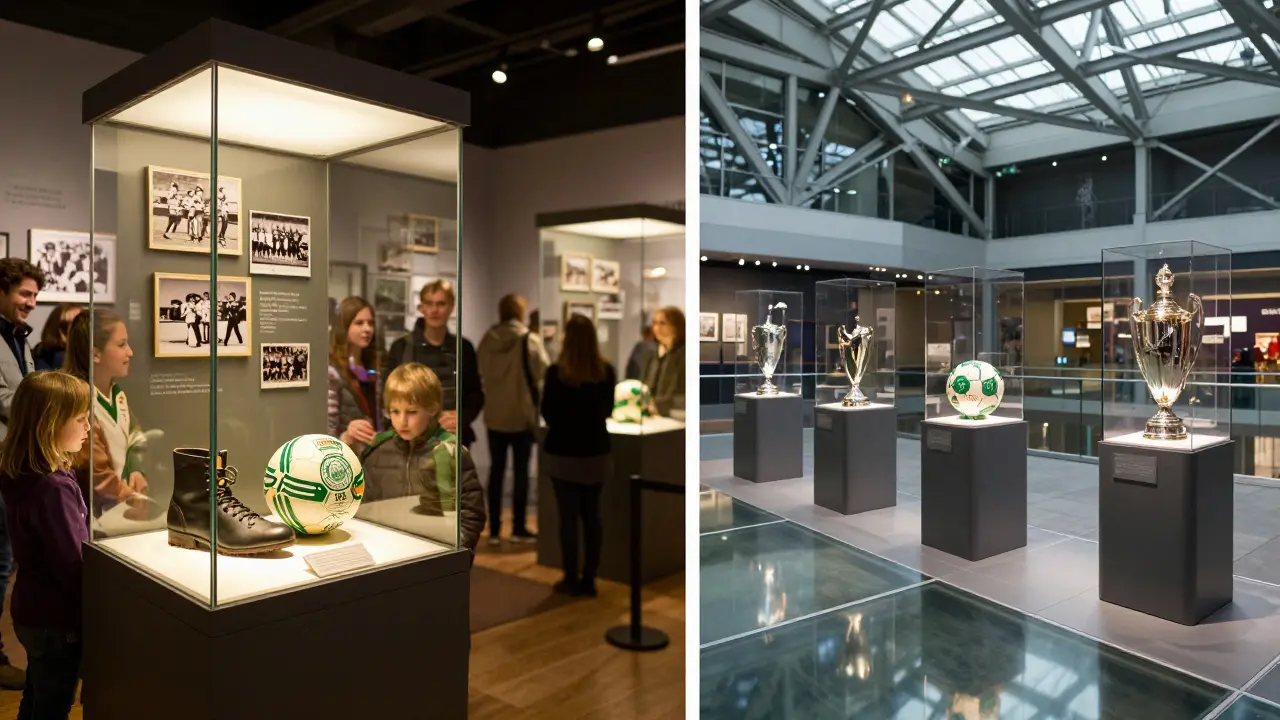
The upper tier of the stadium has a panoramic view of the entire ground. On match days, 60,000 people fill every seat. The noise, they say, can be heard three miles away. On a quiet day, you can still feel the energy. The tour ends at the Celtic Museum, where you’ll see Jimmy Johnstone’s boots, the original 1967 match ball, and the jersey worn by Tony Cascarino during his record-breaking 1995-96 season. There’s also a full-size replica of the Lisbon Lions’ dressing room, complete with period-appropriate towels and wooden lockers.
Inside Ibrox Stadium: The Rangers Experience
If Celtic Park is about heritage and pride, Ibrox is about intensity and resilience. Rangers FC’s home ground has stood since 1899, rebuilt after a tragic stand collapse in 1971 that claimed 66 lives. The current structure, opened in 1981, holds 50,817 fans and is one of the most modern stadiums in Scotland. But it still carries the weight of history.
The Ibrox tour begins at the Rangers Heritage Centre, where you’ll find the club’s 55 Scottish league titles-the most in the country. The display includes the 1972 Cup Winners’ Cup trophy, the only European trophy Rangers have ever won. You’ll see the actual match ball from the 1972 final in Barcelona, still in its original box. The center also features memorabilia from legendary players like Ally McCoist, who scored 355 goals for the club, and Walter Smith, who managed the team through two decades of dominance.
Walking through the players’ tunnel, you’ll see the names of every Rangers captain since 1947 engraved into the wall. The dressing room is kept exactly as it was during the 2008-09 title-winning season, with the same lockers, towels, and even the same water bottles. The guide will show you where players sit before kickoff-the same seats where Steven Gerrard once sat before his final match as captain.
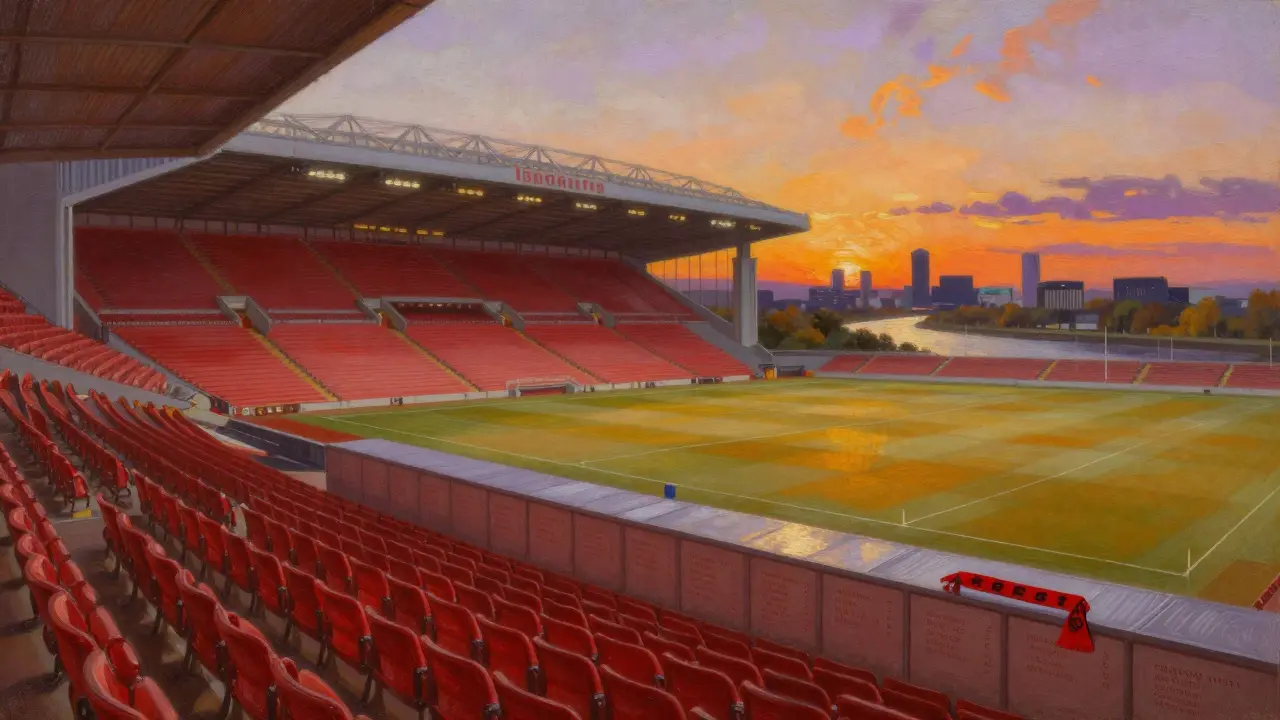
The stadium’s upper levels offer a breathtaking view of the River Clyde and the Glasgow skyline. The Ibrox tour includes the executive boxes, where corporate sponsors watch the game, and the media center, where broadcasters call the action. There’s also a small but powerful exhibit on the 1971 disaster. It’s not just a memorial-it’s a reminder of why safety matters. The tour ends at the Rangers Shop, where you can buy official merchandise, including replica kits from every decade since the 1950s.
How the Tours Compare
Both tours last about 90 minutes and cost the same: £18 for adults, £12 for juniors and seniors. Both offer audio guides in Spanish, French, German, and Japanese. But the experience is different.
Celtic Park feels more like a cultural pilgrimage. The museum is larger, the history is older, and the emotional connection to community is stronger. The tour includes more personal stories-from fans who’ve supported the club since the 1930s to players who grew up just down the road.
Ibrox is sharper, more polished. The museum is smaller but more focused on trophies and records. The architecture is more modern, and the presentation feels more corporate. But the passion is just as real. Rangers fans take pride in their club’s resilience, especially after the financial collapse of 2012 and the climb back to the top tier.
Here’s a quick comparison:
| Feature | Celtic Park | Ibrox Stadium |
|---|---|---|
| Capacity | 60,411 | 50,817 |
| Opened | 1892 | 1899 (current structure 1981) |
| European Trophies | 1 (1967) | 1 (1972) |
| Scottish League Titles | 54 | 55 |
| Most Famous Player | Henrik Larsson | Ally McCoist |
| Tour Duration | 90 minutes | 90 minutes |
| Audio Guide Languages | English, Spanish, French, German, Japanese | English, Spanish, French, German, Japanese |
| Best For | History buffs, cultural travelers | Trophy hunters, modern football fans |
When to Visit
You can tour both stadiums year-round, but timing matters. The best months are April to October, when the weather is mild and the grounds are at their cleanest. Avoid match days-tours are canceled, and parking is impossible. Tours run daily at 10:00, 12:00, and 14:00. Book online in advance, especially in summer. You can save £2 by booking through the club’s official website.
If you want the full experience, plan your visit around a midweek game. The atmosphere on a Tuesday night in February is electric. The stands are packed, the chants are loud, and the rivalry is alive. Even if you’re not a fan of either team, watching a Glasgow derby is unforgettable. The noise, the colors, the tension-it’s like nothing else in football.
What to Bring and How to Get There
Both stadiums are easy to reach by public transport. Celtic Park is a 15-minute walk from Parkhead Station on the Glasgow Subway. Ibrox is a 10-minute walk from Ibrox Station. Both are served by multiple bus routes. If you’re driving, use the official parking apps-on match days, street parking is forbidden within a mile of either ground.
Wear comfortable shoes. The tours involve walking on stairs, uneven surfaces, and steep ramps. Bring a light jacket-even in summer, the inside of the stadium can be chilly. No food or drinks are allowed on the tour, but both clubs have cafes and pubs right outside the gates. You’ll want to grab a pint after. The pub across from Ibrox, The Rovers Return, has been there since 1967. The one next to Celtic Park, The Celtic Bar, has a wall covered in signed photos from players past and present.
Why This Matters Beyond Football
These tours aren’t just for fans. They’re for anyone who wants to understand what makes Glasgow unique. The city doesn’t have the museums of Edinburgh or the grandeur of London. But it has this: two stadiums that hold the stories of working-class families, immigrant communities, and generations of pride. Celtic Park represents the Irish-Scottish identity that shaped the east end. Ibrox reflects the Protestant, unionist roots of the south side. Both clubs have survived wars, recessions, and scandals. And they still stand.
Visiting these places isn’t about picking a side. It’s about seeing how sport can bind a city together-even when it divides it. You’ll leave with a deeper respect for the game, the fans, and the city that makes it all possible.
Can I visit both Celtic Park and Ibrox in one day?
Yes, but it’s tight. Tours take 90 minutes each, and the two stadiums are about 4 miles apart. If you take the 10:00 tour at Celtic Park, you can catch the 14:00 tour at Ibrox. You’ll need to allow 45 minutes for travel-either by taxi (about £12) or by bus (number 18 or 20). Wear good walking shoes and bring a snack. Don’t try to do it on a match day.
Are these tours suitable for children?
Absolutely. Both tours are family-friendly and include interactive displays, photo opportunities, and kid-friendly stories. Children under 16 get discounted tickets. Many families bring their kids to learn about local history in a way that’s engaging and memorable. The Celtic Museum has a dedicated children’s area with football-themed puzzles and coloring stations.
Do I need to be a fan of either team to enjoy the tour?
Not at all. Many visitors have no allegiance to either club. The tours focus on history, architecture, and culture-not team loyalty. Guides are trained to be neutral and informative. You’ll learn about the players, the fans, and the city, regardless of your personal feelings. Some of the most memorable reviews come from tourists who came with no interest in football and left with a newfound respect for the game.
Is there a dress code for the tours?
No dress code. You’ll see people in suits, hoodies, and even football jerseys. Just wear something comfortable. Avoid wearing opposing team colors if you’re visiting on a match day-you might get teased, though it’s usually good-natured. The clubs welcome all visitors, no matter what you’re wearing.
Can I buy tickets on the day?
Yes, but it’s risky. Tours often sell out, especially on weekends and during holidays. Booking online in advance guarantees your spot and saves you £2. You can buy tickets at the stadium ticket office, but if the tour is full, you’ll have to wait for the next day. Online booking is quick, secure, and available in multiple currencies.
Are the tours wheelchair accessible?
Yes, both stadiums are fully wheelchair accessible. Elevators and ramps are available throughout the tour routes. Both clubs offer free companion tickets for carers. If you have mobility needs, call ahead to arrange a tailored tour. Staff are trained to assist visitors with disabilities and will adjust the route if needed.
What to Do Next
If you’ve done the tours and want to go deeper, take a walk along the River Clyde from Ibrox to Celtic Park. It’s a 2-mile path that takes you past old warehouses, street art, and local cafes. Stop at the Glasgow Science Centre for a view of the skyline. Then head to the People’s Palace in the East End to see how the city’s working-class roots shaped both clubs.
Or, if you’re feeling adventurous, book a night tour of the city’s football pubs. Some offer live music, trivia nights, and even guest appearances by retired players. It’s the best way to hear the real stories behind the trophies.
Football in Glasgow isn’t just a game. It’s the heartbeat of the city. And these two stadiums? They’re its pulse.
Comments (14)
-
Daniel Kennedy December 18, 2025
Man, I visited Celtic Park last summer and honestly? It felt like stepping into a cathedral. The Lisbon Lions exhibit gave me chills. I’m not even a football fan, but the pride in that place is palpable. Ibrox was different-more polished, like a corporate museum with soul. Both are essential. Glasgow doesn’t need the Eiffel Tower. It’s got these two stadiums.

-
Taylor Hayes December 19, 2025
I’ve been to both on the same day-did the 10am and 2pm tours. It’s exhausting but worth it. The walk between them along the Clyde is underrated. Grab a chip butty from the stall near the subway. And don’t wear red or blue unless you want someone to gently rib you. Everyone’s just excited to be there.

-
Sanjay Mittal December 19, 2025
As someone from India, I was surprised how emotional these tours made me. We don’t have this kind of football culture back home-clubs aren’t tied to identity like this. The 1971 memorial at Ibrox hit hard. Football here isn’t just sport. It’s memory. It’s survival.

-
Mike Zhong December 21, 2025
Let’s be real-these tours are glorified fan worship with audio guides. Celtic’s 54 titles? Big deal. Rangers have 55. Who cares? The real story is how capitalism turned sacred ground into a £18 ticket experience. These aren’t cathedrals. They’re theme parks for nostalgia. The only thing more manufactured than the memorabilia is the ‘authenticity’ they sell you.

-
Jamie Roman December 21, 2025
I took my 10-year-old nephew on the Celtic tour and he was obsessed with the replica dressing room. He kept asking why the lockers had names on them. I told him it’s because every player who walked in there carried the weight of everyone who came before them. He didn’t get it then. But when he saw the 1967 match ball, he just stood there silent. That’s the magic. You don’t need to know the rules to feel the history.

-
Salomi Cummingham December 22, 2025
I cried in the Celtic Museum. Not because I’m a fan. Not because I’m sentimental. But because I saw a photo of a woman in the 1940s holding her son, both wearing the same green and white scarf. She died in 1982. He’s now a grandfather. That scarf is still hanging in the case. That’s not a museum. That’s a family tree made of wool and sweat. And Ibrox? It’s the same, but quieter. Like a widow who still sets a plate at the table.

-
Johnathan Rhyne December 23, 2025
Correction: Celtic’s European Cup win was in 1967, not ‘1967 Lisbon Lions’-that’s redundant. Also, ‘Paradise’ is a nickname, not an official name. And Ibrox’s capacity is 50,817, not 50,817 fans. That’s like saying ‘a room holds 20 people’ and then adding ‘people’ again. Grammar matters, people. Also, the pub across from Ibrox is called The Rovers Return? That’s a *Doctor Who* reference. Someone’s been binge-watching BBC.

-
Jawaharlal Thota December 24, 2025
Coming from India, where cricket is religion, I found this fascinating. In Mumbai, we don’t tour stadiums-we live in them. The stands are part of our homes. But what’s beautiful here is how the clubs preserve memory without erasing pain. The 1971 disaster at Ibrox wasn’t swept under the rug. It was carved into the walls. That’s maturity. That’s respect. Football isn’t just about winning. It’s about remembering who you lost.

-
Lauren Saunders December 24, 2025
Let’s be honest-these tours are for tourists who think ‘football’ is a verb. The whole ‘cathedral of passion’ nonsense? It’s marketing fluff wrapped in Celtic wool. Rangers fans are just as loud, but they don’t get the same poetic treatment. Why? Because Celtic’s history is more ‘exotic’ to outsiders. Meanwhile, Ibrox’s corporate polish? That’s just capitalism with a better PR team.

-
sonny dirgantara December 25, 2025
did the tours last year. both are sick. the celtic museum has like 1000 shirts. i think i saw larsson’s socks. also the rangers locker room was weirdly clean. like, who dusts those lockers? anyway, go if u can. best thing i did in glasgow.

-
Gina Grub December 25, 2025
THEY’RE NOT STADIUMS. THEY’RE SACRED GROUNDS. THE RIVALRY ISN’T FOOTBALL-IT’S THE BLOODLINE OF A CITY. CÉLTIC = IRISH CATHOLIC RESISTANCE. IROBX = SCOTTISH UNIONIST IDENTITY. THE TOURS? THEY’RE WALKING THROUGH CENTURIES OF TRAUMA, PRIDE, AND FURY. AND YOU’RE PAYING £18 TO WALK WHERE MEN CRIED AND DIED FOR THEIR NAMES. DON’T CALL IT A TOUR. CALL IT A PILGRIMAGE.

-
Nathan Jimerson December 27, 2025
I didn’t think I’d like either tour, but I left both feeling like I’d met old friends. The guides didn’t push loyalty-they shared stories. That’s rare. Football’s broken so many things, but here? It held people together. Even in the worst times. That’s worth seeing. Even if you hate the game.

-
Sandy Pan December 28, 2025
What’s fascinating isn’t the trophies or the lockers-it’s the silence. On a quiet day, when no one’s chanting, you can hear the ghosts. The boy who climbed the fence in 1954 to see his first match. The woman who wore her husband’s scarf to his funeral. The player who cried in the tunnel after scoring the goal that saved his neighborhood from demolition. These aren’t stadiums. They’re archives of human feeling. And we’ve forgotten how to listen.

-
Eric Etienne December 30, 2025
Why bother? It’s just two big fields with plastic seats. I’ve seen better museums in airport gift shops. £18? For that? I’d rather drink a beer and watch a replay. The whole ‘heart of the city’ thing is just hype. If you want soul, go to a pub. Not a tourist trap.
