
Quick Guide for Your Trip
- Transport Mix: Use trains for long hauls, local buses for villages, and guided tours for remote glens.
- Booking: Book ScotRail tickets 8-12 weeks early for the best prices.
- Connectivity: Download the Traveline Scotland app for real-time bus schedules.
- Base Camps: Use Edinburgh, Inverness, and Fort William as hubs to avoid moving your luggage every day.
The Logistics of Going Car-Free
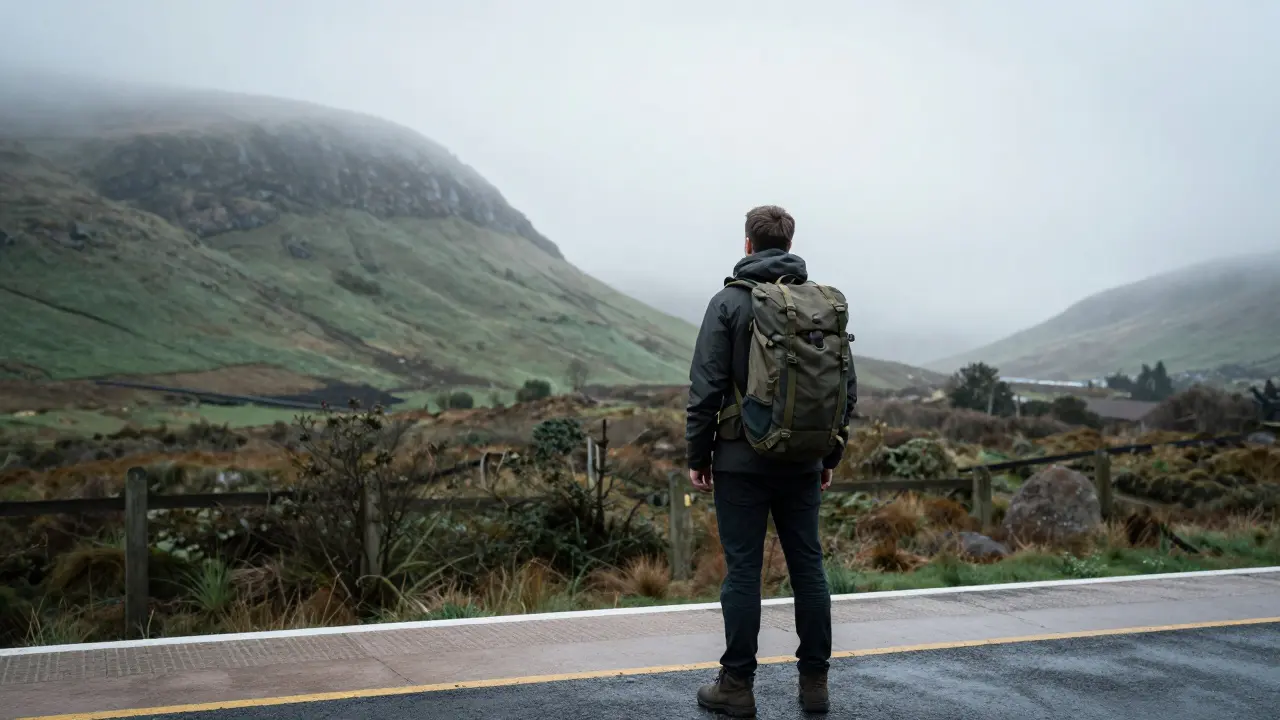
To make this work, you need to understand how the system breathes. ScotRail is the primary train operator in Scotland, managing the vast majority of rail journeys across the mainland. It connects the big cities like Edinburgh and Glasgow to the fringes of the Highlands. However, the trains only get you so far. For the last mile, you'll rely on Cityland or Stagecoach, the bus companies that navigate the winding roads where trains can't reach.
One pro tip: don't try to fight the schedule. In the Highlands, a bus that runs "three times a day" usually means 8:00 AM, 1:00 PM, and 6:00 PM. If you miss the 1:00 PM, you're not just late; you're stuck. Planning your car-free Scotland itinerary requires a bit more rigidity than a road trip, but it saves you from the stress of driving on the 'wrong' side of the road in a tiny car.
The Central Belt Kick-Off: Edinburgh and Glasgow
Start your journey in Edinburgh, the capital city known for its neoclassical architecture and the Royal Mile. You don't need a car here; in fact, having one is a nightmare because of the pedestrian zones. From here, the Edinburgh Waverley station acts as your gateway to the rest of the country.
A quick hop on the train takes you to Glasgow. If you want to see the Trossachs without a car, take a bus from Glasgow to Callander. This charming village is the gateway to the Trossachs National Park. From Callander, you can hire a local bike or take short shuttle buses to see Loch Lomond. It's a great way to transition from the urban sprawl to the wilder landscape without the headache of rental paperwork.
| Region | Primary Mode | Reliability | Best For... |
|---|---|---|---|
| Central Belt | Train / Tram | Very High | City hopping and shopping |
| Highlands | Bus / Tour | Moderate | Lochs and mountains |
| Islands | Ferry / Local Bus | Seasonal | Remote beaches and distilleries |
Heading North: The West Highland Line
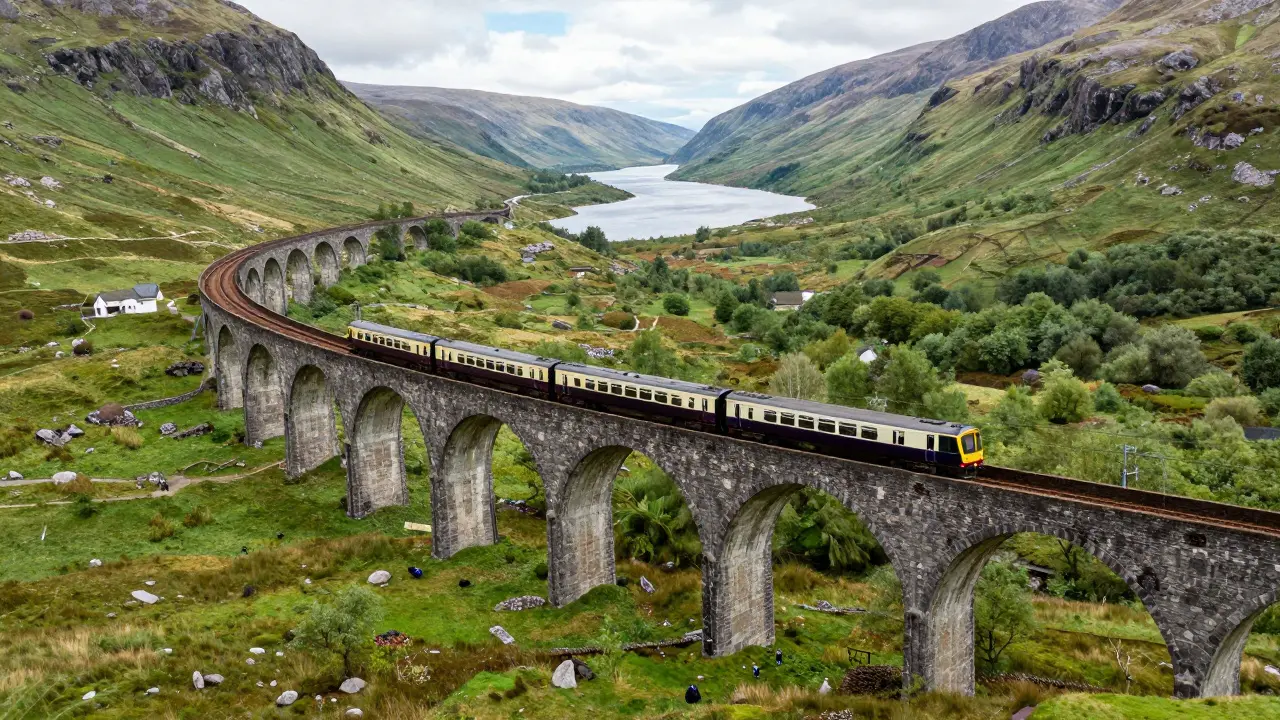
If there is one thing you absolutely cannot miss, it is the West Highland Line. Many travel writers call this the most beautiful rail journey in the world, and they aren't lying. It runs from Glasgow to Fort William, cutting through the heart of the rugged highlands.
You'll cross the Glenfinnan Viaduct-yes, the one from the Harry Potter movies. The trick here is that the train doesn't stop *at* the viaduct; it stops at the Glenfinnan station. From there, it's a short, scenic walk to the viewing point. Once you reach Fort William, you are at the foot of Ben Nevis. You can't take a train to the summit (obviously), but there are local buses and private shuttles that take hikers to the starting trails. This removes the need to find parking at the crowded trailheads.
The Inverness Hub and the East Coast
From Fort William, the easiest way to get to Inverness is via the Scottish Citylink coach service. This is a high-quality bus network that connects the major Highland hubs. Inverness is the "Capital of the Highlands" and serves as a perfect base. From here, you can explore Loch Ness using the local bus lines that run frequently between the town center and the shores of the lake.
If you want to see the more remote parts of the Cairngorms, this is where Scotland tour operators come into play. Instead of trying to piece together five different bus transfers, book a day trip from Inverness. These tours use small minivans and experienced drivers who know the backroads. You get the benefit of a car without the responsibility of driving it. You can visit secluded distilleries or hidden glens, and then get dropped back at your hotel in the center of town.
Isle Hopping: Ferries and Local Transit
No trip to Scotland is complete without visiting the islands. CalMac (Caledonian MacBrayne) is the lifeline ferry service that connects the mainland to the Hebrides and the Inner Hebrides. If you're heading to the Isle of Skye, you can take the train to Kyle of Lochalsh and then a short bus or taxi over the bridge.
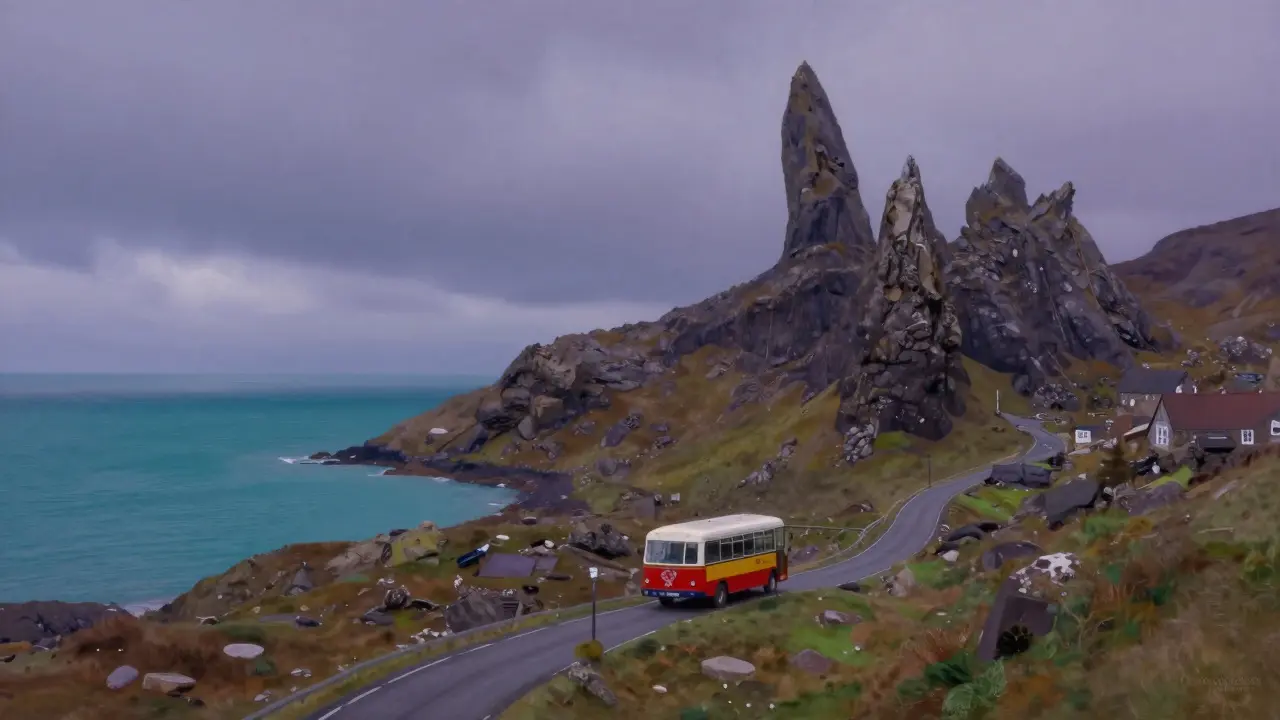
Once on an island, the transport is slower. On Skye, for example, the bus network is limited. The best move is to base yourself in Portree. From there, you can use the local buses to reach the Old Man of Storr or the Fairy Pools, but be warned: these buses are often timed around the school runs or specific tourist peaks. Always double-check the return time before you step off the bus, or you might find yourself walking ten miles back to your B&B.
Common Pitfalls to Avoid
The biggest mistake people make is relying on Google Maps for bus times in rural Scotland. Google is great for cities, but in the Highlands, it often misses the seasonal shifts in bus schedules. Use the official Traveline Scotland website. It's the gold standard for accuracy in the north.
Another trap is the luggage struggle. Dragging a massive hard-shell suitcase through a train station is fine; dragging it through a gravel parking lot while waiting for a bus in the rain is not. Pack light. Use a sturdy backpack or a small spinner. If you're moving between hotels, look for "luggage transfer" services-some companies will actually move your bags from one hotel to the next while you travel light on the trains.
Budgeting for Your Car-Free Trip
Traveling by public transport can actually be cheaper than renting a car, provided you book in advance. A rental car requires insurance, petrol (which is expensive in the Highlands), and parking fees. A rail pass or a set of advance tickets is far more predictable. However, don't forget to factor in the cost of the "last mile" taxis. Sometimes, a bus stop is two miles from your hotel, and a quick £10 taxi ride is worth every penny for your sanity.
Is it actually possible to see the Highlands without a car?
Yes, it is entirely possible. While you won't be able to reach every single hidden glen, the main attractions-including Ben Nevis, Loch Ness, and the Isle of Skye-are all accessible via a combination of ScotRail trains, Citylink buses, and local ferries. The key is using hubs like Inverness and Fort William.
How do I book trains and buses in Scotland?
For trains, use the ScotRail app or website. For long-distance buses, Scottish Citylink is the primary provider. For local regional buses, the Traveline Scotland app is the most reliable source for schedules and route planning.
Are the buses reliable in the North?
Generally, yes, but they are less frequent than in the south. In rural areas, some buses may only run a few times a day. It is critical to check the return time upon arrival at your destination so you don't get stranded.
Which is better for the Highlands: trains or buses?
Trains are faster and more scenic for long stretches (like the West Highland Line), but buses are much more flexible and can take you directly into smaller villages and closer to natural landmarks.
Do I need a special pass for public transport in Scotland?
There isn't a single "all-in-one" pass for everything, but you can buy multi-trip tickets for trains. For buses, many operators accept contactless payment, which is usually the cheapest and easiest way to pay on the go.
Next Steps for Your Planning
If you're a first-timer, start by picking three main bases: Edinburgh, Inverness, and a town in the West Highlands. This prevents "travel burnout" from spending too many hours on a bus. If you're an experienced traveler, try the "slow travel" approach-spend a full week on one island like Mull or Arran, using only the local footpaths and the occasional village bus. No matter how you do it, leaving the car behind allows you to actually look out the window at the scenery instead of staring at the white lines on the road.
Comments (13)
-
Bridget Kutsche April 6, 2026
This is such a great resource for anyone nervous about the logistics of a car-free trip! I've found that using the hubs like Inverness really does take the pressure off the itinerary. Just a little tip: if you're heading to the islands, definitely check the weather forecasts for the ferries since they can be cancelled quite often during the winter months!

-
Nathan Pena April 8, 2026
The premise of the article is quaint, yet fundamentally flawed. To suggest that a few infrequent buses constitute a viable alternative to the autonomy of a rental vehicle is an exercise in optimism over reality. One does not "explore" a landscape when they are tethered to the rigid, often unreliable, schedule of a state-run coach service. It is a sanitized version of travel that caters to those who prefer the illusion of adventure over actual discovery.

-
Krzysztof Lasocki April 10, 2026
Oh sure, because nothing says "adventure" like waiting four hours in a drizzle for a bus that might not even show up. Truly the peak of luxury travel!

-
Kathy Yip April 10, 2026
i wonder if the laggage transfer services r actually reliable or if things get lost... feels like a big risk but the idea of not carryng a bag is so apealing. there's something almost poetick about letng go of your belongings to truly see the land.

-
Rocky Wyatt April 11, 2026
Typical. People think they can just "wing it" with a bus app and expect a spiritual awakening. Most of you will end up stranded in some damp village with no signal, realizing too late that your lack of preparation is a reflection of your general lack of discipline in life.

-
Mbuyiselwa Cindi April 12, 2026
I totally agree with the point about packing light! I've done a few trips across Europe and honestly, a sturdy 40L backpack is a game changer when you're switching between trains and buses. It just makes the whole experience so much more fluid and less stressful.

-
Henry Kelley April 13, 2026
thanks for the tip on the Traveline app, i always rely on google maps and then get confuse when the bus doesnt come lol. sounds like a way more relaxin way to see the sights without worryin bout the drivin side.

-
Mike Marciniak April 14, 2026
Notice how they insist on using "official" apps for everything. It's just another way to track your movement across the Highlands. Why do they need to know exactly which bus stop you're standing at in a remote glen? Just use paper maps if you want to stay off the grid.

-
Tonya Trottman April 14, 2026
Imagine thinking a "small spinner" suitcase is a good idea on a gravel lot. Absolute genius. I'm sure the wheels will last for about five seconds before they're ripped off by a pebble.
Also, the phrasing "the system breathes" is just pseudo-intellectual fluff. It's a transport network, not a biological organism. But hey, keep pretending your vacation is a philosophical journey while you wait for the 6 PM bus that's inevitably twenty minutes late.

-
Jack Gifford April 16, 2026
Love the enthusiasm here! I'm actually planning a trip for next year and this gives me a lot of confidence to ditch the car. I've always been a bit intimidated by the driving there!

-
Victoria Kingsbury April 17, 2026
The West Highland Line is honestly top-tier. If you're into the aesthetic of the Highlands, the rail views are way more immersive than staring at a windshield. It's basically a slow-burn experience with the landscape. Definitely a vibe.

-
VIRENDER KAUL April 18, 2026
The lack of rigorous data regarding the actual cost delta between rental cars and public transport in this piece is regrettable. One cannot simply state it is "cheaper" without providing a comparative spreadsheet of fuel taxes versus rail fares. This is an amateurish analysis of logistical efficiency

-
Sarah Meadows April 19, 2026
This is just a way to keep tourists in the designated zones. Give me a 4x4 and a GPS any day. We don't need to be herded like sheep on a Citylink coach. Real explorers don't wait for a schedule!
