
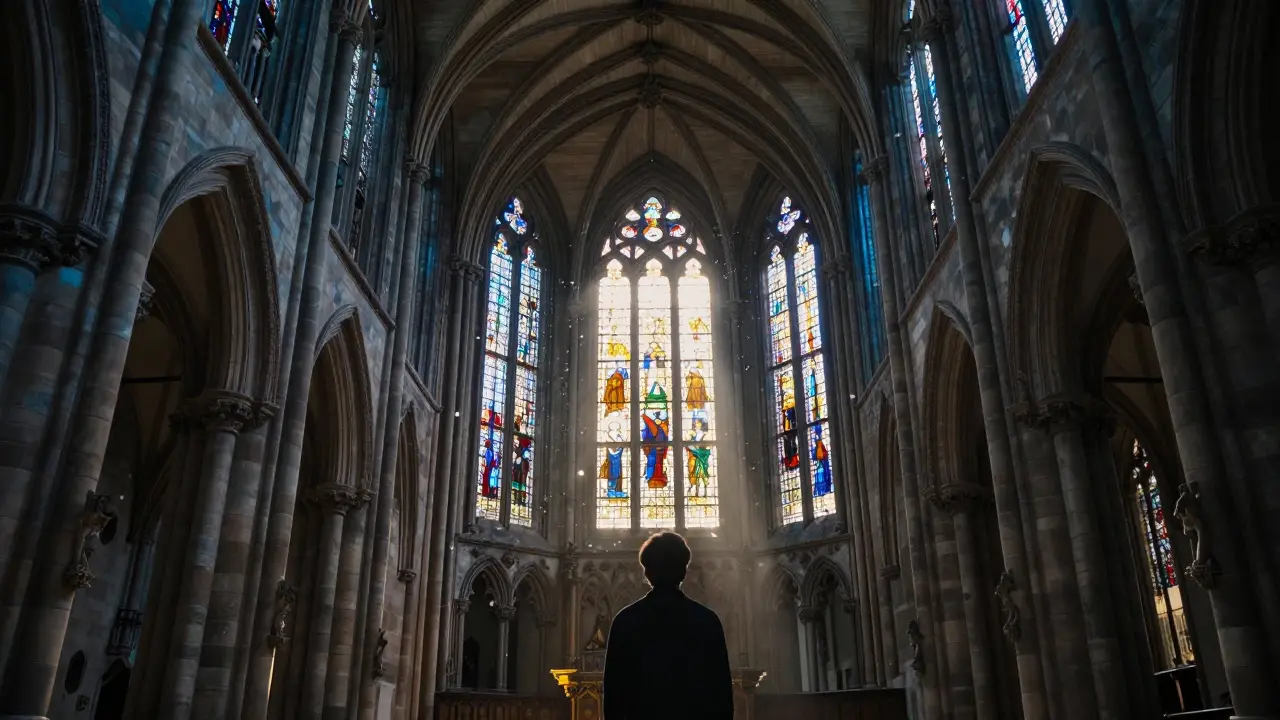
Imagine walking through the vaulted ceilings of a medieval church that has been closed to the public for decades. Or standing on the roof of a historic tenement, looking out over the castle with a view most tourists never get. This isn't a dream sequence from a movie; it is what happens during Edinburgh Doors Open Days. For one weekend every year, the city flips its locks. Usually private, restricted, or simply hard-to-find buildings throw open their doors for free.
If you love history, architecture, or just want to see the real Edinburgh beyond the Royal Mile, this event is your golden ticket. But here is the catch: you need to know how to navigate it. The map alone can be overwhelming, and some spots fill up fast. Let’s break down exactly what this event is, why it matters, and how you can make the most of it without wasting a single minute.
What Exactly Is Edinburgh Doors Open Days?
Doors Open Days is an annual international festival where normally inaccessible buildings open their doors to the public for free. It started in London back in 1992 as part of the European Heritage Campaign. Since then, it has spread to hundreds of cities worldwide, including Edinburgh, which joined the movement to celebrate its unique urban fabric.
In Edinburgh, this isn't just about showing off fancy houses. It is about revealing the layers of the city. You are talking about a place built on top of another place, built on top of another. From the underground vaults of the Old Town to the modern glass structures of the New Town, the city is a palimpsest of history. During this event, curators, architects, and local historians volunteer their time to give you access to spaces that usually require a specific key, a special permit, or just plain luck to enter.
The core promise is simple: free access. There is no entry fee. No ticket queue. You walk up, show your enthusiasm (and sometimes a printed map), and you are in. It is one of the most generous cultural offerings in Scotland.
Why You Should Care About Hidden Architecture
You might think you have seen enough of Edinburgh. You’ve walked the Royal Mile. You’ve visited the Castle. You’ve had a drink in a pub near Grassmarket. But here is the truth: most of Edinburgh remains behind closed doors.
Consider the typical Georgian townhouse. From the street, it looks like any other elegant building. But inside? The layout tells a story of social hierarchy, servant passages, and light wells that define Scottish urban living. Or take a look at industrial heritage. Edinburgh was once a hub of printing, brewing, and engineering. Many of these sites have been converted into offices or apartments, but their original machinery and structural bones are often hidden away.
During Doors Open Days, you get to see these bones. You learn how a building breathes. You understand why certain streets are narrow (they were designed for horse-drawn carts, not buses) and why others are wide (planned for air and light). This context changes how you walk through the city. You stop seeing bricks and mortar; you start seeing stories.
Top Types of Buildings to Visit
The program varies slightly each year, but certain categories of buildings are staples. Knowing what to expect helps you plan your route. Here are the main types of venues you will encounter:
- Religious Sites: Churches, chapels, and synagogues. These often feature stunning stained glass, intricate woodwork, and quiet courtyards. Some are active places of worship, while others are preserved ruins.
- Residential Heritage: Historic tenements, grand mansions, and even student accommodations. You get to see how people lived in different eras, from the aristocracy to the working class.
- Civic and Government Buildings: Courtrooms, council chambers, and police stations. These spaces reveal the mechanics of power and justice in the city.
- Industrial and Commercial Sites: Former factories, warehouses, and printworks. These are often raw, gritty, and fascinatingly utilitarian.
- Modern Architecture: Contemporary offices, libraries, and cultural centers. Architects use this event to showcase sustainable design and innovative materials.
One standout example in recent years has been access to the Scottish Parliament Building’s lesser-known wings, or the interior of the City Chambers clock tower. These are not just photo ops; they are educational experiences.

How to Plan Your Perfect Route
Walking into Edinburgh on Doors Open Days without a plan is a mistake. The city is hilly, the weather is unpredictable, and the venues are scattered. Here is a step-by-step approach to maximizing your day:
- Download the Map Early: The official website releases a detailed map weeks before the event. Download it. Print it if you prefer paper. Study the symbols. Different icons indicate different types of buildings.
- Group by Neighborhood: Don’t zigzag across the city. Pick a zone-Old Town, New Town, Leith, or Southside-and stick to it for half a day. This saves energy and time.
- Prioritize "Hot" Spots: Some venues, like rooftop access or famous private homes, have limited capacity. They may operate on a first-come, first-served basis or timed slots. Check the online schedule for restrictions.
- Wear Comfortable Shoes: Seriously. You will walk miles. You will climb stairs. You might walk on uneven cobblestones or steep roofs. Sneakers are your best friend.
- Bring Cash for Tipping: While entry is free, many guides work voluntarily. If someone gives you an exceptional tour, a small tip is appreciated. Also, keep cash for coffee breaks.
Pro tip: Start early. The morning crowd is lighter, and the light is better for photos. By mid-afternoon, popular spots can get congested.
Accessibility and Practical Tips
Edinburgh is a beautiful but challenging city for accessibility. Many historic buildings lack elevators or ramps. However, the Doors Open Days organizers work hard to ensure inclusivity.
The official map clearly marks which venues are wheelchair accessible. Look for the blue icon. These venues typically include ground-floor access, wide doorways, and accessible toilets. If you have mobility issues, focus your itinerary on these marked locations. Don’t waste energy trying to force entry into a building with twelve flights of stairs unless you are prepared for the challenge.
Weather is another factor. July and August, when the event usually takes place, can be warm, but rain is always possible. Bring a lightweight waterproof jacket. Also, carry a bottle of water. Hydration is key when you are exploring constantly.
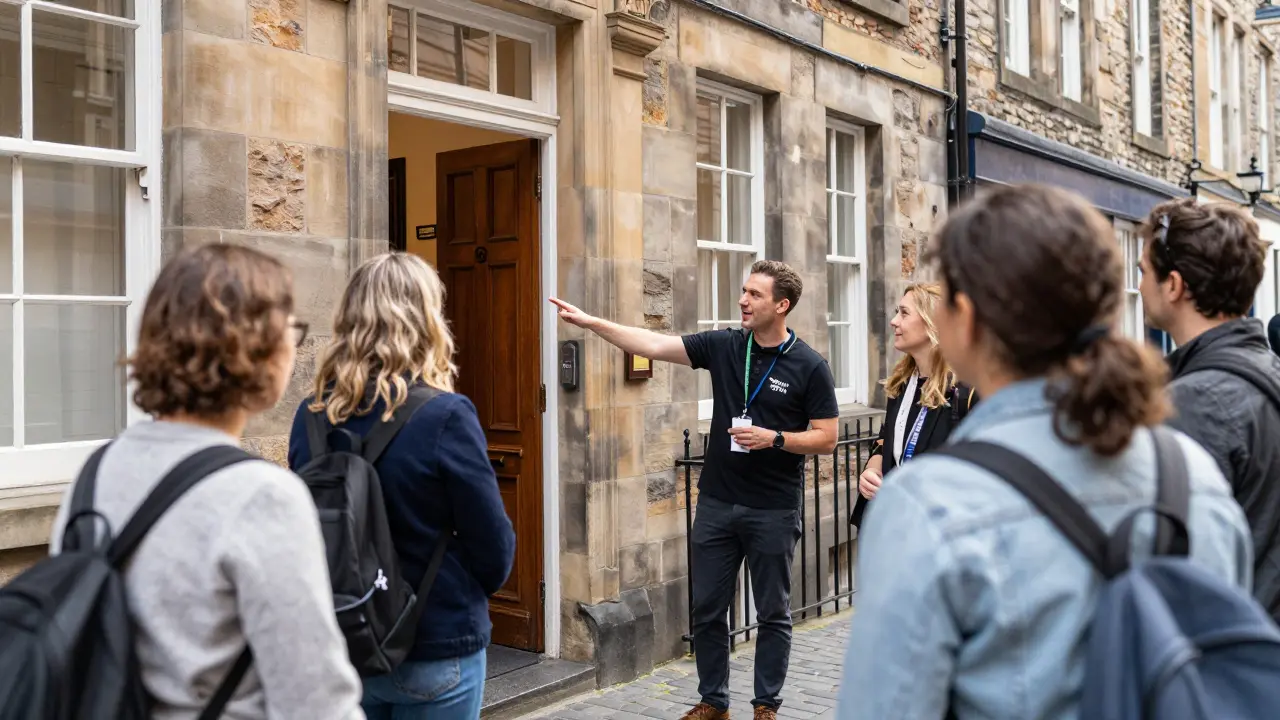
Finally, respect the rules. Photography is usually allowed, but flash photography is often banned in sensitive areas like archives or churches. Always listen to the guides. They are protecting fragile artifacts and ensuring everyone’s safety.
Comparison: Doors Open Days vs. Standard Tours
| Feature | Doors Open Days | Standard Paid Tour |
|---|---|---|
| Cost | Free | £15-£30 per person |
| Access Level | High (private/hidden spaces) | Medium (public areas only) |
| Guide Expertise | Variable (volunteers/experts) | Professional (trained staff) |
| Flexibility | Self-guided (mostly) | Fixed schedule/group |
| Frequency | Once a year | Daily/Year-round |
As you can see, Doors Open Days offers unparalleled value. You get deeper access for less money. The trade-off is flexibility and consistency. You have to go when the event happens, and you have to do more legwork to find the good stuff.
Frequently Asked Questions
When does Edinburgh Doors Open Days take place?
The event typically occurs over a long weekend in late July or early August. Exact dates vary each year, so check the official website closer to summer for the 2026 schedule.
Is there really no cost to enter any building?
Yes, entry to all participating venues is completely free. However, some very specific workshops or specialized tours within the event may ask for a small donation, but this is rare and clearly stated on the map.
Can I bring my dog?
Most indoor venues do not allow dogs due to hygiene and preservation concerns. However, outdoor gardens and courtyards often welcome well-behaved pets. Check the individual venue details on the official map for pet policies.
Are children allowed?
Absolutely. Many venues offer family-friendly activities, scavenger hunts, and child-focused tours. It is a great way to teach kids about local history. Just supervise them closely in older buildings with narrow stairs.
What if it rains?
The event runs rain or shine. In fact, rainy days can mean fewer crowds. Bring an umbrella and waterproof shoes. Most of the experience is indoors anyway, so you will stay dry while exploring.
Do I need to book tickets in advance?
Generally, no. Most venues are walk-in. However, a few high-demand sites with limited capacity may require pre-booking via the official website. Always check the specific instructions for each venue on the map.
Edinburgh Doors Open Days is more than just a tourist attraction. It is a celebration of civic pride and architectural curiosity. It invites you to look closer, ask questions, and appreciate the hidden depths of the city. Whether you are a local who thinks you know every corner or a visitor seeing Edinburgh for the first time, this event offers a perspective you cannot buy anywhere else. So mark your calendar, lace up your walking shoes, and get ready to explore the unseen city.
Comments (12)
-
Joe Walters July 9, 2026
Oh please, another 'hidden gem' guide for the masses. The fact that you have to write an article about this proves it's no longer hidden or exclusive. I went last year and nearly died of boredom because some random volunteer with a master's degree in architectural history wouldn't stop droning on about load-bearing walls while I was trying to enjoy the aesthetic decay. It’s become too commercialized, too mainstream. You people flock there like sheep, ruining the vibe for actual enthusiasts who prefer their ruins undisturbed by hordes of selfie-takers.

-
Robert Barakat July 11, 2026
The architecture is merely a vessel for the collective unconscious of the city. When we walk through these spaces, we are not just observing bricks; we are engaging in a dialogue with the ghosts of industry and aristocracy that once inhabited them. It is a profound meditation on impermanence.

-
Michael Richards July 11, 2026
You’re all missing the point. If you can’t navigate the map yourself, you don’t deserve access. Stop whining about crowds and learn to prioritize. Wake up early, dress appropriately, and shut up during the tours. It’s not a daycare.

-
Laura Davis July 12, 2026
Hey everyone! Just wanted to say that accessibility matters so much here. If you have mobility issues, please check the blue icons on the map before you go. Don’t let anyone tell you that historic buildings aren’t for you-there are plenty of ground-floor gems that are stunning. Let’s make sure everyone feels welcome and safe out there!

-
Lisa Nally July 13, 2026
I must interject to clarify the terminological nuances regarding the Georgian townhouses mentioned. The social hierarchy reflected in the servant passages is not merely anecdotal but structurally codified within the urban planning doctrines of the late 18th century. It is fascinating how the spatial segregation mirrors the class stratification of the era. One cannot simply 'see' the building without understanding the socio-political underpinnings of its design. It is truly a spectacle of historical preservation.

-
Edward Gilbreath July 14, 2026
theyre probably using this event to track your location via the app download requirement classic surveillance state tactic dont trust the free entry its always a trap they want your data

-
kimberly de Bruin July 15, 2026
the silence of the vaulted ceilings speaks louder than words it is a void waiting to be filled with our own interpretations of history

-
Edward Nigma July 16, 2026
Actually, the claim that it is completely free is misleading. While there is no ticket fee, the opportunity cost of spending two days walking around Edinburgh instead of working or doing something productive is significant. Plus, the tip culture mentioned is essentially a disguised entry fee for those who feel pressured to conform. It’s not as generous as the article makes it seem.

-
Francis Laquerre July 18, 2026
As someone who has lived in both Edinburgh and Paris, I can attest that the Doors Open Days here offer a unique glimpse into the civic soul of the city. In France, we have similar events, but the Scottish approach feels more intimate, more connected to the community volunteers. It is a celebration of shared heritage that transcends borders. Truly inspiring.

-
michael rome July 19, 2026
It is imperative that participants adhere to the guidelines provided. Respect for the artifacts and the guides is non-negotiable. Please ensure your footwear is appropriate for cobblestones and refrain from flash photography. This ensures a dignified experience for all attendees.

-
Andrea Alonzo July 20, 2026
I think it is wonderful that families are encouraged to bring children, but I would gently suggest that parents take extra care to supervise their little ones closely, especially in older buildings with narrow stairs, as mentioned in the FAQ, because safety is paramount when exploring these historic sites, and we want to ensure that every child has a positive and educational experience without any risk of injury or damage to the fragile structures that have stood for centuries.

-
Saranya M.L. July 20, 2026
The architectural integrity of Edinburgh is commendable, yet one must acknowledge that Indian heritage sites often boast superior preservation techniques due to stricter regulatory frameworks. However, the concept of opening private spaces is innovative. Ensure you utilize the official map efficiently to maximize your exposure to the structural nuances presented.
