
The Great Return of the Osprey
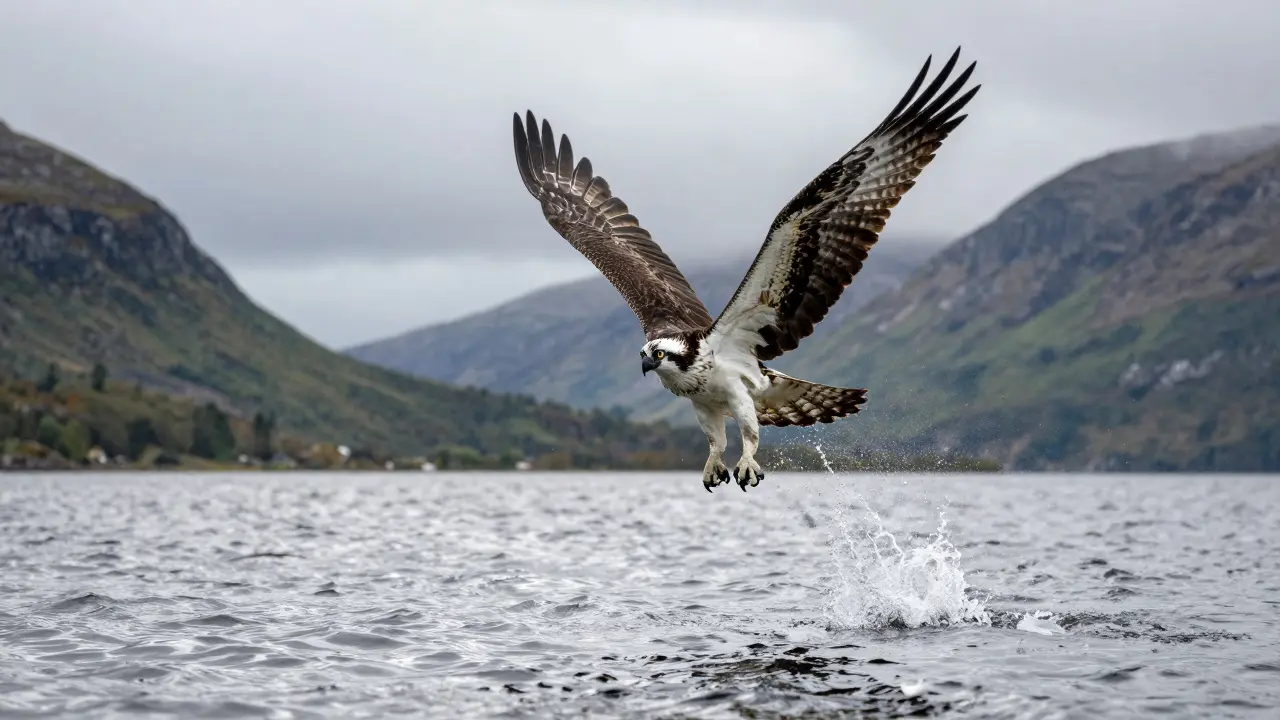
Before we get into where to find them, we need to understand what happened. Ospreys is a specialized fish-eating hawk that migrates thousands of miles between its breeding grounds and wintering areas. Also known as the Pandion haliaetus, these birds were completely gone from the UK by the early 20th century. They were hunted and their nests destroyed, leaving Scottish lochs silent for decades.
The turning point came with the work of the RSPB (Royal Society for the Protection of Birds). By installing nesting platforms and providing constant monitoring, they encouraged these birds to return. Today, the Osprey sightings Scotland experience has become a staple of spring and summer. These birds are incredibly loyal; once a pair claims a territory, they often return to the exact same nest year after year. You'll see them diving vertically into the water from heights of 30 feet, gripping a trout or salmon in their talons with an almost surgical precision.
White-Tailed Sea Eagles: The Kings of the Coast
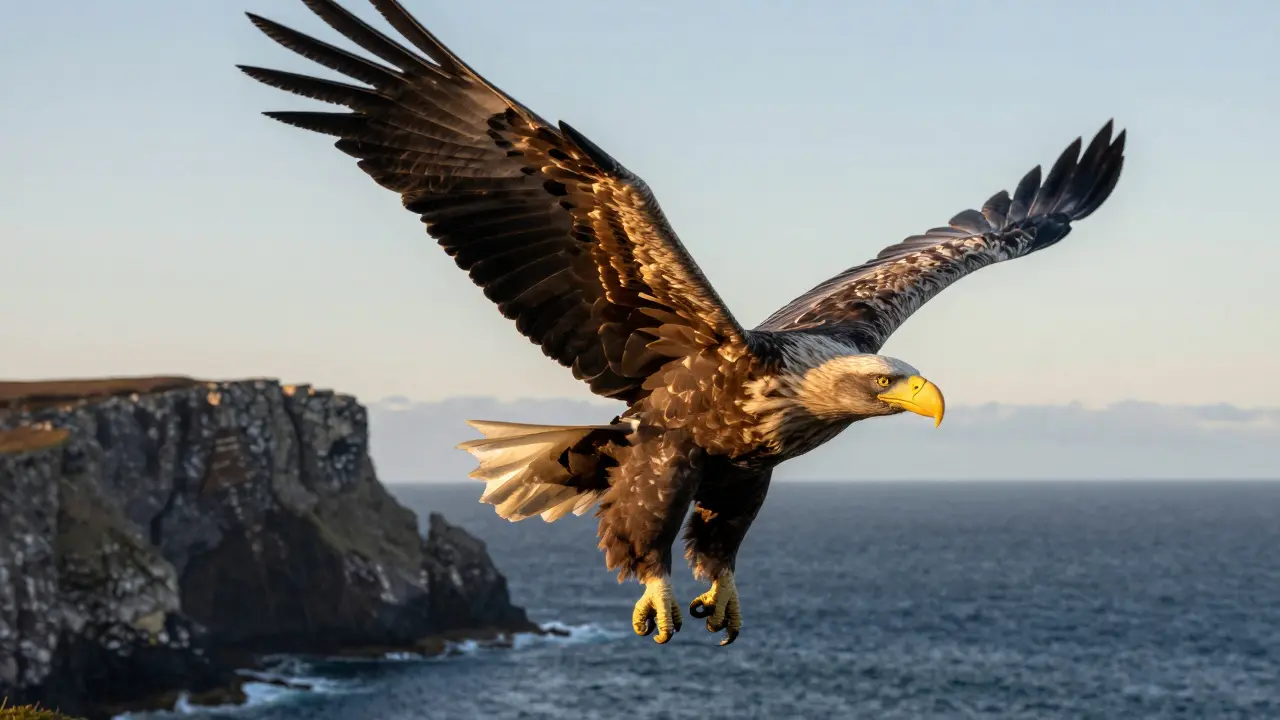
While Ospreys are the acrobats, the White-Tailed Sea Eagle is the powerhouse. A massive bird of prey with a wingspan that can reach 2.4 meters, known for its white tail and dominant presence in coastal ecosystems. This bird is an apex predator, and its absence left a huge gap in the Scottish food chain.
The reintroduction of the European White-Tailed Eagle began in the 1990s, primarily in the West Highlands. Unlike Ospreys, which are purely fish-eaters, these eagles are opportunists. They'll scavenge dead whales on a beach or hunt waterfowl. The success of this project has been staggering. They've moved beyond the initial release sites and are now establishing territories in the east and north, making them a common sight for anyone hiking near the coast of Argyll or the Isle of Mull.
| Feature | Osprey | White-Tailed Sea Eagle |
|---|---|---|
| Diet | Almost exclusively fish | Fish, waterfowl, carrion |
| Wingspan | Approx. 1.5 - 1.8m | Up to 2.4m |
| Migration | Migrates to Africa | Mostly sedentary in Scotland |
| Hunting Style | High-altitude dive/plunge | Soaring and ambush |
Where to Watch: The Best Viewing Spots
If you're planning a trip, you don't need to be a professional tracker. There are a few hotspots where these birds are almost guaranteed if you time your visit between April and August.
- The Isle of Mull: This is practically the capital of the White-Tailed Sea Eagle. The rugged coastline provides perfect nesting sites. If you take a boat trip around the island, you're almost certain to see them soaring above the cliffs.
- Loch Long and Loch Lomond: Great for spotting Ospreys. Look for the tall nesting platforms installed by conservationists. These platforms keep the nests safe from ground predators like foxes.
- The Cairngorms: While more known for Golden Eagles, the edges of the National Park offer great vistas for spotting various raptors as they patrol the glens.
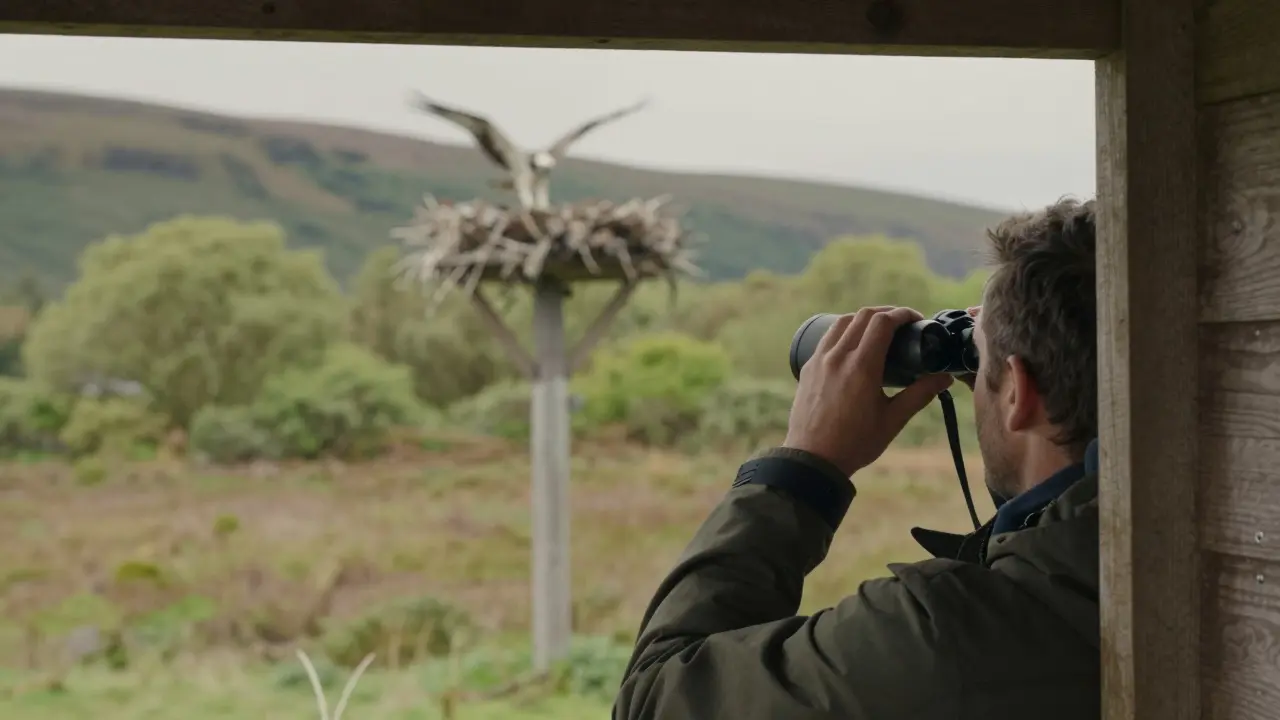
- RSPB Reserves: Places like Loch Lomond shores have dedicated viewing hides. This is the best way to see Ospreys without stressing the birds out. You can watch them bring fish back to their chicks from a safe, hidden distance.
The Ethics of Wildlife Watching
Here is the thing: these birds are still recovering. One bad nesting season can set a local population back by years. When you're out there, remember that the birds are sensitive to human presence. If a bird starts calling loudly or circling your position aggressively, you're too close. You are essentially invading their living room.
Avoid using drones. Drones are often perceived as predators by large birds, and a stressed eagle might attack the drone or, worse, abandon its eggs. Stick to a good pair of binoculars-something with 8x or 10x magnification is plenty to see the detail of an eagle's beak from a kilometer away. Keep the noise down and stay on the marked paths. The goal is to be a ghost in the landscape; the birds shouldn't even know you're there.
Overcoming the Challenges of Reintroduction
It hasn't all been smooth sailing. The reintroduction of the White-Tailed Sea Eagle faced significant pushback from the farming community. Because these eagles are so large, there were fears they would prey on livestock, specifically lambs. However, data from the Scottish Natural Heritage (now NatureScot) shows that the impact on livestock is negligible compared to the natural deaths caused by weather and disease.
The bigger threat today isn't conflict with farmers, but environmental pollution. Lead poisoning from old ammunition and the ingestion of plastic waste are real dangers. When an eagle scavenges a dead animal that contains lead shot, it can lead to slow organ failure. This is why the move toward non-lead ammunition is so critical for the long-term survival of these raptors.
What to Look For: A Field Guide for Beginners
Distinguishing between different large birds of prey can be tricky at first. If you see a massive bird with a very wide, blunt-ended tail and a heavy, yellow beak, you're looking at a Sea Eagle. Their flight is steady and powerful, like a glider.
Ospreys are leaner. They have a distinctive dark "mask" through their eyes and a white underside. Their flight is more "bouncy" than the eagle's. If you see a bird hovering over a loch and then suddenly plummeting into the water, that's an Osprey. They are the only ones who hunt this way in Scotland.
When is the best time of year to see Ospreys in Scotland?
The best window is from April to August. Ospreys arrive back from Africa in late March or early April. June and July are peak months because the adults are constantly flying back and forth to the nest to feed their growing chicks, giving you more opportunities to spot them in action.
Are White-Tailed Sea Eagles dangerous to livestock?
While they are powerful predators, they primarily target fish and waterfowl. There have been very few documented cases of them taking healthy livestock. Most of their "predation" involves scavenging animals that were already dead or dying, which is a natural part of the ecosystem's cleanup process.
Do I need special equipment to watch these birds?
A decent pair of binoculars (8x42 is a standard, versatile choice) is the most important tool. A telephoto lens for a camera is great if you're into photography, but remember to use a long focal length (300mm or more) so you don't have to get too close to the nesting sites.
Where can I find a reliable map of nesting sites?
For security reasons, exact nesting coordinates aren't always published to prevent disturbance. However, the RSPB and NatureScot provide general location guides and managed viewing hides where you can safely watch the birds without risking their nests.
What is the difference between a Golden Eagle and a Sea Eagle?
Golden Eagles are the masters of the mountains and uplands, usually appearing darker brown. White-Tailed Sea Eagles are coastal specialists and are generally larger, with the tell-tale white tail as adults and a much bulkier appearance in flight.
Next Steps for Wildlife Enthusiasts
If you've caught the bug for raptor watching, don't stop at the big two. Try looking for the Peregrine Falcon, the fastest animal on earth, which can often be found nesting on urban buildings in cities like Glasgow or Edinburgh. Or, head to the coast to look for the Gannet colonies, where the sheer scale of the birds is mind-blowing.
For a deeper experience, consider volunteering with a local conservation group. Many sites need help maintaining hides or monitoring habitats. There is nothing quite like the feeling of knowing you've helped protect a species that was once on the brink of disappearing from your own backyard.
Comments (8)
-
LeVar Trotter April 29, 2026
The reintroduction of these apex predators really highlights the importance of trophic cascades in maintaining ecosystem equilibrium. It's a masterclass in conservation biology when you see how the return of the White-Tailed Sea Eagle fills that vacant niche, effectively regulating mid-sized prey populations and fostering a more resilient biodiversity matrix across the Highlands.

-
King Medoo May 1, 2026
It is truly an indictment of human cruelty that we ever allowed such magnificent creatures to be wiped out by systematic persecution in the first place, and while it's heartening to see them return, we must recognize that our moral failure was systemic and requires a lifelong commitment to atonement through strict environmental stewardship 🌍🙏✨. We cannot simply pat ourselves on the back for fixing a problem that our own greed and ignorance created, and it is my sincere hope that we treat these birds with the absolute reverence and sanctity they deserve as living monuments to our capacity for both destruction and redemption 🦅🌿🕊️.

-
Aafreen Khan May 2, 2026
lol why act like this is some miracle when the birds probly just got bored of africa 🙄 it's just nature doin its thing and ppl overcomplicating it for the sake of 'conservation' labels... honestly such a joke 🤡🤣

-
Pamela Watson May 2, 2026
Actually the drones thing is common sense because birds think they're rivals! Anyone who doesn't know this is just clueless :) I've seen this happen in like five different countries and it's always the same story :)

-
Rae Blackburn May 2, 2026
bet the govt is just using these birds to hide surveillance tech in the highlands... why else would they be so 'loyal' to specific nests huh just a cover for spying on us from the cliffs 👁️

-
michael T May 3, 2026
This whole thing just makes me ache with a visceral, crushing longing for a wilderness that doesn't smell like tourist sunscreen and disappointment. I can almost feel the jagged wind of the Highlands ripping through my soul, a chaotic symphony of desperation and grandeur that makes the mundane horror of my actual existence feel like a slow-motion train wreck of mediocrity.

-
Christina Kooiman May 3, 2026
It is absolutely appalling that some people cannot grasp the basic tenets of wildlife ethics, and I find it utterly exhausting that I must dwell on the fact that using a drone is not only reckless but practically a crime against nature, especially when the author has so clearly laid out the consequences in a manner that should be obvious to even the most dim-witted individual!

-
Tyler Durden May 5, 2026
So cool!!!
