
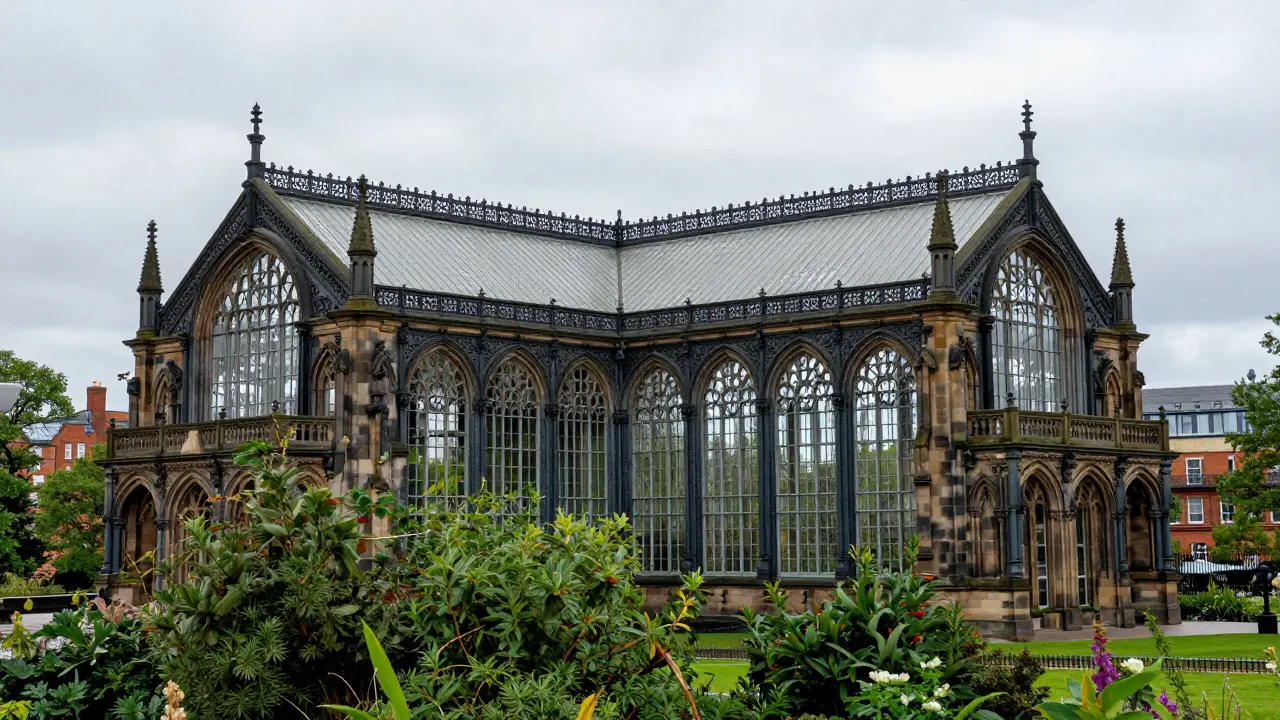
Walking through the gates of Glasgow Botanic Gardens, a 19-acre public garden in the Hillhead district of Glasgow, Scotland, you step out of the modern city and into a living museum of horticultural history. It’s not just about pretty flowers; it’s about engineering marvels wrapped in nature. The crown jewels here are the Victorian glasshouses, specifically the iconic Kibble Palace, a cast-iron greenhouse built in 1854 that mimics Gothic cathedral architecture. If you’re planning a visit to Glasgow, skipping these structures is like visiting London without seeing Big Ben. They define the experience.
I’ve spent years exploring Scotland’s green spaces, from the rugged Highlands to the manicured lawns of Edinburgh, but nothing quite matches the atmospheric drama of the Botanic Gardens’ glasshouses. The air inside is thick with humidity and the scent of tropical plants. Light filters through intricate ironwork, creating patterns that shift as the sun moves across the sky. This isn’t just a place to take photos; it’s a place to understand how Victorians conquered climate to grow exotic species far from their native habitats.
The Engineering Marvel of Kibble Palace
Let’s talk about the star of the show: the Kibble Palace. Built in 1854, this structure was a radical departure from the traditional wooden greenhouses of the time. Instead of timber, it used cast iron and wrought iron, materials that were becoming synonymous with the Industrial Revolution. The design was inspired by Gothic cathedrals, which might sound odd for a plant house, but it made sense. The pointed arches allowed for better structural stability and more light penetration compared to flat roofs.
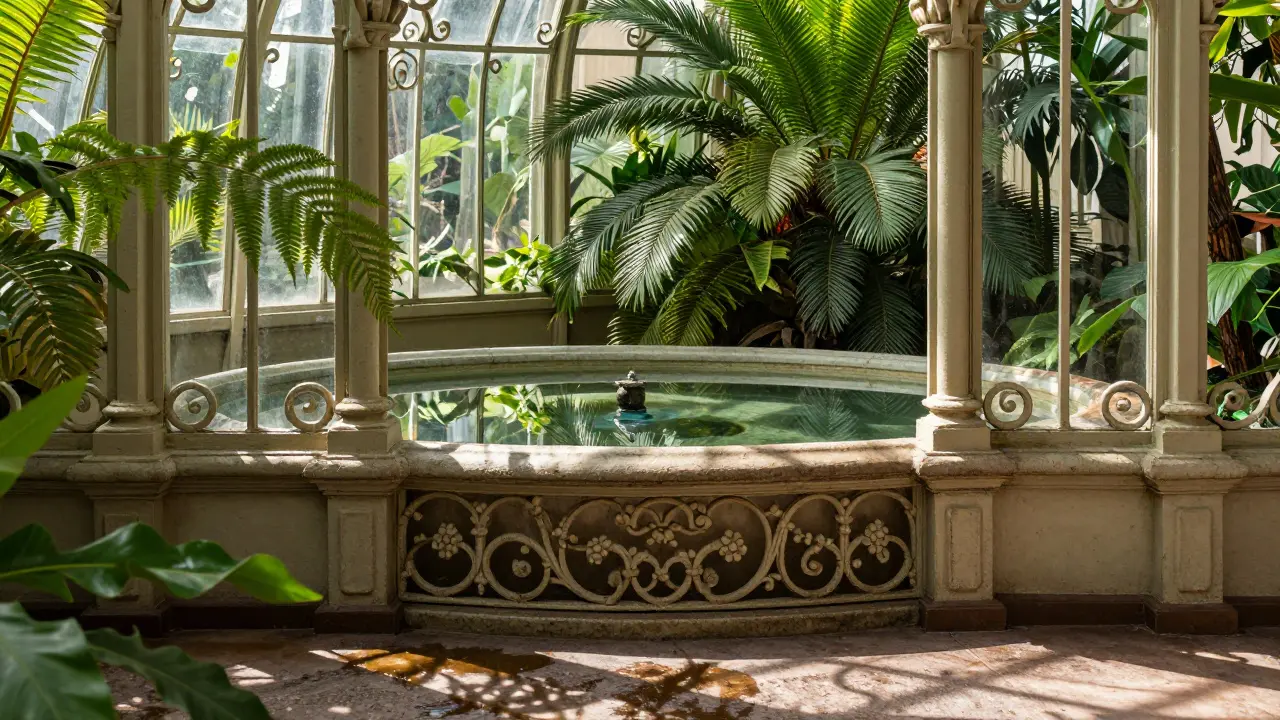
The name “Kibble” comes from John Kibble, a wealthy merchant who donated £2,000 towards its construction. That money went a long way in the mid-19th century. The palace stands 73 feet high and covers an area of roughly 6,000 square feet. What makes it truly special is the lattice work on the roof. It’s not just decorative; it allows rainwater to drain efficiently while letting sunlight reach the plants below. Inside, you’ll find a variety of subtropical plants, including palms, ferns, and cycads. The central feature is a large water basin surrounded by lush vegetation, creating a microclimate that feels worlds away from the often rainy streets of Glasgow.
One thing people often miss is the heating system. Back in the day, hot water pipes ran through the floor to keep the temperature stable during harsh Scottish winters. Today, the system has been upgraded, but the principle remains the same. Maintaining this delicate balance of heat and humidity is crucial for the survival of the plants housed within. It’s a testament to Victorian ingenuity that this 170-year-old structure still functions so effectively.
| Feature | Detail |
|---|---|
| Construction Year | 1854 |
| Materials | Cast iron, wrought iron, glass |
| Architectural Style | Gothic Revival |
| Height | 73 feet (22 meters) |
| Funding Source | Donation by John Kibble (£2,000) |
| Primary Function | Housing subtropical and arid-climate plants |
Exploring the Other Victorian Glasshouses
Kibble Palace doesn’t stand alone. It’s part of a complex of five major Victorian glasshouses that together form one of the most complete collections of such structures in the UK. Each house has a specific purpose, catering to different plant needs based on their native climates. Understanding these differences helps you appreciate the scientific rigor behind the beauty.
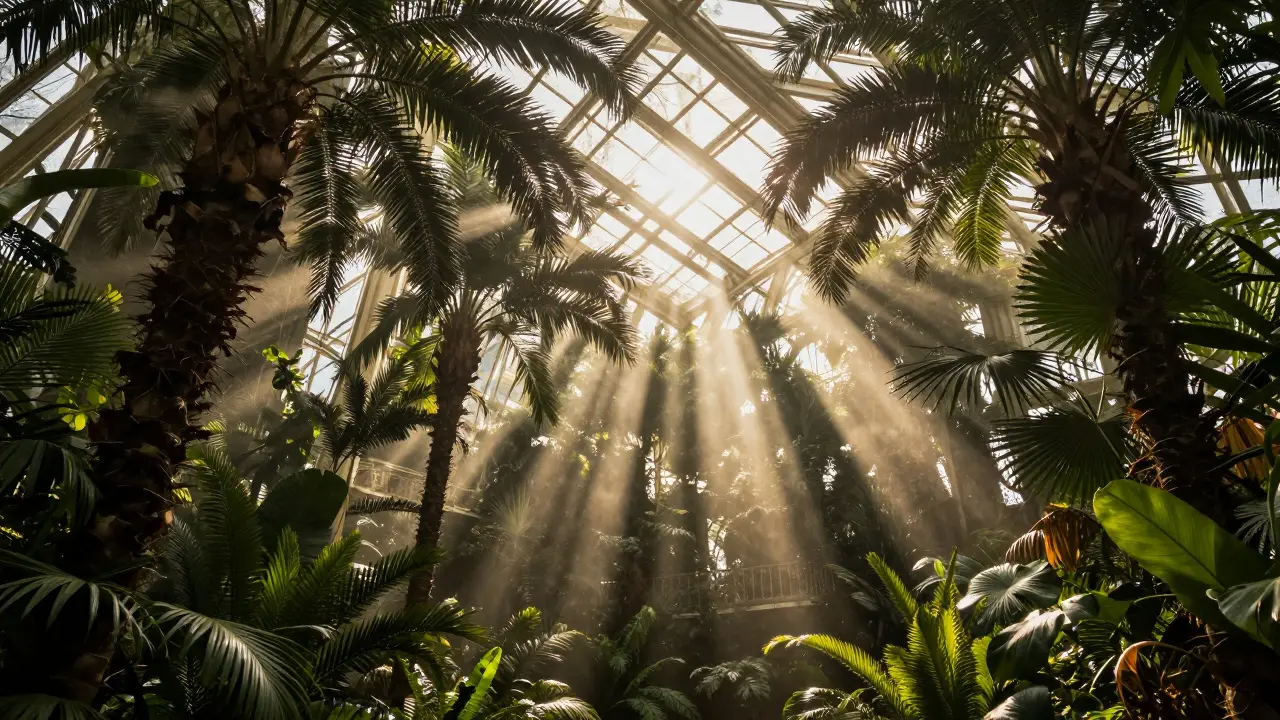
First up is the Palm House. Completed in 1858, this is perhaps the most recognizable of the group after Kibble Palace. It’s designed to mimic a tropical rainforest environment. The high ceilings allow for tall palm trees to grow, creating a canopy effect. Walking under these towering fronds gives you a sense of scale that’s hard to replicate elsewhere. The humidity here is palpable, and the air smells earthy and fresh. It’s a perfect spot if you want to escape the chill of a typical Glasgow day.
Next is the Fern House. As the name suggests, this structure is dedicated to ferns. But it’s not just any ferns; it includes rare species from around the world. The design is simpler than Kibble Palace, with a focus on maximizing light exposure for these shade-loving plants. The intricate ironwork supports a vast array of hanging baskets and climbing vines. It’s a quieter, more contemplative space compared to the grandeur of the Palm House.
Then there’s the Cactus House. This might seem counterintuitive given Scotland’s reputation for rain, but the glasshouse technology allowed botanists to create arid environments. Here, you’ll find succulents and cacti thriving in dry, warm conditions. The contrast between the lush greenery outside and the stark, spiky plants inside is striking. It highlights the versatility of the glasshouse design in manipulating microclimates.
Finally, we have the Tropical House and the Temperate House. The Tropical House focuses on broadleaf evergreens and flowering plants from tropical regions, while the Temperate House houses plants from cooler, temperate zones. These two structures complete the spectrum, allowing visitors to see how different climates support diverse plant life. Together, they offer a comprehensive educational experience about global biodiversity.
Planning Your Visit: Practical Tips
Visiting the Glasgow Botanic Gardens is free, which is a huge plus. However, managing your time wisely ensures you get the most out of the experience. The gardens are open daily from dawn to dusk, but the glasshouses have specific opening hours. Typically, they open at 10:00 AM and close at 4:00 PM, though these can vary seasonally. Always check the official website before heading out, especially if you’re visiting during peak tourist seasons or holidays.
The best time to visit is early in the morning or late in the afternoon. Midday can be crowded, particularly on weekends when school groups and tour buses arrive. Early mornings offer softer light for photography and fewer people, allowing you to soak in the atmosphere without distractions. Late afternoons provide a golden hue that enhances the architectural details of the glasshouses.
Dress appropriately. While the glasshouses are climate-controlled, the paths between them can be wet and slippery, especially after rain. Wear comfortable walking shoes with good grip. Bring a light jacket if you plan to explore the outdoor sections of the gardens, as the weather in Glasgow can change quickly. Don’t forget your camera; the interplay of light, iron, and foliage provides endless photographic opportunities.
If you’re interested in deeper insights, consider joining a guided tour. The University of Glasgow, which manages the gardens, offers regular tours led by experts who can share fascinating stories about the history and botany of the collection. These tours often include access to areas not usually open to the public, giving you a behind-the-scenes look at the maintenance and care required to keep these historic structures operational.
Historical Context and Significance
To fully appreciate the Kibble Palace and its companions, it helps to understand their historical context. In the mid-19th century, Glasgow was a booming industrial city. Wealthy merchants and industrialists had the resources to fund ambitious projects like these glasshouses. They weren’t just about aesthetics; they were symbols of scientific progress and imperial reach. Growing exotic plants in Scotland demonstrated mastery over nature and technology.
The gardens themselves date back to 1786, making them one of the oldest botanical gardens in Britain. Over the centuries, they’ve evolved from a private research facility to a public asset. The Victorian era marked a significant expansion, driven by advances in ironworking and glass production. These materials allowed for larger, more transparent structures that could house bigger and more diverse plant collections.
Today, the glasshouses serve multiple purposes. They are tourist attractions, yes, but they also play a crucial role in conservation and education. Many of the plants housed here are rare or endangered in their native habitats. By maintaining them in controlled environments, the gardens contribute to global efforts to preserve biodiversity. Additionally, they provide a valuable resource for students and researchers studying plant biology and ecology.
Connecting with Nature in Urban Glasgow
In a city known for its industrial heritage and gritty charm, the Glasgow Botanic Gardens offer a serene retreat. The juxtaposition of the urban landscape with the tranquil beauty of the gardens is powerful. Just steps away from busy roads and university buildings, you can find yourself surrounded by ancient ferns and towering palms. It’s a reminder of nature’s resilience and adaptability.
The gardens also host various events throughout the year, from flower shows to concerts. These activities bring the community together and highlight the cultural significance of the space. Whether you’re a local resident or a visitor passing through, taking the time to explore the Kibble Palace and the other Victorian glasshouses enriches your understanding of both history and nature. It’s an experience that lingers long after you’ve left the grounds.
Is there an entry fee for Glasgow Botanic Gardens?
No, entry to the Glasgow Botanic Gardens is completely free. This includes access to the outdoor gardens and all the Victorian glasshouses, including the Kibble Palace. However, donations are appreciated to help maintain the facilities and support conservation efforts.
What are the opening hours for the Kibble Palace?
The glasshouses, including the Kibble Palace, typically open at 10:00 AM and close at 4:00 PM. Hours may vary during holidays or special events, so it’s advisable to check the official University of Glasgow website for the most up-to-date information before your visit.
Can I take professional photographs inside the glasshouses?
Personal photography is generally allowed without restriction. For professional shoots involving tripods, lighting equipment, or commercial use, you may need to obtain permission from the University of Glasgow. Contact the gardens administration well in advance to discuss your requirements.
How do I get to Glasgow Botanic Gardens?
The gardens are located in the Hillhead district of Glasgow. You can reach them via public transport, with several bus routes stopping nearby. If driving, there is limited parking available on surrounding streets. The nearest subway station is Hillhead, which is a short walk away.
Are guided tours available?
Yes, the University of Glasgow offers guided tours of the Botanic Gardens and glasshouses. These tours provide detailed insights into the history, architecture, and botany of the site. Check the official website for schedules and booking information, as spots can fill up quickly.