
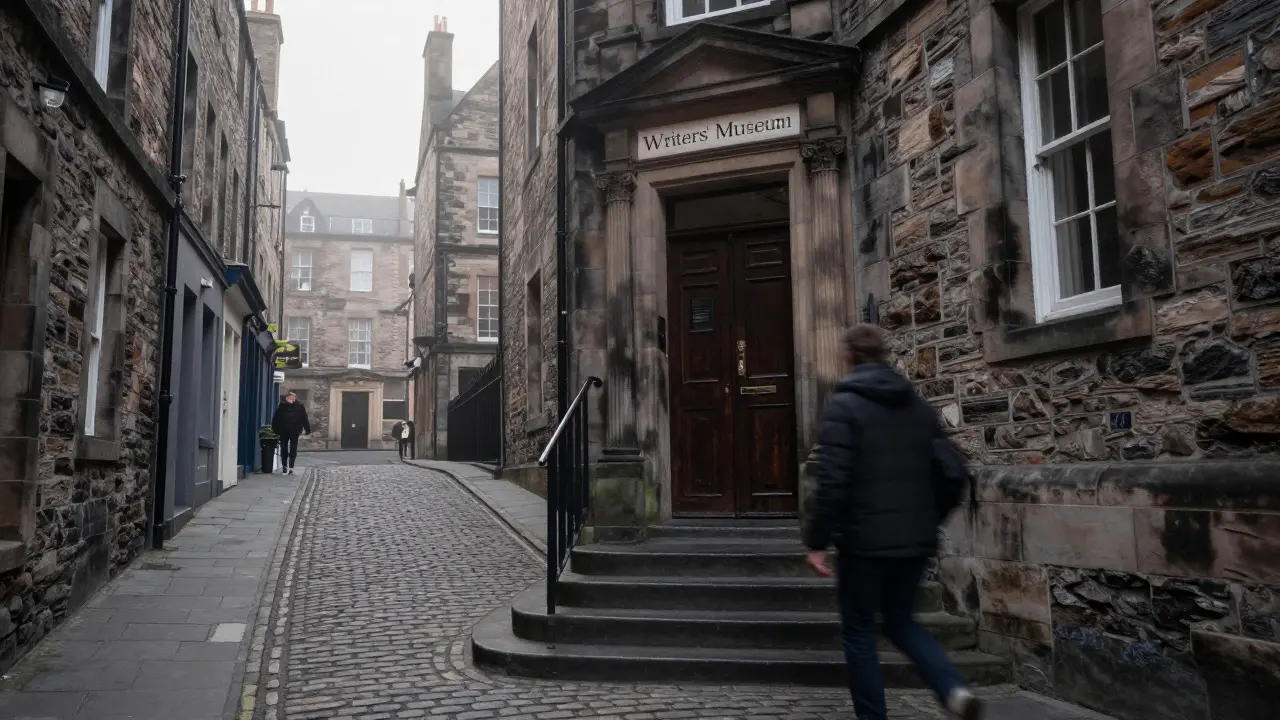
Standing on the cobbled steps of Lady Stair’s Close in Edinburgh’s Old Town, you aren’t just entering a building; you are stepping into the literary soul of Scotland. The Writers’ Museum is a museum dedicated to the lives and works of three Scottish literary giants: Robert Burns, Sir Walter Scott, and Robert Louis Stevenson. Located at 45 Lady Stair’s Close, this compact but powerful space offers an intimate look at the manuscripts, personal effects, and historical contexts that shaped these iconic figures.
If you have ever wondered why Scotland produces such a disproportionate number of world-class storytellers, or if you are planning a trip to Edinburgh and want to understand its cultural heartbeat, this museum is essential. It is not just about looking at old papers behind glass. It is about understanding how these men influenced language, national identity, and global literature. Here is everything you need to know about visiting, what to expect from each exhibit, and how to make the most of your time here.
Why These Three Writers?
You might ask why the museum focuses specifically on Robert Burns, Sir Walter Scott, and Robert Louis Stevenson. The answer lies in their collective impact. Together, they represent different eras and styles of Scottish writing, yet they all share a deep connection to Scotland’s landscape, history, and voice.
- Robert Burns (1759-1796): Known as the "National Bard" of Scotland, Burns wrote in both English and Scots dialect. His work preserved and popularized the Scots language, influencing poetry worldwide.
- Sir Walter Scott (1771-1832): A pioneer of the historical novel, Scott revived interest in Scotland’s medieval past. His novels like Ivanhoe and The Heart of Midlothian helped define the romantic image of Scotland for the rest of the world.
- Robert Louis Stevenson (1850-1894): Famous for adventure stories like Treasure Island and The Strange Case of Dr Jekyll and Mr Hyde, Stevenson brought psychological depth and global adventure to literature, appealing to both children and adults.
The museum was founded in 1925 by a group of women known as the "Ladies of the Library," who wanted to create a permanent home for these writers’ legacies. Today, it remains one of Edinburgh’s most visited cultural sites, attracting over 100,000 visitors annually.
Exploring the Robert Burns Exhibit
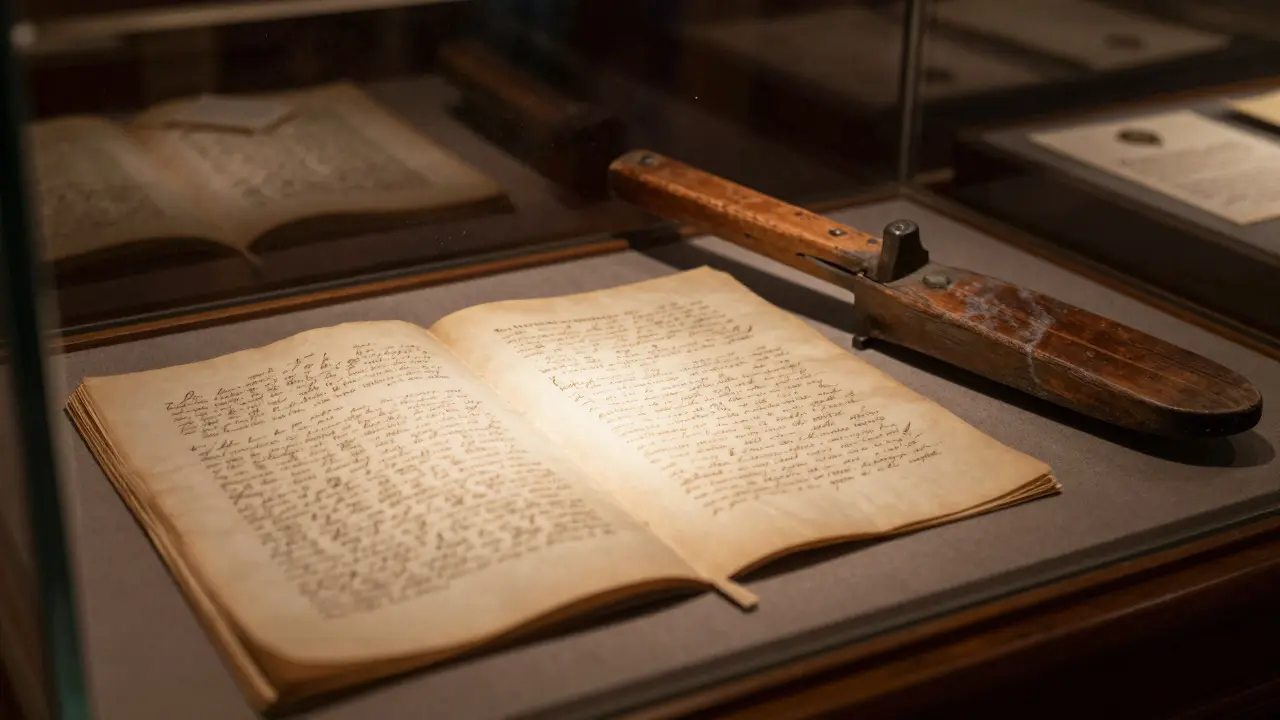
As you enter the museum, the first major section often draws visitors with its vibrant energy. The Robert Burns exhibit showcases his life from his humble beginnings in Alloway to his international fame. You will see original manuscripts of poems like Auld Lang Syne and To a Mouse. These documents are fragile, so they are displayed under controlled lighting, but the detail is still visible.
One of the highlights is the collection of letters Burns wrote to friends and lovers. These reveal a man who was deeply emotional, politically radical for his time, and fiercely proud of his Scottish heritage. There are also replicas of the plow he used as a farmer-poet, reminding us that his literary genius emerged from hard rural labor.
| Artifact Type | Description | Significance |
|---|---|---|
| Manuscripts | Original handwritten pages of poems | Show Burns’ editing process and use of Scots dialect |
| Letters | Personal correspondence with family and friends | Reveal his personality, political views, and relationships |
| Farming Tools | Replicas of plows and agricultural equipment | Connect his poetry to his working-class roots |
Visitors often spend extra time here because Burns feels accessible. He wasn’t an academic elite; he was a man of the people, and his exhibits reflect that warmth. If you are interested in linguistics, pay attention to the side-by-side comparisons of Scots and English translations provided in the display cases.
Diving into Sir Walter Scott’s World
Next, you move into the section dedicated to Sir Walter Scott. This part of the museum is grander in tone, reflecting Scott’s status as a baronet and a leading figure in European literature. The exhibits focus on his role in shaping the Gothic and historical romance genres.
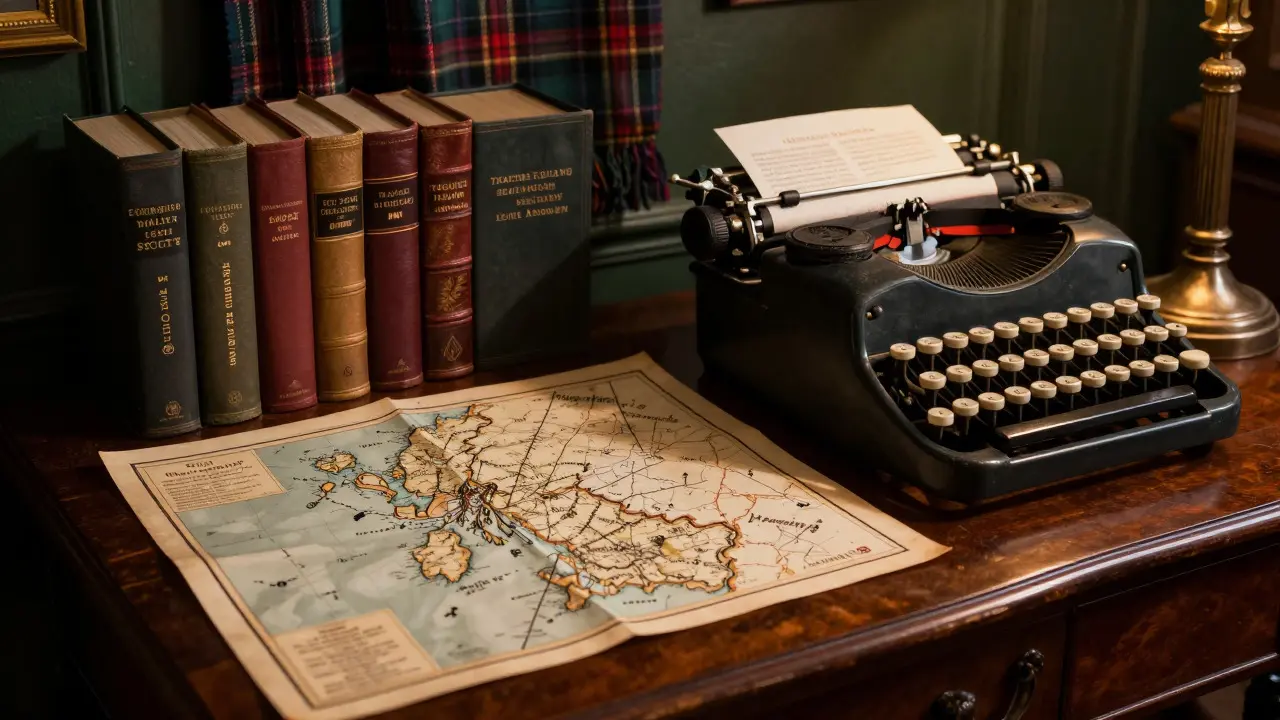
You will find first editions of his novels, many signed by Scott himself. One particularly striking item is a map of the Scottish Borders, annotated by Scott, showing locations featured in his novels. This helps you visualize how real places inspired fictional narratives. For example, Abbotsford House, his own estate, is referenced extensively, though it is located outside Edinburgh.
Scott’s influence extends beyond literature. He played a key role in reviving traditional Scottish dress, including the tartan kilt, which had largely fallen out of everyday use before his time. The museum includes examples of clothing and accessories from the period, illustrating how Scott helped construct the modern image of Highland culture.
If you enjoy history, this section offers insights into early 19th-century publishing. You can see how books were produced, bound, and distributed during Scott’s lifetime. The sheer volume of his output-over 20 novels and hundreds of poems-is staggering, and the displays do justice to his productivity.
Discovering Robert Louis Stevenson’s Adventures
The final major exhibit honors Robert Louis Stevenson, whose works continue to captivate readers today. Unlike Burns and Scott, Stevenson spent much of his adult life abroad due to health issues, traveling to America, Europe, and the South Pacific. This global perspective is reflected in the artifacts.
Highlights include drafts of Treasure Island, showing how Stevenson developed characters like Long John Silver. There are also maps and illustrations from his travels, giving context to settings in Kidnapped and The Master of Ballantrae. One fascinating piece is a replica of the typewriter he used later in life, after hand-writing became too difficult due to tuberculosis.
Stevenson’s personal items, such as walking sticks and travel journals, add a human touch. He was known for his love of exploration, even when ill, and the museum captures that restless spirit. Children especially enjoy this section, as the themes of piracy, duality, and adventure resonate strongly.
For educators, there are interactive elements designed to engage younger audiences. You might find quizzes or storytelling stations that encourage kids to imagine themselves as characters in Stevenson’s tales. This makes the museum not just a place for scholars but for families too.
Practical Tips for Visiting the Writers’ Museum
Planning your visit? Here are some practical details to ensure a smooth experience.
- Location: The museum is at 45 Lady Stair’s Close, off the Royal Mile. It is easily accessible on foot from Waverley Station or Princes Street.
- Opening Hours: Typically open Tuesday to Saturday, 10 AM to 5 PM, and Sunday, 1 PM to 5 PM. Closed Mondays and major holidays. Always check the official website before visiting, as hours may change seasonally.
- Admission: Entry costs around £6 for adults, with discounts for students, seniors, and children. Family tickets are available. Membership options exist for frequent visitors.
- Accessibility: The building has limited accessibility due to its historic nature. There are steep stairs and narrow doorways. Wheelchair users should contact the museum in advance to discuss arrangements.
- Audio Guides: Available for rent, these provide detailed commentary on each exhibit. They enhance the experience significantly, especially if you are unfamiliar with the writers’ backgrounds.
Pro tip: Visit early in the morning or late afternoon to avoid crowds. The museum is small, so large groups can make navigation difficult. Also, consider combining your visit with nearby attractions like the National Museum of Scotland or St Giles’ Cathedral, which are within walking distance.
Beyond the Main Exhibits: Special Events and Collections
The Writers’ Museum isn’t static. It regularly hosts special exhibitions, lectures, and readings related to Scottish literature. Throughout the year, you might encounter temporary displays focusing on lesser-known writers, contemporary poets, or thematic topics like “Women in Scottish Literature.”
During Burns Night (January 25) and other literary festivals, the museum organizes events featuring live performances, recitals, and discussions. These are great opportunities to engage with experts and fellow enthusiasts. Keep an eye on their social media channels for announcements.
The museum also maintains a research library, accessible by appointment. Scholars and serious readers can explore rare books, archives, and unpublished materials. While not open to casual visitors, this resource underscores the institution’s commitment to preserving literary heritage.
How the Writers’ Museum Fits Into Edinburgh’s Cultural Landscape
Edinburgh is often called the "City of Literature," a title recognized by UNESCO. The Writers’ Museum plays a central role in this identity. Alongside institutions like the Scottish National Gallery and the People’s Story Museum, it forms a network of cultural spaces that celebrate creativity and history.
Unlike larger museums, the Writers’ Museum offers intimacy. You are never far from the objects, and the guides are passionate and knowledgeable. This personal touch makes it memorable. Whether you are a lifelong fan of classic literature or simply curious about Scotland’s cultural roots, the museum provides a rich, engaging experience.
Moreover, the museum supports educational programs for schools across Scotland. Students visit to learn about primary sources, historical context, and the creative process. These initiatives help sustain interest in literature among younger generations.
Final Thoughts on Your Visit
Walking away from the Writers’ Museum, you carry more than memories of old manuscripts. You gain a deeper appreciation for how words shape nations. Burns gave voice to the common person, Scott revived a nation’s history, and Stevenson took adventures to the edges of the earth. Their stories, preserved here, remind us that literature is alive, evolving, and deeply connected to place and people.
If you are in Edinburgh, don’t skip this stop. It is affordable, insightful, and uniquely Scottish. Take your time, read the labels, listen to the audio guide, and let the power of these words sink in. You might just leave inspired to pick up a book-or write your own.
Is the Writers’ Museum worth visiting if I’m not a big reader?
Yes, absolutely. Even if you don’t read much, the museum offers fascinating insights into Scottish history, culture, and identity. The exhibits are visually engaging, and the stories behind the writers are compelling regardless of your literary background. Plus, it’s a great way to connect with Edinburgh’s unique atmosphere.
Can I take photos inside the Writers’ Museum?
Photography is generally allowed without flash, but tripods and selfie sticks are prohibited. Some special exhibits may restrict photography, so always check signage or ask staff. Flash can damage sensitive manuscripts, so please respect those rules.
Are there any guided tours available?
Yes, the museum offers guided tours on select days, usually led by volunteers or historians. These tours provide deeper context and anecdotes not covered in the standard displays. Check the museum’s website for schedules and booking information.
What is the best time of year to visit?
Spring (April-June) and autumn (September-October) offer pleasant weather and fewer crowds compared to summer. Winter visits coincide with Burns Night celebrations, which add a festive touch. Avoid peak holiday periods if you prefer a quieter experience.
Does the museum have a gift shop?
Yes, there is a small gift shop selling books, postcards, souvenirs, and educational materials related to the three writers. It’s a nice place to pick up mementos or gifts for literature lovers.
Is the Writers’ Museum suitable for children?
Yes, especially for older children (ages 8+). The Stevenson section appeals to young adventurers, and interactive elements keep kids engaged. However, very young children may find the quiet environment challenging. Plan accordingly and consider shorter visits.
How long should I plan to spend at the museum?
Most visitors spend 45 minutes to 1.5 hours. If you’re deeply interested in literature or using the audio guide, you might stay longer. Rushing through reduces the experience, so allow enough time to absorb the exhibits.
Are there any nearby restaurants or cafes?
Yes, the Royal Mile area has numerous cafes, pubs, and restaurants within walking distance. Popular spots include The Elephant House (famous for Harry Potter connections) and various traditional Scottish eateries. Grab a coffee before or after your visit to extend your enjoyment of the neighborhood.