
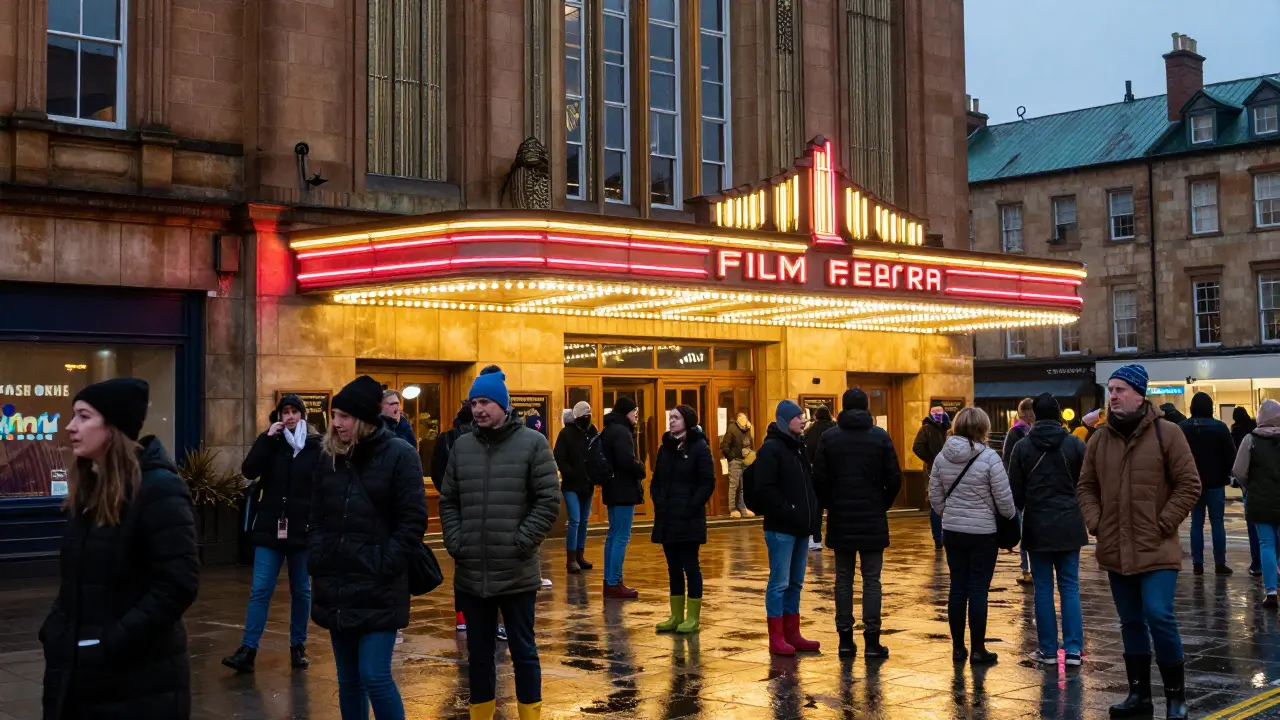
Forget the red carpets of Cannes or Venice for a second. If you want to experience cinema where the atmosphere is as thick as a Highland mist, Scotland is the place to be. Whether it's the gritty, urban energy of Glasgow or the gothic elegance of Edinburgh, the country turns into a massive open-air cinema every year. But it's not just about the big cities; the remote glens and islands are starting to host their own niche screenings that prove you don't need a metropolis to have a movie moment.
Quick Guide to Scottish Cinema Events
- Glasgow Film Festival: Best for discovery, indie gems, and a high-energy crowd.
- Edinburgh International Film Festival: The prestige pick, focusing on world cinema and artistic innovation.
- Highland Screenings: Perfect for those who love landscape-driven stories and community-led events.
The Urban Pulse: Glasgow Film Festival
If you're looking for a festival that feels like a party, Glasgow Film Festival is one of the largest free film festivals in Europe, known for its eclectic mix of world cinema and bold independent features. Based primarily at the GFF venues, it avoids the stuffiness often found at high-brow events. You'll find a mix of global premieres and weird, wonderful shorts that you won't see at your local multiplex.
What makes Glasgow special is the Scotland film festivals vibe-it's inclusive. You can walk into a screening at the Glasgow Film Theatre, a stunning Art Deco building, and find yourself sitting next to a student and a retired dockworker, both equally obsessed with a Korean thriller. The festival often focuses on social realism and political cinema, reflecting the city's own working-class roots. If you visit in February, expect the city to be buzzing, with pop-up discussions in cafes and late-night drinks where filmmakers actually mingle with the audience.
Prestige and Art: Edinburgh International Film Festival
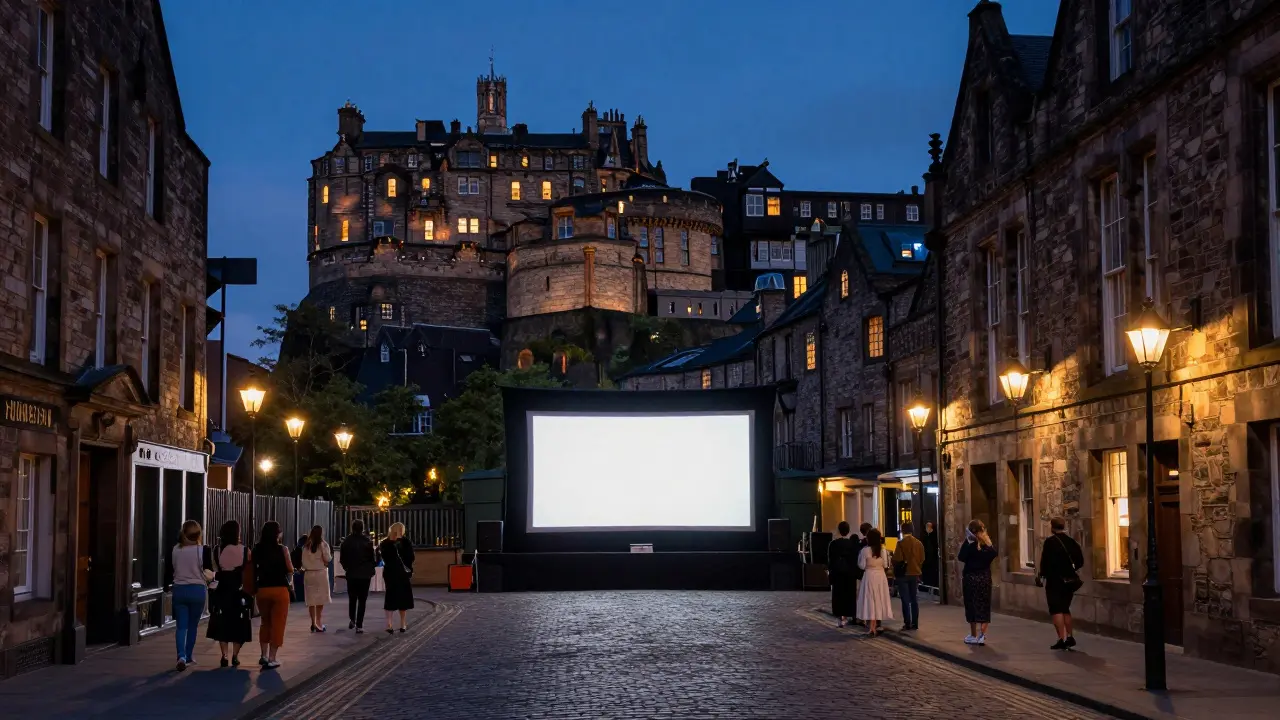
Switching gears to the capital, the Edinburgh International Film Festival (EIFF) is the oldest continually running film festival in the world, blending a legacy of prestige with a focus on the future of cinema. While Glasgow is about the energy, Edinburgh is about the art. The festival often leverages the city's dramatic backdrop-think cobblestone streets and towering castles-to create an atmosphere of timelessness.
The EIFF is where you'll find the most "challenging" films. We're talking about avant-garde experiments and deep dives into cinematic theory. However, it's not all high-concept. The festival does a great job of highlighting Scottish talent, giving local directors a platform to showcase films that often go on to win awards at Sundance or Toronto. A great tip for visitors: keep an eye on the "Festival Highlights" program. It curates the absolute must-sees so you don't spend three hours staring at a program of 200 films wondering where to start.
| Feature | Glasgow Film Festival | Edinburgh International Film Festival |
|---|---|---|
| Vibe | Informal, Energetic, Gritty | Sophisticated, Artistic, Historic |
| Primary Focus | Indie & World Cinema | Experimental & Global Prestige |
| Key Venue | Glasgow Film Theatre | Various historic city venues |
| Best For | Movie discovery | Cinematic networking & art |
The Wild Side: Cinema in the Highlands
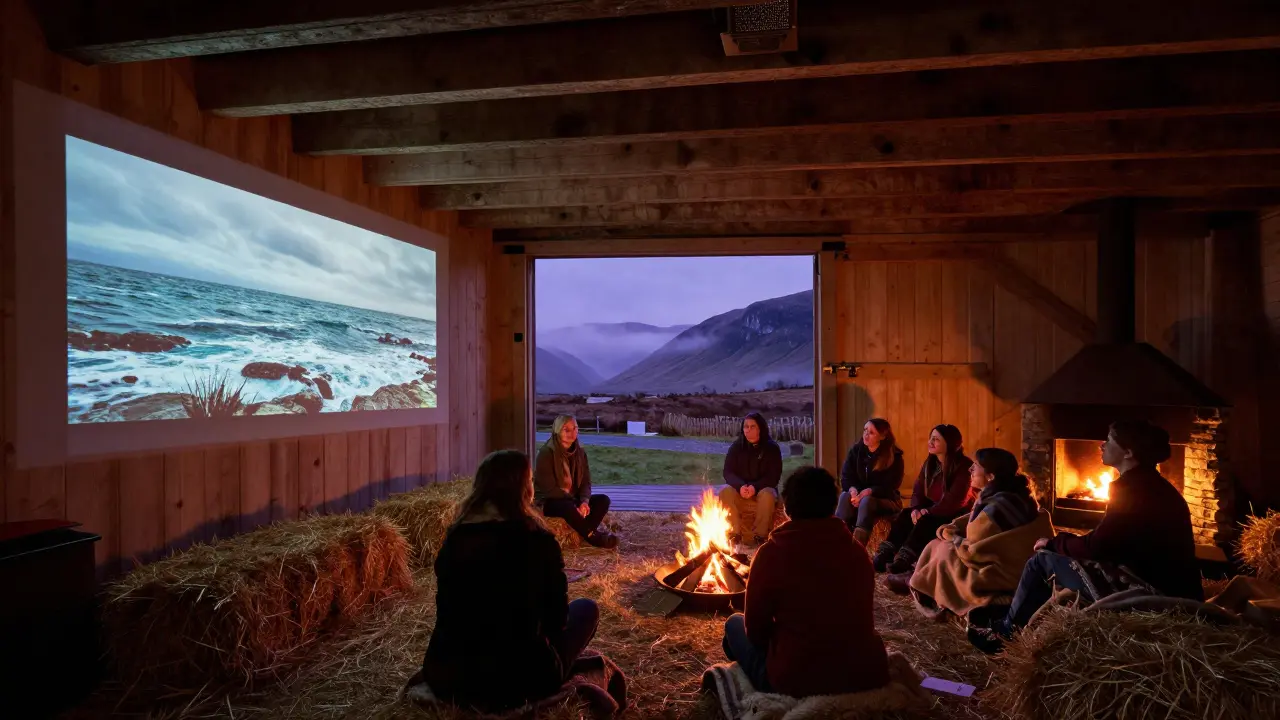
Moving north, the experience changes completely. You won't find massive convention centers here. Instead, you'll find Highland cinema events which are often community-led screenings and boutique festivals that focus on the intersection of landscape and storytelling. In places like the Isle of Skye or the Cairngorms, film festivals are less about the red carpet and more about the campfire.
These events often focus on "environmental cinema"-films that deal with nature, climate change, and the isolation of rural life. Imagine watching a documentary about the North Sea while sitting in a converted barn with a view of the actual mountains featured in the film. It's an immersive experience that city festivals can't touch. There is also a growing trend of "film tourism" events where local guides take you to specific locations used in movies like Braveheart or Skyfall, ending the day with a curated screening of the film in a local village hall.
Practical Tips for Festival Goers
If you're planning your first trip, remember that Scottish weather is a character in its own right. If you're attending the Glasgow festival in February, bring a heavy coat and waterproof boots. You'll be doing a lot of walking between venues, and the wind tunnels between city buildings are no joke. For the Highlands, rent a car. Public transport is great for the cities, but to get to the hidden gems of the north, you'll need your own wheels.
Ticketing can be a nightmare for the big premieres. My advice? Don't obsess over the "Big Name" movie. Some of the best experiences happen in the smaller rooms with directors from countries you've never visited. These screenings often lead to the most interesting Q&A sessions where you can ask real questions about the creative process without a crowd of a thousand people pushing in.
Beyond the Screen: Film Locations in Scotland
The festivals are great, but the real magic is seeing where the movies actually happen. Scotland is a massive film location powerhouse. From the streets of Glasgow doubling as New York City in World War Z to the mystical vistas of Glen Coe, the geography is an asset. Many festival-goers spend their off-hours visiting these spots. If you're in Edinburgh, a walk through the Old Town feels like being on a movie set regardless of whether a camera is rolling.
The connection between the festivals and the locations is strong. Many Highland events now specifically highlight "Screen Tourism," showing how the film industry supports local economies. It's a cycle: the landscape inspires the film, the film brings the tourists, and the festivals celebrate the art. It's a win-win for the locals and the cinephiles.
When is the best time to visit Scotland for film festivals?
February is prime time for Glasgow, while the Edinburgh International Film Festival typically takes place in the summer months, often aligning with the city's broader festival season. For Highland events, check local community boards in late spring and autumn, as these are often tied to seasonal tourism peaks.
Are the film festivals expensive to attend?
It varies. The Glasgow Film Festival is famous for offering many free or low-cost screenings. Edinburgh's EIFF can be more expensive due to its prestige, but they often have student discounts and bundle packages that make it more accessible.
Do I need to speak a different language to enjoy the world cinema sections?
No. Almost all international films screened at these festivals include high-quality English subtitles. In fact, the "World Cinema" sections are where you'll find the most diverse storytelling, often with the most passionate audiences.
How do I find smaller, independent film events in the Highlands?
Small-scale events aren't always on big ticketing websites. Your best bet is to follow local community hubs on social media or visit the tourist information centers in towns like Inverness, Fort William, or Portree. Word-of-mouth is still the primary way these events are promoted.
Can I meet filmmakers at these festivals?
Absolutely. Especially in Glasgow and the Highlands, the barrier between the screen and the spectator is very thin. Q&A sessions after screenings are the best way to engage, and the local pubs surrounding the venues are often filled with industry professionals and artists.
What's Next?
Once you've soaked up the cinema culture, why not explore the actual geography? If you loved the moody atmospheres of the films you saw, head to the Isle of Skye to see the landscapes that inspire so many directors. Or, if you're in the cities, visit the local galleries-many of the visual styles seen in Scottish indie films are heavily influenced by the contemporary art scene in the West End of Glasgow.
Comments (8)
-
Anand Pandit April 9, 2026
This is a wonderful breakdown of the Scottish film scene! For anyone planning a trip to the Highlands, I'd highly suggest looking into the smaller community-led cinema hubs in the Outer Hebrides too. They often have the most heartfelt local stories that don't make it to the bigger city festivals. Just a friendly tip: always double-check the local venue's heating situation because those village halls can be quite chilly in the autumn!

-
rahul shrimali April 10, 2026
Glasgow sounds lit let's go

-
Reshma Jose April 10, 2026
Spot on about the Glasgow Film Theatre. That building is an absolute icon and the energy during the February rush is unmatched. I'd actually argue that the indie scene there is way more influential than the prestige stuff in Edinburgh because it actually reflects the streets. If you're going, just ignore the big premieres and dive straight into the weird shorts like the post says

-
Bhavishya Kumar April 12, 2026
The phrasing in the Highland section is somewhat imprecise though the sentiment remains valid. It is regrettable that many of these descriptions lack rigorous grammatical structure yet the utility of the guide is undeniable. One must ensure that the distinction between a professional festival and a community screening is maintained for the sake of clarity

-
ujjwal fouzdar April 14, 2026
Cinema is but a mirror held up to the void of our own existence. To seek the 'grit' of Glasgow or the 'elegance' of Edinburgh is to seek the fragmented pieces of a soul lost in the mist of the Highlands. We wander through these festivals not for the films, but to feel the cold wind of reality brushing against our curated expectations. Is a film truly a film if it is not witnessed by a lonely heart in a converted barn? The tragedy of the red carpet is that it hides the dirt of the earth from which all art grows. We are all just extras in a movie directed by a blind god, hoping for a standing ovation in a theatre of silence. Truly, the Highland screenings are the only place where the silence speaks louder than the dialogue. It is a poetic dance of isolation and connection that defies the logic of the city. We are merely ghosts chasing a projector beam in the dark

-
Bharat Patel April 16, 2026
I love how this emphasizes the connection between the land and the story. There's something really grounding about seeing a film in the same environment that inspired it. It makes you realize that cinema isn't just about the screen, but about the space we occupy while we watch.

-
Eka Prabha April 16, 2026
The narrative here is suspiciously sanitized. One must question the systemic hegemony of the 'prestige' labels assigned to the EIFF, which likely serves as a facade for corporate curation and algorithmic bias in film selection. It is a classic case of institutional gatekeeping masquerading as artistic innovation. The so-called 'film tourism' is merely a neoliberal extraction of cultural capital from rural landscapes to feed the appetite of urban transients. I find the lack of critical discourse regarding the socio-economic impact of these festivals on the local Highland proletariat to be quite telling. The cinematic apparatus is being used here to commodify the mist itself. It's a curated illusion designed to distract from the crumbling infrastructure of the glens. Absolute propaganda for the tourism board

-
Bhagyashri Zokarkar April 17, 2026
omg i wish i could go but my life is just such a mess right now and i feel like i cant even breathe let alone travel to scotland and i just want to hide under my blanket and watch movies until i forget that i exist and why does everyone get to have these amazing experiences while i just sit here in my room feeling like a ghost in my own skin and i bet the weather there is so moody just like my soul and i probably wouldnt even like the festivals because i would just start crying during a happy movie and make everyone uncomfortable lol
