
Whisky Distilling Heritage in Fife: History, Distilleries, and Tasting Traditions
When you think of whisky distilling heritage, the centuries-old craft of turning grain and water into Scotland’s iconic spirit. Also known as Scotch whisky tradition, it’s not just about alcohol—it’s about land, labor, and local identity. Fife, often overlooked in favor of Islay or Speyside, holds some of the oldest and most authentic roots of this craft, with distilleries that have shaped how whisky is made, aged, and enjoyed.
This heritage isn’t locked in museums. It’s alive in the salt-kissed air of coastal villages like Anstruther, where barley was once dried over peat fires, and in the quiet valleys where water from natural springs still feeds the stills. The Fife fishing villages, historic coastal communities that once traded salted herring for grain and spirits. Also known as Fife’s coastal settlements, they were the backbone of early whisky distribution, smuggling barrels along the North Sea routes to avoid taxes. You’ll find traces of this in the smoky, briny notes of whiskies made here—flavors shaped by wind, sea spray, and generations of trial and error. Then there’s the whisky tasting, the ritual of sipping, smelling, and understanding what makes each dram unique. Also known as spirit appreciation, it’s how locals and visitors connect with the soul of the drink—whether in a tiny distillery tasting room or a family kitchen with a single malt passed down through generations.
Fife’s distilling story isn’t just about big names like Talisker (which, while on Skye, shares the same regional DNA). It’s about the quiet, often forgotten stills that still operate today, using methods unchanged since the 1800s. The grain comes from local farms. The water flows from glens that haven’t been touched by industry. The people who run these places? Many are third- or fourth-generation distillers who still check the spirit cut by hand, not by machine. This isn’t marketing. It’s survival. And it’s why Fife’s whisky heritage feels so real—because it’s still being lived, not just remembered.
What you’ll find in the posts below isn’t just a list of distilleries. It’s a collection of real stories: how to taste whisky with chocolate that matches its peat smoke, how to visit hidden micro-distilleries that don’t advertise, and why some of the best bottles come from places you’ve never heard of. You’ll learn how weather, soil, and even the type of oak used for casks change the flavor—and how to spot a true Fife whisky from the first sip. This isn’t about drinking. It’s about understanding where your dram came from—and who made it possible.
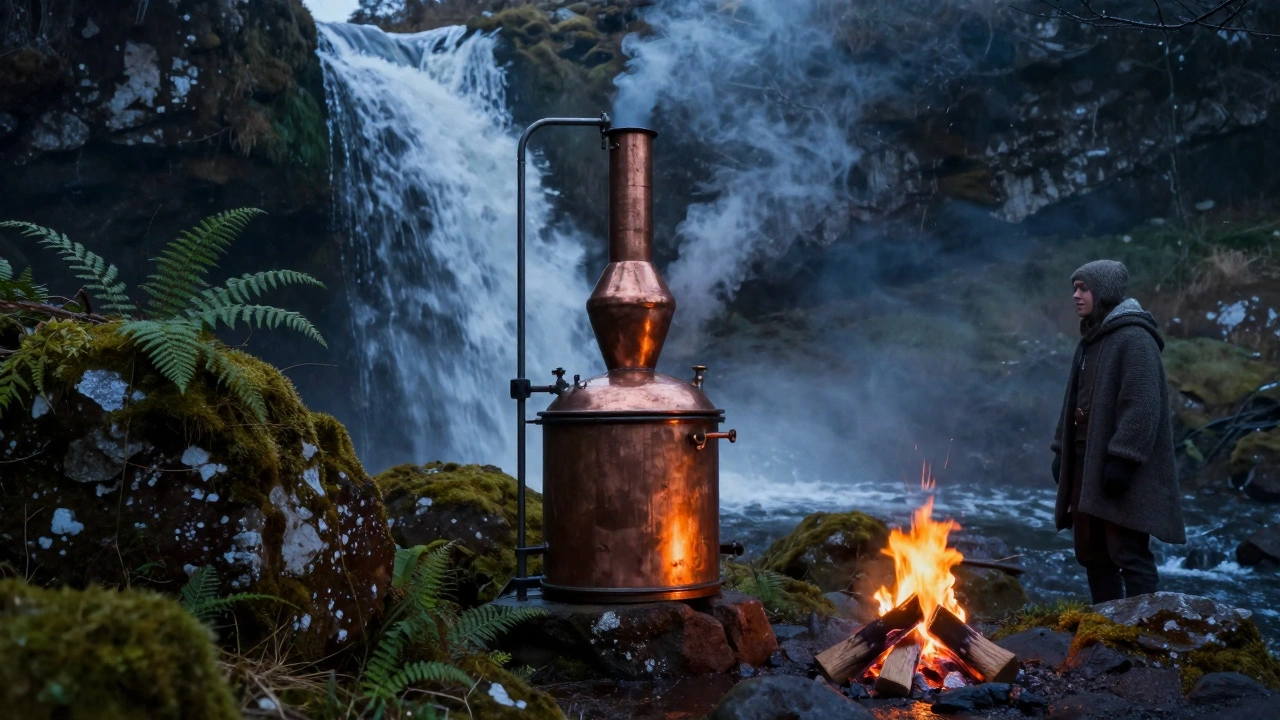
Whisky History in Scotland: Illicit Stills, Taxes, and Traditions
Caleb Drummond Dec 8 11Discover the hidden history of Scottish whisky-how illicit stills, harsh taxes, and stubborn traditions shaped the world’s most beloved spirit. A story of survival, not just spirit.
More Detail