
Two days in Glasgow might sound short, but this city packs more character than most places do in a week. It’s not just about the museums or the music-it’s about the rhythm of the streets, the smell of fresh seafood in the Barras, the way locals laugh over a pint in a hidden pub. If you’re wondering how to make the most of 48 hours here, this guide cuts the fluff and shows you exactly where to go, what to eat, and which corners of the city stay with you long after you leave.
Day One: The Heartbeat of the City
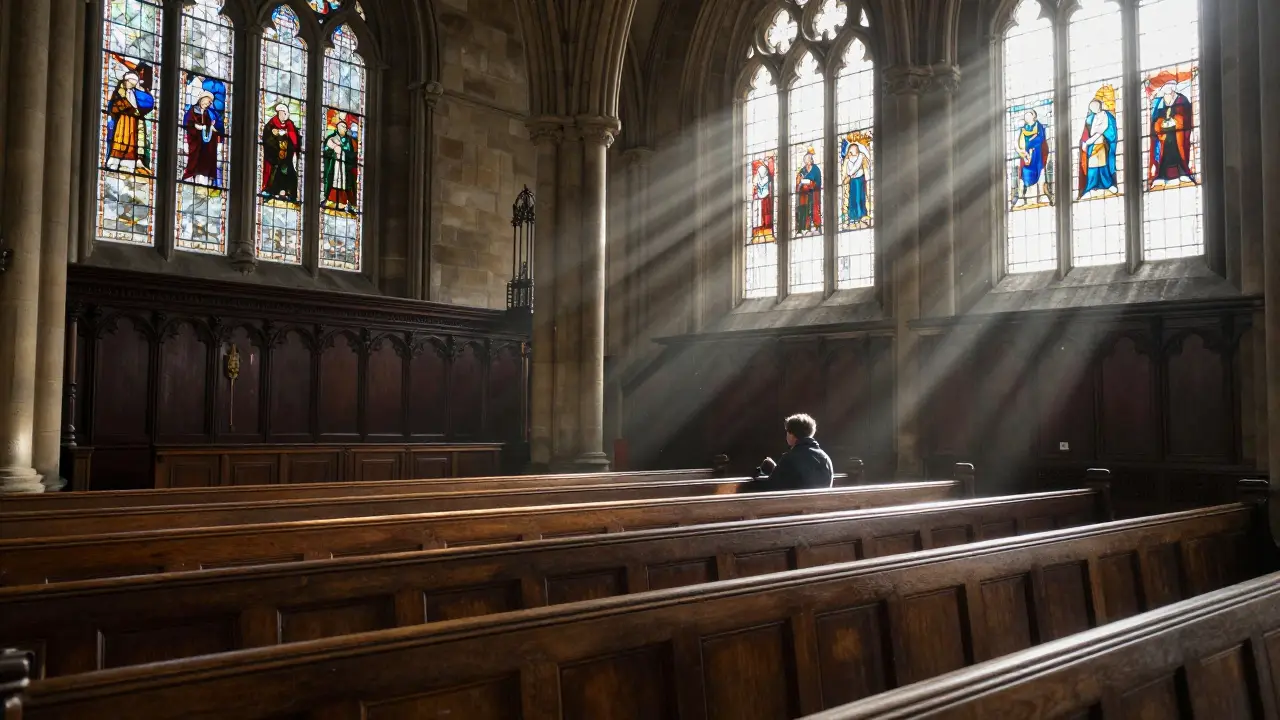
Start your morning at Glasgow Cathedral, a 12th-century stone masterpiece that still feels alive with quiet prayers and echoing footsteps. Skip the audio tour-just sit on a wooden bench near the choir stalls and let the silence settle in. It’s one of the few places in the city where time slows down. From there, walk 10 minutes to the People’s Palace and its Winter Gardens. The museum’s exhibits on working-class life in Glasgow are raw, honest, and surprisingly moving. You’ll see photos of miners, factory workers, and street vendors who built this city. The glass-domed gardens? A burst of green in the middle of the urban grind. Perfect for a coffee and a moment of calm.
By noon, head to the Merchant City. This is where Glasgow’s old trading wealth turned into art, coffee, and craft beer. Wander down Ingram Street and duck into Oran Mor-a converted church turned pub and performance space. Grab a plate of haggis, neeps, and tatties here. Don’t overthink it. The version at Oran Mor is rich, peppery, and served with a side of real Scottish pride. Pair it with a local ale like BrewDog’s Dead Pony Club. You’re not just eating-you’re tasting history.
After lunch, walk to the Kelvingrove Art Gallery and Museum. It’s free. Yes, really. The building alone is a marvel-red sandstone, arched windows, a grand staircase. Inside, you’ll find everything from a Spitfire hanging from the ceiling to Rembrandt’s Portrait of a Man. But the real gem? The reconstructed skull of a dinosaur from the 1800s, displayed like a trophy from a forgotten age. It’s weird. It’s wonderful. And it’s exactly why Glasgow doesn’t care about being polished.
As evening falls, make your way to the Glasgow School of Art. Even if you can’t go inside (it’s still under restoration after the fires), walk around the building. Charles Rennie Mackintosh’s design-clean lines, hidden symbols, delicate ironwork-still feels revolutionary. Take a photo from the corner of Renfrew Street. That’s the postcard shot everyone wants.
Day Two: Food, Music, and the Real Glasgow
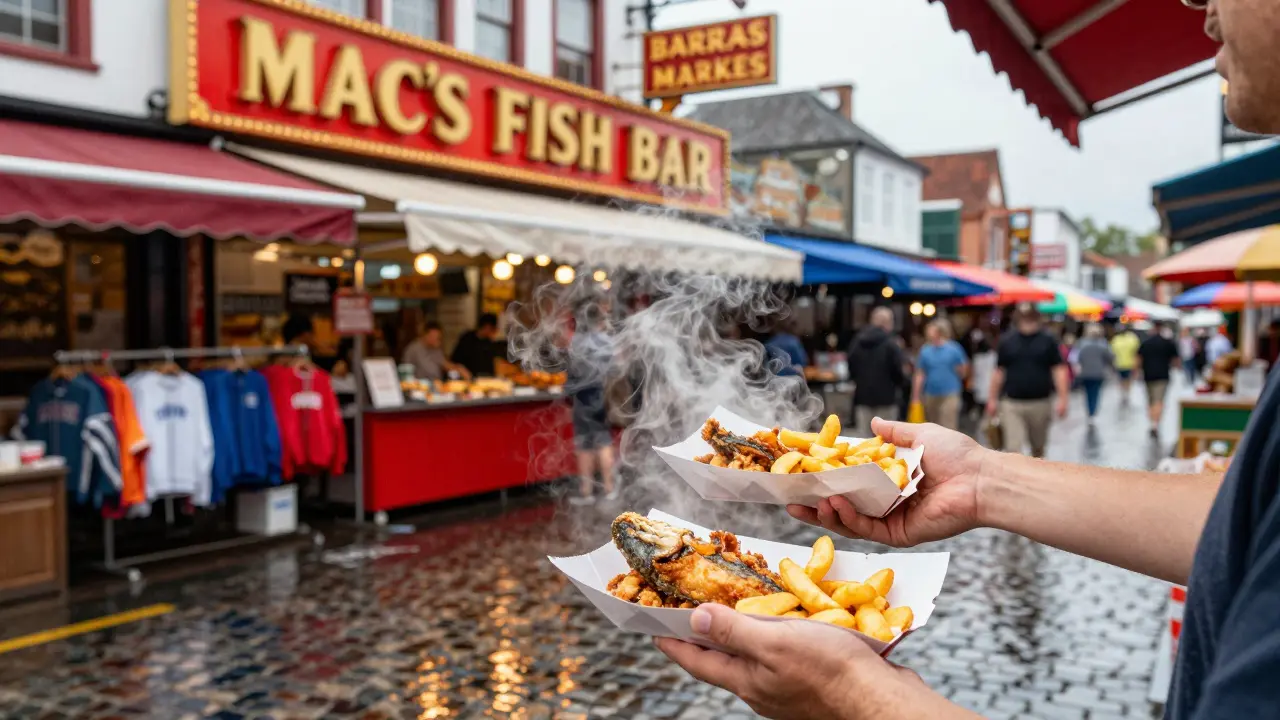
Day two starts at the Barras Market-not the tourist version, but the real one. Open on weekends, this is where locals sell vintage clothes, handmade jewelry, and jars of pickled herring. You’ll find a stall called Mac’s Fish Bar serving up the crispiest fish and chips in the city. The batter is light, the cod is fresh from the Clyde, and the salt is just right. Eat it standing up by the counter. No fork. No napkin. Just pure Glasgow.
Next, head to the Gorbals. Once known for its rough edges, this neighborhood has transformed. The Glasgow Science Centre is here, but skip the exhibits. Instead, walk along the riverbank toward the Pollokshaws Bridge. The view of the city skyline from here-with the SSE Hydro and the SSE Arena in the background-is one of the most underrated in Scotland. Bring a thermos of tea. Sit. Watch the river move.
By 3 p.m., you’re ready for music. Head to the King’s Theatre or The Arches-both venues that hosted early gigs from bands like Franz Ferdinand and Belle and Sebastian. If you’re lucky, you’ll catch an open mic night. Local poets, jazz trios, and teenage guitarists with broken strings. It’s raw. It’s real. And it’s the soul of Glasgow.
For dinner, go to Whisky and Haggis on Bath Street. It’s small. It’s loud. The menu has 12 kinds of haggis, from traditional to vegan. Try the black pudding haggis with a side of pickled red cabbage. Ask for the whisky flight: three small pours of single malts, from a smoky Islay to a sweet Speyside. The bartender will tell you which one his granddad drank. That’s the kind of story you don’t get in guidebooks.
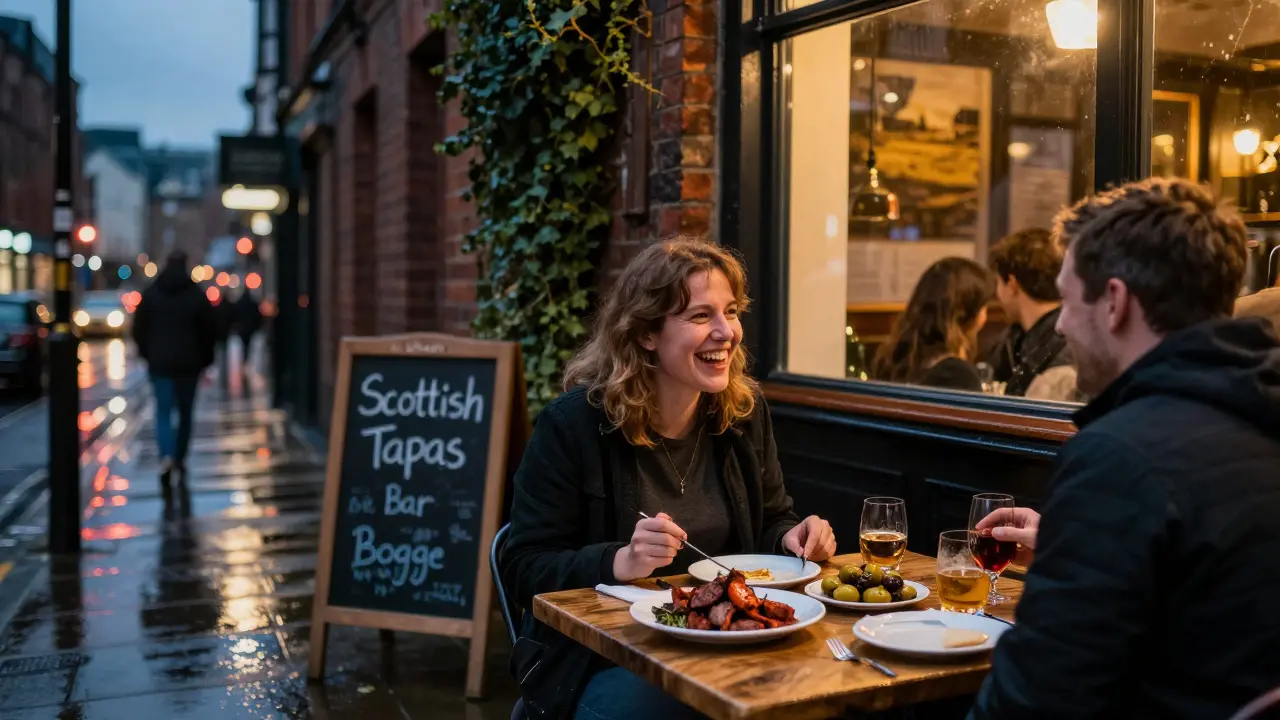
End the night at Finnieston. This neighborhood is where Glasgow’s food scene exploded. The streets are lined with tiny restaurants, each with a different vibe. Try Bar Bodega for Spanish tapas with a Scottish twist-think venison chorizo and whisky-glazed olives. Or walk to Pollokshields and grab a slice of pizza from 100% Napoli. It’s the only place in the city that uses imported San Marzano tomatoes and wood-fired ovens. The owner is from Naples. He moved here in 2015. He says Glasgow’s the only place he’s ever felt at home.
What to Skip
You won’t need the Glasgow Tower. The Burrell Collection is amazing, but it’s better for a rainy day. The Royal Concert Hall? Only if you’re catching a show. Stick to the places where locals go. The best parts of Glasgow aren’t on the official map. They’re in the alley behind the bakery, the busker singing in the subway, the old man at the fish counter who remembers your name after you’ve been twice.
Where to Stay
Stay in the West End. It’s quiet, safe, and full of independent hotels. The Lorne has a courtyard garden and breakfast with homemade scones. Hotel du Vin is sleek, with a wine list that includes Scottish vintages. Both are within walking distance of the Botanic Gardens and the University of Glasgow. Skip the city center hotels-they’re pricier, noisier, and less authentic.
What to Bring
Comfortable shoes. Glasgow is a walking city. A light raincoat. It rains here more than you think. A reusable cup. Many cafes give discounts if you bring your own. And a notebook. You’ll want to write down the names of the pubs, the chefs, the buskers. Because this city doesn’t just give you memories-it gives you stories.
Is two days enough to see Glasgow?
Yes-if you focus on the right places. Two days lets you dive deep into the culture, food, and neighborhoods that define Glasgow, rather than rushing through tourist traps. You won’t see everything, but you’ll feel the pulse of the city. Most locals agree: a long weekend is the sweet spot.
What’s the best time of year to visit Glasgow?
Late spring (May to June) and early autumn (September) are ideal. The weather is mild, the parks are green, and festivals like the Glasgow International Comedy Festival or the Celtic Connections music event are in full swing. Winter is cold and wet, but the city lights up with Christmas markets and cozy pubs. Summer is busy, but you’ll need to book ahead.
Can I get around Glasgow without a car?
Absolutely. The city center is walkable. The subway, nicknamed the Clockwork Orange, connects key areas like the West End, Merchant City, and the SECC. Buses are frequent and cheap. You can also rent a bike through the Nextbike system. Most of the places in this itinerary are within 15 minutes of each other by foot or public transport.
Is Glasgow safe for tourists?
Yes, especially in the main tourist areas. Like any city, avoid poorly lit alleys late at night, but neighborhoods like the West End, Merchant City, and Finnieston are very safe. Locals are friendly and will often point you in the right direction. The biggest risk? Getting distracted by the music, the food, or a pub invitation.
What’s one thing most visitors miss in Glasgow?
The quiet moments. The empty benches in the Botanic Gardens at sunrise. The sound of rain on the glass roof of the People’s Palace. The old man at the fish market who says, "You’ll be back." Glasgow doesn’t shout. It whispers. And if you’re not listening, you’ll miss the best parts.
Comments (9)
-
Paul Timms February 23, 2026
Glasgow Cathedral at dawn is sacred. No audio tour needed. Just sit. Let the stones speak. The silence there is thicker than any guidebook.

-
Nathaniel Petrovick February 23, 2026
Oran Mor’s haggis is the real deal. I went last year and ate it with my hands. No fork. No shame. That’s Glasgow. Also, BrewDog’s Dead Pony Club? Perfect. You’re welcome.

-
Destiny Brumbaugh February 24, 2026
Why are yall so obsessed with haggis? Its just offal wrapped in a stomach. We got better food in Texas. Also why no mention of McDonalds? Thats real culture.

-
Sally McElroy February 24, 2026
It’s deeply irresponsible to romanticize Glasgow’s working-class history while ignoring its systemic poverty. The People’s Palace is a museum of exploitation disguised as nostalgia. And the idea that fish and chips at Barras is 'pure Glasgow' ignores the fact that most locals can’t afford to eat there more than once a month. This guide is performative.

-
Jason Townsend February 26, 2026
Did you know the Glasgow School of Art fire wasn’t an accident? The fire department was called 27 minutes late. Why? Because the city was underfunded on purpose. The same people who run the museums also run the banks that evicted families from the West End. This whole guide is a cover-up.

-
Jeroen Post February 28, 2026
There’s no such thing as a quiet moment in Glasgow. The city is a living algorithm. Every bench, every pub, every fish stall is a node in a neural network built by 19th-century industrialists and maintained by AI-driven tourism algorithms. You think you’re listening to whispers? You’re being scanned.

-
Elmer Burgos March 1, 2026
I love how you mentioned the guy at the fish counter who remembers your name. That’s the heart of it. I went to Glasgow last winter and that’s exactly what happened. I didn’t even order, he just handed me a bag and said 'you’ll be back.' I was back three days later. No hype. Just humanity.

-
Kirk Doherty March 3, 2026
Whisky and Haggis on Bath Street is legit. Had the black pudding version with a 12-year Glenlivet. The bartender’s granddad? Yeah, he drank that one too. Glasgow doesn’t need to be polished. It just needs to be felt.

-
Paul Timms March 4, 2026
That’s the thing. It’s not about the places. It’s about the people who live there. The ones who remember your name. The ones who don’t care if you’re a tourist. They just serve you the food, and the silence, and the truth. That’s why you come back.