
Scottish Whisky Traditions
When you think of Scottish whisky traditions, the centuries-old craft of making Scotch whisky in Scotland, rooted in local barley, peat, and water. Also known as Scotch whisky, it's not just a drink—it's a cultural practice passed down through generations, shaped by climate, geography, and community. Every bottle tells a story of place: the salty air of Islay, the quiet valleys of Speyside, the rugged hills of the Highlands. These aren’t just regions—they’re flavor profiles carved by nature and time.
The heart of these traditions lies in whisky distilleries, the physical spaces where grain becomes spirit, using copper pot stills, traditional fermentation, and strict legal standards. Places like Talisker on Skye or Glenfiddich in Dufftown don’t just produce whisky—they preserve methods unchanged for over 150 years. You won’t find automated bottling lines here. Instead, you’ll see hands-on work: coopers repairing casks, distillers tasting spirit straight from the still, and warehouse workers turning barrels by hand to ensure even aging. The whisky aging, the process of maturing spirit in oak casks for years, often in former sherry or bourbon barrels. is what turns raw new make into something complex, smooth, and deeply layered. No two casks age the same—humidity, temperature, and even the wood’s origin change the outcome.
Then there’s whisky tasting, the ritual of smelling, sipping, and savoring whisky to understand its character, not just its strength. It’s not about chasing high ABV or flashy labels. It’s about noticing the smoke from Islay peat, the honeyed sweetness from Speyside, the briny tang from coastal distilleries. People don’t just drink whisky here—they talk about it, share it, and connect over it. You’ll find this in small towns where the local pub has a shelf of single casks, or at festivals where strangers swap notes on a dram they just tried.
These traditions aren’t frozen in time. They’re alive—being revived by micro-distilleries using heritage barley, or by families reopening old stills. But the core hasn’t changed: patience, respect for ingredients, and a deep bond with the land. Whether you’re holding a glass in a castle cellar or standing by a loch watching the mist rise, you’re part of something older than most modern industries.
Below, you’ll find real guides on where to taste, which distilleries to visit, how whisky pairs with chocolate, and how to navigate the islands where these traditions still breathe. No fluff. Just practical, honest insights from people who live it.
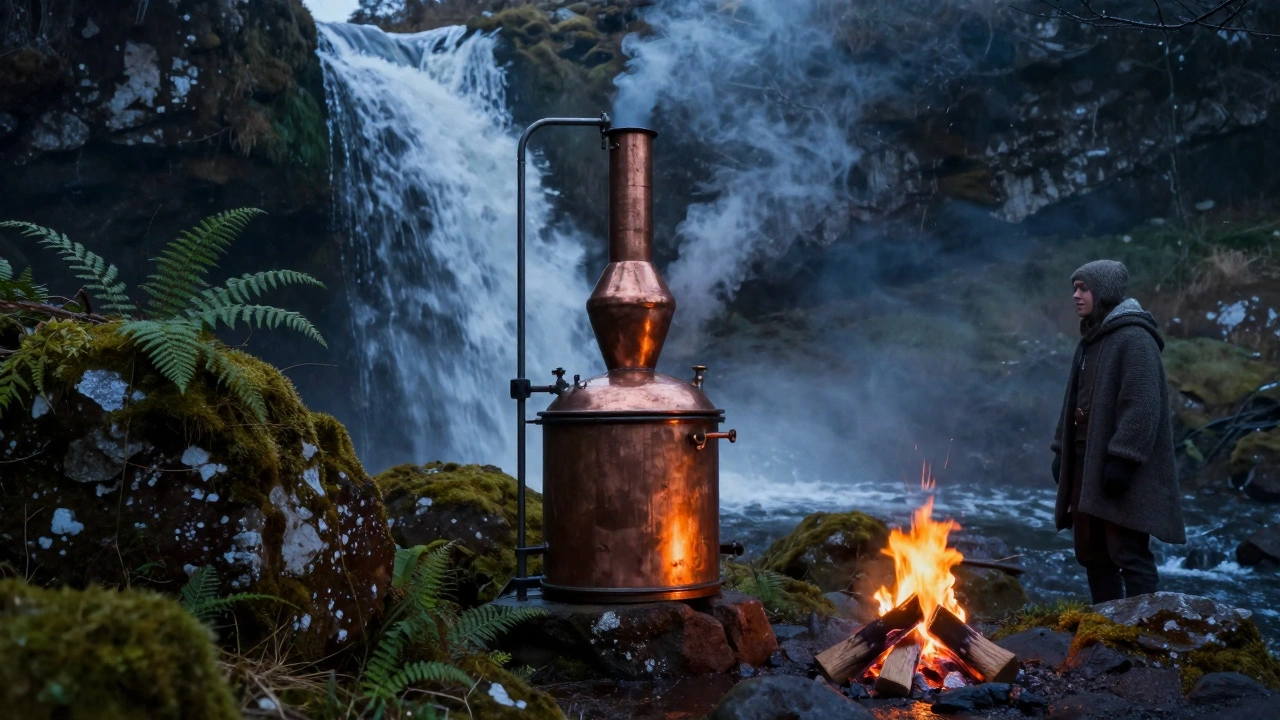
Whisky History in Scotland: Illicit Stills, Taxes, and Traditions
Caleb Drummond Dec 8 11Discover the hidden history of Scottish whisky-how illicit stills, harsh taxes, and stubborn traditions shaped the world’s most beloved spirit. A story of survival, not just spirit.
More Detail