
Borders walks: Historic Trails, Castles, and Scenic Routes in Scotland's Border Region
When you think of Borders walks, long-distance footpaths through the historic Scottish Border region, known for its rugged hills, ruined castles, and deep-rooted conflicts between Scotland and England. Also known as Border footpaths, these trails aren’t just about exercise—they’re time machines that take you past where reivers raided, kings clashed, and shepherds walked for centuries. This isn’t the Highlands. There’s no towering peaks or misty lochs here. Instead, you get rolling moorland, deep river valleys, and stone walls that have stood since the 1500s. The air smells like damp earth and heather, and the silence? It’s broken only by sheep bells and the wind whispering through old ruins.
Many of these walks connect directly to Hermitage Castle, a brutal, isolated fortress in the heart of the Borders, once a stronghold for border lords and later a prison for royalty. Also known as The Black Castle, it’s not just a ruin—it’s a place where history feels alive, and the path to it winds through fields that once echoed with the clash of swords. Then there’s Dawyck Botanic Garden, a quiet, tree-lined haven in the Borders with ancient oaks, rare conifers, and trails that follow the River Tweed. Also known as Dawyck Arboretum, it’s where you can walk under 200-year-old trees that survived wars, famines, and changing fashions—all while spotting red squirrels and kingfishers. These aren’t random stops. They’re anchors. Each walk ties together history, nature, and local life in a way that’s rare elsewhere in Scotland.
You won’t find crowds here. No ticket queues. No selfie sticks. Just paths that lead to forgotten graveyards, stone cairns marking old battle lines, and hidden viewpoints where you can see five counties at once. Some trails start at village pubs, others begin at disused railway stations turned into picnic spots. You’ll pass through farmland where farmers still use the same stone gates their grandparents did. And if you walk far enough, you’ll find yourself standing on a ridge where William Wallace’s scouts once watched for English troops.
These walks don’t ask for much—just good shoes, a water bottle, and curiosity. You don’t need a map app. The landscape tells you where to go. A broken wall leads to a castle. A deer track turns into a Roman road. A stone bench by a stream? That’s where a poet once sat and wrote about loss. The stories aren’t written on plaques. They’re in the stones, the trees, the way the light hits the ground at dusk.
Below, you’ll find real guides from people who’ve walked these paths—not just once, but in rain, snow, and summer sun. They’ll show you how to find the quietest stretch of the River Teviot, where to spot otters near Hermitage, and why Dawyck’s autumn colors are better than any postcard. You’ll learn where to park, where the public toilets are (yes, they exist), and which trails are still muddy after a storm. No fluff. No hype. Just what you need to walk these trails with confidence, respect, and a little wonder.
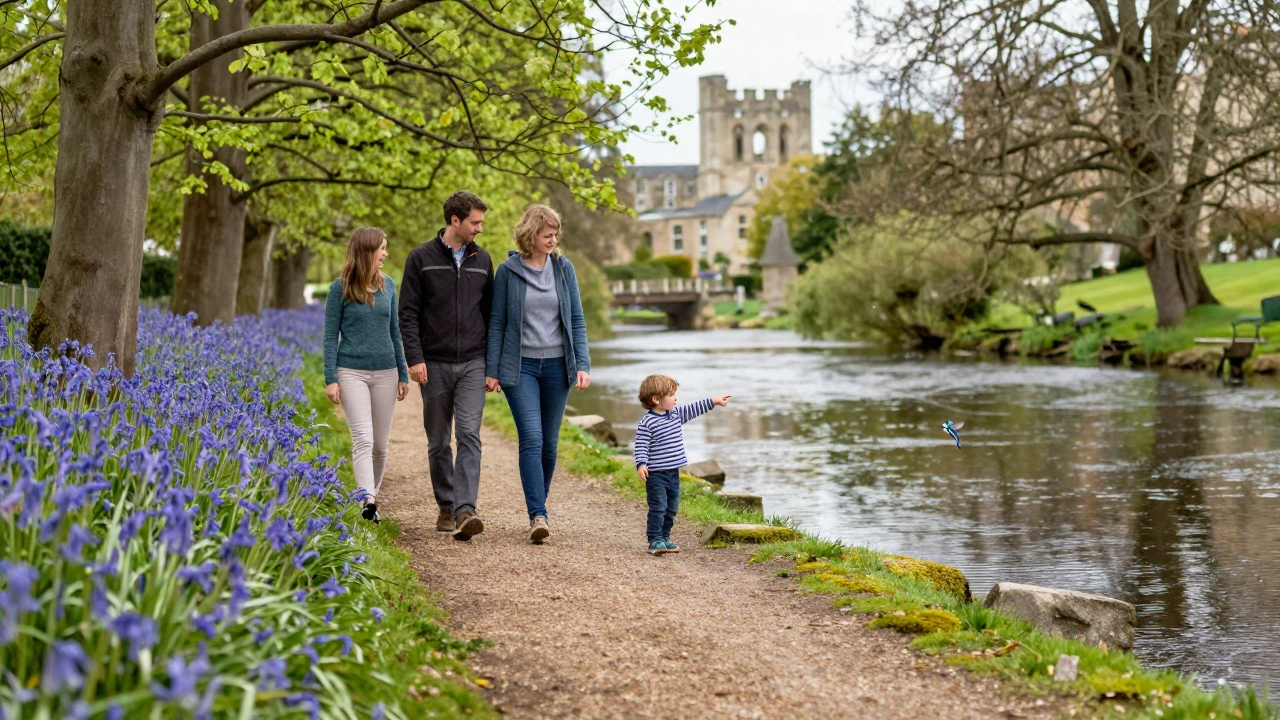
Low-Level Walks in the Borders and Dumfries and Galloway: Easy Trails for All Ages
Caleb Drummond Dec 4 0Discover easy, family-friendly walking trails in the Scottish Borders and Dumfries and Galloway. No mountains, no crowds-just peaceful paths through history, nature, and quiet beauty.
More Detail