
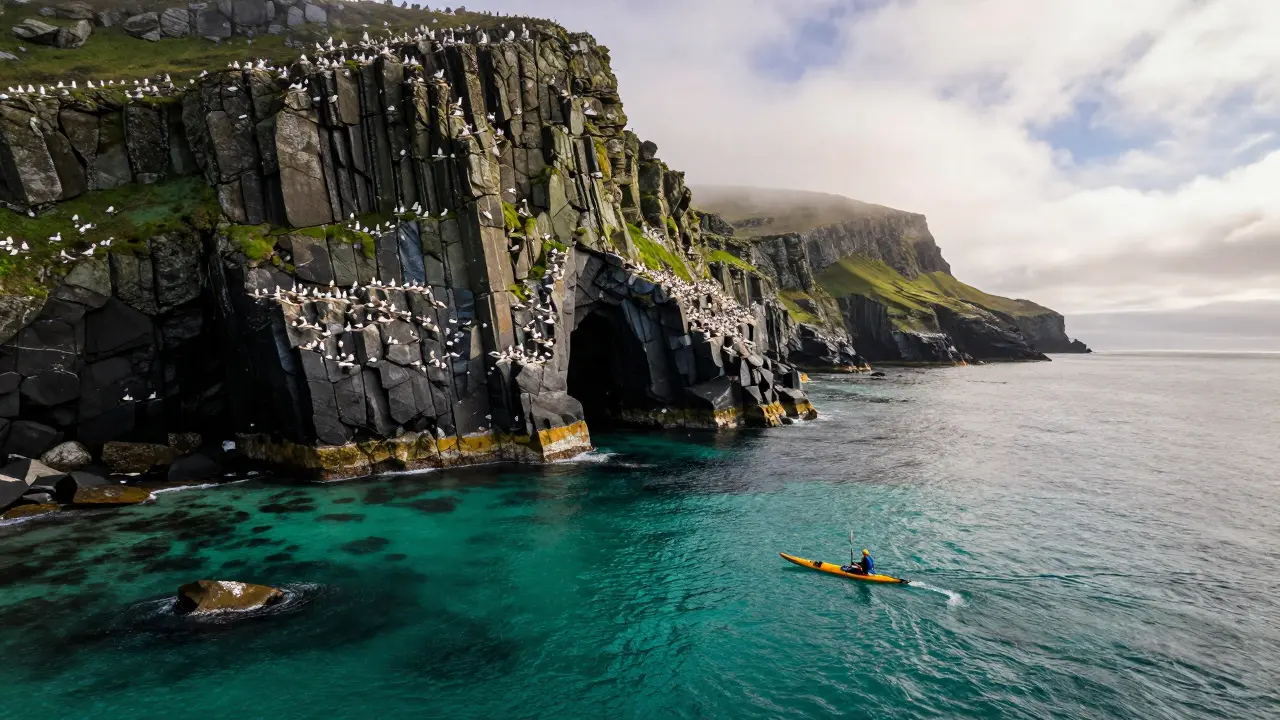
Quick Guide to Getting Started
- Gear: Use a sea kayak with rudder/skeg and a high-visibility spray deck.
- Safety: Always carry a VHF radio and check the marine forecast.
- Legal: Scotland follows the "Right to Roam," but respect local nesting birds.
- Tides: Understand the difference between spring and neap tides before launching.
Understanding the Scottish Tides
You can't just look at a clock and decide to go paddling. In Scotland, the Tide is the rise and fall of sea levels caused by the combined effects of the gravitational forces of the Moon and the Sun. If you launch at high tide in a spot with a steep beach, you might find yourself stranded kilometers away from your car by the time you're ready to come back.
The biggest mistake beginners make is ignoring "tidal streams." These aren't just the water going in and out; they are powerful currents that can push you sideways or out to sea, even if the wind is calm. For example, if you're paddling around the Hebrides, you'll encounter currents that can reach 5 or 6 knots. If you're paddling at a steady 3 knots, you're effectively moving backward. You need to time your crossings for "slack water"-the brief window when the tide turns and the water is momentarily still.
| Tide Type | Cause | Water Movement | Kayaking Strategy |
|---|---|---|---|
| Spring Tide | Full/New Moon | Stronger flows, higher highs | Plan for fast currents; avoid narrow channels |
| Neap Tide | Quarter Moons | Slower flows, smaller range | Ideal for beginners and long explorations |
| Slack Water | Tide Transition | Minimal horizontal movement | Best time to cross dangerous headlands |
Top Launch Sites for Every Skill Level
Finding a place to put your boat in the water is easier than you'd think, thanks to the rugged nature of the coast. However, some spots are significantly safer than others. For those starting out, the Firth of Lorn offers a great balance of protection and beauty. It's less exposed than the open Atlantic, making it a perfect training ground for mastering your sea kayaking Scotland skills.
If you're looking for something more wild, head to the Isle of Skye. Launching from the shores of Loch Coruisk is an experience that feels like the edge of the world. The water is often crystal clear, and the surrounding Cuillin mountains provide a dramatic backdrop. Just be wary of the wind; because the mountains create "funnels," you can experience sudden gusts that blow you off course.
For those in the east, the Firth of Forth provides a more urban but accessible experience. While you have to keep an eye out for heavy shipping traffic and ferries, the sheltered bays around Fife are great for short excursions. Just remember that the water here can be choppier due to the fetch of the North Sea.
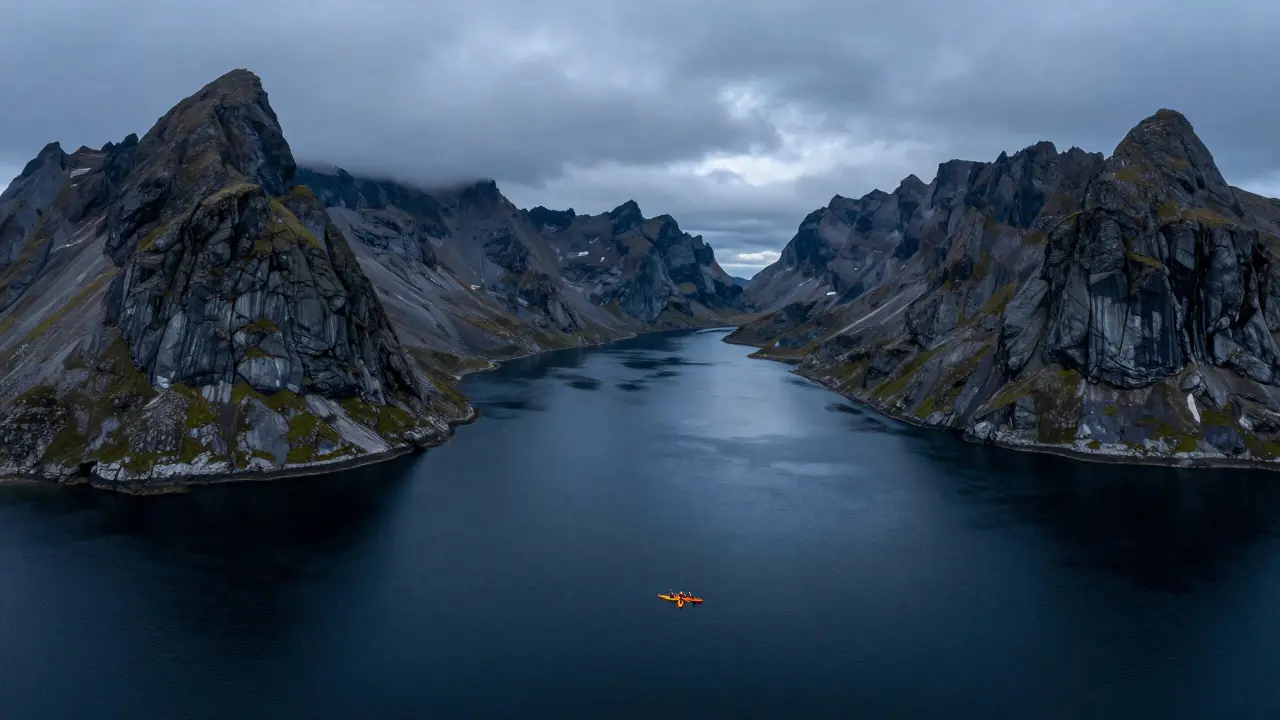
Choosing Between Tours and Solo Trips
Do you go it alone or hire a pro? If you've never handled a kayak in salt water, a guided tour is a non-negotiable. The difference between a lake and the ocean is massive. A professional guide doesn't just show you the sights; they manage the risk. They know exactly when a tide is turning or when a sudden weather shift is coming from the west.
Most Kayaking Tours in Scotland focus on three main areas: the West Coast, the Highlands, and the Islands. A West Coast tour usually emphasizes wildlife-think seals, dolphins, and the occasional basking shark. These tours often include "wild camping" on remote beaches, where you wake up to the sound of the tide coming in under your tent. It's a raw experience that gives you a sense of the scale of the landscape.
If you do choose to go solo, you need a level of certification. Getting your BCU (British Canoeing) certification is the industry standard. It ensures you know how to perform a "self-rescue" or an "assisted rescue" if your partner capsizes. In the freezing waters of the North Atlantic, you have minutes before hypothermia sets in, so being able to get back into your boat quickly is the difference between a bad day and a tragedy.
Essential Safety and Gear Checklist
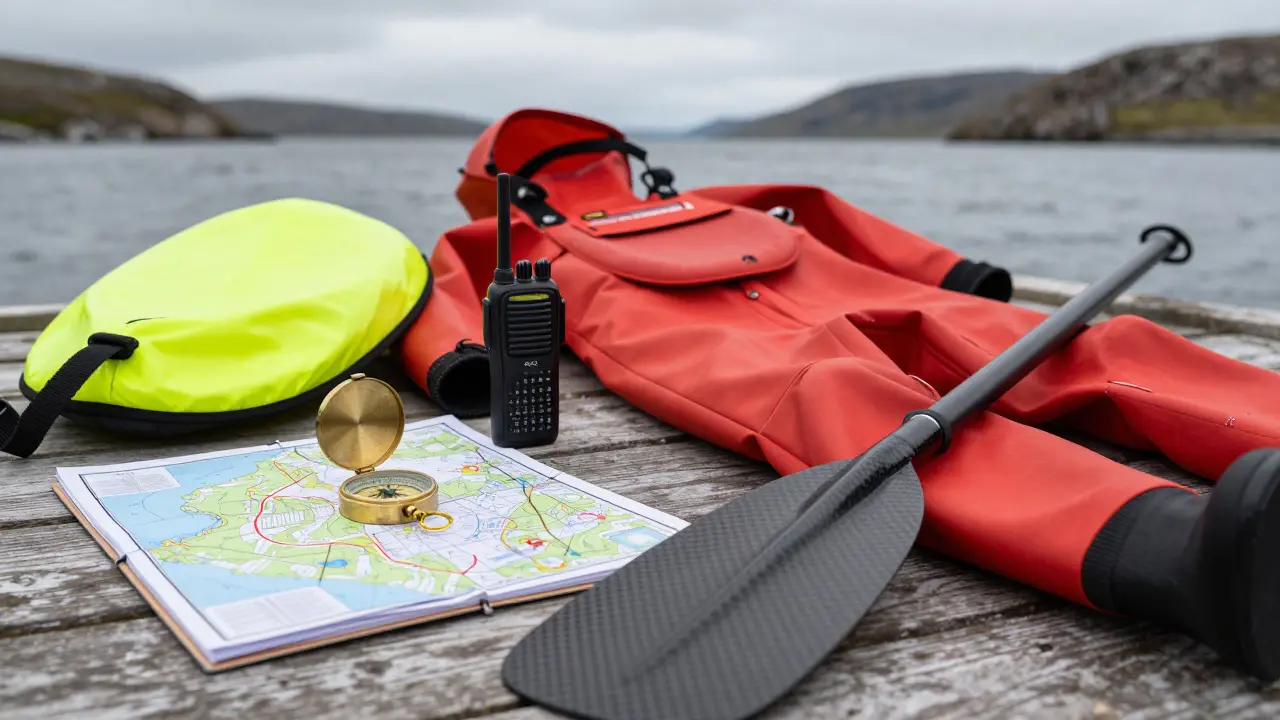
Your gear is your life support system. A standard recreational kayak won't cut it here. You need a sea kayak, which is longer, narrower, and designed to track straight in a crosswind. A Spray Deck is essential to keep the freezing Atlantic water from filling your cockpit during a wave hit.
- Dry Suit/Wetsuit: Even in July, the water is cold. A dry suit is the gold standard for Scottish kayaking.
- PLB (Personal Locator Beacon): Cell service vanishes the moment you round a headland. A PLB tells rescuers exactly where you are.
- Chart and Compass: GPS is great until the battery dies. Learn to read a topographic map and a marine chart.
- Reserve Paddle: If your main paddle snaps on a rock, you're stuck without a backup. Always strap a spare to your deck.
Navigating Environmental Rules
Scotland is famous for the "Right to Roam" via the Scottish Outdoor Access Code. This means you generally have the freedom to launch from most beaches and camp on most land. However, this freedom comes with a huge responsibility: "Leave No Trace."
One specific thing to watch for is the breeding season for seabirds. Between April and August, many cliffs and small islands are restricted. If you see a "No Landing" sign or notice thousands of birds acting agitated, move on. Disturbing a nesting colony can cause birds to abandon their eggs, and it's also a legal offense in many protected areas.
What is the best time of year for sea kayaking in Scotland?
May to September is the sweet spot. You get the longest daylight hours-sometimes with barely any darkness at all in June-and generally milder weather. However, be prepared for "midges" (tiny biting flies) if you're camping near the shore.
Do I need a license to kayak in Scottish waters?
No, you don't need a license to paddle. However, you must follow the Scottish Outdoor Access Code and be mindful of designated Marine Protected Areas (MPAs) where certain activities might be restricted to protect coral or mammals.
How do I find a reliable tide table for Scotland?
The most reliable sources are the UK Hydrographic Office and local harbor master reports. Avoid using general weather apps for tide times; use a dedicated marine tide app or a physical tide table book for the specific region you're visiting.
Is it safe for beginners to kayak alone?
Absolutely not. The Scottish coast is too unpredictable for a beginner to go solo. Between sudden fog (haar), strong currents, and cold water, you should always be with a certified guide or an experienced partner who knows rescue techniques.
What should I do if I get caught in a strong current?
Don't fight the current directly if it's too strong, as you'll just exhaust yourself. Instead, paddle diagonally toward the nearest shore (ferrying) and try to find an eddy-a place where the water flows backward-to take a break and reassess your position.
Next Steps for Your Adventure
If you're a complete novice, your first move should be to book a basic skills course with a BCU instructor. Once you can handle a capsize, start with short trips in sheltered areas like the Firth of Lorn before eyeing the Outer Hebrides. For the experienced paddler, the next challenge is mapping out a multi-day expedition through the sea lochs of the Highlands, ensuring you have a satellite communicator and a detailed plan for every tidal window.
Comments (9)
-
John Fox April 19, 2026
dry suits are a total game changer for the north atlantic

-
Christina Morgan April 20, 2026
The Firth of Lorn really is a gem for anyone looking to build confidence. It provides such a supportive environment for learners to practice their strokes without feeling completely overwhelmed by the open sea. I highly recommend spending a few days there just getting comfortable with the water before venturing further north!

-
Deepak Sungra April 20, 2026
Honestly, reading about all these currents and safety protocols just makes me want to nap instead of paddle. It sounds like way too much work for a vacation, though the scenery is admittedly gorgeous. I can imagine the absolute chaos of trying to fight a 6-knot current while just wanting to see a seal!

-
chioma okwara April 21, 2026
yall forgot to mention the impact of the haar properly. its not just some fog, its a thick blanket that makes you lose your sense of direktion in seconds. if u dont have a compass and a way to use it, your basically floating in a white void waitin to hit a rock. seriously, dont lauch without checkin the coastal fog advisorys first because the visibility drops faster than a stone

-
Jim Sonntag April 21, 2026
wow imagine thinking a plastic boat and some spandex makes you invincible against the north atlantic... truly a bold strategy

-
Samar Omar April 22, 2026
The mere concept of venturing into the untamed Scottish wilderness, where the oppressive majesty of the Cuillin mountains looms over the shimmering, frigid depths, evokes a visceral sense of existential insignificance that few other landscapes can conjure. One must contemplate the profound intersection of human frailty and the indifferent power of the tides, an experience that transcends the banal act of paddling and enters the realm of a spiritual pilgrimage, provided one has the intellectual fortitude to appreciate the crushing weight of such solitude amidst the swirling mists of the Hebrides, far removed from the pedestrian concerns of the modern urbanite.

-
Anuj Kumar April 23, 2026
The tide tables are probably fake anyway. The government controls the water flow for some reason. You can't trust these charts. Just go out there and see what happens. Everything is rigged to keep us in the safe zones.

-
Tasha Hernandez April 23, 2026
Oh look, another guide telling us to be safe while the ocean is basically just waiting to swallow us whole for a snack. I love how it paints this picture of a paradise that is actually just a watery graveyard with a few birds hanging out. Absolutely thrilling if you enjoy the feeling of impending doom while shivering in a rubber suit.

-
Kathy Yip April 23, 2026
It makes me think about how we try to map the ocean and put it into tables, but the water always remains untamable in a way. I wonder if the birds feel the tide differently than we do. Maybe there is a harmony there that we miss because we are too focused on our gear and safety checklists. Its kind of poetic how the water just moves regardless of our plans.
