
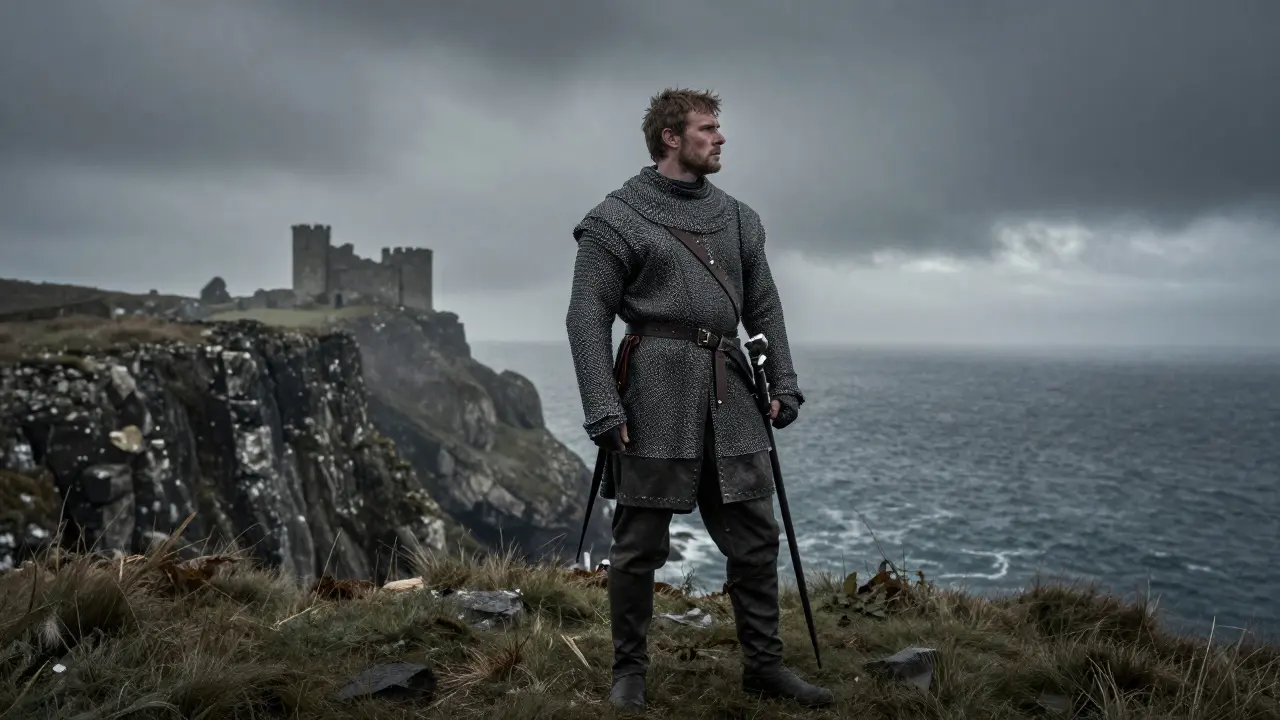
Most people know the name Robert the Bruce is the medieval king who secured Scotland's independence from England through military genius and political resilience. Also known as Robert I of Scotland, he reigned from 1306 until his death in 1329. His story isn't just about swords and shields; it is a masterclass in survival against overwhelming odds. When you walk through the streets of Dundee or visit the ruins of Scone Palace, you are walking on ground shaped by his decisions.
Why does this matter today? Because Robert didn't just win battles; he built a nation. He transformed a fractured collection of clans into a unified kingdom with a recognized monarchy. If you are planning a trip to Scotland or simply trying to understand why the Scottish flag flies so proudly, understanding Robert the Bruce is essential. He is the reason we speak of "Scotland" as a sovereign state rather than just a province of England.
The Early Years: A Nobleman’s Burden
Before he was king, Robert was just another nobleman in a complicated web of alliances. Born around 1274 at Turnberry Castle in Ayrshire, he belonged to a family that had been vying for the Scottish throne for generations. His father, Robert de Brus, 5th Lord of Annandale, was a direct descendant of the legendary William the Lion. This lineage gave Robert a claim to the crown, but it also made him a target.
The situation in Scotland was messy after the death of King Alexander III in 1286. With no clear heir, two main contenders emerged: John Balliol and Robert’s own grandfather, Robert de Brus. The English King Edward I, known as "Longshanks," intervened. He wanted control over Scotland, not a powerful independent neighbor. Edward chose Balliol, largely because he thought he could manipulate him. This decision set the stage for decades of conflict.
Robert grew up watching his family navigate these treacherous waters. He learned early that loyalty was fragile and that power required both strength and cunning. By the time he came of age, he was a seasoned warrior and a skilled politician. But the path to the throne would require him to betray his closest friends and risk everything.
The Rise to Power: Betrayal and Coronation
In 1306, Robert made a move that shocked everyone. He killed his rival, John Comyn, inside the church of Greyfriars in Dumfries. It was an act of sheer desperation and boldness. Some saw it as murder; others saw it as the only way to remove the last obstacle to his claim. Regardless of the moral judgment, the action forced Robert’s hand. He could not go back to being a mere lord.
Within weeks, Robert was crowned King of Scots at Scone Abbey. This was a radical declaration of independence. England did not recognize his title, and many Scottish nobles remained loyal to the English crown. For the first few years of his reign, Robert was effectively a fugitive. He lost almost every battle he fought. His forces were scattered, and his support base dwindled.
But Robert possessed something his enemies lacked: patience. He adopted guerrilla tactics, striking quickly and retreating before the larger English armies could respond. He focused on securing the Highlands and the western islands, building a base of support away from the English-controlled Lowlands. This strategy kept him alive when all seemed lost.
Battle of Bannockburn: The Turning Point
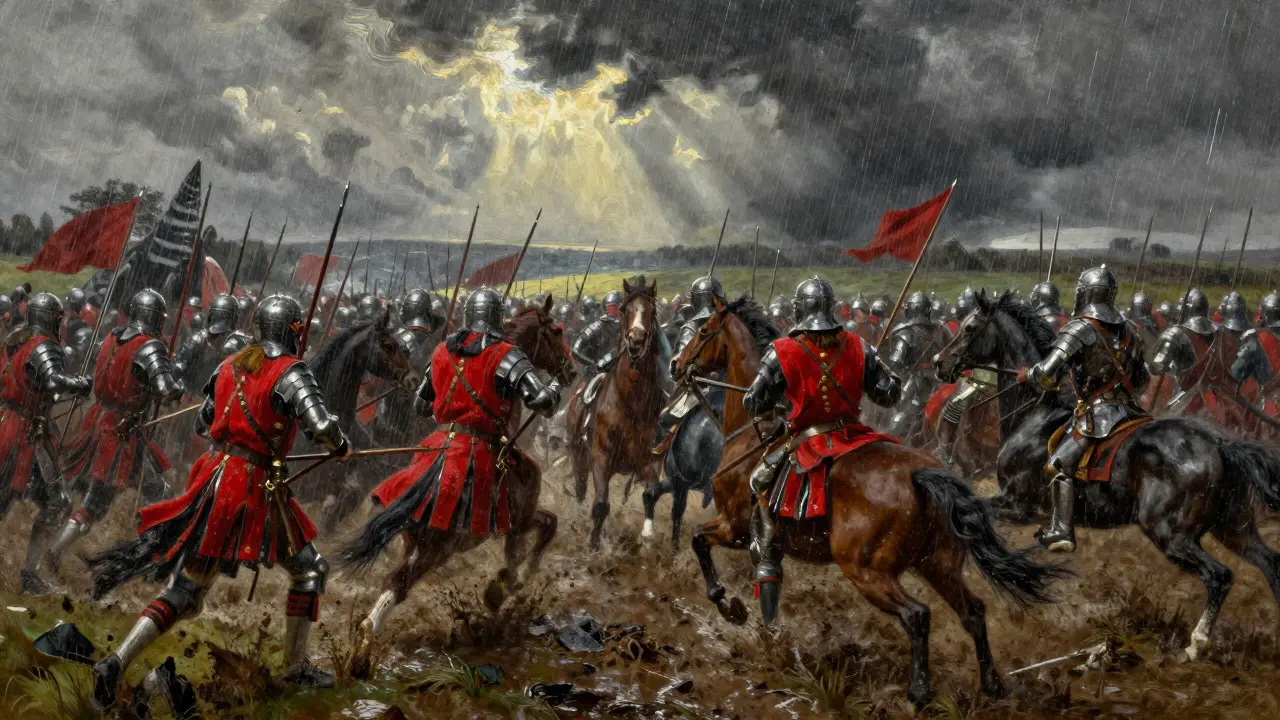
If there is one event that defines Robert the Bruce’s legacy, it is the Battle of Bannockburn is a decisive Scottish victory in 1314 that broke English military dominance and secured Scotland's independence. Fought near Stirling Castle on June 23-24, 1314, this battle pitted Robert’s smaller, highly motivated army against a massive English force led by Edward II.
| Aspect | Scottish Army | English Army |
|---|---|---|
| Leadership | Robert I (King) | Edward II (King) |
| Tactics | Schiltrons (pike formations), terrain use | Heavy cavalry charges, traditional formation |
| Numbers | Estimated 6,000-10,000 | Estimated 20,000-30,000 |
| Outcome | Decisive Victory | Catastrophic Defeat |
The key to the Scottish victory was not superior numbers but superior tactics. Robert used the muddy terrain around Bannockburn to neutralize the English heavy cavalry. He formed his men into "schiltrons," tight circles of spearmen that acted like porcupines against charging horses. When the English knights tried to charge, they found themselves stuck in the mud, unable to maneuver, and easily overwhelmed by the disciplined Scottish infantry.
The battle lasted two days. On the second day, Robert personally led a counter-charge that shattered the remaining English lines. Edward II fled the field, leaving behind thousands of dead and wounded. The psychological impact was immense. For the first time, it became clear that England could be defeated in open battle. This victory forced England to negotiate and paved the way for formal recognition of Scottish independence.
Consolidating the Kingdom: Beyond the Battlefield
Winning battles was only half the job. Robert understood that to keep Scotland independent, he needed to build strong institutions. He worked tirelessly to secure the northern borders, launching raids into England to divert attention from potential invasions. These campaigns, while brutal, demonstrated that Scotland was not a passive victim but an active player in regional politics.
He also focused on diplomacy. In 1328, he signed the Treaty of Edinburgh-Northampton with England. This treaty formally recognized Scotland as an independent kingdom and acknowledged Robert as its rightful king. It was a diplomatic triumph that matched his military successes. However, peace was fragile. Tensions would flare again in future generations, but Robert had laid the foundation for sovereignty.
Domestically, Robert strengthened the church and the legal system. He issued charters that protected local rights and encouraged economic growth. He rebuilt castles and towns that had been destroyed during the wars. His goal was to create a stable, prosperous Scotland that could withstand external pressures.
Legacy: Why Robert Still Matters
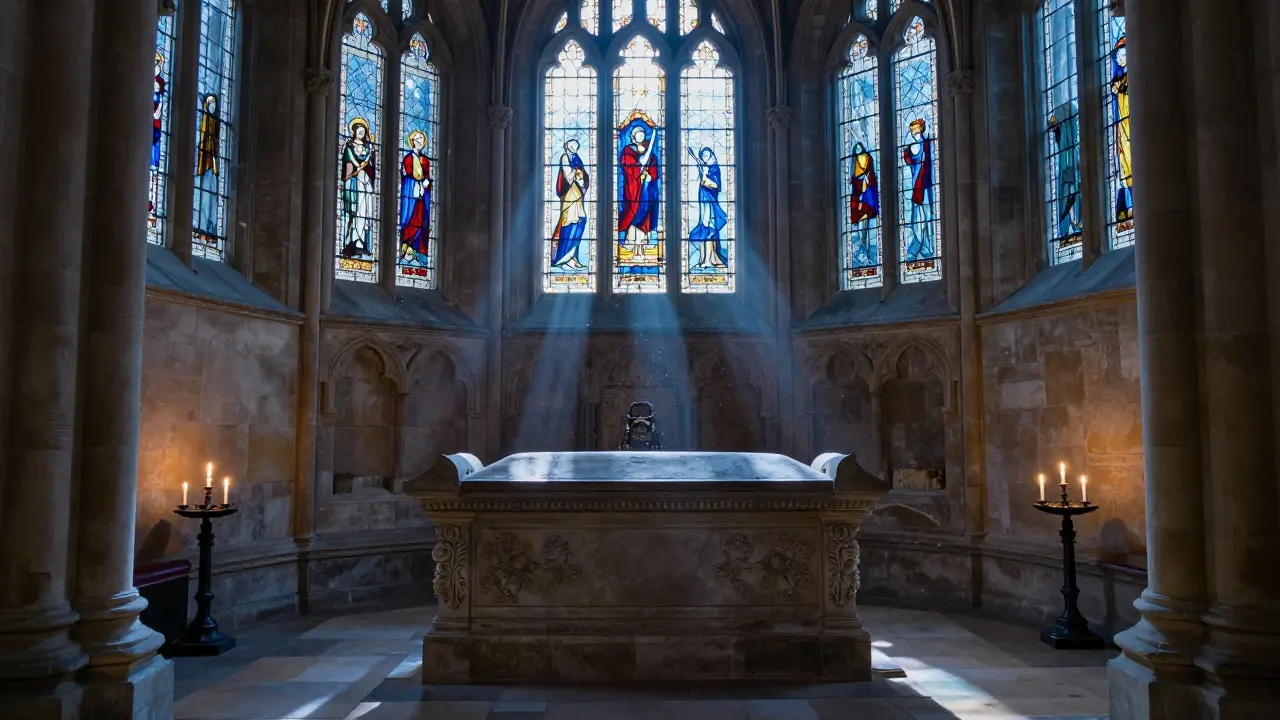
Robert the Bruce died in 1329 at Cardross, near Dumbarton. According to legend, his heart was taken on a crusade by his friend James Douglas, though this remains unverified. What is verified is his lasting impact. He is buried in Dunfermline Abbey, alongside other Scottish monarchs, a testament to his status as a national founder.
Today, Robert is remembered not just as a warrior but as a symbol of resistance and unity. His story inspires countless books, films, and tours across Scotland. Visitors flock to sites like Lochleven Castle, where Wallace was held, and Stirling Bridge, to connect with this pivotal era. For modern Scots, Robert represents the idea that even the smallest nation can stand firm against giants if it has courage and determination.
His influence extends beyond history books. The concept of national identity in Scotland is deeply rooted in the struggles of the 14th century. When you see the Saltire flag flying, remember that it represents a freedom hard-won by men like Robert the Bruce. He didn’t just save Scotland; he defined what it means to be Scottish.
Where is Robert the Bruce buried?
Robert the Bruce is buried in Dunfermline Abbey in Fife, Scotland. His body rests in a tomb alongside other Scottish monarchs, including Malcolm IV and David I. Interestingly, his heart was removed after death and reportedly taken on a crusade by Sir James Douglas, according to popular legend.
What was the significance of the Battle of Bannockburn?
The Battle of Bannockburn (1314) was a decisive Scottish victory that broke English military dominance. It proved that Scotland could defeat England in open combat, leading to the eventual recognition of Scottish independence through the Treaty of Edinburgh-Northampton in 1328.
Did Robert the Bruce have any children?
Yes, Robert the Bruce had several children, both legitimate and illegitimate. His most famous legitimate child was David II, who succeeded him as King of Scots. He also had illegitimate children, including Walter Stewart, whose descendants later founded the House of Stuart.
How long did Robert the Bruce reign?
Robert the Bruce reigned from 1306 until his death in 1329, a period of 23 years. His reign was marked by constant warfare, political maneuvering, and the eventual consolidation of Scottish independence.
What role did William Wallace play in Robert’s rise?
William Wallace was a key figure in the early stages of the Wars of Scottish Independence. Although he was executed by the English in 1305, his rebellion inspired continued resistance. Robert the Bruce capitalized on this momentum, eventually taking leadership of the independence movement after Wallace’s death.