
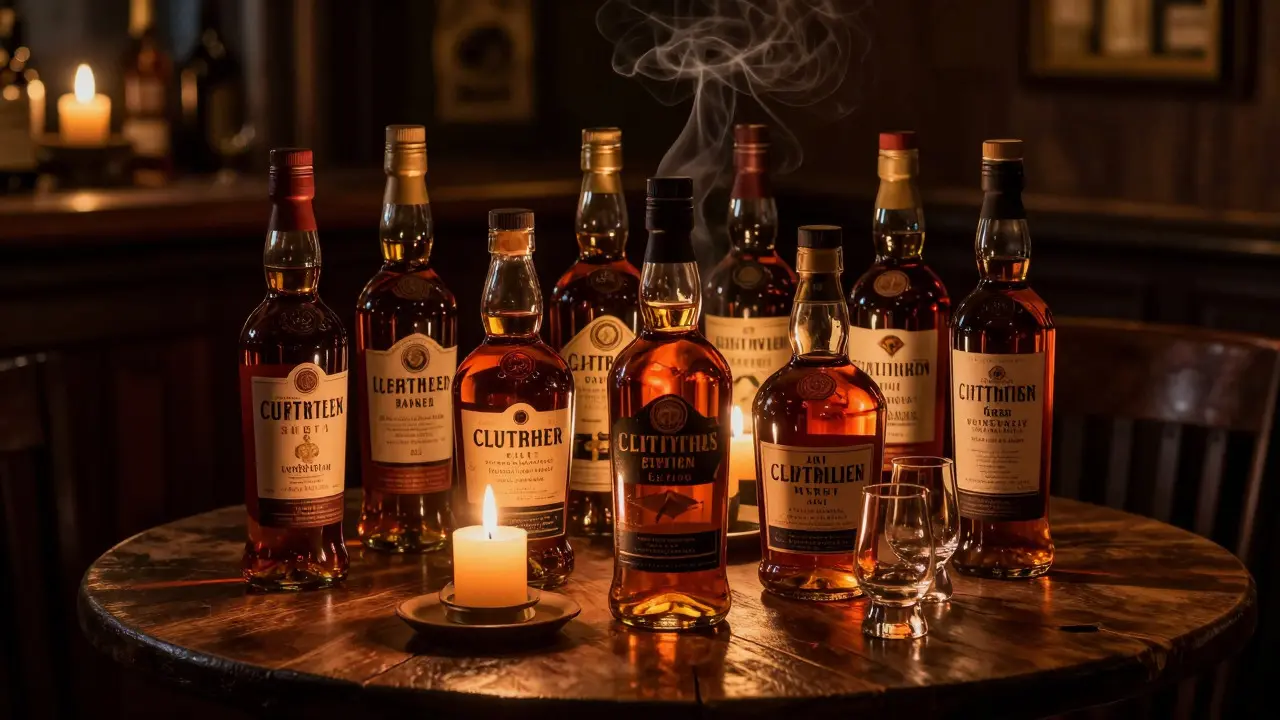
Walk into any whisky bar in Dundee or Edinburgh, and you’ll notice the same thing: people are trying to make sense of the shelves. Hundreds of bottles, dozens of names, and labels that talk about age, casks, and distilleries without explaining what it actually tastes like. If you’ve ever felt lost staring at a menu of Scottish Whisky is a spirit distilled from malted barley, water, and yeast, aged in oak casks for a minimum of three years. It is not just a drink; it is a map of Scotland’s geography, history, and craftsmanship., this guide will help you decode the language so you can choose with confidence.
Key Takeaways
- Region defines character: Islay is smoky, Speyside is fruity, Highland is robust, Lowland is light, Campbeltown is maritime, and Island malts are diverse.
- Type matters more than age: Single Malt, Blended Malt, Grain, and Blended Scotch each offer different experiences and price points.
- Tasting is a process: Look, smell, taste, and finish are distinct steps that reveal different layers of flavor.
- Water source impacts profile: Soft water in Speyside creates smoother whiskies, while hard water in some Highlands adds structure.
- Tours enhance understanding: Visiting distilleries provides context on production methods that directly influence the final product.
Understanding the Core Types of Scotch
Before diving into regions, you need to know what you’re buying. The label tells you the production method, which dictates the base flavor before regional influences kick in.
Single Malt is whisky produced from a single distillery using only malted barley as the grain source. This is the most sought-after category for enthusiasts because it reflects the unique identity of one place. If you want to understand Islay’s peat smoke, you buy an Islay Single Malt. If you want Speyside’s honeyed sweetness, you buy a Speyside Single Malt.
Blended Malt (formerly known as Vatted Malt) is a blend of single malts from multiple distilleries, all made from malted barley. Master blenders use these to create harmony, often combining a heavy Highland malt with a lighter Lowland one to balance weight and elegance.
Grain Whisky is produced from unmalted grains like corn or wheat, often using continuous column stills. It makes up the bulk of blended scotch but is rarely sold alone due to its lighter, less complex profile. However, high-quality grain whiskies add a smooth, cereal-like backbone to blends.
Blended Scotch is a mixture of malt and grain whiskies from multiple sources. This is the world’s best-selling style. Brands like Johnnie Walker and Chivas Regal rely on precise blending ratios to achieve consistency across millions of bottles.
The Six Major Whisky Regions Decoded
Scotland’s six designated whisky regions act like terroirs in wine country. The climate, soil, and water sources in each area shape the final spirit. Here is how they differ.
| Region | Primary Flavor Notes | Water Source Characteristic | Best For |
|---|---|---|---|
| Islay | Peat smoke, iodine, brine, medicinal | Soft, slightly saline | Peat lovers, bold palates |
| Speyside | Honey, orchard fruit, vanilla, spice | Very soft, low mineral content | Begins, sweet tooth, elegant profiles |
| Highland | Moorland herbs, heather, dark fruit, smoke | Varies, often harder water | Variety seekers, robust flavors |
| Lowland | Light, floral, grassy, subtle | Soft, clean | Subtle drinkers, food pairing |
| Campbeltown | Salty, citrus, balanced smoke | Maritime influence | Coastal profiles, historical interest |
| Islands | Diverse: fruity, smoky, spicy | Varies by island | Explorers, specific island traditions |
Islay is an island off the west coast of Scotland known for heavily peated whiskies. Distilleries here burn dried peat during the drying process, imparting intense smoke. Laphroaig and Ardbeg are iconic examples. If you hate campfire smells, start with a lighter expression like Caol Ila. If you love it, go straight to Lagavulin.
Speyside is the largest whisky-producing region in Scotland, located in the northeast. Home to over 40 distilleries, including Macallan, Glenfiddich, and Balvenie. The soft water here allows for delicate flavors. Expect notes of apple, pear, and sherry cask influences. This is the safest starting point for new drinkers.
Highland is the largest region geographically, covering much of northern Scotland. Because it’s so big, there’s no single profile. Glenmorangie offers light, elegant notes, while Oban brings in coastal saltiness. Think of it as the “everything” region-bold, complex, and varied.
Lowland is the southern region known for triple-distilled, lighter whiskies. Historically dominant, it has seen a revival recently. Dalwhinnie and Glenkinchie are key players. These whiskies are often described as gentle, with floral and grassy notes. They pair well with food because they don’t overpower.
Campbeltown is a small coastal town on the Kintyre peninsula with a rich brewing heritage. Once the third-largest city in Scotland, it now has fewer active distilleries, but Glengoyne and Springbank produce distinctive maritime styles. Expect salty, briny notes with a hint of citrus.
Islands is a newer designation covering islands other than Islay. Includes Skye, Orkney, Arran, and Jura. Each island has its own microclimate. Talisker from Skye is peppery and smoky, while Arran offers a sweeter, more approachable profile.
How to Taste Whisky Like a Pro
You don’t need to be a sommelier to appreciate whisky, but following a simple structure helps you identify what you’re experiencing. Tasting isn’t just about drinking; it’s about observation.
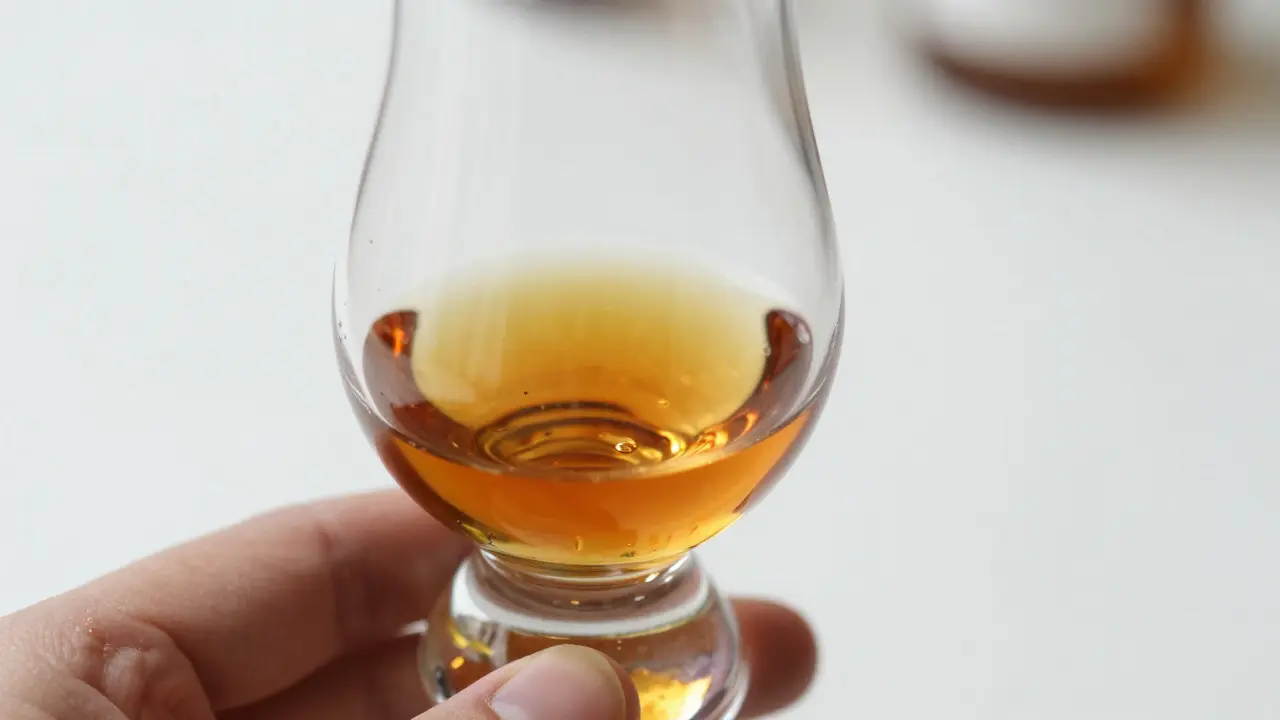
- Look: Hold the glass against a white background. Check the color. Natural color comes from the wood. Darker doesn’t mean older; it means heavier cask influence or added caramel coloring (though natural is preferred by purists). Look for “legs” or tears running down the side. Thick legs indicate higher alcohol content or viscosity.
- Nose: Don’t stick your nose deep into the glass. Instead, hover above the rim. Swirl gently first to release aromas. Smell in short bursts. Identify primary notes: fruit, spice, smoke, or earth. Use a tulip-shaped glass if possible; it concentrates aromas better than a tumbler.
- Taste: Take a small sip. Let it coat your tongue. Don’t swallow immediately. Feel the texture-is it oily, watery, or thick? Identify flavors on the palate. Sweetness, bitterness, acidity, and heat are the four pillars. Heat is normal at 40-46% ABV. If it burns too much, add a drop of water to open up the flavors.
- Finish: After swallowing, wait. The finish is the aftertaste. Does it fade quickly or linger for minutes? A long finish often indicates complexity and quality. Note where the flavors reside-throat, nose, or back of the mouth.
A pro tip: always taste at room temperature. Cold suppresses aromas. Hot exaggerates alcohol burn. Aim for 18-20°C. Also, avoid adding ice unless you prefer dilution. Ice melts and waters down the spirit, masking subtle nuances. If you want a milder experience, add a few drops of pure water instead.
Whisky Tours: Why Context Matters
Reading a label gives you data. Visiting a distillery gives you understanding. Whisky tours are guided visits to distilleries where visitors learn about production processes and taste samples. They are one of the top activities for tourists in Scotland, second only to castle visits in terms of cultural engagement.
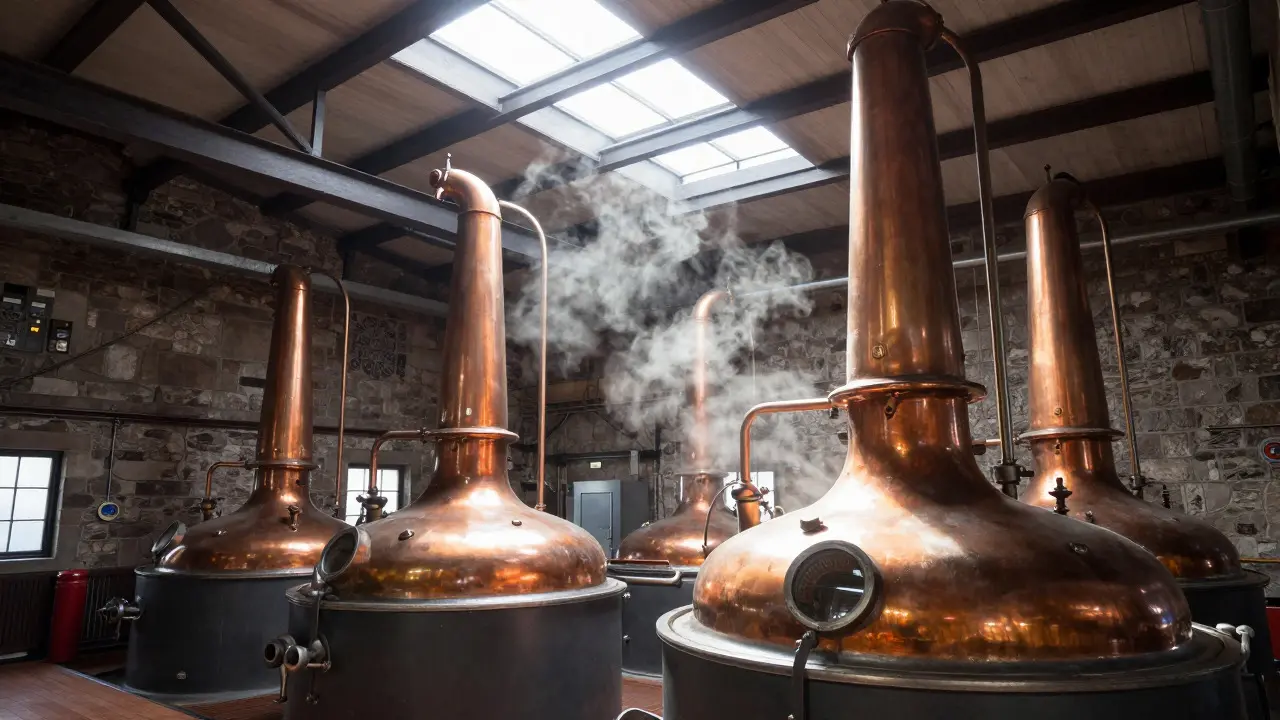
When you walk through a distillery, you see the copper stills. You smell the peat smoke outside. You hear the story of the family who built the building. This context changes how you perceive the liquid. For example, seeing the worm tubs in a traditional stillhouse explains why certain whiskies have a particular texture. Learning about the local water source explains the softness of a Speyside malt.
If you’re planning a trip, consider combining tours. The Speyside Cooperage Trail offers multiple stops in one day. In Islay, you can visit two or three distilleries since they’re close together. Book ahead, especially in summer months (June-August), as popular spots like Glenfiddich or Laphroaig fill up weeks in advance.
Choosing Your First Bottle: A Practical Guide
Don’t buy based on age statements alone. A 12-year-old whisky isn’t automatically better than a 3-year-old. Quality depends on the cask, the distillation method, and the blender’s skill. Here’s how to pick your first bottle based on preference.
- If you like beer: Try a Highland malt like Glenlivet or a Speyside like Glenfiddich 12. They have similar fermentation-derived flavors.
- If you like coffee: Look for cask-strength expressions or those aged in sherry casks. Macallan 12 Double Cask is a classic choice with chocolate and dried fruit notes.
- If you like tea: Go for a Lowland malt like Glenkinchie 12. It’s light, floral, and refreshing.
- If you like barbecue: Start with a lightly peated Islay like Caol Ila 9. It has smoke but also sweet fruit to balance it.
- If you’re unsure: Buy a sampler set. Many brands offer miniatures of their core range. This lets you test flavors without committing to a full bottle.
Price is a factor, but not the only one. You can find excellent entry-level whiskies under £30/$40. Mid-range options (£50-$70) offer more complexity. Premium expressions (£100+) provide rare casks and longer aging. Start mid-range to explore your preferences before investing in expensive bottles.
Frequently Asked Questions
What is the difference between Scotch and Bourbon?
Scotch is made from malted barley in Scotland and aged in used oak casks. Bourbon is made from at least 51% corn in the US and aged in new charred oak barrels. This gives bourbon a sweeter, vanilla-heavy profile, while Scotch is more diverse and often spicier or smokier.
Is older whisky always better?
Not necessarily. Age indicates time spent maturing, but quality depends on the cask and production method. A well-made 10-year-old whisky can outperform a poorly managed 25-year-old. Focus on the distillery reputation and cask type rather than just the number.
Should I add water to my whisky?
Yes, if it helps you. Adding a few drops of water can reduce alcohol burn and release hidden aromas. It’s a personal preference. Purists may argue against it, but many experts recommend it for high-proof spirits to enhance complexity.
Which region is best for beginners?
Speyside is generally recommended for beginners due to its smooth, fruity, and accessible profiles. Lowland whiskies are also good if you prefer lighter drinks. Avoid heavily peated Islay malts until you’ve developed a tolerance for strong smoke flavors.
How should I store whisky?
Store unopened bottles upright in a cool, dark place away from direct sunlight. Temperature fluctuations can expand and contract the liquid, affecting the seal. Once opened, keep the cap tight and consume within a year or two for best quality, though it won’t spoil.