
Quick Tips for Success
- Prioritize a fast prime lens for low-light evening events.
- Always ask permission before taking close-up portraits of performers.
- Carry a weather-sealed bag; Scottish weather changes in seconds.
- Use a higher ISO to keep your shutter speed fast enough to freeze motion.
Reading the Room: Festival Etiquette
When you're shooting at an event like the Edinburgh Festival Fringe is a massive annual arts festival in Scotland featuring thousands of performances across the city, you aren't just a spectator; you're part of the environment. The first rule of Scottish festival photography is invisibility. Nothing kills the mood faster than a photographer shoving a giant lens into someone's face or standing in the middle of a thoroughfare for ten minutes to get a specific angle.
Respect the performers. If you're photographing a piper or a dancer at the Royal Highland Show, a quick nod or a smile goes a long way. If they look like they're in a deep state of concentration, give them space. Many artists are happy to be photographed, but some prefer to keep the magic of the performance undisturbed. If you're unsure, just ask. A simple "Do you mind if I take a few photos?" usually opens doors and leads to better, more candid shots because the subject is now relaxed and cooperating.
Crowd management is also key. If you're at a packed event, avoid the "paparazzi crawl" where you push through people to get to the front. Instead, find a vantage point and work the angles from there. Remember that most people paid to see the show, not to see the back of your camera screen. Be mindful of where you stand, especially during processions or parades, to ensure you aren't creating a bottleneck for the crowd or the performers themselves.
Picking the Right Gear for the Highlands
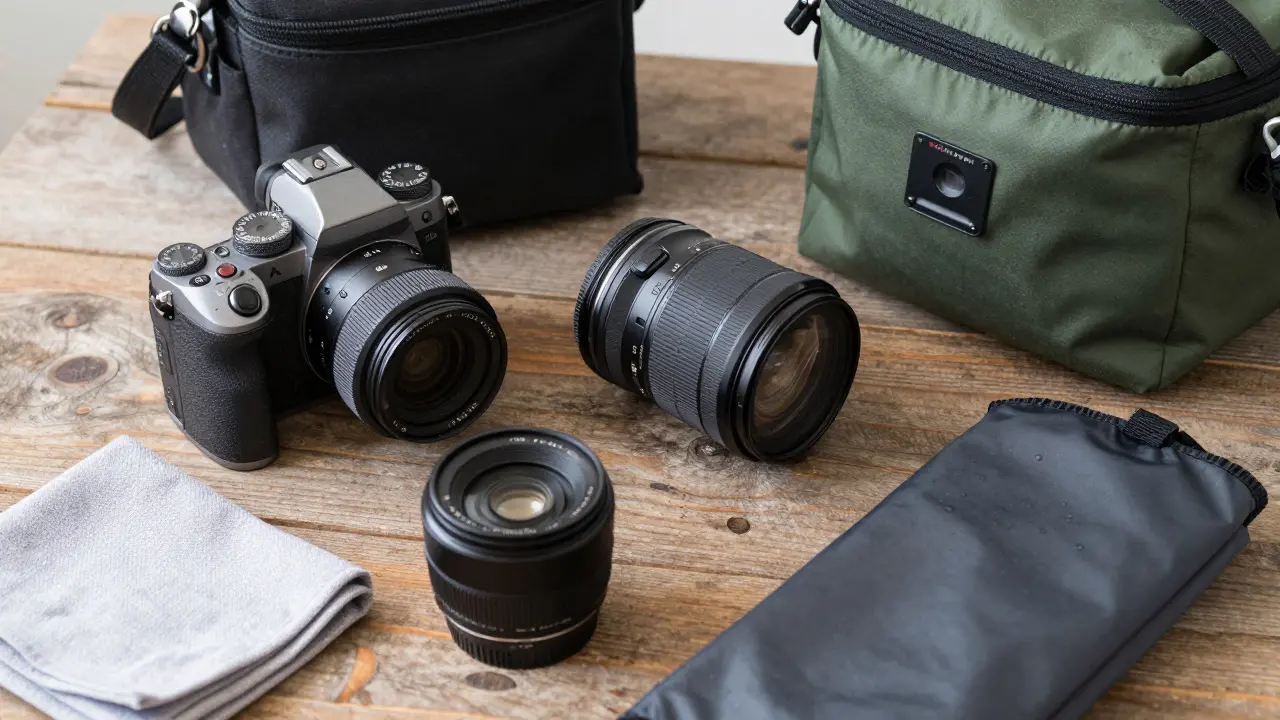
You don't need to carry your entire studio, but choosing the wrong gear can ruin a day. The biggest mistake is bringing a massive tripod to a crowded festival. It's cumbersome, it's a tripping hazard, and it makes you a target for frustrated attendees. Instead, rely on a camera with good in-body image stabilization (IBIS) or a monopod if you absolutely need extra support.
For lenses, versatility is your best friend. A Zoom Lens is a lens with a focal length that can be changed, allowing the photographer to zoom in or out without changing lenses like a 24-70mm is a gold standard. It lets you capture a wide shot of the festival grounds and quickly zoom in on a detailed expression without swapping glass in the rain. However, if the sun goes down or you're inside a dimly lit marquee, a fast prime lens (like a 35mm or 50mm f/1.8) is a lifesaver. These lenses let in significantly more light, allowing you to keep your shutter speed high enough to avoid motion blur.
| Scenario | Recommended Lens | Essential Accessory | Goal |
|---|---|---|---|
| Daytime Highland Games | 24-70mm f/2.8 | Circular Polarizer | Vivid colors & landscapes |
| Evening Concerts/Ceilidhs | 50mm f/1.8 Prime | Extra Battery | Low-light candids |
| Crowded City Parades | 35mm Wide Angle | Comfortable Neck Strap | Environmental storytelling |
| Rainy Outdoor Events | Any (Weather Sealed) | Rain Cover/Sleeve | Equipment protection |
Don't forget the "Scottish Essentials." A waterproof cover for your camera and a high-quality microfiber cloth are non-negotiable. Mist and drizzle are common, and spending half your day wiping droplets off your lens is a waste of precious shooting time. If you're using a Mirrorless Camera, ensure you have more batteries than you think you need. The cold Scottish air can drain battery life faster than a warm summer day in London.
Mastering the Lighting Challenges
Lighting in Scotland is unpredictable. You can go from harsh, direct sunlight to a moody, overcast grey in ten minutes. While the "golden hour" is the dream for any photographer, festivals often peak during the midday sun or the late-night dim. When dealing with the harsh midday light, look for "open shade"-areas under tents or the shadow of a building-to avoid raccoon-eyes on your subjects and blown-out highlights on white clothing (like traditional kilts).
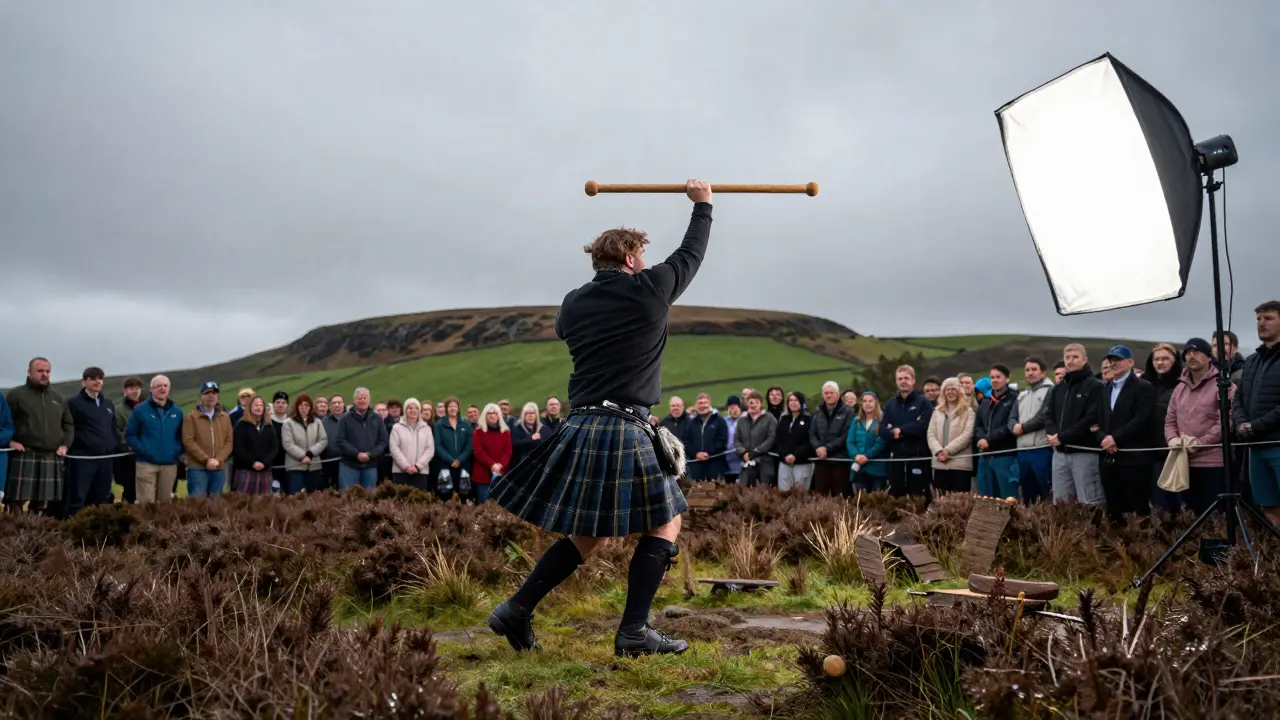
Overcast skies, however, are actually a secret weapon for event photography. The clouds act as a giant Softbox is a lighting modifier that diffuses light to create a soft, even glow without harsh shadows, providing an even spread of light that is incredibly flattering for portraits. Use this to your advantage to capture the textures of tweed and wool without worrying about squinting eyes or deep shadows.
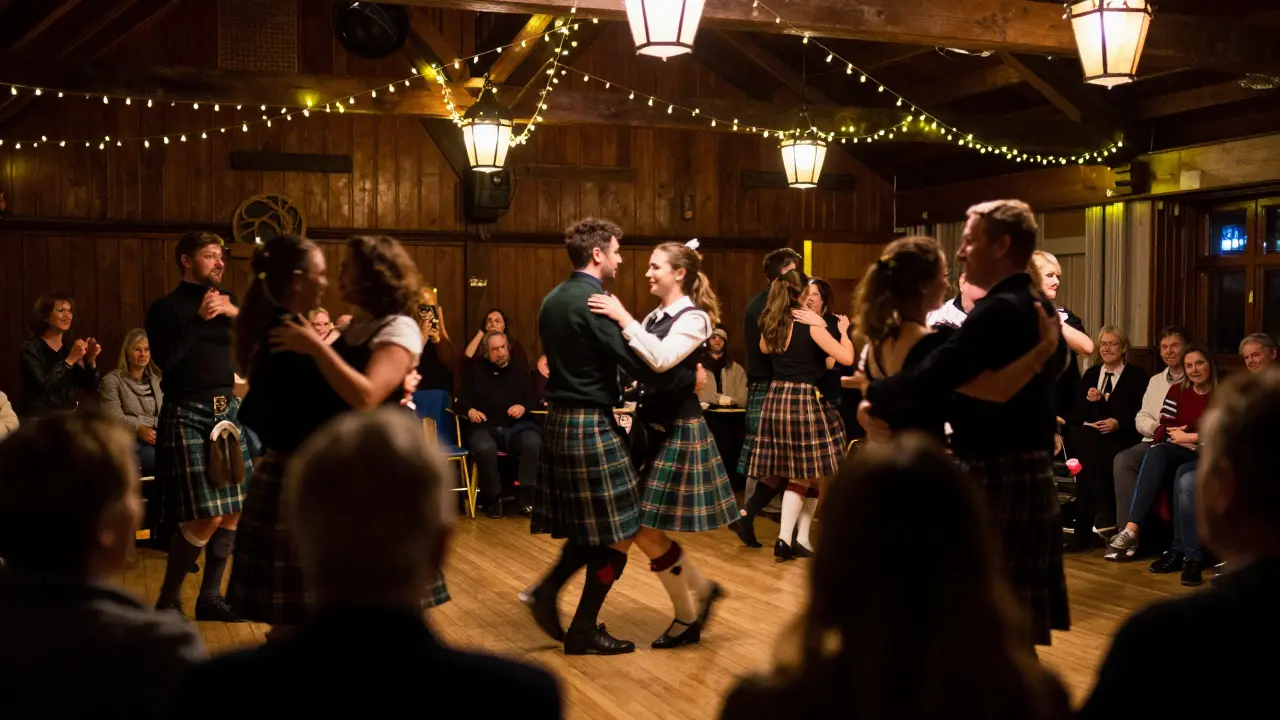
The real challenge comes with low light, such as during a late-night Ceilidh is a traditional Scottish social gathering involving folk music and group dancing. Here, you have to balance your ISO is the sensitivity of a camera's image sensor to light and your shutter speed. If you drop your shutter speed too low, the dancers become a blur. If you push your ISO too high, the image becomes grainy. The trick is to find the "sweet spot"-usually around ISO 1600 to 3200 on modern sensors-and use a wider aperture (lower f-number) to let in as much light as possible.
Avoid using a direct on-camera flash. It flattens the image and creates a "deer in the headlights" look that destroys the atmosphere of the event. If you must use flash, bounce it off a ceiling or a wall to soften the light. Better yet, embrace the ambient light of the festival-the glow of fairy lights, lanterns, or stage lamps-to create a more cinematic and authentic feel.
Capturing the Human Element
Technical skills are great, but a photo of a festival is empty if it doesn't show emotion. Stop looking for the "perfect" posed shot and start looking for the moments in between. The laughter between two musicians while they tune their instruments, the look of anticipation on a competitor's face before a heavy event, or the joy of a child seeing a bagpipe for the first time-these are the shots that tell the story.
Try a technique called "layering." Instead of just photographing the main attraction, include some of the crowd in the foreground. This gives the viewer a sense of scale and place. If you're shooting a dancer, include the blurred edges of the cheering audience. This adds energy and context, making the photo feel like a lived experience rather than a sterile studio portrait.
Keep your eye open for contrasting elements. A modern smartphone in the hand of someone wearing traditional 18th-century Highland dress is a great visual commentary on the intersection of tradition and modernity. These small details add depth to your portfolio and make your work stand out from the generic tourist shots.
Can I use a flash at a Scottish festival?
While you can, it's generally discouraged for candid shots. Direct flash often ruins the mood and can be distracting to performers. If you need more light, try increasing your ISO or using a lens with a wider aperture (like f/1.8). If you must use a flash, try to bounce the light off a nearby surface to avoid the harsh "deer in the headlights" effect.
What is the best lens for general festival use?
A 24-70mm zoom lens is widely considered the best all-rounder. It allows you to capture wide-angle shots of the festivities and zoom in for portraits without needing to change lenses in a crowded or rainy environment. For nighttime events, pairing this with a 50mm prime lens is a great strategy.
How do I handle the unpredictable Scottish weather?
Invest in weather-sealed gear or a dedicated rain sleeve for your camera and lens. Always carry a microfiber cloth to wipe lenses between shots. More importantly, avoid changing lenses in the open air during a drizzle; if you must, do it under a tent or a large umbrella to prevent moisture from entering your camera sensor.
Is it okay to photograph strangers at these events?
Generally, yes, as festivals are public events. However, etiquette dictates that you remain respectful. For close-up portraits, a quick smile and a nod, or a brief "May I?", is the best approach. If someone indicates they aren't comfortable being photographed, respect their wish immediately and move on.
How do I avoid blurry photos of fast-moving dancers?
You need a fast shutter speed, typically 1/250th of a second or faster. To achieve this in lower light, you'll need to open your aperture (use a lower f-stop) and increase your ISO. Don't be afraid of a bit of grain; a sharp, grainy photo is always better than a clean, blurry one.
Next Steps and Troubleshooting
If you find your photos are coming out too dark despite your best efforts, check your exposure compensation. In bright, overcast Scottish light, cameras sometimes overexpose the sky, making the ground too dark. Dialing back the exposure by -0.3 or -0.7 can often save your highlights.
For those moving from beginner to pro, start practicing "burst mode." When shooting a caber toss or a dance leap, taking a sequence of 5-10 photos increases your chance of catching the absolute peak of the action. Later, in post-processing, you can pick the one frame where the emotion and timing align perfectly.
If you're feeling overwhelmed by the crowd, take a step back. Move to the perimeter of the event and use a longer focal length to compress the scene. This often reveals a different perspective on the festival and allows you to observe the reactions of the crowd, which can be just as interesting as the main event itself.
Comments (14)
-
ANAND BHUSHAN April 27, 2026
Nice tips. Useful for beginners.

-
Madhuri Pujari April 29, 2026
Oh, please!!! As if a 24-70mm is some kind of 'gold standard' for everyone... how painfully basic!!! Maybe if you actually understood optics, you'd know that a prime is far superior for street-style festival shots, but sure, keep pushing the generic 'safe' advice!!! Absolutely laughable!!!

-
Sandeepan Gupta April 30, 2026
Regarding the low-light sections, it might be worth mentioning that using a tripod isn't always bad if you're capturing long-exposure shots of the crowds to create a sense of movement while keeping the architecture sharp. Just be mindful of the foot traffic as mentioned. Also, double-checking your white balance in those mixed-lighting marquees can save a lot of time in post-production.

-
Tarun nahata May 2, 2026
This is absolute gold! Such a vibrant guide for anyone wanting to capture the electric energy of Scotland! Your tips on layering shots are just fantastic and will definitely make those photos pop with raw emotion! Keep this fire going!

-
Rohit Sen May 2, 2026
I find the obsession with 'candid' shots quite pedestrian. A well-composed, staged portrait often captures the soul of a culture better than some blurry snap of a laughing child.

-
Aryan Jain May 4, 2026
Why are we talking about lenses when the real issue is how these festivals are just distractions from the real power structures controlling the Highlands? The rain isn't even natural, it's probably weather manipulation to keep the photographers from seeing what's actually happening behind the tents. Wake up people!

-
Pramod Usdadiya May 4, 2026
The respect for the pipers is very imporntant. In our culture, we also value the digneity of the perfomer, so this advice is very universal and helpful for any one traveling to scotland.

-
Agni Saucedo Medel May 6, 2026
Love the part about asking permission! It's so important to be kind to people 🌸✨ the world needs more respect and less pushing around with cameras! 📸💖

-
Aditya Singh Bisht May 6, 2026
Spot on! Totally agree with the ISO tips. Just push through the grain and get the shot! If you're hesitant, you're missing the moment. Go out there and smash it!

-
Jitendra Singh May 7, 2026
I think we can all agree that the most important thing is just enjoying the atmosphere, regardless of what gear we use.

-
Vimal Kumar May 7, 2026
I'm with you on the gear choice. For anyone starting out, maybe try renting a 24-70mm first to see if it fits your style before dropping a ton of cash on it. It's a great way to learn the ropes without the financial hit.

-
Nalini Venugopal May 8, 2026
Wait, I noticed a few small typos in the gear table section, but the advice is still super solid! Love how detailed the lighting section is, especially the bit about the softbox effect from the clouds!

-
Amit Umarani May 8, 2026
The formatting in the table is a bit messy, but whatever. Most people just use their phones anyway, so why bother with all this technical jargon about apertures and ISOs? Just use a filter and call it a day.

-
Indi s May 8, 2026
I can really feel the passion for the culture here. It sounds like such a beautiful but stressful place to shoot. I appreciate the reminder to be mindful of others.
