
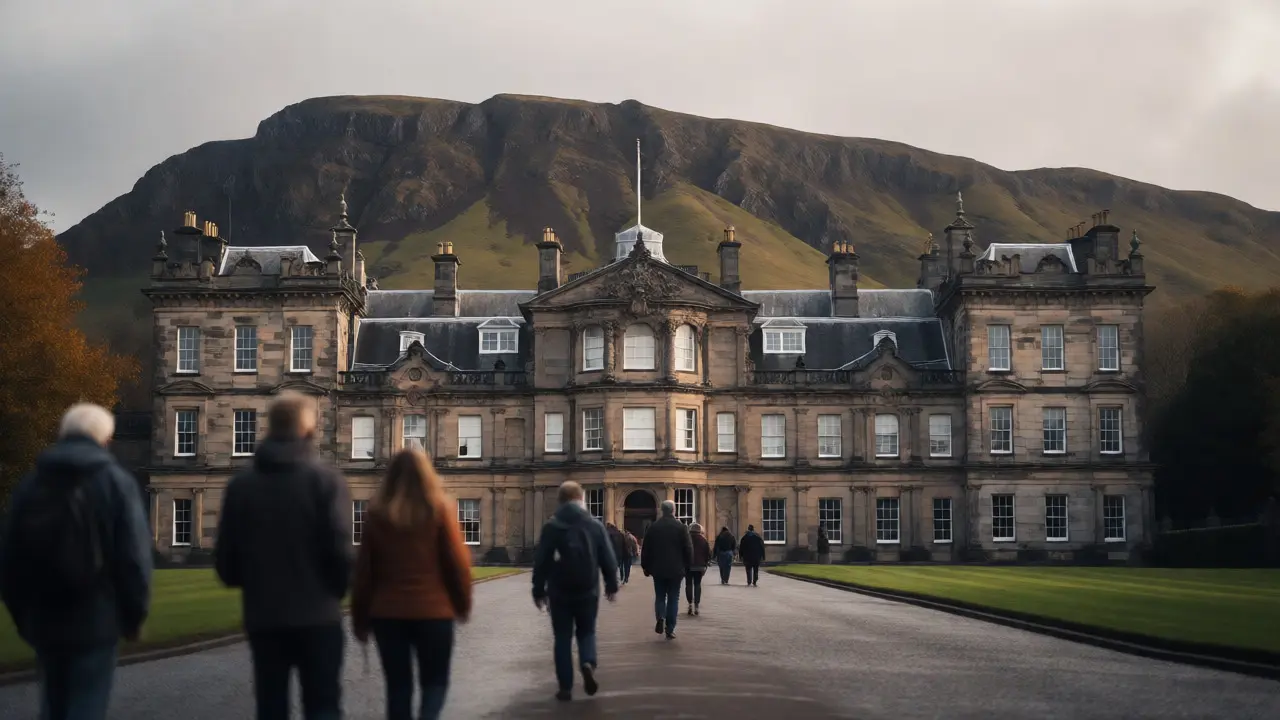
You’re standing at the bottom of the Royal Mile, looking up towards Arthur’s Seat. The wind is biting, typical for October in Edinburgh, but your eyes are fixed on the baroque facade ahead. This isn’t just another historic building; it’s the Palace of Holyroodhouse. It’s the official residence of the British monarch in Scotland, a place where centuries of political intrigue, religious reform, and royal drama unfolded within these stone walls. If you’re planning a visit, you need more than just a ticket. You need to know how to navigate the crowds, what actually gets you into the State Apartments, and why Mary, Queen of Scots’ story still dominates the narrative here.
Why Holyroodhouse Matters More Than Just Another Castle
Let’s be honest: Edinburgh has no shortage of history. You’ve got the Castle Rock dominating the skyline, Stirling Castle holding its ground to the north, and countless ruins scattered across the Highlands. So why bother with Holyrood? Because this palace offers something the others don’t: an intimate look at the personal lives of Scottish monarchs, particularly those who didn’t have the luxury of retreating to London.
The palace sits at the eastern end of the Royal Mile, right next to the Scottish Parliament. This proximity isn’t accidental. For centuries, the palace was the seat of power, literally adjacent to the halls where laws were debated. Today, that dynamic has shifted, but the historical weight remains. When King Charles III visits Scotland, he stays here. Not in a hotel, not in a private estate, but in this working royal residence. That means parts of the palace are closed to the public year-round, which can be confusing if you’re expecting a full tour of every room.
Most visitors come for one reason: Mary, Queen of Scots. Her apartments are preserved almost exactly as they were in the 1560s. You can walk through her bedchamber, see the tapestries she commissioned, and stand in the outer chamber where her secretary, David Rizzio, was murdered in front of her. It’s visceral. Unlike the grand, sterile halls of Buckingham Palace, Holyrood feels lived-in, scarred by violence and passion. Understanding this context transforms a standard museum visit into a genuine encounter with the past.
Navigating Entry Requirements and Ticket Types
Here’s where most tourists get tripped up. There isn’t just one way to enter the Palace of Holyroodhouse. Your access depends entirely on what time you arrive and what you want to see. The palace operates on a split schedule between the State Apartments and the Historic Apartments, and this distinction affects both your cost and your experience.
| Zone | Access Time | Key Highlights | Restrictions |
|---|---|---|---|
| State Apartments | Typically mornings (varies by season) | Throne Room, Ballroom, Royal Gallery | Closed during Royal residencies or state events |
| Historic Apartments | All day when open | Mary Queen of Scots’ rooms, Lord Darnley’s chambers | Audio guide often required or recommended |
| The Queen’s Gallery | Separate ticket usually required | Rotating exhibitions from Royal Collection Trust | Not included in standard palace ticket |
If you buy a standard ticket, you’ll likely get access to the Historic Apartments and the ruins of Holyrood Abbey. But do you get the State Apartments? Maybe. During the summer months, when the Royal Family is less likely to be in residence, the State Apartments are often open all day. In winter, or during specific royal visits, they might only be accessible in the morning slots. Always check the Royal Collection Trust website before booking. Booking online is non-negotiable if you want to avoid wasting an hour in the queue. Same-day tickets sell out fast, especially in July and August.
Another critical detail: audio guides. They aren’t always free. While some basic information panels exist, the deep dive into the stories of Mary Stuart, Bonnie Prince Charlie, and the Jacobite risings comes via the audio tour. It’s worth the extra few pounds. Without it, you’re staring at empty rooms and guessing. With it, you hear the whispers of courtiers and the clatter of carriage wheels outside.
What to See Inside: Beyond the Postcard Views
Once you’re inside, resist the urge to rush toward the gift shop. Start with the Great Gallery. This long, imposing hall is lined with portraits of Scottish kings and queens, many of them painted in the 17th century. Look closely at the faces. Some look stern, others weary. These aren’t just decorations; they were propaganda tools designed to legitimize the monarchy’s rule over a fractious nation. Standing there, you feel the pressure these rulers faced.
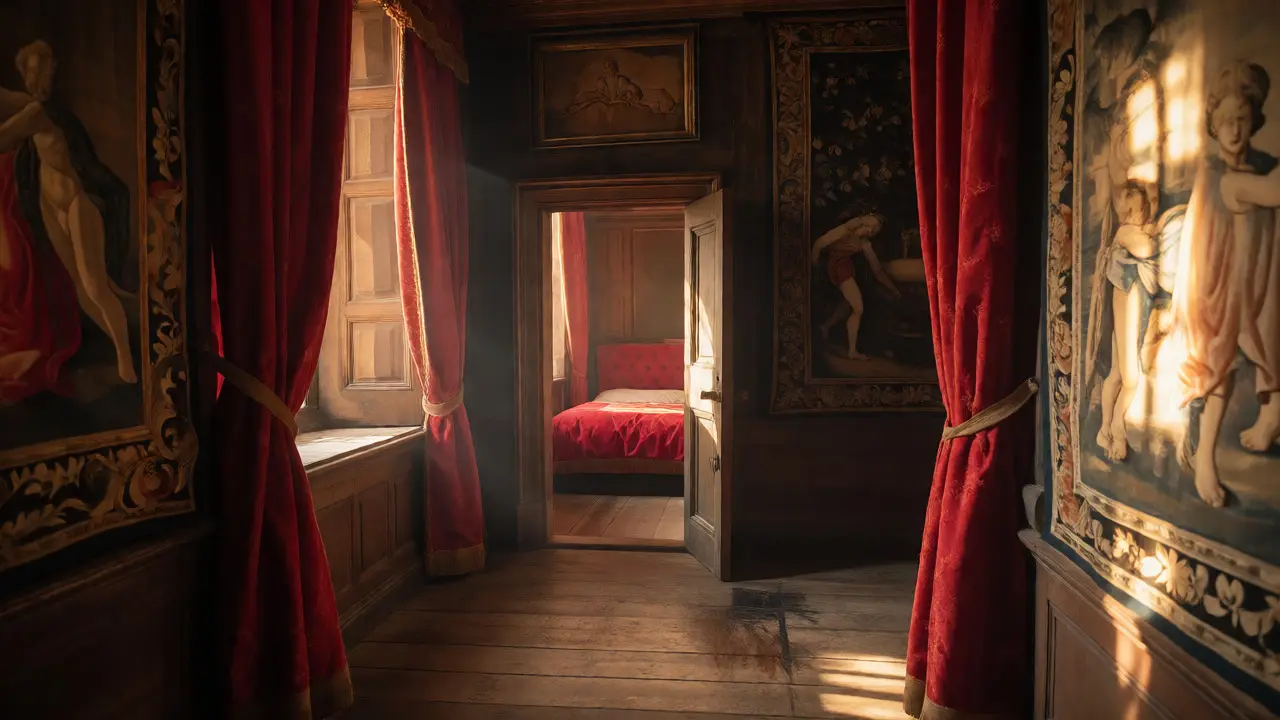
Next, head to the Throne Room. It’s opulent, dripping with gold leaf and red velvet. But notice the size. It’s not massive. Compared to Versailles or even Hampton Court, Holyrood’s throne room is intimate. This reflects Scotland’s smaller court structure. Kings here didn’t have thousands of courtiers jostling for position; they had dozens. This intimacy makes the politics cut deeper. Betrayals happened in these corridors, close enough to touch.
Then, descend to the Historic Apartments. This is the heart of the visit. Mary, Queen of Scots’ Bedchamber is small, cozy, and surprisingly domestic. The tapestries depicting classical myths were woven specifically for her. She slept under them, dreamed under them. The murder of Rizzio took place in the anteroom just off this chamber. You can point to the spot. It’s chilling. Afterward, explore the rooms associated with Bonnie Prince Charlie, who held court here in 1745. His stay was short, chaotic, and ultimately doomed, but his presence left a mark on the local culture that persists today.
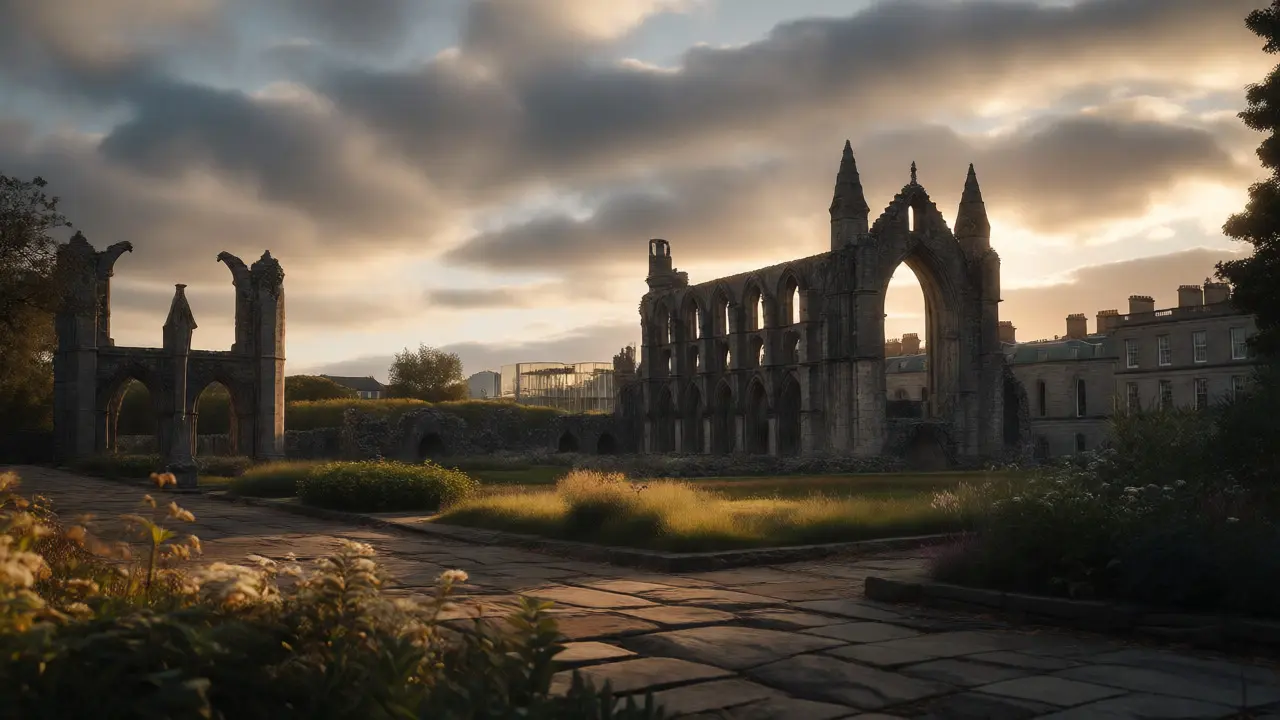
Don’t skip the grounds. The garden behind the palace is peaceful, offering a rare quiet moment away from the noise of the Royal Mile. From here, you get a different perspective on the building. It looks less like a fortress and more like a home. The ruins of Holyrood Abbey are also accessible. Founded in 1128 by King David I, the abbey was once one of the richest in Scotland. Now, it’s a skeletal frame against the sky, perfect for photography and reflection.
Practical Tips for a Stress-Free Visit
Timing is everything. Arrive early, right when the gates open. The first hour is golden. You’ll beat the coach tours that typically arrive around 10:30 AM. By noon, the corridors fill up, and the magic fades slightly. If you’re visiting in October, like today, the light is softer, the crowds thinner, and the atmosphere more somber, fitting for the history you’re exploring.
Dress appropriately. The palace floors are old stone, and the rooms aren’t always heated to tropical levels. Wear comfortable shoes. You’ll be walking on uneven surfaces, climbing stairs, and standing for extended periods. No high heels, please. They’re impractical and disrespectful to the historic fabric.
Food options inside are limited. There’s a café near the entrance, but it’s basic. If you plan to spend three hours exploring, bring water and maybe a snack. Better yet, eat beforehand. The nearby Canongate area has excellent independent cafes and restaurants. A quick breakfast at a local spot before heading to the palace sets you up for a better day.
Accessibility is decent but not perfect. The main areas are wheelchair accessible, but the Historic Apartments involve narrow doorways and uneven steps. Check the current accessibility map on their site if you have mobility concerns. Staff are generally helpful and will try to accommodate requests, but physical limitations of a 16th-century building can’t be fully engineered away.
Common Pitfalls and How to Avoid Them
One major mistake visitors make is assuming the palace is open every single day. It’s not. It closes for Royal duties, state events, and occasionally for maintenance. On days when the King is in residence, large sections are locked down. You might pay for a ticket and find half the palace closed. Read the fine print on your confirmation email. If a closure happens, you’re usually entitled to a refund or exchange, but rearranging your itinerary last minute is stressful.
Another trap is ignoring the Scottish Parliament right next door. Many people walk past it without a second glance. The architecture is controversial-some love it, some hate it-but it’s significant. It’s a modern contrast to the ancient palace. Take ten minutes to walk around it. Seeing the two buildings side-by-side tells the story of Scotland’s evolving governance. Old power vs. new devolution. It’s a powerful visual narrative.
Finally, don’t underestimate the weather. Edinburgh rain is notorious. It doesn’t fall straight down; it blows sideways. Have a sturdy umbrella. If you’re carrying a backpack, make sure it’s waterproof. Wet clothes ruin the experience faster than anything else. And remember, security checks are mandatory. Bags will be searched. Allow an extra fifteen minutes for entry. Don’t try to sneak in liquids larger than 100ml unless you want to toss them in the bin.
Is the Palace of Holyroodhouse open every day?
No, it is not open every day. Closures occur for Royal residencies, state events, and holidays. Always check the Royal Collection Trust calendar before booking to ensure the specific apartments you wish to see are accessible.
How long does it take to visit the Palace of Holyroodhouse?
A typical visit takes between 1.5 to 3 hours. This includes time for the audio guide, exploring the State and Historic Apartments, and viewing the gardens and Abbey ruins. Rushing through in under an hour means missing key details.
Are cameras allowed inside the Palace?
Yes, photography is permitted for personal use in most areas, including the State and Historic Apartments. However, tripods, monopods, and flash photography are prohibited to protect the artworks and maintain flow for other visitors.
Is there parking near the Palace of Holyroodhouse?
Parking is extremely difficult directly at the palace due to pedestrian zones and residential restrictions. It is highly recommended to use park-and-ride facilities or public transport. The nearest paid lots are several blocks away and often fill up quickly.
Can I visit the Queen's Gallery with my palace ticket?
Generally, no. The Queen's Gallery is a separate attraction located within the palace complex but requires its own ticket. Sometimes combined tickets are offered, so check the bundle options when purchasing online to save money if you plan to see both.