

Most people hear "Fife" and picture one thing: St Andrews, the hallowed ground of golf. But if you stop there, you’re missing half the story. I live in Dundee, just across the Tay Bridge, and I’ve spent years exploring this peninsula. It’s not just a pilgrimage site for golfers; it’s a rugged, windswept stretch of coastline that feels worlds away from the tourist crowds.
Fife is a peninsula bounded by the Firth of Forth to the south and the River Tay to the north. It’s accessible via two major bridges-the Kincardine Bridge and the Queensferry Crossing-making it a perfect day trip or weekend escape from Edinburgh or Glasgow. The real magic, however, lies outside St Andrews city center. You need to head east to the East Neuk fishing villages or west to the industrial heritage towns to get the full picture.
Why Fife Deserves More Than a Day Trip
Let’s be honest: traffic into St Andrews can be brutal during peak season. If you’re only here for eighteen holes, fine. But Fife offers a diverse mix of history, nature, and food that requires time. The region has a distinct identity, separate from the Highlands or the Lowlands. It’s flat, fertile, and battered by the North Sea. This geography shapes everything, from the architecture of the stone cottages to the diet of the local population.
You should plan at least three days if you want to cover the highlights without feeling rushed. This allows you to split your time between the historic university town, the charming harbor villages, and the wilder northern coast. Trying to cram it all into one day usually results in spending more time looking for parking than enjoying the view.
St Andrews: Beyond the Golf Course
St Andrews is a medieval university town and the home of golf. Yes, the Old Course is iconic. But the town itself is compact and walkable, which is a relief after driving through narrow country lanes. Start at the ruins of St Andrews Cathedral. Even in its ruined state, it dominates the skyline. Walking through the cloisters gives you a sense of the scale of religious power in pre-Reformation Scotland.
Just next door is St Rule’s Tower. Climb the spiral staircase for a panoramic view over the West Sands. It’s free to enter, and the view is arguably better than paying for a round of golf on a rainy Tuesday. Afterward, wander down North Street to see the academic buildings of the University of St Andrews. Founded in 1413, it’s the third-oldest university in the English-speaking world. The atmosphere is quiet, scholarly, and slightly eerie when the students are on break.
If you’re visiting in summer, expect crowds around the Pilmour Links. But venture off the main drag. The town has excellent independent bookshops and cafes tucked away in side streets. Try The Coffee House for a quick fix or Scotia Bar for a pint with a view of the castle ruins.
The East Neuk: Fishing Villages Worth the Drive
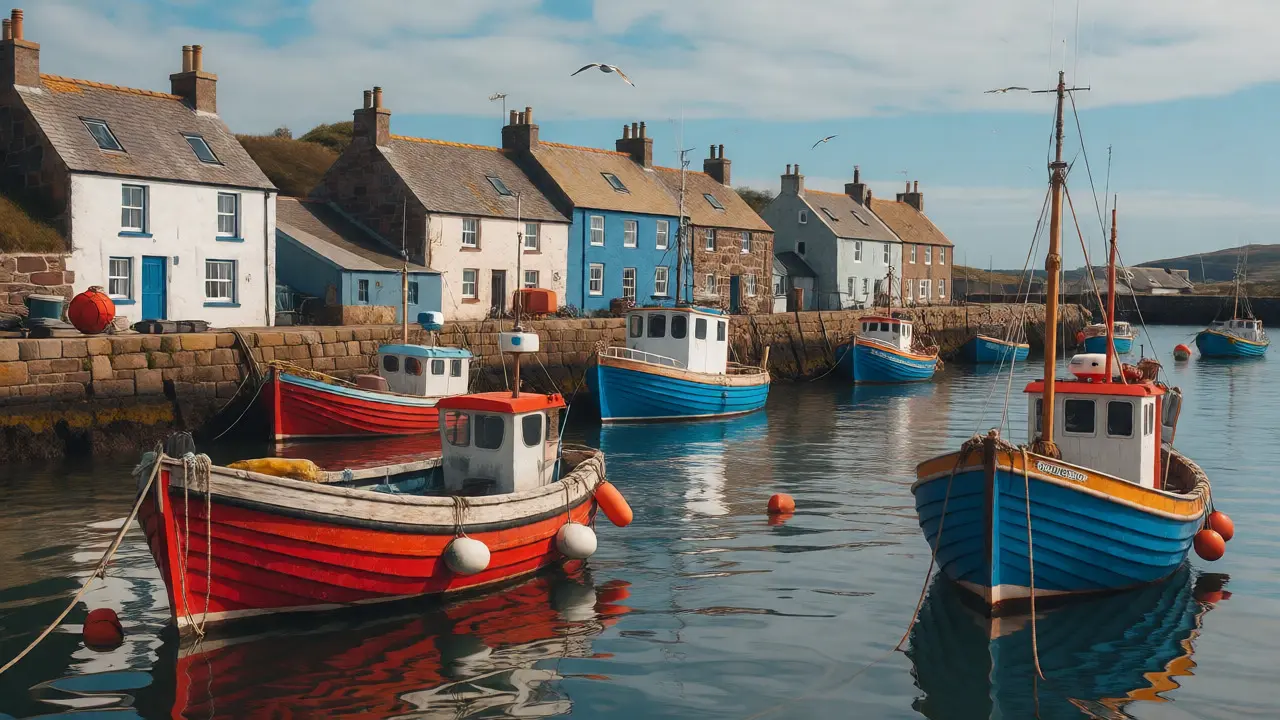
Drive twenty minutes east from St Andrews, and the vibe changes completely. Welcome to the East Neuk, a cluster of former fishing villages clinging to the cliffs. These places-Anstruther, Culross, and Pittenweem-are postcard-perfect but still functioning communities.
Anstruther is the hub. It’s home to the Scottish Fisheries Museum, which does an incredible job of explaining how these small boats survived the North Sea. Don’t skip the museum; it contextualizes why these villages look the way they do. The harbor is alive with activity, even if the commercial fishing fleet has shrunk significantly since the 1970s.
Culross, just up the road, feels like stepping back in time. It was once a major trading port before silting up. Now, it’s a conservation area managed by the National Trust for Scotland. The cobbled streets and restored 17th-century houses are stunning. Park in the designated lot outside town and walk in. Parking inside is a nightmare and often restricted to residents.
| Village | Main Attraction | Best For | Parking Difficulty |
|---|---|---|---|
| Anstruther | Scottish Fisheries Museum | Foodies and History Buffs | Moderate |
| Culross | Palace of Culross | Photography and Architecture | High (Park outside) |
| Pittenweem | Art Galleries | Art Lovers and Quiet Walks | Low |
| Crail | Harbourside Dining | Lunch Stops | Moderate |
Eating Your Way Through Fife
You cannot visit Fife without eating seafood. The region is famous for its langoustines, crab, and mussels. In Anstruther, try The Cellar for fish and chips that actually taste fresh, not frozen. They source directly from the boats in the harbor. It’s expensive, but you’re paying for quality.
For something more upscale, Peat Inn near Balmerino is worth the detour. It’s a Michelin-starred restaurant set in a converted farmhouse. The menu changes daily based on what’s caught that morning. If you’re lucky enough to get a table, order whatever they recommend.
Vegetarians aren’t left out either. The soil in Fife is rich, producing excellent root vegetables and greens. Look for farm shops along the A917. Many sell locally made cheeses, jams, and baked goods. Breadwinner in Cupar is a great spot for breakfast if you’re heading north.
Northern Fife and the Coastal Path
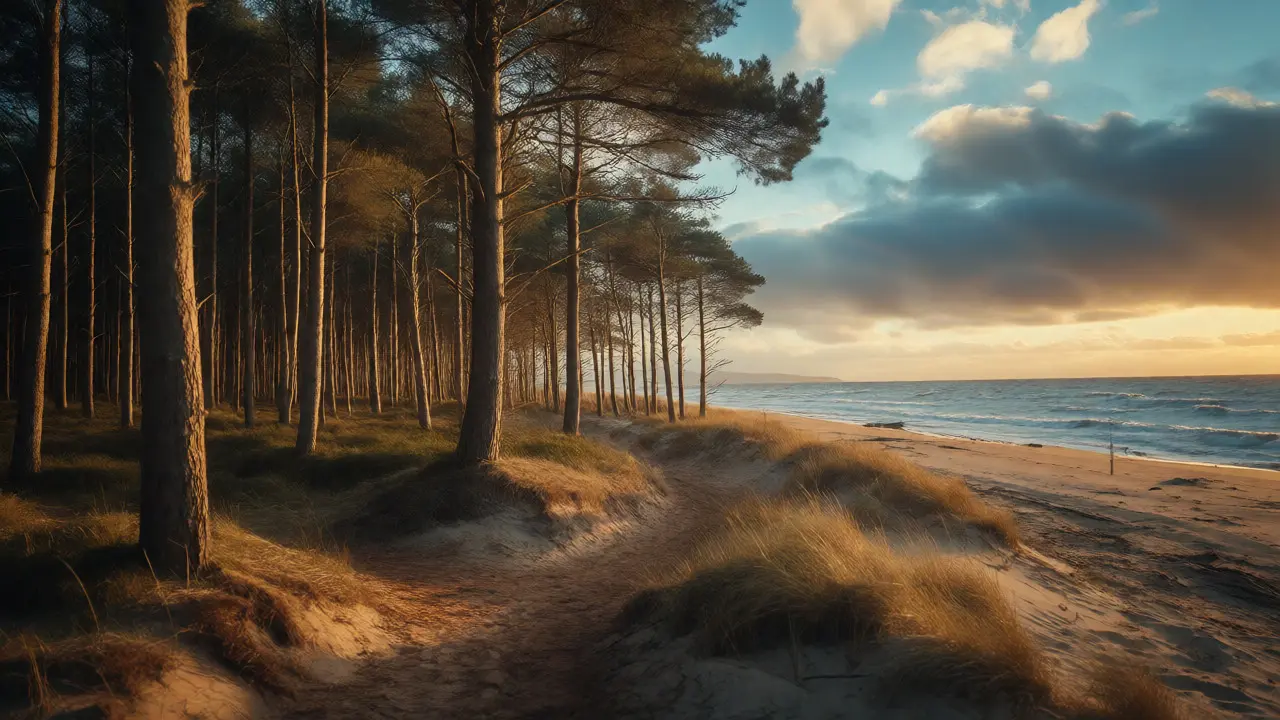
While the East Neuk gets the glory, Northern Fife has raw beauty. The village of Tentsmuir Forest is unique-it’s a pine forest right on the beach. You can walk for miles on soft sand under tall pines. It’s windy, cold, and utterly beautiful.
Further east, Newburgh and Broughty Ferry offer easier access from Dundee. Broughty Ferry has a castle and a wide sandy beach. It’s a popular spot for locals, so it feels authentic rather than staged. The view across the Tay towards Dundee is striking, especially at sunset.
If you enjoy walking, consider part of the Fife Coastal Path. It stretches 117 miles, but you don’t have to do it all. The section from St Andrews to Crail is about eight miles and mostly flat. Pack layers. The weather changes fast on the coast.
Practical Tips for Visiting Fife
Driving is the best way to explore Fife. Public transport exists but is infrequent between villages. Renting a car gives you freedom to pull over for photos or find hidden beaches. Be aware that many roads are single-track with passing places. Take your time and use them correctly.
Weather is unpredictable. Even in July, you might need a raincoat and a sweater. The wind chill on the cliffs can drop temperatures significantly. Check forecasts hourly, not just daily.
Accommodation fills up quickly in St Andrews, especially during Open Championship years or graduation ceremonies. Book months in advance. Alternatively, stay in nearby towns like Pittenweem or Guardbridge and drive in. It saves money and stress.
Related Concepts and Next Steps
Fife connects naturally to other Scottish regions. From the East Neuk, you can take a ferry to the Isle of May for seabird watching. From Northern Fife, you’re close to Dundee, home to the V&A Museum. Consider combining a Fife trip with a visit to Edinburgh, just an hour south via the Queensferry Crossing.
This guide covers the essentials, but Fife rewards curiosity. Ask locals for their favorite spots. Scots love sharing recommendations, especially about where to buy fresh fish or which pub serves the best ale.
Is St Andrews worth visiting if I don't play golf?
Absolutely. The town has a rich medieval history, a beautiful cathedral ruin, a picturesque harbor, and excellent dining options. The golf course is just one attraction among many.
How long does it take to drive from Edinburgh to St Andrews?
It typically takes about 1 hour and 15 minutes via the M90 and A91, depending on traffic. Traffic can be heavier during peak tourist seasons and weekends.
What is the best time of year to visit Fife?
Late spring (May-June) and early autumn (September-October) offer the best balance of decent weather and fewer crowds. Summer is busy and expensive; winter is quiet but can be very windy and cold.
Are the East Neuk villages dog-friendly?
Yes, most pubs and restaurants welcome dogs, especially in the daytime. Beaches are generally dog-friendly, though some areas may have seasonal restrictions during bathing season.
Do I need to book restaurants in advance?
For popular spots like Peat Inn or The Cellar, yes. Booking ahead is recommended, especially on weekends and during holiday periods. Smaller cafes often operate on a first-come, first-served basis.