
You don't need a degree in archaeology to feel the weight of Scottish history. You just need to walk through the right doors. Whether you are standing in the shadow of Edinburgh Castle or wandering the industrial streets of Glasgow, the country’s past is not locked away in dusty archives. It is on display, often in ways that surprise even locals. If you are planning a trip and want to see the real story of Scotland-not just the tourist brochure version-you need to know which cities hold the best collections.
Most visitors flock to Edinburgh first, and for good reason. But limiting yourself to the capital means missing out on the gritty industrial heritage of Glasgow, the maritime soul of Aberdeen, and the literary genius of Stirling. Each city offers a different lens into the same national narrative. Here is where to go, what to look for, and why these specific collections matter.
Edinburgh: The Capital's Crown Jewels
Edinburgh is the obvious starting point. As the former capital of an independent kingdom and later the seat of the United Kingdom's legal system, it holds the most comprehensive overview of the nation's journey. However, "museum" here can mean two very different things: the grand national institution and the intimate historic houses.
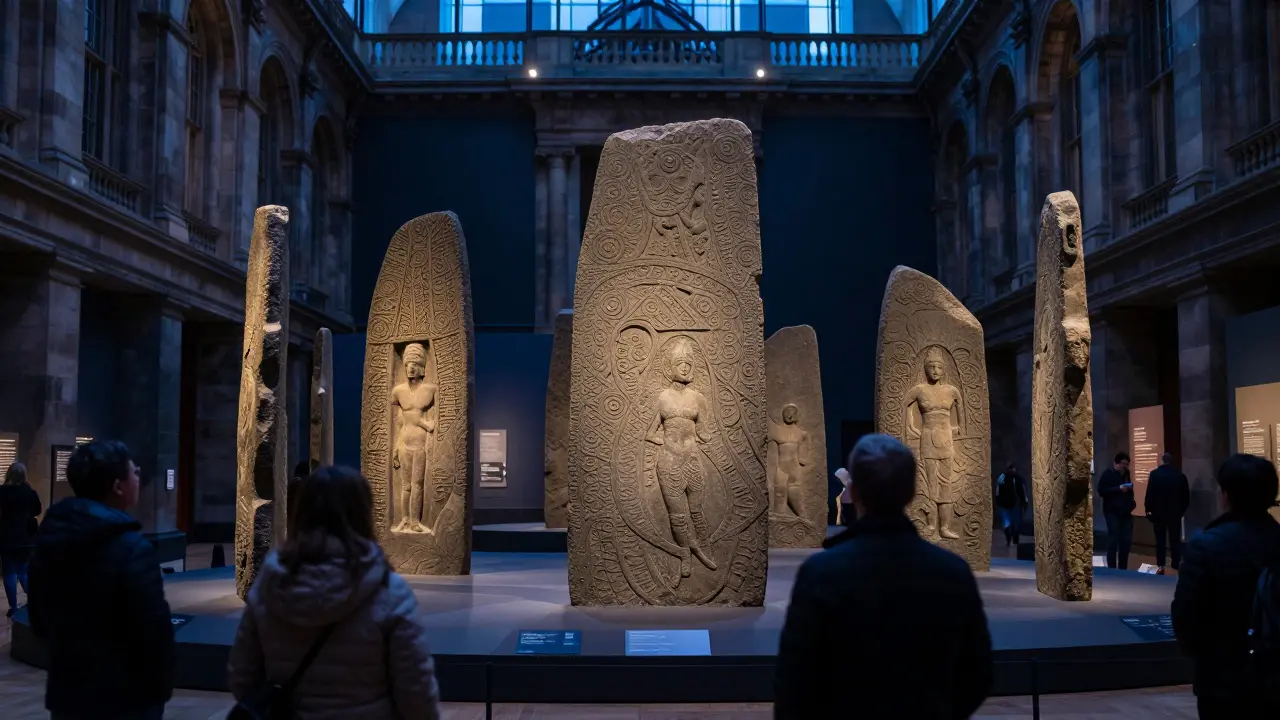
National Museum of Scotland is the largest museum in Scotland, located on Chambers Street in Edinburgh, housing over one million objects spanning natural history, science, technology, and culture. It is the place to start if you want the broad strokes. The galleries are vast, but the highlights are distinct. Look for the Mona Lisa copy (a lesser-known fact) and the incredible collection of Pictish stones. These carved slabs from the early medieval period offer some of the few tangible links to the mysterious people who inhabited northern Britain before the Vikings arrived.
For a more personal connection to royalty, head to the Palace of Holyroodhouse. While technically a working royal palace, its museum-like tours allow you to see the private apartments of Mary, Queen of Scots. Seeing the actual room where she signed her abdication papers adds a layer of gravity that no textbook can replicate. Nearby, the Real Mary King's Close takes you underground into the buried streets of the Old Town. It is claustrophobic, dark, and utterly fascinating. You aren't just looking at artifacts; you are walking in the footsteps of plague victims and smugglers from the 17th century.
Glasgow: Industry, Art, and Empire
If Edinburgh is about kings and queens, Glasgow is about merchants and makers. During the 19th century, this city was one of the wealthiest in the world, thanks to shipbuilding, tobacco, and textiles. Its museums reflect that ambition and its subsequent decline and rebirth.
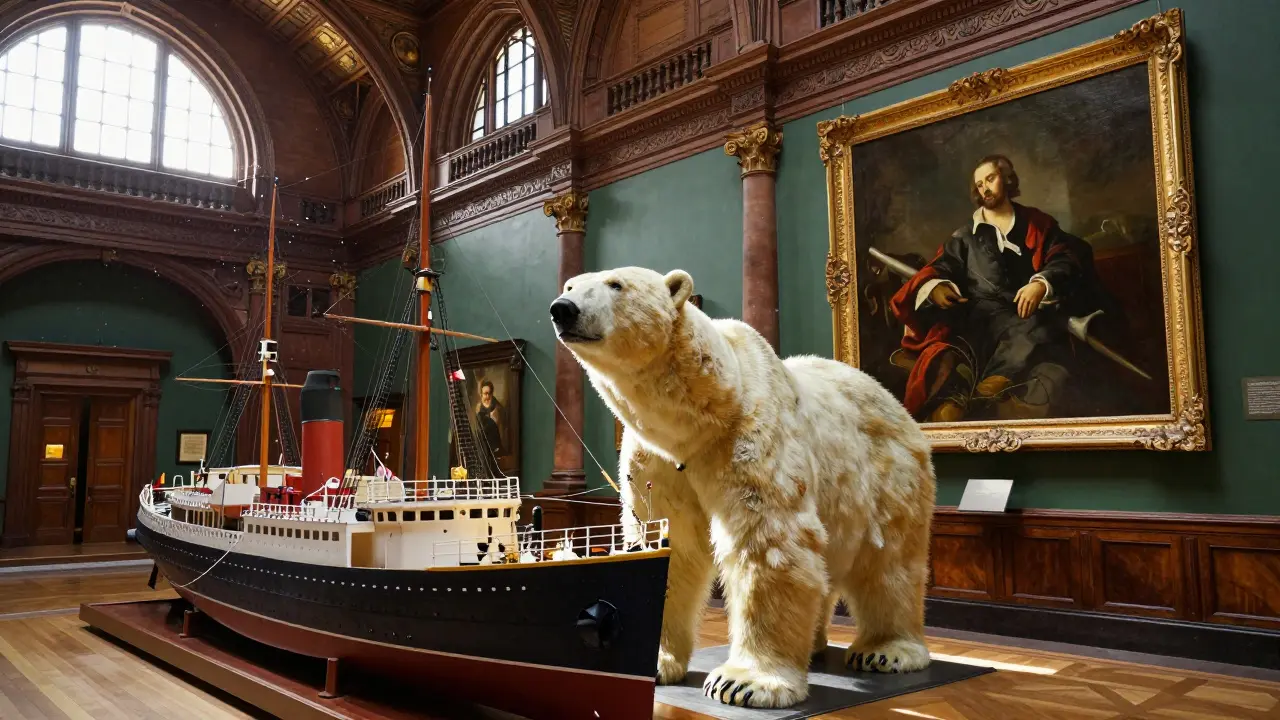
The Kelvingrove Art Gallery and Museum is Glasgow's premier museum, housed in a stunning Gothic Revival building, featuring eclectic collections ranging from fine art to natural history and local history. Unlike many UK museums that separate art from history, Kelvingrove mixes them. You might find a Picasso painting next to a stuffed polar bear and a model of a Clyde-built steamship. This chaotic energy mirrors the city itself. Don't miss the Clyde Shipbuilding exhibits, which detail how Glasgow became the "Second City of the Empire."
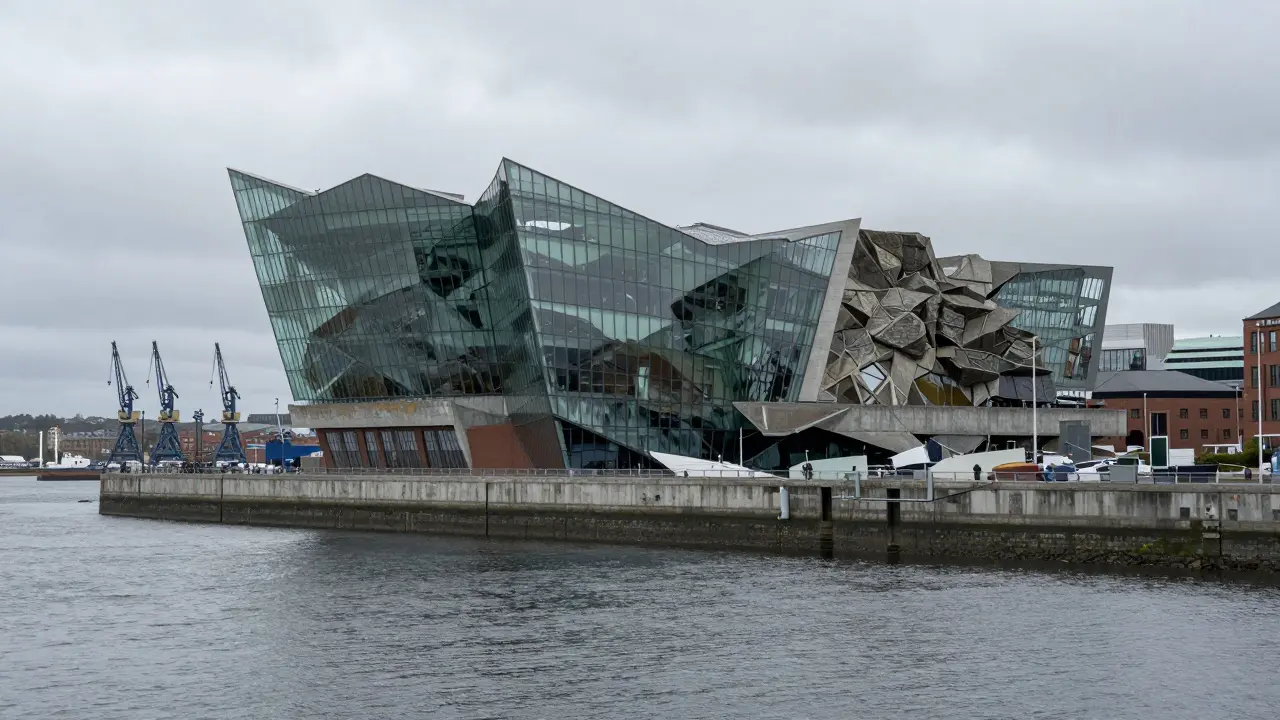
For a darker side of this imperial wealth, visit the Riverside Museum. Located in a converted bus depot on the banks of the River Clyde, it celebrates transport but also tells the story of how goods moved in and out of the port. The architecture alone is worth the ticket. Inside, the interactive exhibits let you climb into vintage buses and trams, making it a hit with families. However, the real historical value lies in the narratives about the workers who built these vehicles and the global trade routes that fueled them.
Don't overlook the Mackintosh House at the Hunterian. Restored to its original state, this small house designed by Charles Rennie Mackintosh offers a glimpse into the Arts and Crafts movement. It is quiet, precise, and beautifully preserved, offering a stark contrast to the bustling energy of Kelvingrove.
Aberdeen: Granite, Gold, and Oil
Aberdeen’s history is written in stone-literally. Known as the Granite City, its buildings glow pink in the sunlight. The city’s museums focus heavily on its maritime identity and its role in the North Sea oil boom.
The Aberdeen Maritime Museum is located within the historic Union Terrace Gardens, focusing on the city's deep connections to the sea, including fishing, whaling, and offshore oil industries. Housed in a Victorian pump house, it uses immersive audio-visual experiences to recreate the sounds of the harbor. The exhibit on the North Sea Oil industry is particularly strong, detailing how Aberdeen transformed from a declining port to the energy capital of Europe in the 1970s.
For ancient history, the Aberdeen Archaeological and Natural History Museums (often called the AANHM) are hidden inside the University of Aberdeen campus. They hold one of the finest collections of Pictish stones outside of Edinburgh. The St Vigeans Stone replica here is massive and intricately carved, showcasing the artistic sophistication of early Christian Scotland. It is a quieter experience than Edinburgh, allowing for deeper contemplation of these ancient symbols.
Stirling: The Gateway to the Highlands
Stirling may be smaller, but its strategic location made it crucial to Scottish independence. It sits at the narrowest point of the Central Valley, controlling access between the Lowlands and the Highlands. Its museums are focused on military history and literature.
The Stirling Smith Art Gallery and Museum is a gem often skipped by tourists. It houses significant collections of Celtic jewelry and Roman artifacts found in the region. More importantly, it connects deeply with Robert Burns, whose birthplace is nearby. The gallery’s rotating exhibitions often highlight local artists, providing context to the cultural landscape of the 18th and 19th centuries.
However, the true star of Stirling is Stirling Castle. While primarily a fortress, its interiors serve as a living museum of royal life. The Great Hall, where James VI was crowned, still echoes with the memory of court ceremonies. The Chapel Royal contains the tombs of several Stewart monarchs. Walking through the castle grounds gives you a physical sense of why this location was so contested during the Wars of Independence. You can almost hear the clash of swords near the site of the Battle of Bannockburn, which is just a short drive away.
Dundee: Jute, Jam, and Journalism
Living here in Dundee, I see firsthand how our city has reinvented itself. Once known for jute, jam (Jammie Dodgers), and journalism (the D.C. Thomson empire), Dundee now boasts a world-class museum dedicated to video games.
The V&A Dundee is Scotland's first design museum, part of the Victoria and Albert Museum network, located on the waterfront with striking architecture by Kengo Kuma. While it focuses on design, its exhibitions frequently explore Scottish industrial heritage. The permanent gallery showcases how Scottish design influenced the world, from tartan patterns to modern furniture. The views of the Firth of Tay are breathtaking, reminding visitors of Dundee’s historic importance as a port.
For pure gaming history, the National Videogame Museum of Scotland is essential. It traces the evolution of digital play from the earliest arcade machines to today’s virtual reality experiences. It highlights Dundee’s role as a hub for game development, home to studios like Rockstar North (creators of Grand Theft Auto). This museum shows how Scotland’s creative spirit has evolved from weaving jute to coding code.
Inverness: The Highland Heart
Inverness is the gateway to the Highlands, and its museums reflect the rugged beauty and complex clan history of the north. The Museum of the Highland Regiment is housed in a former police station and offers a detailed look at the military contributions of Highlanders. Uniforms, medals, and personal diaries tell stories of service around the world.
For a broader perspective, the Highland Railway Heritage Centre in Inverness station tells the story of how railways connected remote communities. The arrival of the train changed everything for the Highlands, bringing tourists and goods but also accelerating emigration. The center’s artifacts include vintage tickets, locomotives, and photographs that capture the transformation of the landscape.
Comparison of Top Scottish History Museums
| City | Museum Name | Primary Focus | Best For | Approx. Visit Time |
|---|---|---|---|---|
| Edinburgh | National Museum of Scotland | General History & Science | First-time visitors, families | 3-4 hours |
| Glasgow | Kelvingrove Art Gallery | Industrial Heritage & Art | Art lovers, history buffs | 2-3 hours |
| Aberdeen | Aberdeen Maritime Museum | Maritime & Oil Industry | Sea history enthusiasts | 1-2 hours |
| Stirling | Stirling Castle | Royal & Military History | Medieval history fans | 2-3 hours |
| Dundee | V&A Dundee | Design & Industrial Culture | Design students, architects | 2 hours |
Practical Tips for Your Museum Tour
Planning your visits requires some strategy. Many of these museums are free, but donations are appreciated. Check opening times online, as they can vary significantly between summer and winter. For example, smaller museums in Stirling or Inverness may close earlier in November compared to July.
- Book in Advance: Popular sites like Stirling Castle and Real Mary King's Close require timed tickets. Booking online saves time and guarantees entry.
- Combine Visits: In Edinburgh, pair the National Museum with the nearby Scottish National Portrait Gallery. In Glasgow, Kelvingrove is close to the Botanic Gardens, making for a pleasant afternoon.
- Use Audio Guides: Most major museums offer audio guides. They provide context that placards often lack, especially for complex topics like Pictish symbolism or shipbuilding techniques.
- Check for Temporary Exhibitions: Museums often host special exhibits that rotate every few months. These can offer unique perspectives on familiar topics.
Frequently Asked Questions
Which museum is best for children interested in Scottish history?
The National Museum of Scotland in Edinburgh is excellent for children due to its interactive displays and diverse collections. The Riverside Museum in Glasgow is also highly engaging, with hands-on exhibits about transport. Both locations offer family-friendly activities and workshops.
Are these museums free to enter?
Yes, most major public museums in Scotland, including the National Museum of Scotland, Kelvingrove, and V&A Dundee, have free general admission. Special temporary exhibitions may charge a fee. Historic sites like Stirling Castle and Holyrood Palace do charge entry fees.
How much time should I spend at each museum?
Plan for 2-3 hours at large institutions like the National Museum of Scotland or Kelvingrove. Smaller, focused museums like the Aberdeen Maritime Museum or Stirling Smith can be covered in 1-2 hours. Castles like Stirling Castle typically require 2-3 hours to fully explore.
What is the most unique artifact in Scottish museums?
The Pictish stones are among the most unique, found in both Edinburgh and Aberdeen. Additionally, the Lewis Chessmen, housed in the National Museum of Scotland, are iconic medieval artifacts carved from walrus ivory and whale teeth, dating back to the 12th century.
Is it better to visit museums in summer or winter?
Summer offers longer opening hours and more special events, but museums can be crowded. Winter provides a quieter experience, and indoor museums make great stops during rainy days. Some smaller regional museums may have reduced hours in winter, so check schedules beforehand.