
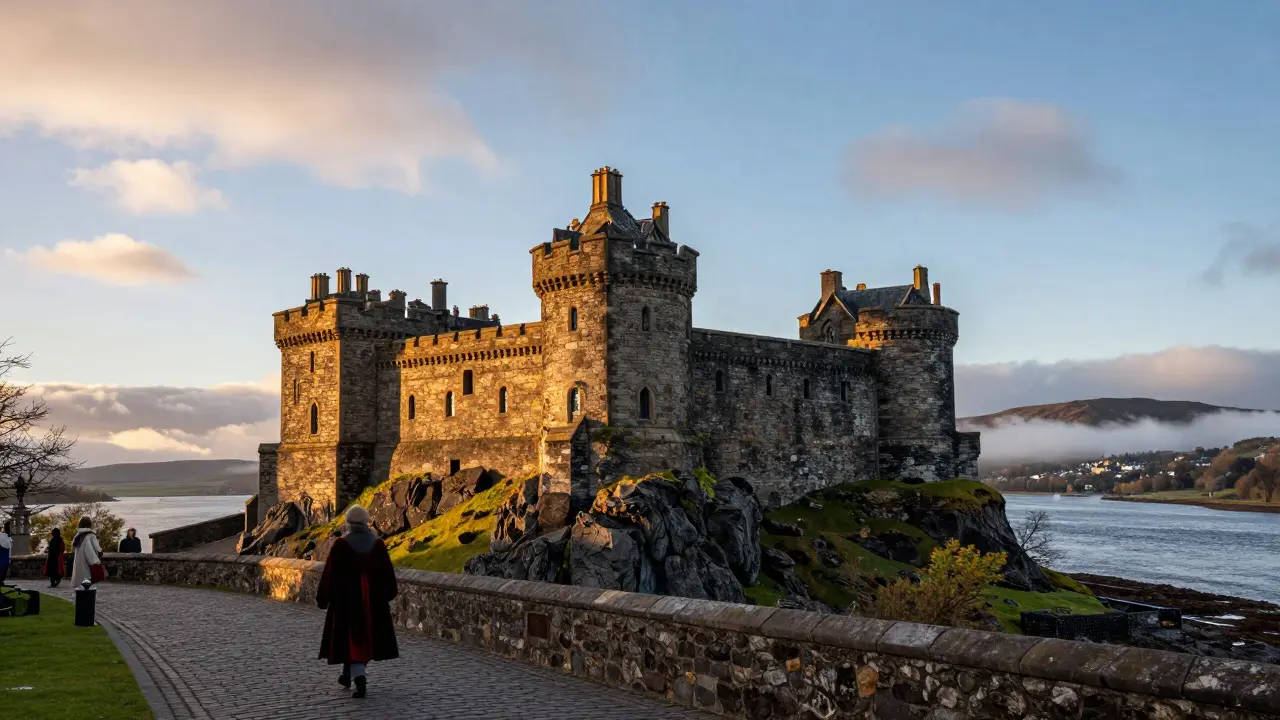
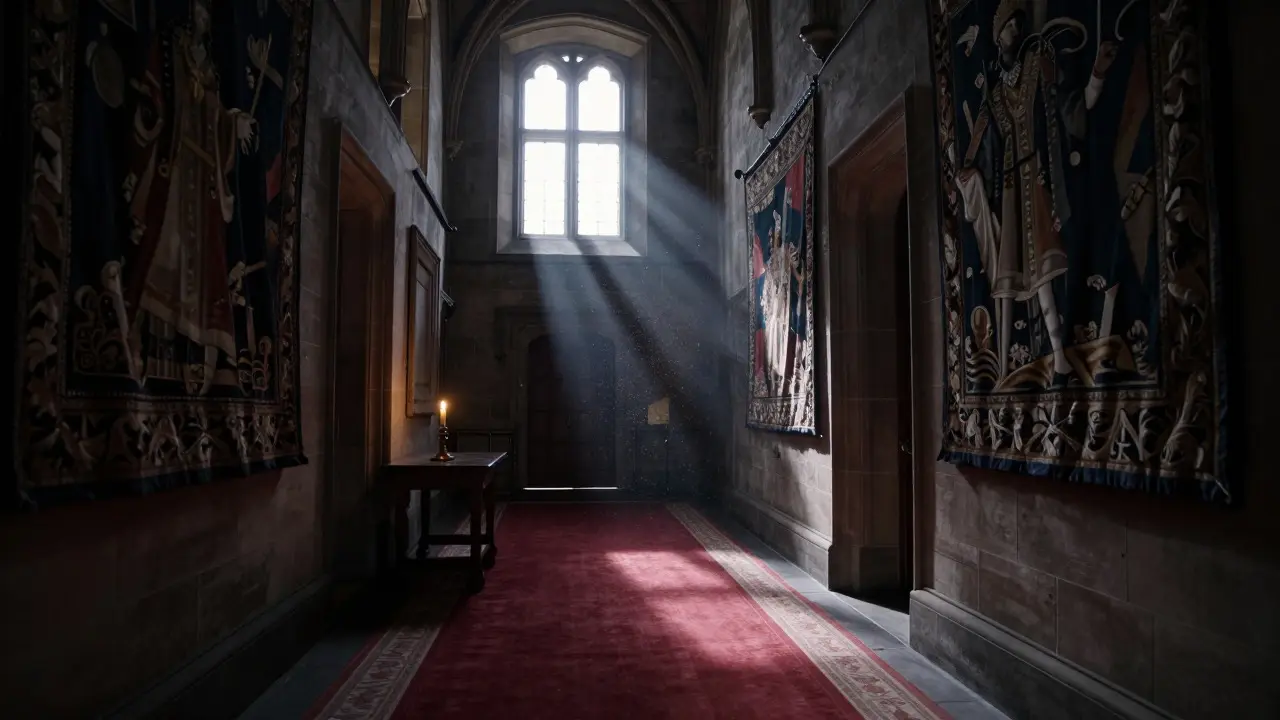
Imagine standing in a cold stone corridor where a queen once paced, waiting for a letter that would change her fate. That is the power of the Mary Queen of Scots Trail, a journey through time that connects the key locations of one of history’s most dramatic lives. This isn’t just a list of old buildings; it is a narrative written in stone, spanning from the misty peaks of the Highlands to the rugged coast of Fife. For anyone interested in Scottish history and royal heritage, this route offers a tangible connection to the turbulent 16th century.
Why Follow the Mary Queen of Scots Route?
The story of Mary Stuart is not a straight line. It is a web of alliances, betrayals, escapes, and imprisonment. By visiting these sites in order, you stop seeing isolated ruins and start understanding the political chess game of Renaissance Europe. You will see why she fled north, how she hid in caves, and where she finally faced her end. This context turns a standard sightseeing trip into an immersive historical experience. Whether you are a seasoned historian or a casual traveler, the emotional weight of these places sticks with you long after you leave.
Starting Point: Stirling Castle and the Birth of a Queen
Your journey begins at Stirling Castle, located on a volcanic rock overlooking the River Forth. This was not just any castle; it was the cradle of kings. Mary was crowned here when she was only six days old in 1543. Walking through the Great Hall, you can almost hear the echoes of that infant coronation. The castle’s strategic position made it a fortress of choice, but for Mary, it was also a place of early danger and eventual escape.
Don’t miss the King’s Old Palace, which has been restored to show what life looked like for the nobility in the 1500s. The contrast between the grandeur of the throne room and the starkness of the dungeon highlights the precarious nature of power during Mary’s reign. From Stirling, the trail moves south toward Edinburgh, following the path Mary took as she consolidated her authority.
Edinburgh: Power, Marriage, and Betrayal
In Edinburgh, the capital city serves as the stage for Mary’s most controversial years. Two sites stand out: Holyrood Palace and Edinburgh Castle. At Holyrood, you walk the same corridors where Mary lived with her second husband, Lord Darnley, and later with her secretary, David Rizzio. The atmosphere here is thick with tension. You can visit the very room where Rizzio was murdered in front of the pregnant queen. It is a chilling reminder of the violence that surrounded her court.
Next, head up to Edinburgh Castle. While Mary spent less time here than in other locations, it remains symbolic of her struggle for control. The crown jewels of Scotland, including the Honours of Scotland used in her coronation, are kept here. Seeing them close up helps ground the abstract history in physical reality. After leaving Edinburgh, the trail takes a sharp turn westward, marking the beginning of Mary’s flight from her enemies.
Dumbarton Castle: The First Escape
After escaping from Loch Leven Castle (which we will cover next), Mary fled to Dumbarton Castle, perched dramatically on a basalt crag above the River Clyde. This fortress was impregnable by design, with walls so thick they could withstand cannon fire. Mary stayed here briefly while plotting her next move. Today, the castle is owned by Historic Environment Scotland and offers some of the best views in the country. Standing on the ramparts, you can understand why this location was chosen for refuge-it is isolated, defensible, and visually commanding.
Loch Leven Castle: Imprisonment and Escape
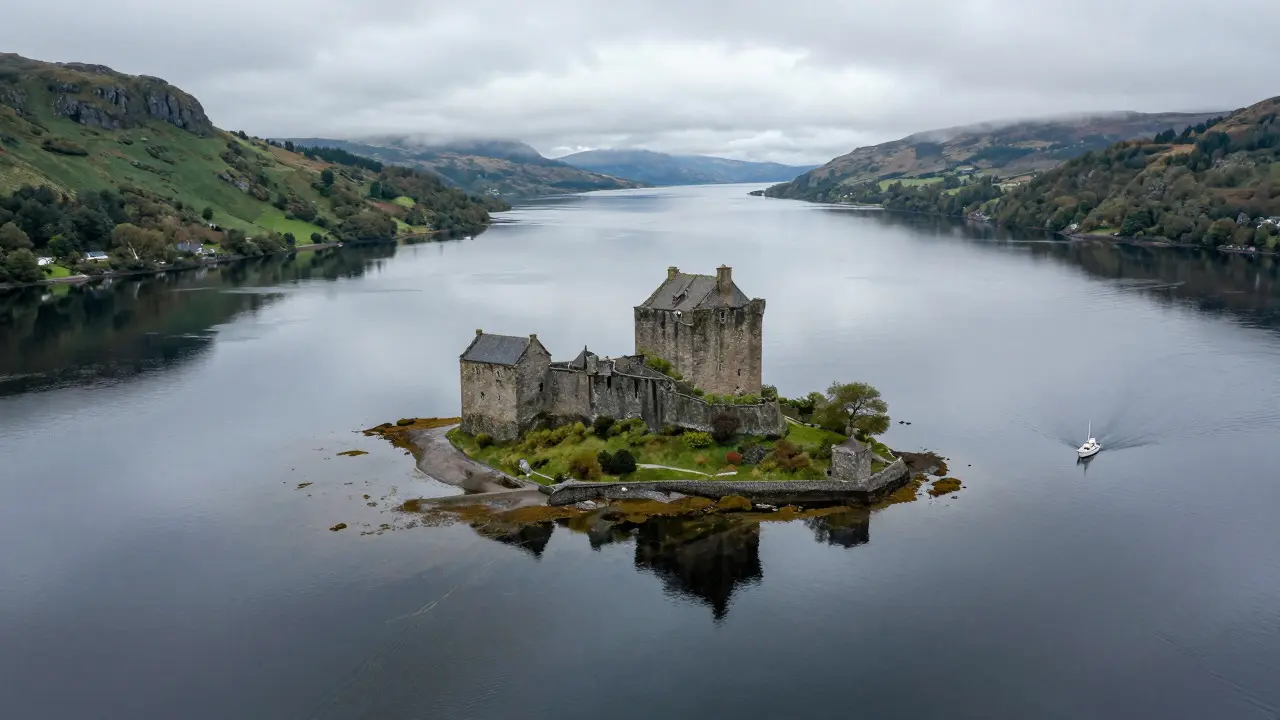
No trip on the Mary Queen of Scots Trail is complete without visiting Loch Leven Castle. Located on a tiny island in the middle of a lake in Kinross-shire, this small fortress holds immense historical significance. Mary was imprisoned here in 1567 after being forced to abdicate the throne. Yet, it was also the site of her daring escape. With the help of sympathetic guards, she slipped down from the tower using a rope ladder disguised as laundry. The castle itself is modest compared to Stirling or Edinburgh, but its isolation makes it incredibly atmospheric. Take the boat ride out to the island slowly; let the silence of the water settle around you before stepping onto the stones where freedom was reclaimed.
Craigmillar Castle: Secrets and Plots
Just outside Edinburgh lies Craigmillar Castle, a ruined stronghold that feels more mysterious than majestic. This was Mary’s secret base of operations. She came here to meet with loyal lords who plotted against her husband, Darnley. The castle features unique underground passages and hidden rooms, perfect for clandestine meetings. Exploring the ruins requires a bit of imagination, but guides often share stories about the secret tunnels that may have connected different parts of the castle. It is a favorite spot for those who enjoy the darker, more conspiratorial side of Mary’s story.
Falkland Palace: A Brief Moment of Peace
Before heading north again, stop at Falkland Palace in Fife. Unlike many other sites on the trail, Falkland is well-preserved and showcases the domestic side of royal life. Built in the early 16th century, it was a favored residence for several monarchs, including James VI. Mary visited here frequently, enjoying the tennis courts and the nearby hunting grounds. The palace’s symmetry and elegant architecture provide a stark contrast to the fortified castles elsewhere on the route. It reminds us that behind the political turmoil, there were moments of leisure and normalcy.
Huntingtower Castle: The Final Captivity
Further east in Fife stands Huntingtower Castle, a remote and haunting ruin. This was where Mary was held captive for several months in 1568, under the guard of John Erskine, Earl of Mar. The castle sits on a hilltop, offering panoramic views of the surrounding countryside. Its isolation reflects the loneliness of Mary’s final years in Scotland. Although much of the structure has collapsed, the remaining walls still convey a sense of confinement and desolation. It is a poignant stop, marking the end of her active resistance in Scotland before her flight to England.
Practical Tips for Your Journey
- Plan your route carefully: The sites are spread across Scotland, so consider grouping them geographically. Start in the Central Belt (Stirling, Edinburgh, Craigmillar) before moving to the Highlands (Loch Leven) and then Fife (Falkland, Huntingtower).
- Check opening times: Some smaller castles, like Huntingtower, have limited access hours. Always verify schedules online before traveling.
- Join guided tours: Many sites offer audio guides or live tours that add depth to the experience. For example, the tour at Loch Leven includes details about Mary’s escape that you might miss otherwise.
- Wear comfortable shoes: These are ancient structures with uneven floors and steep stairs. Proper footwear is essential for safety and comfort.
- Book tickets in advance: During peak tourist seasons (June to August), popular sites like Stirling Castle and Edinburgh Castle can get crowded. Online booking saves time and ensures entry.
Comparison of Key Sites on the Trail
| Site Name | Location | Historical Significance | Best For |
|---|---|---|---|
| Stirling Castle | Stirling | Mary’s coronation at age 6 days | Family-friendly history, great views |
| Holyrood Palace | Edinburgh | Murder of Rizzio, marriage to Darnley | Understanding court intrigue |
| Loch Leven Castle | Kinross-shire | Imprisonment and dramatic escape | Atmospheric solitude, boat rides |
| Craigmillar Castle | Edinburgh outskirts | Secret meetings, plotting against Darnley | Ruins exploration, mystery lovers |
| Falkland Palace | Fife | Royal residence, tennis courts | Architecture enthusiasts, relaxed pace |
Final Thoughts on the Trail
The Mary Queen of Scots Trail is more than a collection of castles. It is a journey through the complexities of leadership, love, and survival. Each site adds a layer to the story, helping you piece together the life of a woman who defied expectations until the very end. As you walk these halls and climb these towers, remember that you are treading on ground shaped by ambition and tragedy. Take your time, listen to the stories, and let the history speak for itself.
How many days do I need to complete the Mary Queen of Scots Trail?
You can comfortably cover the main sites in 3-5 days if you focus on the Central Belt and Fife. If you want to include Loch Leven and take a more leisurely pace, plan for 5-7 days. Driving between sites allows flexibility, but public transport options exist in major cities like Edinburgh and Stirling.
Is the trail suitable for children?
Yes, many sites are family-friendly. Stirling Castle and Edinburgh Castle have interactive exhibits and open spaces for kids to explore. However, some ruins like Craigmillar and Huntingtower require caution due to uneven terrain. Always supervise children near edges and staircases.
Can I visit all the sites without a car?
Visiting all sites without a car is challenging but possible for urban locations. Edinburgh, Stirling, and Falkland are accessible via train or bus. Remote sites like Loch Leven and Huntingtower may require local taxis or organized tours. Consider renting a car for greater convenience.
What is the best time of year to visit?
Spring (April-May) and autumn (September-October) offer mild weather and fewer crowds. Summer (June-August) is peak season with longer daylight hours but higher prices and more tourists. Winter visits provide a moody atmosphere but shorter operating hours for some sites.
Are guided tours available for the entire trail?
While no single tour covers every site, many companies offer multi-day packages focusing on specific regions. Individual sites often have audio guides or live docents. Booking private guides enhances the experience significantly, especially for deeper historical insights.