
Most visitors to Scotland head straight for the big hitters. You’ve got Edinburgh Castle looming over the capital, Glasgow’s Kelvingrove Art Gallery and Museum drawing massive crowds, and the National War Memorial in Edinburgh serving as a solemn reminder of conflict. These places are incredible, sure. But if you want to understand the actual heartbeat of this country-the daily struggles, the quirky traditions, and the specific stories that shaped individual communities-you need to look elsewhere.
The real magic happens in the local history museums. These aren’t just dusty rooms with old farming tools behind glass. They are vibrant, often volunteer-run hubs where the story of a specific village or town is kept alive by the people who live there. From the mining heritage of Fife to the fishing villages of the Hebrides, these small-town gems offer a level of intimacy and detail that national institutions simply can’t match.
Why Local History Museums Matter More Than You Think
When we talk about heritage, we often think of grand narratives. Kings, queens, battles, and treaties. But local history museums focus on the micro-narratives. They answer questions like: What did the schoolteacher in this parish eat for breakfast? How did the locals react when the railway finally arrived in 1895? Who was the most notorious smuggler in this coastal hamlet?
This shift from macro to micro changes how you experience travel. It turns a sightseeing trip into a time-traveling conversation. In a place like Pitlochry, a popular tourist stop in the Highlands, the local museum doesn’t just show you photos; it explains how the construction of the dam transformed the economy from subsistence farming to tourism. That context makes every view from the bridge more meaningful.
Furthermore, these museums are often the guardians of intangible heritage. They hold the oral histories, the dialects, and the recipes that would otherwise vanish. If you’re looking to connect with the authentic soul of Scotland, skipping the queue at the castle for a quiet chat with a curator in a village hall is usually the better bet.
The Volunteers Behind the Glass Cases
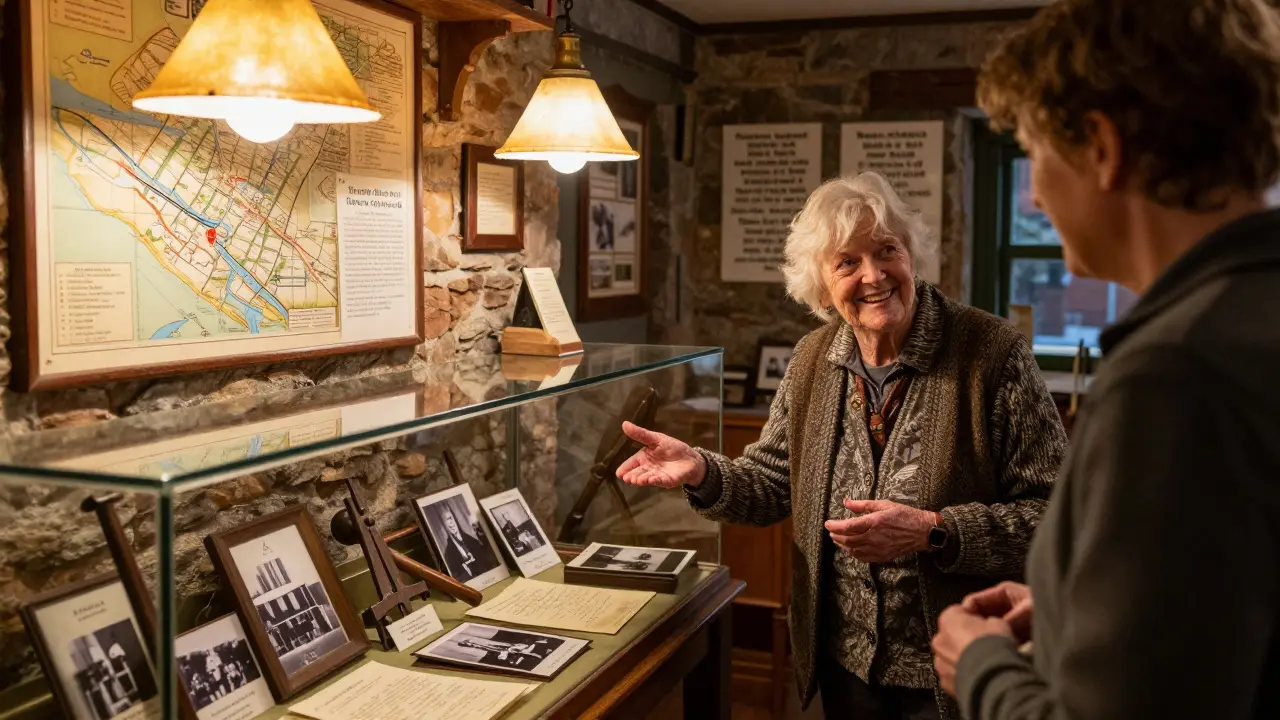
You cannot talk about Scottish local museums without talking about the people who run them. Unlike the state-funded giants in Edinburgh and Glasgow, most local history museums operate on shoestring budgets. They rely heavily on volunteers-often retirees, teachers, or local historians-who have spent decades collecting artifacts and researching family trees.
This has a direct impact on your visit. When you ask a question at the National Museum of Scotland, you might get a polite but generic answer from a staff member trained in customer service. At a local museum in Dumfries, for example, you might end up having a twenty-minute conversation with a woman whose grandmother worked in the textile mills displayed right next to her. She knows which loom was broken in 1920 and why. That personal connection is invaluable.
However, this reliance on volunteers also means opening hours can be unpredictable. Many smaller museums are only open on weekends or require booking in advance. Always check their social media pages before making a special trip. The passion is there, but the infrastructure is fragile.
Gems in the Lowlands: Beyond Edinburgh and Glasgow
The Central Belt is densely populated, which means it’s packed with small towns that have rich industrial and agricultural histories. Here are a few standout examples that deserve a detour.
| Museum Name | Location | Key Focus | Unique Feature |
|---|---|---|---|
| The People’s Story | Edinburgh (Leith) | Working-class life in the 19th century | A recreated tenement flat with audio recordings of residents |
| Glasgow Life Museums (Various) | Glasgow suburbs | Industrial heritage and local communities | Deeply integrated with local school curricula |
| Dundee Heritage Centre | Dundee | Jute industry and shipbuilding | Archives containing millions of documents on local families |
| Perth Museum | Perth | Local archaeology and civic history | Recent renovations focusing on interactive displays |
In Dundee, my hometown, the heritage scene is deeply tied to our industrial past. While the V&A Dundee gets all the architectural press, the local archives and smaller exhibits tell the gritty story of jute workers and the women who dominated the industry. Walking through those records, you realize that the city’s skyline wasn’t built by kings, but by laborers earning pennies a day. That perspective shifts how you see the modern city.
Highland and Island Treasures: Isolation and Identity
Move north, and the nature of local history changes. In the Highlands and Islands, museums often focus on clan history, crofting (small-scale farming), and the devastating impacts of the Clearances. These are sensitive topics, handled with care and respect by local communities.
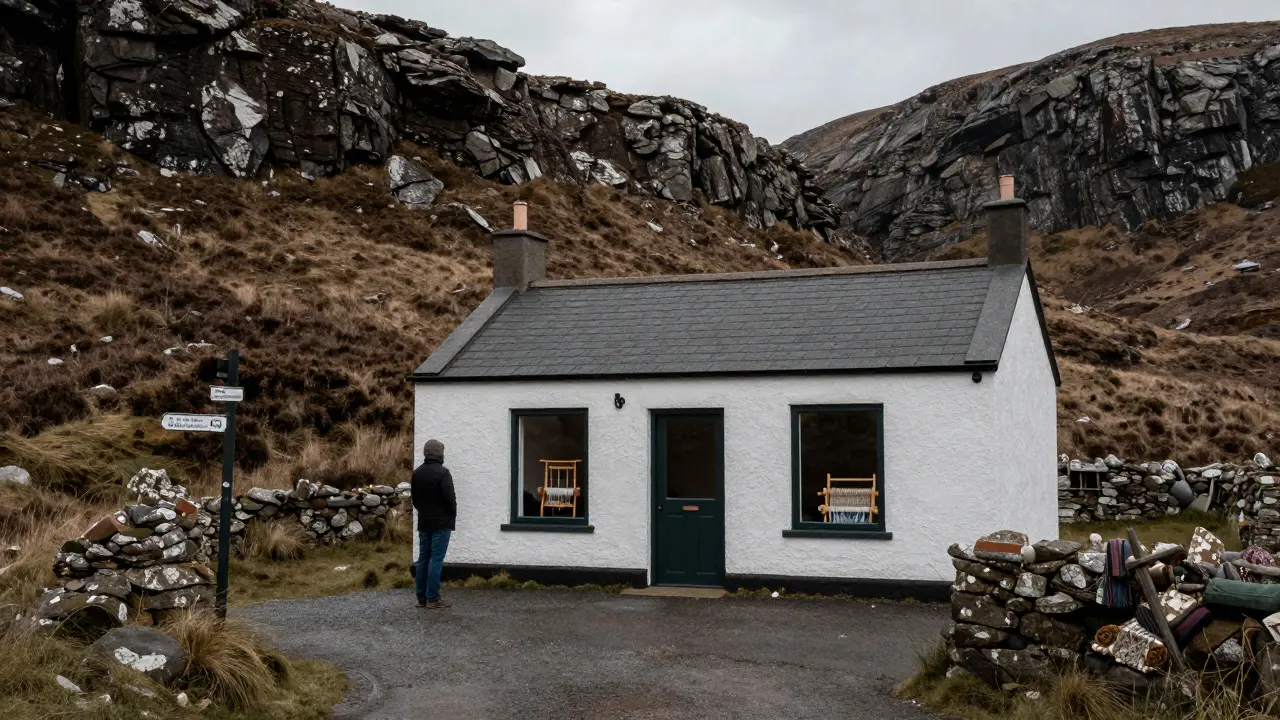
In Stornoway on the Isle of Lewis, the local museum delves into the Harris Tweed industry. You don’t just see the cloth; you learn about the legal definition of Harris Tweed, the orb mark, and the home-based weavers who still produce it today. It’s a living history, not a dead one.
Similarly, in the Outer Hebrides, many small community centers double as history museums. They showcase traditional boat-building techniques and Gaelic language resources. For travelers interested in linguistics or maritime history, these spots are goldmines. The isolation of these islands meant that cultures developed in distinct ways, and the museums preserve those unique identities against the tide of globalization.
Coastal Communities: Fishing, Smuggling, and Trade
Scotland’s coastline is jagged and extensive, meaning almost every town has a maritime history. Local museums here often blend several themes: commercial fishing, smuggling, and naval defense.
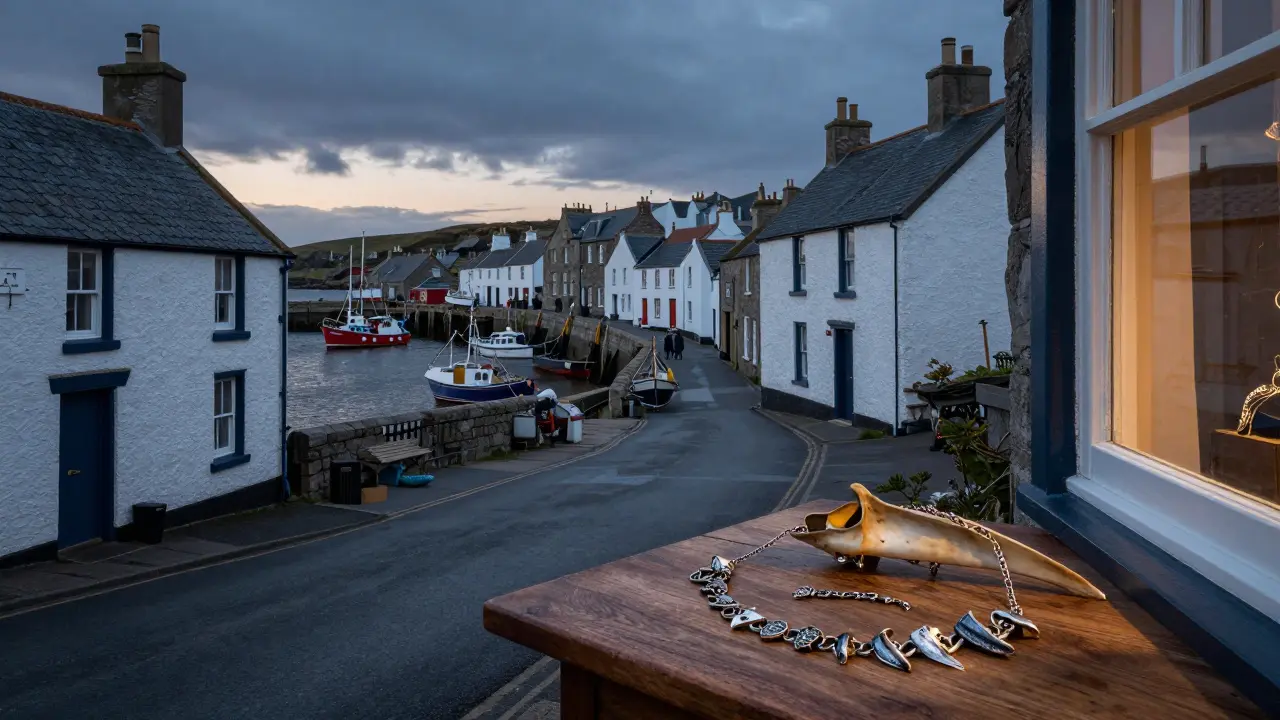
Take Anstruther in Fife. Known as the pearl of the East Neuk, its local museum highlights the herring industry that once made the area wealthy. You’ll see silver jewelry made from herring bones-a fascinating detail that shows how resourceful these communities were. The museum also touches on the decline of the fish stocks, offering a sobering look at environmental change long before it became a global headline.
In contrast, coastal towns in the southwest, like Stranraer, have strong connections to emigration. Their local museums often feature letters sent back from America and Canada by those who left during the economic downturns of the 19th and early 20th centuries. Reading these handwritten notes provides an emotional link to the diaspora that defines much of modern Scottish identity abroad.
How to Find and Support These Hidden Gems
Finding these museums isn’t always straightforward. They rarely appear in the top results of major travel apps. Here is how to track them down:
- Check Local Council Websites: Most local museums are funded partly by regional councils. Search for “heritage” or “archives” on the council site for your destination.
- Look for “Friends of” Groups: Many museums have active support groups with newsletters and social media pages. These are the best sources for opening times and special events.
- Visit Community Centers: In very small villages, the museum might just be a room in the library or community hall. Ask around. Locals love to point out their local pride.
- Use Historic Environment Scotland’s Map: While HES focuses on monuments, their database often lists associated visitor centers and small museums.
Supporting these places is crucial. Entry fees are often low, but donations go directly to preservation. Buying postcards or books from their gift shops helps sustain their operations. Better yet, volunteer if you’re staying in one area for a while. Your skills-whether digital marketing, carpentry, or research-could help keep a piece of Scottish history alive for another generation.
Practical Tips for Visiting Small Museums
Visiting a small, volunteer-run museum requires a slightly different approach than visiting a large institution. Here are some practical tips to enhance your experience:
- Call Ahead: This cannot be stressed enough. A volunteer might be sick, or the key holder might be away. A quick phone call saves a wasted journey.
- Be Patient: Opening doors might take longer. Staff might be older and move slower. Treat them with the same respect you’d offer an elder in your own family.
- Ask Questions: Curators in these settings thrive on engagement. Don’t just glance at the labels. Ask about the provenance of objects. Ask about the weirdest thing they’ve ever found.
- Respect Photography Rules: Some small museums restrict photography due to lighting concerns or copyright issues with specific collections. Always ask before snapping photos.
- Combine with Local Food: After visiting, grab lunch at a nearby cafe. Mention the museum. You’ll likely start conversations with other locals who share stories, extending your historical education beyond the walls.
These museums are not just repositories of the past; they are active participants in the present. They shape how communities see themselves and how outsiders understand them. By seeking out these small-town gems, you’re not just sightseeing; you’re participating in the preservation of Scotland’s diverse cultural fabric.
Are local history museums in Scotland free to enter?
Many local history museums charge a small entry fee, typically between £3 and £6, to cover maintenance costs. However, some are free, especially if they are part of a larger community center. It is always best to check their website or call ahead. Some may offer discounted rates for students, seniors, or members of local historical societies.
What is the best time of year to visit small Scottish museums?
The peak season is from April to September, when most museums have extended opening hours and more volunteers available. However, winter visits can be quieter and allow for more personal interaction with staff. Be aware that some very small museums may close entirely during December and January for maintenance or due to lack of heating funds.
Can I donate items to a local history museum?
Yes, many local museums welcome donations of photographs, documents, or artifacts related to the specific area. However, they usually have strict acquisition policies. Contact the curator beforehand to discuss the item’s relevance and condition. Do not drop off items unannounced, as storage space is often limited and climate-controlled environments are required for preservation.
Do these museums have accessible facilities for disabled visitors?
Accessibility varies widely. Newer or recently renovated museums often have step-free access and ramps. Older buildings, particularly those in historic tenements or castles, may have stairs and narrow doorways. Always contact the museum in advance to inquire about wheelchair access, hearing loops, and accessible toilets. Many volunteers are happy to assist with carrying bags or providing guided tours tailored to mobility needs.
How do local museums differ from national museums like the National Museum of Scotland?
National museums focus on broad, national narratives and have vast collections spanning centuries and continents. Local museums focus on hyper-local stories, often within a radius of a few miles. They provide context for everyday life in a specific community, including oral histories and personal artifacts that wouldn't fit into a national narrative. The experience is more intimate and conversational rather than educational and formal.
Comments (12)
-
Robert Barakat July 2, 2026
The concept of memory is inherently fragile, yet these volunteer-run institutions attempt to anchor the ephemeral nature of community identity in physical artifacts. It suggests that history is not a monolithic narrative imposed from above, but a collective consciousness maintained by those who refuse to let the past dissolve into silence. We often mistake preservation for stagnation, but in reality, it is an act of resistance against the homogenizing force of modernity.

-
Michael Richards July 2, 2026
Let's be real here, most of these 'gems' are just glorified storage units for junk that nobody wants. You pay money to look at rusted farming tools and hear some retiree ramble about their great-grandfather's herring business? It’s a waste of time and resources. If you want real history, go to the National Museum where they have proper curators and climate control instead of relying on some random guy with a key who might not show up because he had too much whisky the night before.

-
Laura Davis July 2, 2026
I completely disagree with the cynicism here! There is something profoundly beautiful about the human effort to preserve local stories. When I visited a small museum in Fife, the curator didn't just show me objects; she shared personal anecdotes that made the history feel alive and immediate. It’s not about the quality of the display cases; it’s about the connection between people and their heritage. These places deserve our respect and support, not mockery.

-
Lisa Nally July 4, 2026
Oh, darling, you simply must understand the socio-cultural significance of micro-historical preservation! The epistemological value of oral histories cannot be overstated when considering the intangible heritage of marginalized communities. It is absolutely fascinating how these grassroots initiatives challenge the hegemonic narratives presented by state-funded institutions. I recently attended a lecture on the semiotics of Harris Tweed, and it was utterly enlightening regarding the construction of regional identity through textile production!

-
Edward Gilbreath July 5, 2026
its all a cover up really. they want you to think its about history but its actually about controlling the narrative. who funds these volunteers? probably the same elites who built the castles. dont trust the local museums theyre hiding the real truth about the clearances and the government involvement. i saw a documentary once that proved it all.

-
kimberly de Bruin July 7, 2026
the void stares back when we ignore the small things. perhaps the dust on those shelves is just the accumulated weight of forgotten lives seeking acknowledgment. we are all temporary custodians of stories that will outlast us anyway why do we cling so tightly to the material remnants of existence

-
Edward Nigma July 8, 2026
Actually you guys are missing the point entirely. The big museums are better because they have funding and standards. These little places are chaotic and unprofessional. Plus half the time they are closed or the phone number is disconnected. Its inefficient and frankly embarrassing for the region to promote such disorganized operations as cultural touchstones.

-
Francis Laquerre July 10, 2026
As someone who has traveled extensively across Europe, I can attest that the soul of a nation is found in its villages, not its capitals. The passion of the volunteers in Scotland mirrors the community spirit seen in rural France and Italy. It is a testament to the enduring power of local identity. We should celebrate these efforts rather than dismiss them, for they represent the true fabric of society woven together by everyday people.

-
michael rome July 10, 2026
It is imperative that we recognize the profound impact these institutions have on community cohesion. While some may argue for the superiority of national archives, the intimate nature of local museums fosters a deeper sense of belonging among residents. I encourage everyone to visit at least one such establishment during their travels, as it offers a unique perspective on the human condition that large-scale exhibitions often fail to capture.

-
Andrea Alonzo July 12, 2026
I find myself deeply moved by the idea that these museums serve as guardians of intangible heritage, preserving not just objects but the very voices and dialects that define a community's unique character, which leads me to believe that supporting these volunteer-driven initiatives is essential for maintaining the rich tapestry of Scottish culture, especially since many of these stories would otherwise be lost to time if not for the dedicated individuals who spend their free hours researching family trees and collecting artifacts that might otherwise be discarded, and this dedication deserves our utmost respect and encouragement because it allows future generations to connect with their ancestors in a meaningful way that goes beyond mere dates and battles, creating a living dialogue between the past and present that enriches our understanding of what it means to be part of a specific place and community.

-
Saranya M.L. July 12, 2026
While the Scottish approach to local history is interesting, one must acknowledge that India has far superior systems for preserving micro-narratives through our ancient temple libraries and village panchayat records. The jargon-heavy discourse around 'intangible heritage' is often Western-centric. However, the principle of community-led preservation is valid, provided it is executed with the rigor and academic precision that Indian historiography demands, unlike the somewhat amateurish efforts described here which seem more like hobbyist clubs than serious historical institutions.

-
om gman July 13, 2026
oh wow another post about dusty old boxes in scotland how original. i bet the volunteers are all boring old people who talk your ear off about nothing important. meanwhile in india we have actual history that matters. but sure keep visiting your little hamlet museums while the rest of us deal with real issues. pathetic.
