
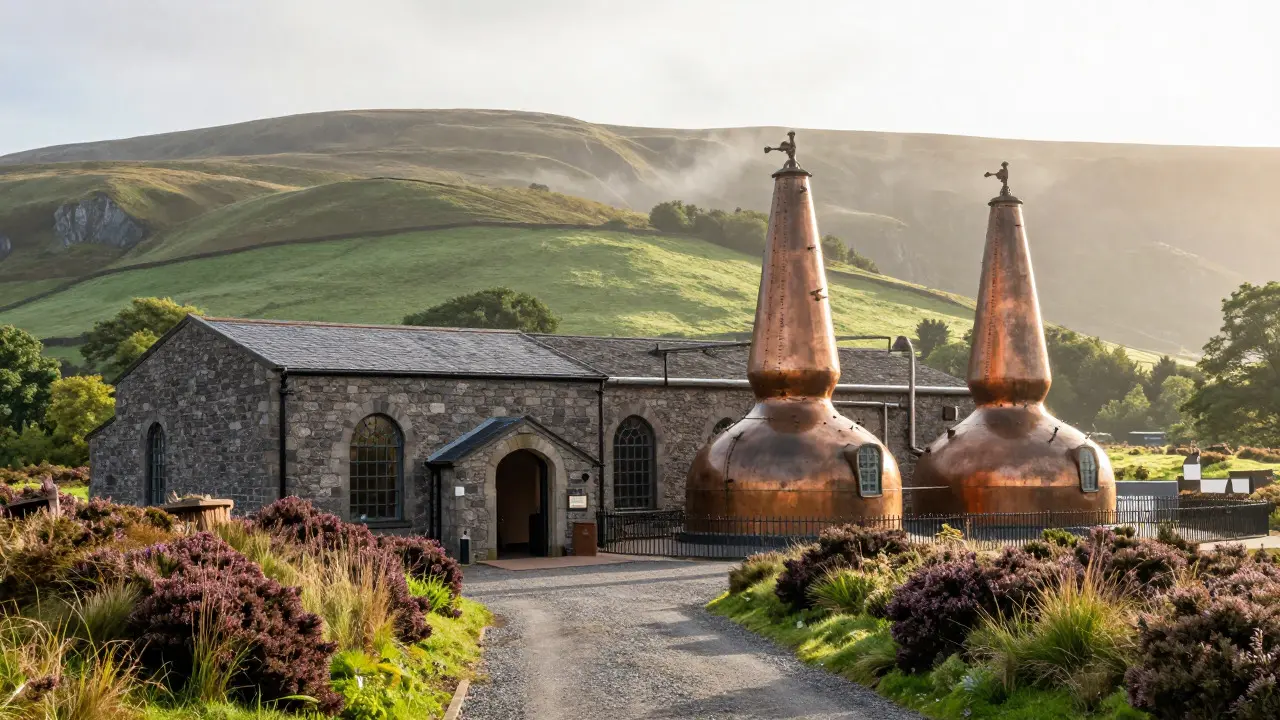
Imagine this: you’ve planned a trip to Scotland for months. You have your flights booked, your accommodation sorted, and your itinerary mapped out. Then, you try to book a tour of The Macallan or Glenfiddich, only to find that every slot for the next three weeks is gone. It’s a frustrating reality for many travelers heading to the Speyside region during summer. The good news? With the right strategy, you can secure your spot without losing sleep over it.
Peak season for Scotch whisky tourism typically runs from May through September. This is when the weather is most predictable, the days are longest, and international visitors flock to the Highlands and Lowlands. During these months, popular distilleries often sell out their tasting rooms and guided tours up to six months in advance. If you’re visiting in July or August, waiting until you arrive at the airport to book is a recipe for disappointment. You need a plan before you pack your bags.
Understanding the Peak Season Calendar
Not all months are created equal when it comes to availability. While the entire summer is busy, specific periods see higher demand due to holidays and school breaks. In the UK, the final week of July and the first two weeks of August are the absolute busiest. Visitors from the US and Europe also tend to cluster their trips around June and late August, creating secondary peaks.
To maximize your chances, look at the shoulder seasons. Late April and early October offer milder weather and significantly better availability. Distilleries often release their schedules for the following year in late autumn. For example, if you want to visit in June 2027, keep an eye on booking platforms starting in November 2026. Some premium experiences, like private cask tastings at The Balvenie, may even open bookings earlier than standard public tours.
Where and When to Book
Most major distilleries use direct online booking systems rather than third-party aggregators. This is crucial because third-party sites often have limited inventory or add significant service fees. Always check the official website of the distillery first. For instance, Diageor-owned brands like Johnnie Walker and J&B have centralized booking portals, while independent distilleries manage their own calendars.
Timing your purchase matters as much as where you buy. Most distilleries release tickets in batches. Some release them all at once for the upcoming season, while others trickle them out monthly. Here is a general rule of thumb:
- High-demand distilleries (e.g., Glenfiddich, Oban): Book 4-6 months in advance for summer dates.
- Mid-tier distilleries (e.g., Springbank, Auchentoshan): Book 2-3 months in advance.
- Smaller or lesser-known spots: 1-2 months in advance is usually sufficient, but check weekly.
If you miss the initial release, don’t panic. Cancellations happen frequently. Set up calendar reminders to check availability every Monday morning. Many people cancel plans on weekends, and slots often reappear by early the following week.
Navigating Waitlists Effectively
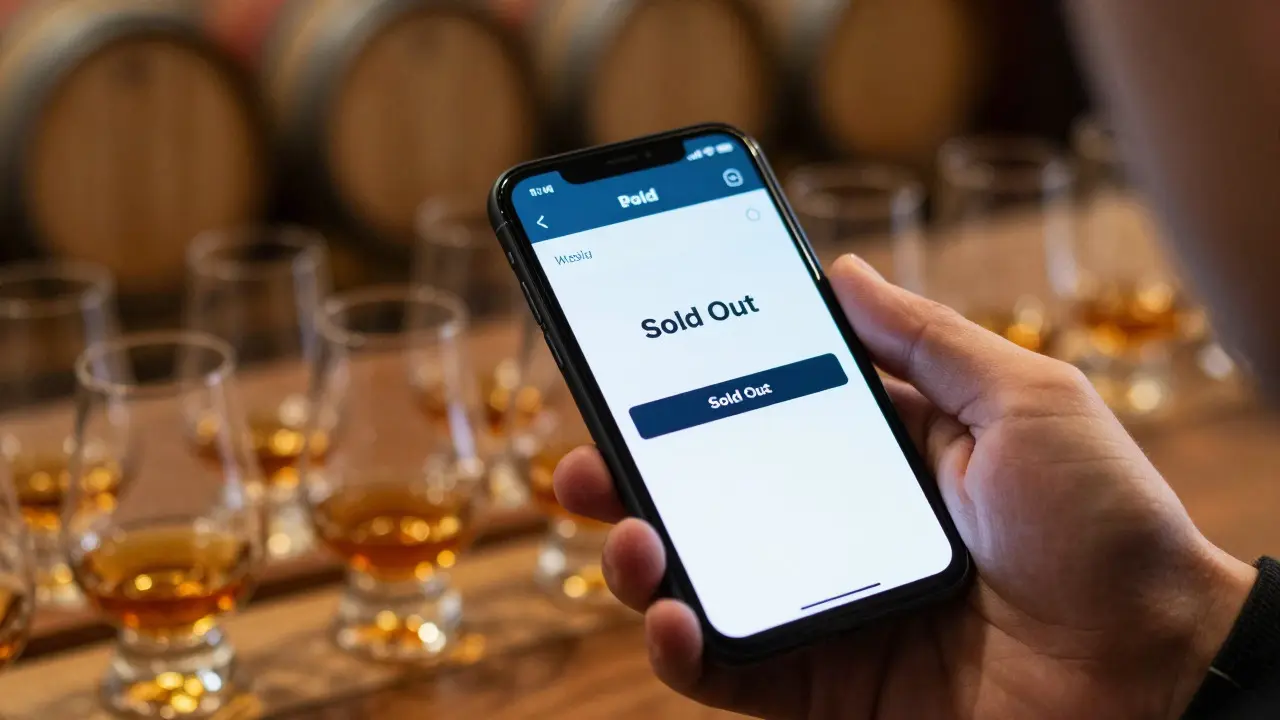
Sold out doesn’t always mean no hope. Many distilleries maintain digital waitlists, though not all do so transparently. If a date shows as "Sold Out" but has a "Join Waitlist" button, click it immediately. Your position in the queue depends on how long you’ve been waiting, not just who clicked first. However, some smaller distilleries use manual email lists. In those cases, send a polite inquiry email asking to be added to the cancellation list.
Waitlists work best when you are flexible with dates. If you can visit on a Tuesday instead of a Saturday, your odds improve dramatically. Weekends are the hardest times to get into popular venues. Mid-week slots often remain available closer to the date because business travelers and local residents fill those spaces, leaving fewer conflicts for tourists.
Comparison of Booking Strategies
| Distillery Type | Recommended Lead Time | Availability Risk | Best Day to Check |
|---|---|---|---|
| Premium Iconic (Glenfiddich) | 6 Months | High | Monday Morning |
| Established Independent (Balvenie) | 4 Months | Medium-High | Tuesday Morning |
| Regional Favorites (Springbank) | 2-3 Months | Medium | Wednesday Morning |
| Niche/Craft Spots | 1 Month | Low | Anytime |
Pro Tips for Securing Last-Minute Slots
If you’re traveling last minute, consider these tactics to increase your success rate:
- Call directly: Sometimes phone lines connect you to staff who can hold a spot temporarily or inform you of unlisted cancellations.
- Visit in person: Arriving at the visitor center early in the morning can sometimes yield same-day walk-in opportunities, especially if a group cancels. Bring cash, as some smaller operations prefer immediate payment.
- Look for alternative experiences: If the main tour is full, ask about shorter "taster" sessions or behind-the-scenes visits that aren’t listed prominently online.
- Check package deals: Some hotels in Speyside or Islay partner with distilleries to offer bundled tours. These packages might have separate inventory from the public booking system.
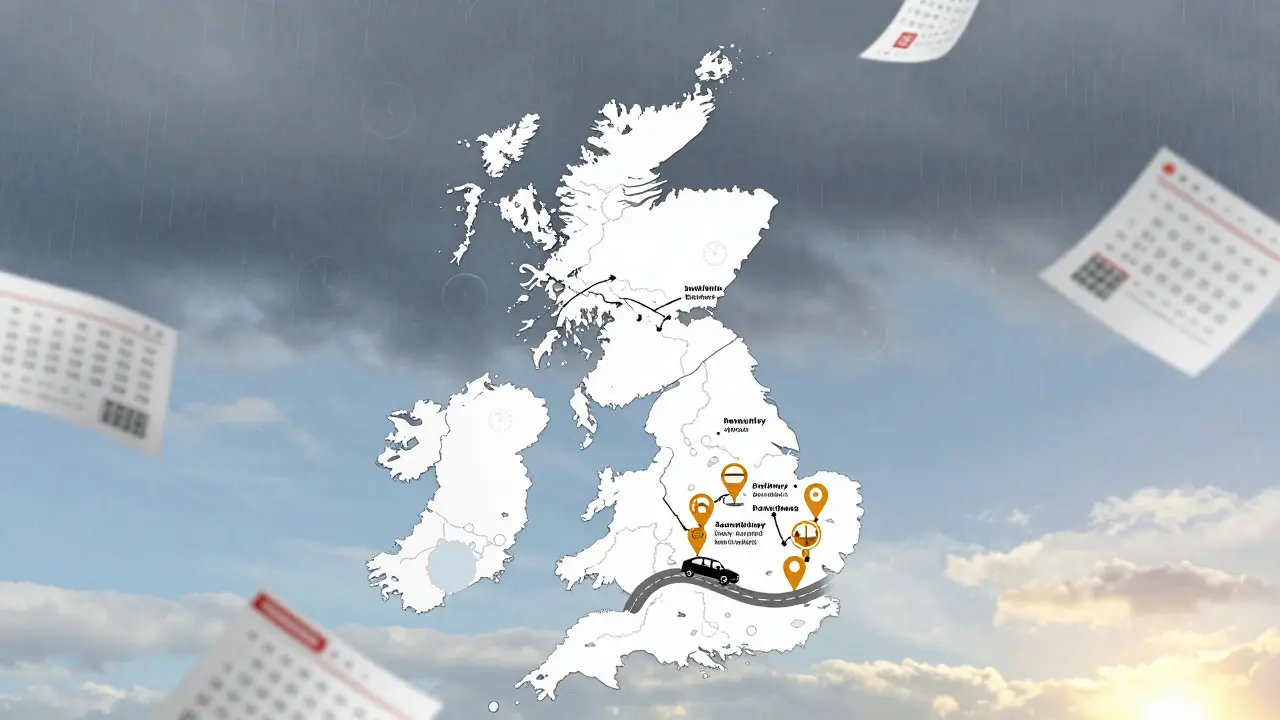
Also, remember that weather plays a role. If rain is forecast for a particular day, more people will cancel outdoor-oriented tours. This creates openings for indoor-focused experiences. Monitor the Scottish Met Office forecasts and adjust your booking attempts accordingly.
Frequently Asked Questions
How far in advance should I book a distillery tour in Scotland?
For peak summer months (June-August), book at least 4 to 6 months in advance for popular distilleries. For shoulder seasons (April-May, September-October), 2 to 3 months is usually sufficient. Smaller, less famous distilleries can often be booked 1 month ahead.
What happens if a distillery tour is sold out?
First, join the official waitlist if available. Second, check back regularly for cancellations, especially on Mondays. Third, call the distillery directly to ask about unlisted spots or alternative time slots. Finally, consider visiting a nearby, less crowded distillery as a backup plan.
Are there any discounts for booking distillery tours early?
Rarely. Most distilleries maintain fixed pricing for standard tours. However, early bird specials occasionally appear for premium experiences or multi-day passes. Keep an eye on newsletters from major groups like Diageor or Edrington for occasional promotional offers.
Can I book multiple distillery tours in one day?
Yes, but plan carefully. Most tours last 1 to 2 hours. Include travel time between locations, which can range from 15 minutes to over an hour depending on geography. It is generally recommended to limit yourself to two tours per day to avoid fatigue and ensure you enjoy the experience.
Do I need to drive to attend a distillery tour?
Driving is the most flexible option, especially in rural areas like Speyside or the Highlands. However, some distilleries offer shuttle services from nearby towns, and organized bus tours operate in popular regions. If you choose to drink during the tour, consider using a taxi or staying overnight nearby to avoid driving under the influence.