
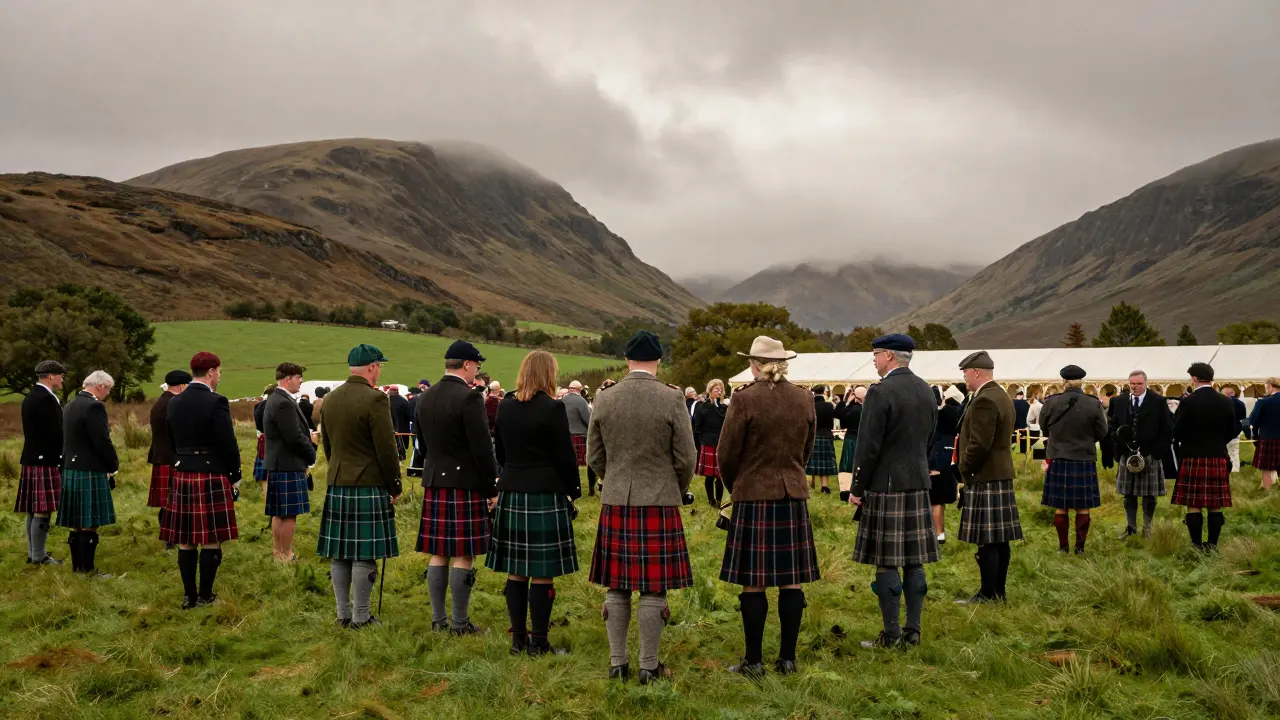
Key Highlights of the Highland Games
- The Braemar Gathering: The most prestigious event, often attended by the British Royal Family.
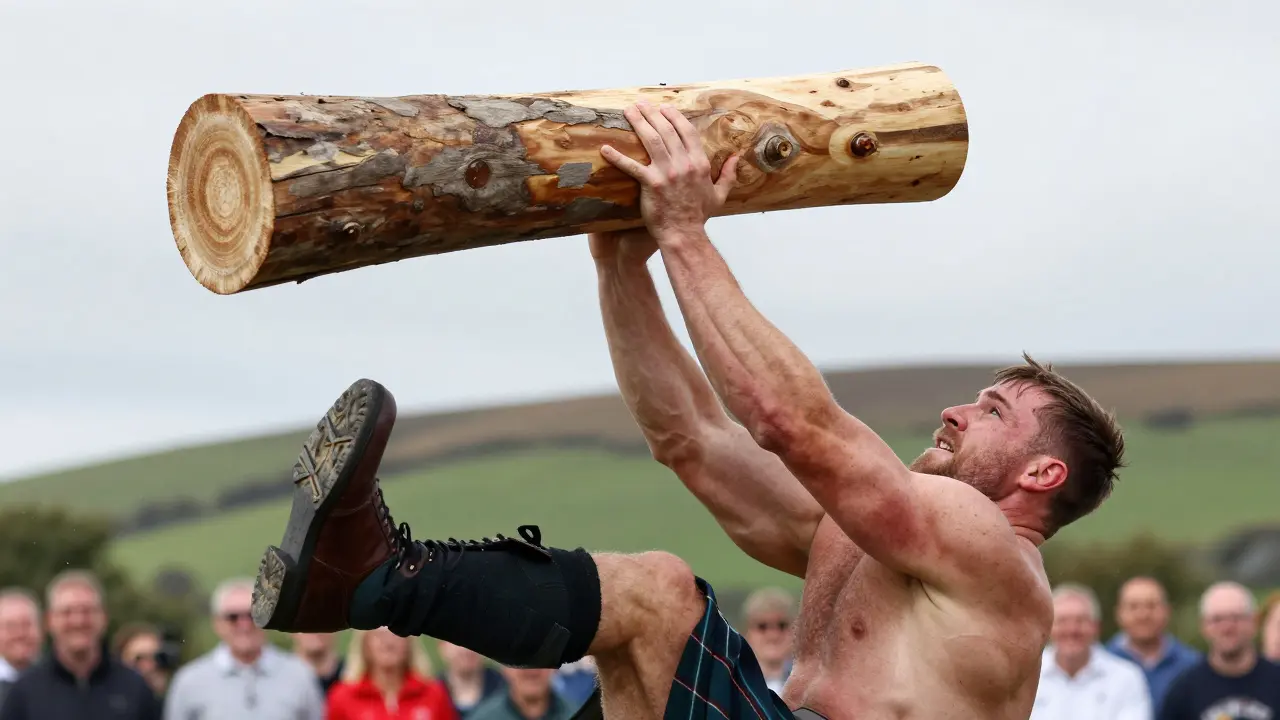
- Heavy Events: The core of the competition, featuring the Caber Toss and Stone Put.
- Clan Pride: A chance to find your ancestral roots through clan tents and marches.
- Traditional Music: Competitive piping and dancing that keeps the heritage alive.
The Prestige of the Braemar Gathering
When people talk about the gold standard of Scottish events, they mean the Braemar Gathering is an annual event held in Braemar, Aberdeenshire, known for its royal patronage and high-level athletic competition. Also known as the Braemar Games, it typically takes place on the first Saturday of September. It is not just a party; it is a social pillar of the Highland society. The event is hosted by the Earl of Mar, and the atmosphere is a mix of intense sporting rivalry and formal tradition.
Walking through the Braemar grounds, you will see a crowd that ranges from local farmers in rugged tweeds to international visitors in brand-new kilts. The stakes here are high. Winning a trophy at Braemar is a lifelong achievement for a Scottish athlete. Because it is so popular, you have to arrive early-often before 9 AM-to secure a spot on the grass. If you are lucky, you might see the King or other members of the Royal Family observing the events from the royal marquee, maintaining a tradition that dates back centuries.
Understanding the Heavy Events
If you have never seen a Highland Games event in person, the "Heavy Events" are what you are there for. These aren't your typical gym workouts. They are tests of raw power and precision that reflect the historical needs of a Highlander.
The most iconic is the Caber Toss. Athletes use a Caber, which is a long, tapered log, usually made of larch or pine, weighing up to 175 pounds. The goal isn't just to throw it as far as possible, but to make it flip end-over-end and land exactly 12 o'clock in front of the thrower. It takes a surprising amount of technique; if you just push it, the log won't flip, and you'll get a poor score.
Then there is the Stone Put, which is similar to a shot put but uses a heavy, naturally rounded river stone. There is also the Weight Over Bar, where athletes throw a heavy metal weight over a high bar using one hand. These events are grueling, and you can feel the tension in the crowd as the competitors prepare for their final attempts. It is a physical manifestation of the grit that defines the Scottish Highlands.
| Event | Primary Focus | Key Attribute | Vibe |
|---|---|---|---|
| Braemar Gathering | Prestige & Royal Tradition | High Competition Level | Formal & Historic |
| Fort William Highland Games | Community & Nature | Stunning Ben Nevis Backdrop | Rugged & Local |
| L Inveraray Games | Culture & Heritage | Strong Clan Presence | Scenic & Traditional |
Beyond the Athletics: Music and Dance
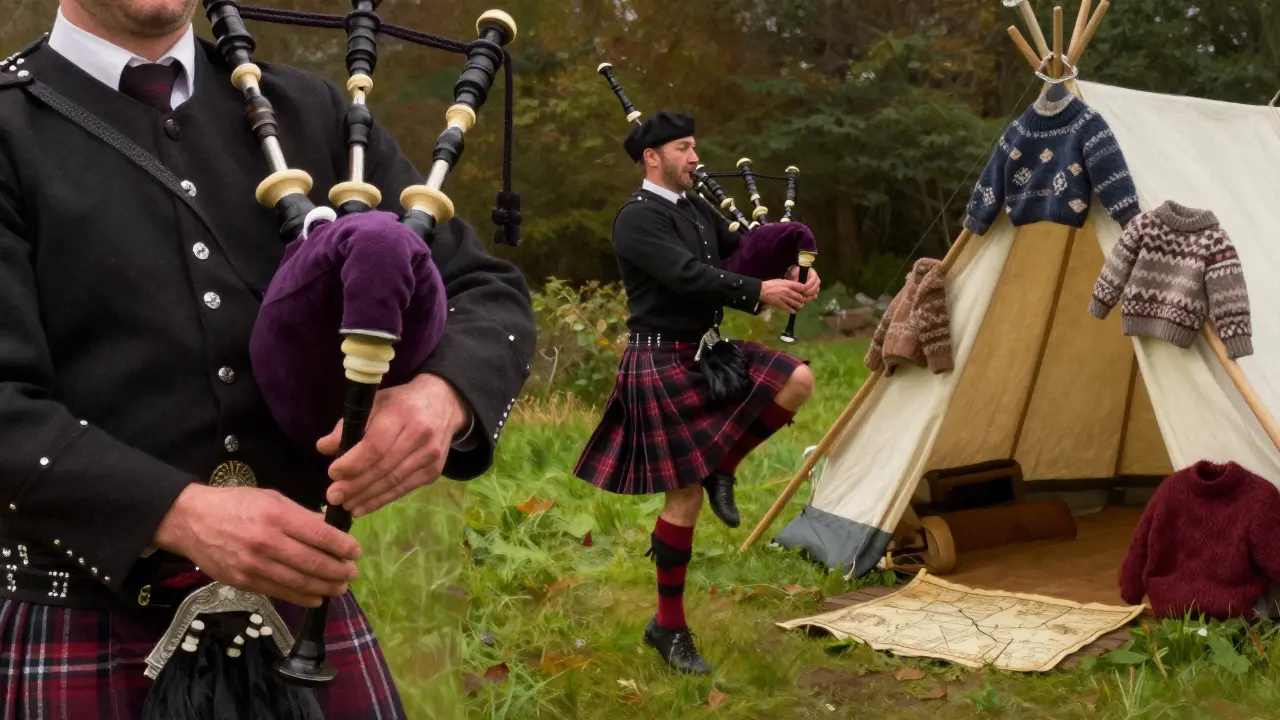
While the heavy lifting gets the cheers, the Great Highland Bagpipe is the heartbeat of the festival. You will find piping competitions where players compete in "Piobaireachd" (the classical music of the pipes) or "Quicksets." The sound is immersive; when ten pipes play at once, you feel the vibration in your chest. It is an auditory experience that defines the landscape.
Then there is the Highland Dancing. Don't let the grace fool you; this is incredibly athletic. The Highland Fling and the Sword Dance require immense calf strength and balance. Dancers perform on a small patch of grass, often leaping high into the air while keeping their upper bodies perfectly still. For the locals, the dancing is just as competitive as the Caber Toss, with judges looking for a precise"turn" and perfect timing.
Finding Local Games and Smaller Gatherings
If Braemar feels too crowded or formal, there are hundreds of smaller, local "Gathers" across Scotland. These are often held in village greens or school fields and are where you find the true spirit of the community. In these events, the man throwing the hammer might also be the local butcher or the town's postman. It is less about the prestige and more about the neighborhood pride.
Events in places like Fort William or Inverness offer a more relaxed atmosphere. You can wander through stalls selling handmade wool sweaters, taste local whiskies, and chat with people who can trace their family tree back to the 1700s. These local events are often a great way to see the "Glens"-the deep, narrow valleys that give the region its character-since most games are situated in these picturesque settings.
Tips for First-Time Visitors
Going to a Highland Games event requires a bit of preparation. First, dress for the weather. In Scotland, you can experience all four seasons in twenty minutes. Bring a waterproof jacket and sturdy boots; you will be walking on wet grass and mud for most of the day. If you decide to wear a kilt, make sure it is a proper one and that you know how to wear it-locals will notice if it is a cheap costume.
Food is a big part of the experience. Look for the local food vans selling "Haggis and Neeps" or a hearty Scotch pie. Avoid the overly commercialized food stalls and go for whatever the locals are queuing for. Also, keep some cash on hand. While many places take cards now, some of the smallest craft stalls in the Highlands still prefer coins.
If you are interested in your own genealogy, look for the Clan tents. Many festivals have a dedicated area where you can find out which Scottish Clan you belong to based on your surname. It is a great way to connect with the history of the land and meet others who share your ancestry.
When is the best time to visit the Highland Games?
The peak season is from May to September. While the Braemar Gathering is the highlight in early September, there are smaller games happening almost every weekend throughout the summer. August is particularly busy with events coinciding with the Edinburgh Fringe and other city festivals.
Do I need tickets for the Braemar Gathering?
Yes, for the main event, tickets are typically required and often sell out quickly. It is best to book online through the official event organizers several months in advance. For smaller local games, entry is often free or involves a small donation at the gate.
What exactly is the Caber Toss?
It is a strength and skill event where a competitor lifts a long log (caber) and throws it. The goal is not distance, but accuracy. The log must flip over and land so that the top end points exactly 12 o'clock away from the thrower.
Can anyone participate in the games?
Most competitive events require registration and often a proven track record in other games. However, many local festivals have "open" events or amateur categories where visitors can try their hand at lighter versions of the tosses.
Is it appropriate to wear a kilt if I'm not Scottish?
Absolutely. People from all over the world wear kilts to these events. Just be mindful that some tartans are specific to certain clans. If you don't have a clan tartan, a "Universal" or "Modern" tartan is a safe and respected choice.
Next Steps for Your Trip
If you are planning a trip around the events, start by mapping out the Cairngorms National Park. This is where Braemar is located and provides some of the most stunning landscapes in the country. From there, you can head west toward Fort William to see the mountains. If you have a few extra days, visit a local distillery to understand the link between the land, the water, and the whisky that often fuels these festivities.
For those who struggle with transport, remember that the Highlands are best seen by car. Public transport exists, but it can be sparse in the glens. Renting a small vehicle will give you the freedom to stumble upon "hidden" games in tiny villages that aren't always listed in the big travel brochures. Just be prepared for the narrow, single-track roads where you will have to pull over to let others pass.
Comments (15)
-
Jennifer Kaiser April 17, 2026
There is something profoundly human about the obsession with raw strength and lineage. It's not just about tossing logs; it's a physical manifestation of the desire to remain connected to a primal identity in an increasingly digital world. We need these spaces to remember that we are biological creatures before we are data points.

-
Aimee Quenneville April 18, 2026
oh wow... just wow... imagine paying money to watch a guy drop a tree!!!! so original!!!! lol

-
Cynthia Lamont April 18, 2026
The formatting of that table is a complete disaster. It is honestly offensive to anyone with eyes! Why is the 'L' in front of Inveraray Games? Just absolutely pathetic editing!

-
Liam Hesmondhalgh April 20, 2026
Imagine thinking a 'universal' tartan is a good substitute for actual ancestral heritage. It's a cheap way out for people who don't want to do the actual work of tracing their roots. Also, the phrasing in the tips section is lazy at best.

-
Meghan O'Connor April 21, 2026
Typical. Another guide that glosses over the nuance of Piobaireachd and treats it like background noise. It's a complex art form, not just 'heartbeat' music. The lack of depth here is staggering.

-
Morgan ODonnell April 23, 2026
It sounds like a really lovely way to spend a weekend. Just enjoying the outdoors and seeing people happy to be there.

-
Patrick Tiernan April 24, 2026
who cares about the royal marquee honestly just go for the whiskey and the chaos

-
Tyler Springall April 26, 2026
The sheer audacity of suggesting a rental car is the 'best' way to see the Highlands. Anyone with an ounce of sophistication knows that a private chauffeur is the only way to avoid the indignity of navigating those wretched single-track roads yourself.

-
Amy P April 27, 2026
OH MY GOSH!! I have always dreamed of seeing a Caber Toss in person! The sheer power involved is just mind-blowing! I can't believe how much technique it takes just to get it to land at 12 o'clock! Imagine the tension in the air right before the flip!! I'm literally booking a flight right now!

-
Ashley Kuehnel April 29, 2026
If your going for the first time, definitely pack more socks than you think you need!! The dampness in the glens is no joke and your feet will get soaked fast. Also, don't be afraid to talk to the clan tent people, they are usually super friendly and love helping out new people finding their roots!

-
Colby Havard May 1, 2026
One must wonder... if the pursuit of strength is merely a vanity... or a virtue... in a society that has forgotten the meaning of labor!!!

-
Patrick Bass May 2, 2026
Glad to see the traditional arts getting some attention here.

-
Dmitriy Fedoseff May 3, 2026
The arrogance of suggesting that a 'Universal' tartan is respected is a joke. True respect comes from understanding the blood and soil of the specific clan, not wearing a generic costume to feel 'Scottish' for a weekend. It is an insult to the ancestors who actually fought for that land!

-
Kirk Doherty May 5, 2026
sounds chill

-
adam smith May 7, 2026
I find the descriptions of the events to be quite pleasant. The atmosphere seems very welcoming.
