
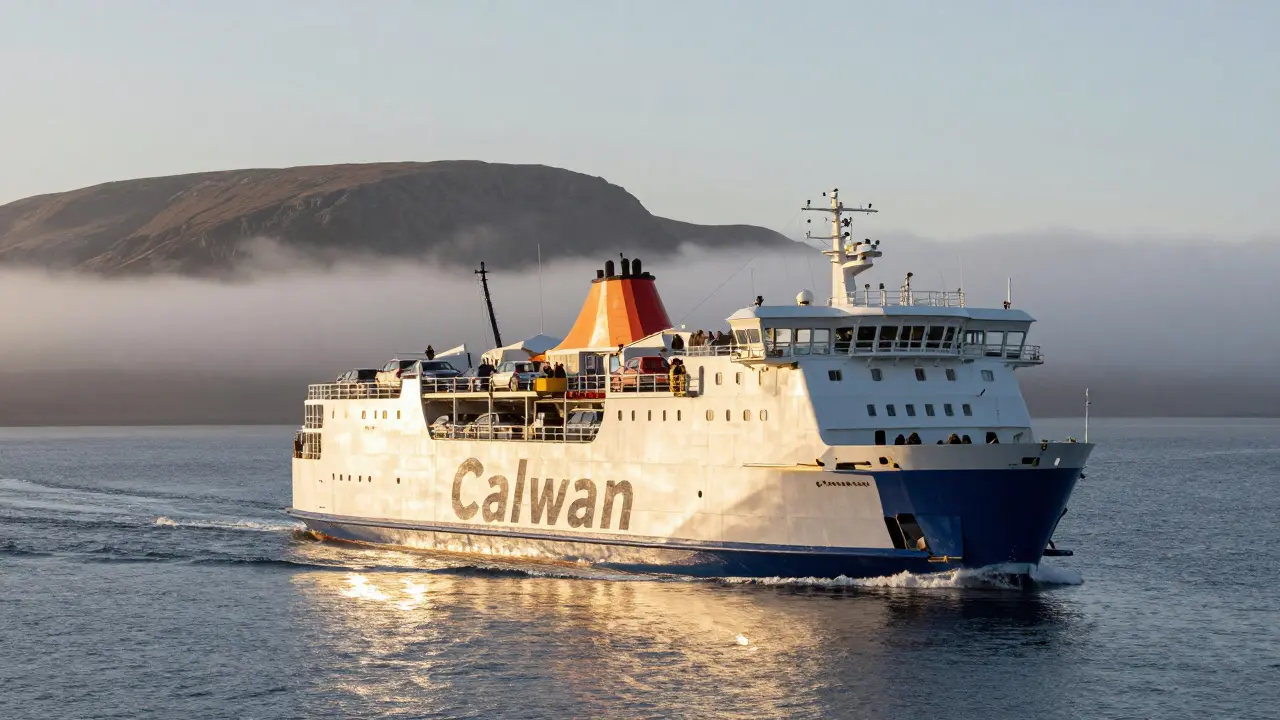
There is nothing quite like the feeling of watching the mainland fade into mist as you head toward the islands. But if you have ever tried to book a CalMac ferry for July in your head, you know that dream can quickly turn into a nightmare of sold-out alerts and panic. The Hebrides are some of the most beautiful places on Earth, but getting there requires more than just showing up at the terminal with a map and hope.
I live in Dundee, which means I spend my summers planning trips north and west. I’ve made every mistake possible when it comes to island hopping: missing the last crossing because I misread the time zone (yes, really), forgetting that pets need separate bookings, and underestimating how long it takes to load a car. This guide is here to save you from those headaches. We will break down the routes, explain the booking system without the jargon, and give you the real-world tactics for securing that precious car space.
Understanding CalMac and the Ferry Network
Caledonian MacBrayne, known universally as CalMac, is the primary ferry operator serving the west coast of Scotland and its islands. It is not a private company chasing maximum profit; it is a public service obligation carrier owned by the Scottish Government. This distinction matters. It means they run routes that aren't commercially viable but are essential for communities. However, it also means demand often outstrips supply during peak season, leading to the intense competition for slots you see online.
The network covers two main areas: the Inner Hebrides (Isle of Mull, Isle of Coll, Tiree, Colonsay, Jura, and Islay) and the Outer Hebrides (Lewis, Harris, North Uist, Benbecula, South Ust, Barra, and Eriskay). There are also vital links to Arran and Cumbrae in the Firth of Clyde.
For travelers heading to Skye, it is crucial to understand a common misconception. Since the construction of the Skye Bridge in 1995, there has been no regular passenger or vehicle ferry service directly connecting the mainland to the Isle of Skye. You drive across the bridge. However, CalMac does operate services from Mallaig on Skye to Armadale on South Uist, linking the island to the rest of the Hebridean chain. If your goal is Skye, you need a car on the mainland first. If your goal is the deeper Hebrides, you need to master the ferry game.
The Booking System: How It Actually Works
The CalMac website is functional but can feel clunky if you are used to modern airline booking engines. Here is the reality of the current system as of 2026:
- Release Dates: Bookings typically open three months in advance. For a July trip, you need to be ready in April. These dates are announced on their social media channels and website well ahead of time.
- Real-Time Inventory: Unlike trains where seats might be held, ferry spaces are allocated in real-time. If you hesitate, someone else takes your slot. The "basket" hold is usually very short-often just 15 minutes.
- Passenger vs. Vehicle: You can book passengers separately from vehicles. This is a lifesaver if you want to take the bike path instead of driving, or if you are traveling light. However, if you need a car, you must book the car and the passengers together in one transaction.
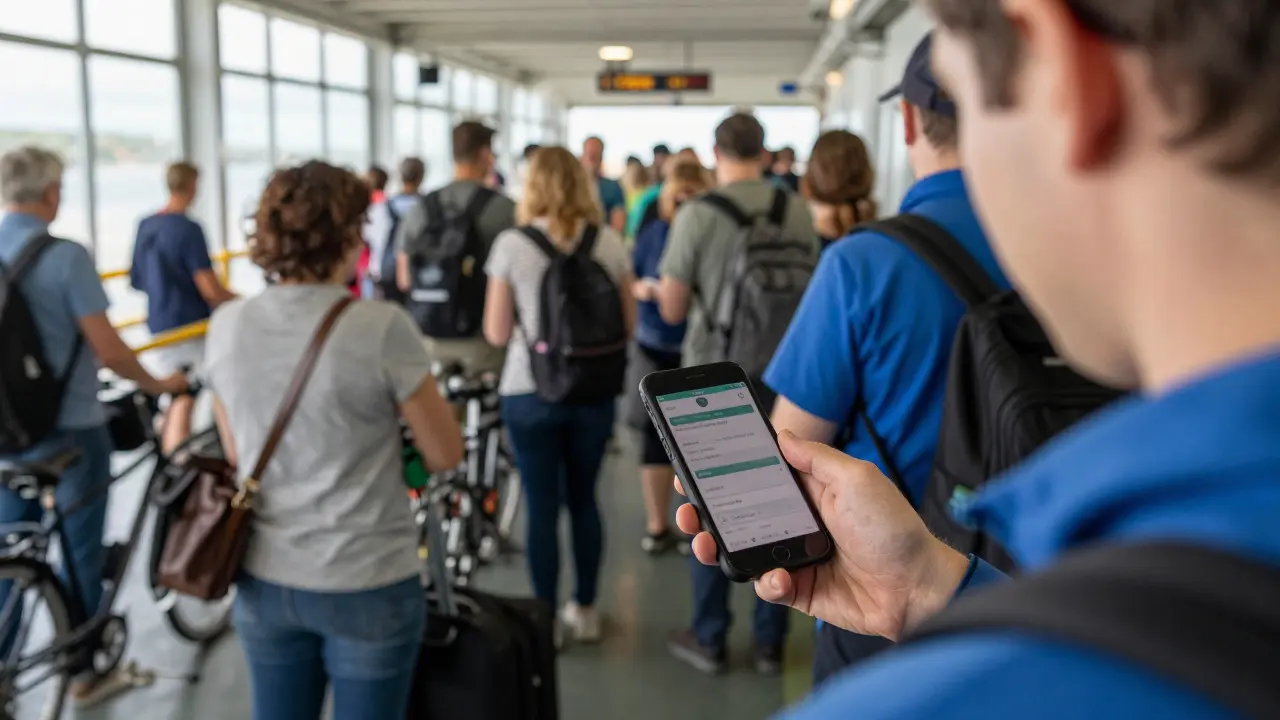
A pro tip that many first-timers miss: Create an account before the booking window opens. Logging in takes time. When the clock strikes midnight on release day, every second counts. Have your credit card details copied and pasted into a secure note so you can fill them in instantly.
Securing Car Space: The Golden Rules
This is the part that causes the most stress. Let’s be clear: if you are visiting between June and August, assuming you can get a car space without booking weeks or months in advance is a gamble you should not take. Here is how to maximize your chances:
- Book Early: Aim to book as soon as the window opens. Popular routes like Gourock to Craignure (Mull) and Mallaig to Armadale sell out within hours of release.
- Be Flexible with Times: Morning crossings are popular, but mid-afternoon or evening slots often have availability longer. If you can arrive at the terminal early and wait, you might find cancellations. People do cancel. Keep refreshing the page.
- Consider Alternative Terminals: For Mull, Gourock is the busiest. Oban is slightly less frantic but still busy. For the Outer Hebrides, Ullapool to Stornoway is a long journey (over four hours) but offers a different experience and sometimes more availability than the shorter hops.
- Waitlists Exist: CalMac has a waitlist feature. If a route is full, join the waitlist. You will be emailed if a spot opens up. Do not rely on this as your only plan, but it is a safety net.
If you absolutely cannot get a car space, consider leaving your car in a secure parking lot on the mainland (like in Fort William or Oban) and taking the train or bus to the terminal, then traveling as foot passengers. Many island rentals are available, though they too book up fast.
Key Routes and What to Expect
| Route | Duration | Peak Demand | Best For |
|---|---|---|---|
| Gourock to Craignure (Mull) | ~1 hour 45 mins | Very High | Access to Isle of Mull, Iona, and Staffa |
| Oban to Craignure (Mull) | ~1 hour 30 mins | High | Scenic approach, access to Mull |
| Mallaig to Armadale (South Uist) | ~45 mins | Medium-High | Gateway to the Outer Hebrides |
| Ullapool to Stornoway (Lewis) | ~4 hours 15 mins | Medium | Direct link to Lewis/Harris, overnight option |
| Lochmaddy to Berneray | ~10 mins | Low | Quick hop to quiet beaches |
The Gourock to Craignure route is the busiest ferry route in Scotland. It handles thousands of cars per summer weekend. The vessel is large, with good facilities, but the queueing process can be chaotic. Arrive at least 30 minutes before departure. For the Ullapool to Stornoway crossing, the longest regular ferry journey in the UK, you are on board for a while. Bring snacks. The views of the Minch are stunning, especially in calm weather, but rough seas can make this a bumpy ride. Check the weather forecast; if winds are over 40 knots, expect delays.
Traveling with Pets and Bikes
If you are bringing a dog, cat, or other pet, you need to book them as separate passengers. They cannot travel in the vehicle deck during the crossing due to ventilation and safety regulations. They must stay in the designated pet kennels, which are air-conditioned and monitored. Book these spots early-they are limited. You can visit your pet during the crossing, but you cannot leave them unattended in the car.
Bicycles are treated as vehicles. You need to book a bike space. Folding bikes that fit in a bag can sometimes be carried as luggage, but standard mountain bikes or road bikes require a slot. The bike racks fill up faster than you think, especially on weekends. If you are cycling the Hebrides, plan your ferry legs meticulously. Some smaller inter-island ferries have very limited bike capacity.
Tips for a Smooth Journey
Once you have your booking, the next step is execution. Here are practical tips from someone who has done this dozens of times:
- Arrive Early: CalMac recommends arriving 30-45 minutes before departure. In peak season, aim for 45. The check-in process involves scanning your booking reference and boarding pass. If you are late, you risk being left behind, even with a confirmed ticket. Ferries prioritize punctuality.
- Weather Delays: The Atlantic Ocean is unpredictable. Delays happen. Build buffer days into your itinerary. Do not book a hotel check-in for 6 PM if your ferry arrives at 5:30 PM. Assume the worst-case scenario for timing.
- Food and Drink: The larger vessels (like the MV Hebridean Sky or MV Loch Seaforth) have cafes and shops. The smaller inter-island boats may only have vending machines. Pack water and snacks, especially for children.
- Accessibility: CalMac vessels are generally accessible, with ramps and lifts. However, older terminals or smaller boats may have limitations. Contact CalMac directly if you have specific mobility needs to ensure arrangements are in place.
Alternatives to Driving
If the stress of booking a car space is too much, consider these alternatives:
- Foot Passenger: Much cheaper and easier to book. You can explore the islands using local buses, rental cars, or bicycles. Renting a car on the island is possible but requires advance booking.
- Bus Services: Stagecoach West Highland operates bus services that connect with ferries. The "Skye Bus" and other routes integrate with ferry timetables. This is a relaxing way to travel, though less flexible.
- Fly: Loganair operates flights to Barra, Tiree, Colonsay, and Campbeltown. Flying to Barra’s beach runway is an unforgettable experience. This bypasses the ferry entirely for the final leg, saving time and avoiding sea sickness.
Choosing the right mode of transport depends on your priorities. If freedom and flexibility are key, a car is worth the hassle. If relaxation and scenery are your goals, the bus or foot passenger route might be superior.
Final Thoughts on Island Travel
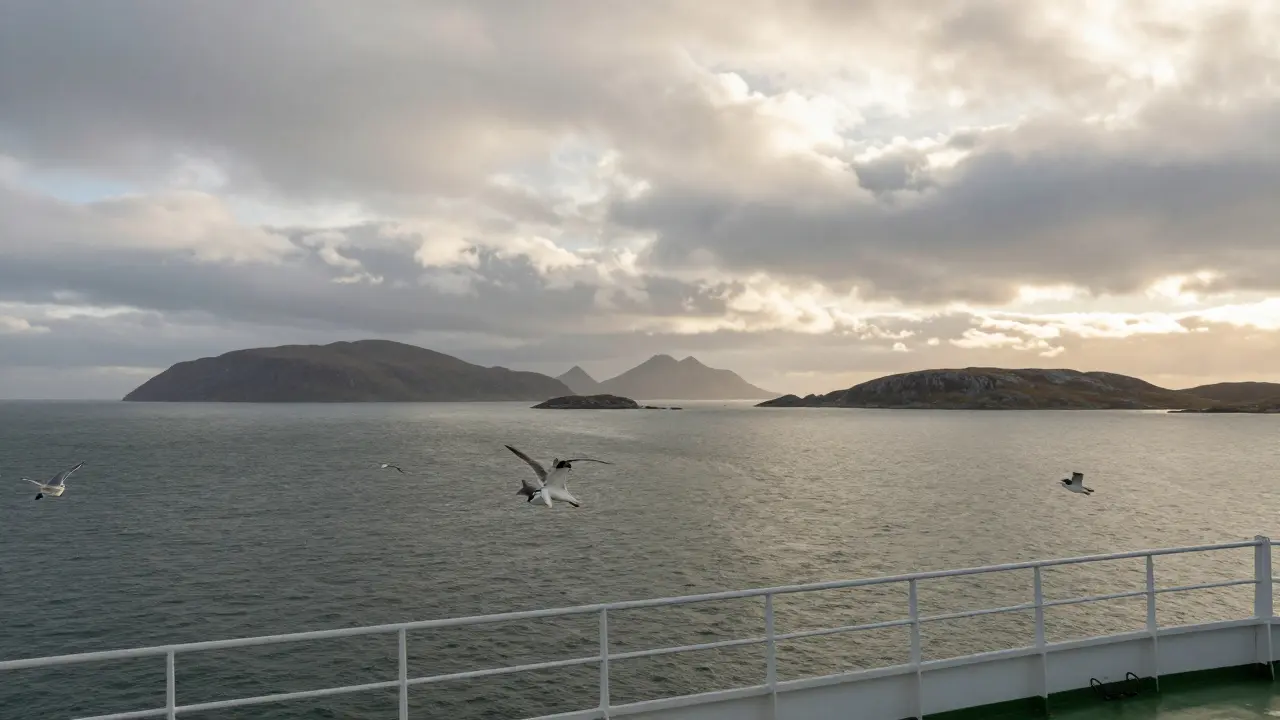
Traveling to the Hebrides is an adventure. The logistics can be challenging, but the reward is access to landscapes that feel untouched by time. From the golden sands of Harris to the ancient ruins of Iona, the islands offer something unique. By understanding the CalMac system, booking early, and staying flexible, you can avoid the pitfalls and focus on what matters: enjoying the journey. Remember, the ferry is not just transport; it is part of the experience. Watch the seabirds, listen to the waves, and embrace the rhythm of island life.
How far in advance should I book CalMac ferries?
For travel between June and August, you should book as soon as the booking window opens, which is typically three months in advance. Popular routes like Gourock to Mull can sell out within hours of release. For off-peak travel (September to May), booking a few weeks in advance is usually sufficient, but same-day bookings are risky even then.
Can I book a CalMac ferry without a car?
Yes, you can book as a foot passenger. This is often cheaper and easier to secure than a car space. You can combine this with local bus services or rent a car/bicycle on the island. Note that bicycles require a separate booking as they are classified as vehicles.
What happens if my ferry is delayed or cancelled?
CalMac will notify you via email or SMS if you provided contact details. In case of cancellation, they will usually offer rebooking on the next available sailing or a full refund. During severe weather, multiple sailings may be affected. Always check the CalMac website or app for real-time updates before heading to the terminal.
Do I need to arrive early for the ferry?
Yes, CalMac strongly advises arriving at least 30-45 minutes before departure. During peak season, queues can form, and check-in processes take time. If you arrive late, you may be denied boarding even with a confirmed ticket, as ferries must depart on schedule to maintain the timetable.
Are pets allowed on CalMac ferries?
Yes, pets are allowed but must be booked separately as passengers. They cannot travel in the vehicle deck and must stay in designated air-conditioned kennels. Kennel spaces are limited and book up quickly, so reserve them early. You can visit your pet during the crossing but cannot leave them unattended in the car.
Is there a ferry to Skye?
There is no direct ferry from the mainland to the Isle of Skye since the Skye Bridge opened in 1995. You can drive across the bridge. However, CalMac operates a ferry from Mallaig on Skye to Armadale on South Uist, connecting Skye to the Outer Hebrides. This is useful if you are island-hopping.
What should I do if I miss my ferry?
If you miss your ferry, contact CalMac customer service immediately. They may be able to put you on a waitlist for the next sailing, but this is not guaranteed, especially in peak season. You may need to purchase a new ticket. Travel insurance that covers missed connections can help mitigate costs.
Can I change my CalMac booking?
Yes, you can change your booking online or by phone, subject to availability and fees. Changes made closer to the travel date may incur higher fees. If you cancel, refunds are possible but depend on how close you are to the departure time. Last-minute cancellations often result in partial or no refunds.